Sports drinks with electrolytes are beverages designed to provide fluid and minerals during or after physical activity. The most common electrolytes include sodium, chloride, potassium, magnesium, and calcium.
These minerals have different jobs in the body, including supporting fluid balance, nerve signaling, and normal muscle contraction. Exercise increases the importance of replacement because sweat carries water and electrolytes out of the body.
A traditional sports drink usually combines water and electrolytes with carbohydrates. Sugar-free electrolyte products take a different approach by separating electrolyte replacement from carbohydrate fueling.
What Should You Look for in an Electrolyte Sports Drink?
The right formula depends on your workout, sweat losses, and how you plan to fuel up.
| What to Check | Why It Matters for Exercise |
| Sodium | The primary electrolyte lost through sweat |
| Other electrolytes | Potassium, magnesium, calcium, and chloride have roles in fluid, muscle, and nerve function. |
| Carbohydrates | Can provide fuel during longer or more demanding exercise |
| Sugar content | Determines whether the drink also serves as a carbohydrate source |
| Serving format | Ready-to-drink bottles, powders, tablets, and liquid drops offer different levels of flexibility |
Athletes also have very different sweat rates and sodium losses. A sports drink that works well for a short gym session may not provide the same electrolyte support needed during prolonged endurance training.
For a closer look at sport-specific hydration, explore electrolytes for athletes.Why Electrolytes Matter When You Sweat
Sweat is primarily water, but it also contains electrolytes. Sodium accounts for a particularly important share of the electrolyte losses athletes need to consider during prolonged or heavy sweating.
Sodium and Chloride
Sodium helps regulate fluid balance and is the main electrolyte lost through sweat. Chloride commonly accompanies sodium and also contributes to fluid balance.
Replacing these minerals becomes more relevant as sweat losses increase. Athletes who train for longer periods, exercise in heat, or naturally produce salty sweat may have higher replacement needs.
Potassium, Magnesium, and Calcium
Potassium contributes to normal muscle and nerve function. Magnesium and calcium are also involved in normal muscle contraction and other physiological processes.
These minerals are important overall, although sodium generally receives the most attention during exercise because sweat losses are considerably higher.
Are Electrolytes Better Than Water for Exercise?
Sometimes. Plain water is often sufficient for shorter, lower-intensity exercise when sweat losses are modest.
Electrolyte replacement becomes more useful as exercise gets longer, sweat losses increase, or environmental conditions become hotter. This is one reason sports drinks are commonly associated with endurance events and demanding training sessions.
The goal is still to replace fluid. Electrolytes are added to help address the minerals being lost along with it.
Do Sports Drinks Need Sugar?
No. A sports drink does not have to contain sugar to provide electrolytes.
Carbohydrates can serve an important purpose during prolonged endurance exercise because they provide fuel. Athletes using a zero-sugar electrolyte formula can get carbohydrates separately through food, gels, chews, or another source when their training requires them.
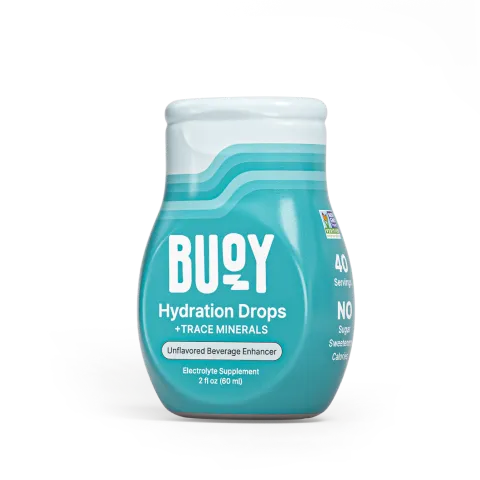
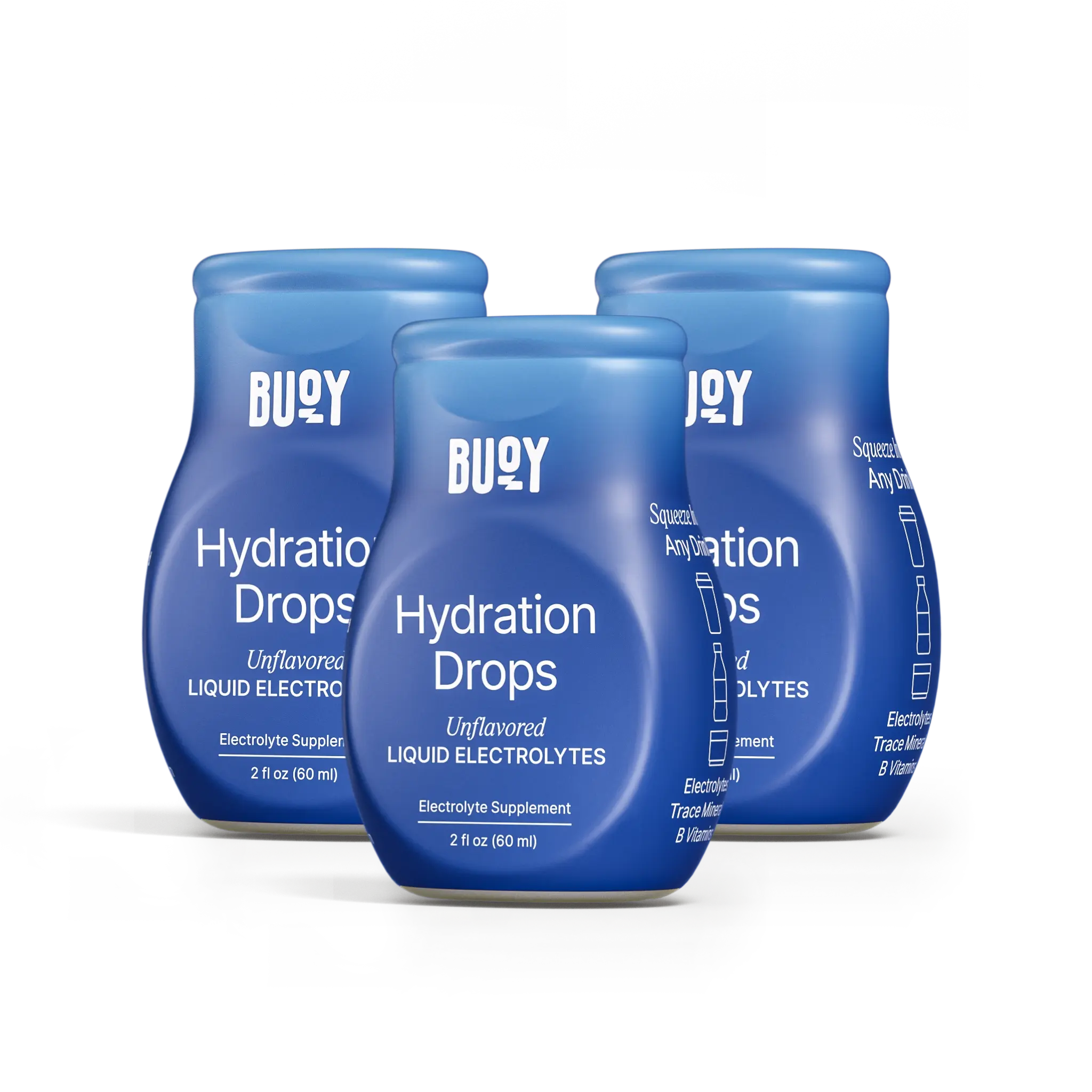
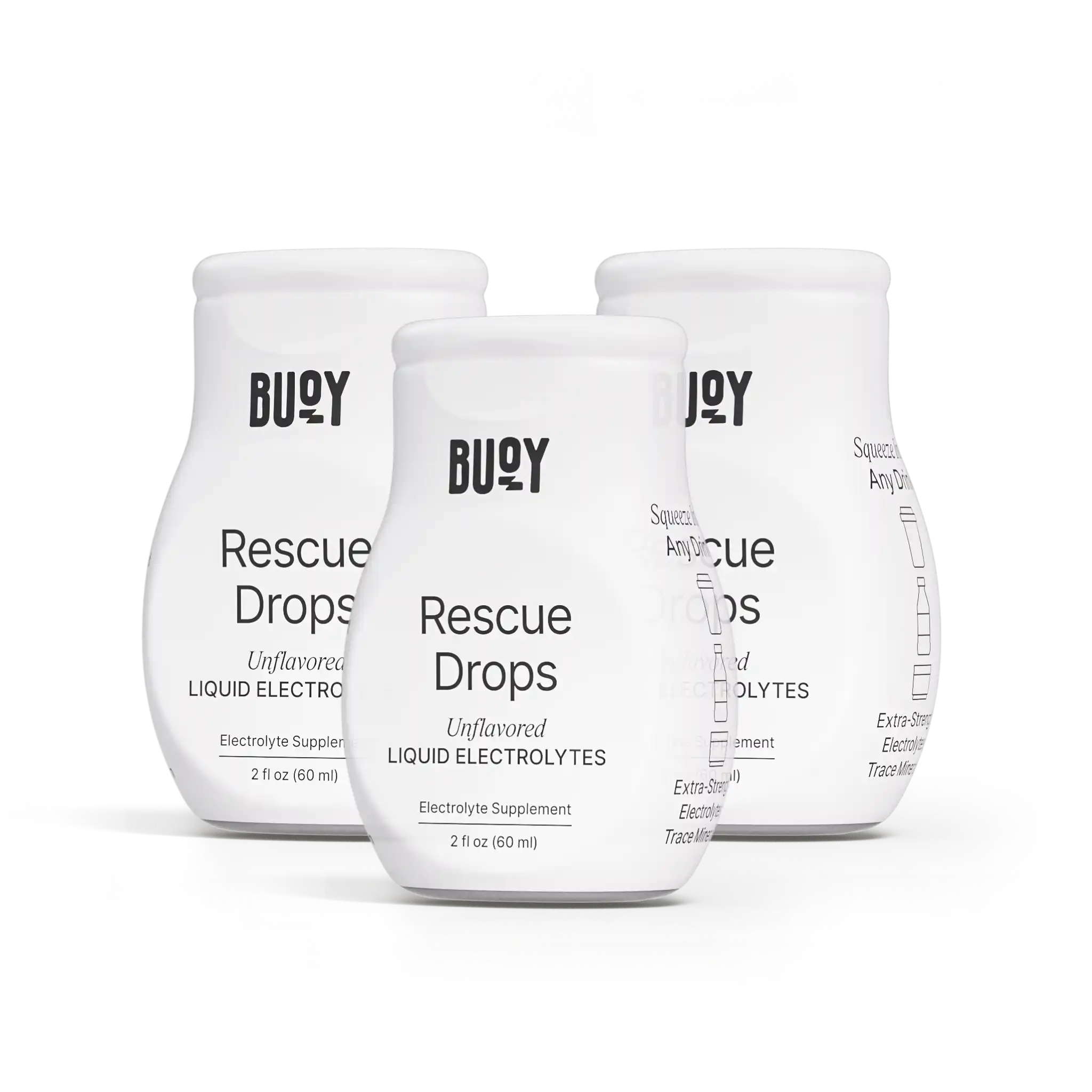
That distinction makes sugar-free sports drinks useful for people who want to manage hydration and fueling separately. Buoy Rescue Drops contain zero sugar, sweeteners, calories, or carbohydrates.
For a closer comparison with a traditional sports drink powder, learn about the differences between Buoy vs. Gatorade Powder.When to Drink Electrolytes Around a Workout
Electrolyte timing should reflect how much fluid and sodium you're likely to lose.
Before TrainingStarting exercise well hydrated is more important than trying to catch up once a workout has begun. Water may be enough before shorter sessions, while an electrolyte drink can be useful when you expect a long, hot, or particularly sweaty workout.
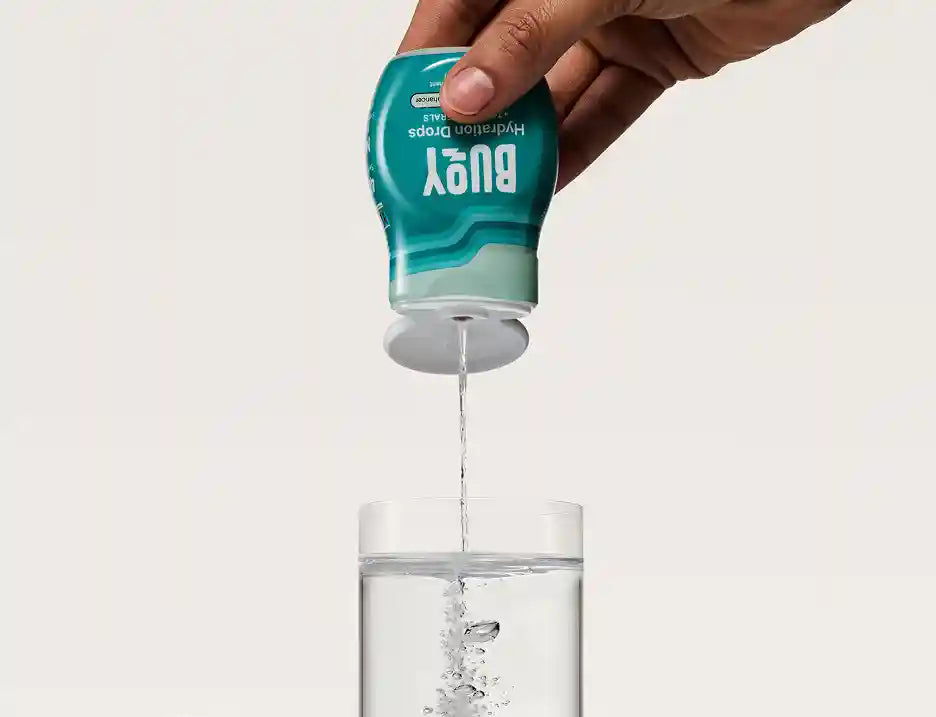
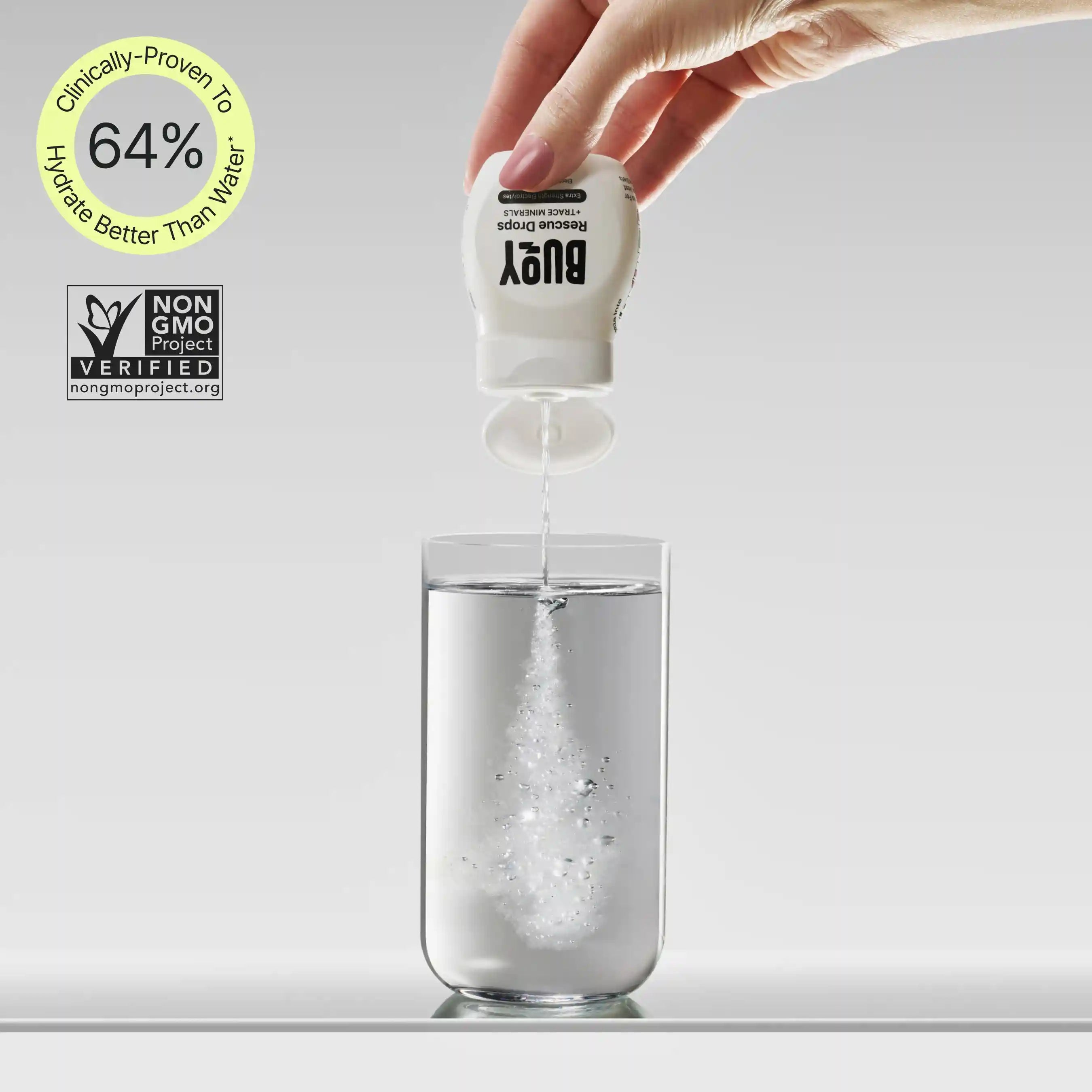
During ExerciseAs exercise duration and sweat loss increase, fluid and electrolyte replacement become more important. Adding Buoy Rescue Drops to a water bottle provides a portable way to take sodium and chloride along with your fluids.
Because Buoy comes in a liquid format, you can easily adjust how much you add based on the length and intensity of your workout.
After ExercisePost-workout hydration should account for the fluid and electrolytes you lost. Your recovery meal and other drinks can also contribute sodium, potassium, and other minerals.
For more detail on the relationship between hydration and training, read about how electrolytes influence athletic performance and recovery. 

 View Clinical Study



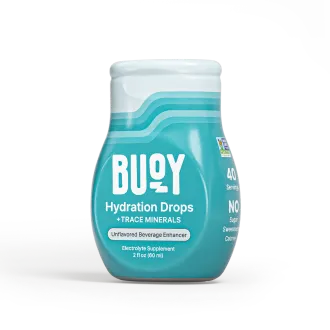
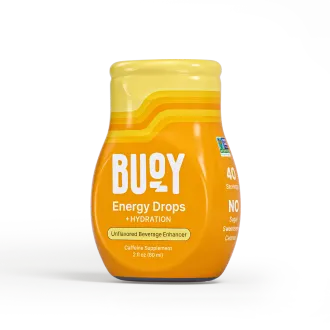
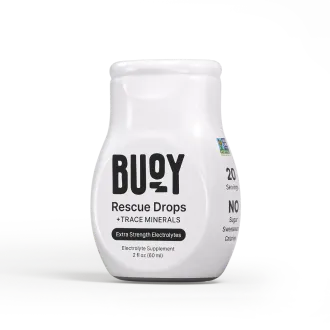

 Buoy's Clinical Study