Electrolyte Water: What It Actually Is and When You Need It
Electrolyte water is regular water with added minerals, sodium, potassium, magnesium, and calcium. It helps your body actually retain and use the fluid you drink. Plain water hydrates you, but electrolyte water supports added hydration, which is especially important when you're sweating, sick, or spending a long day in the heat.
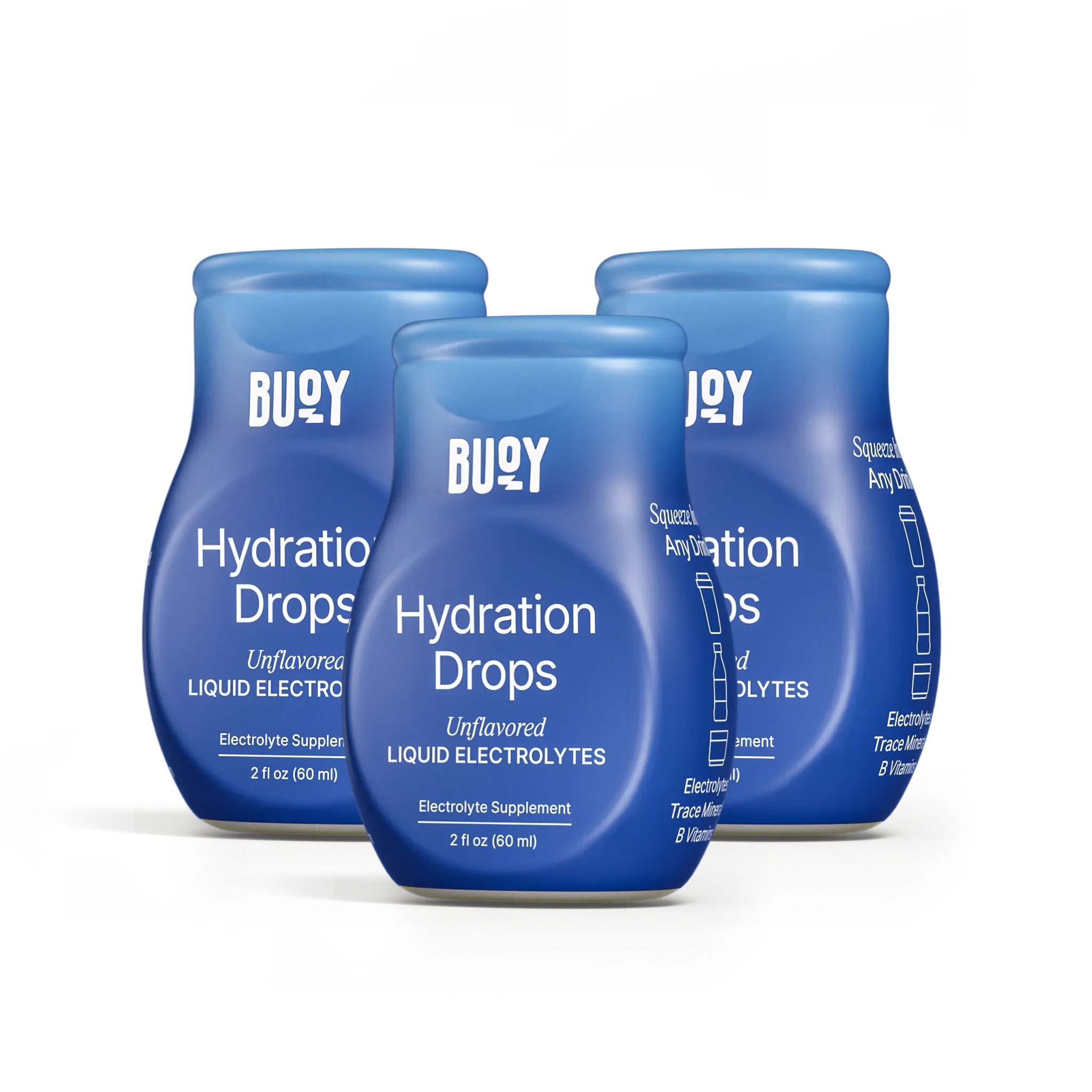
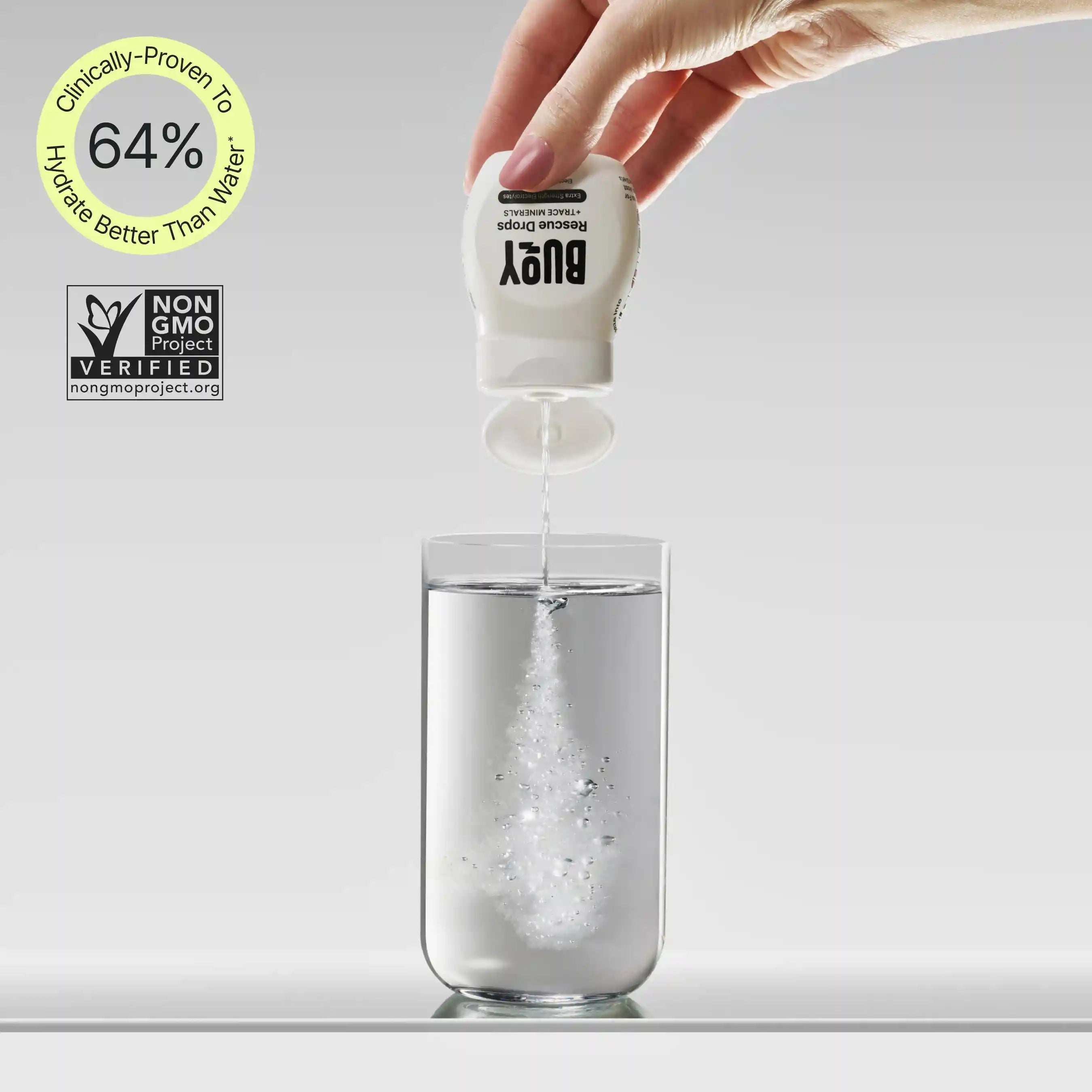
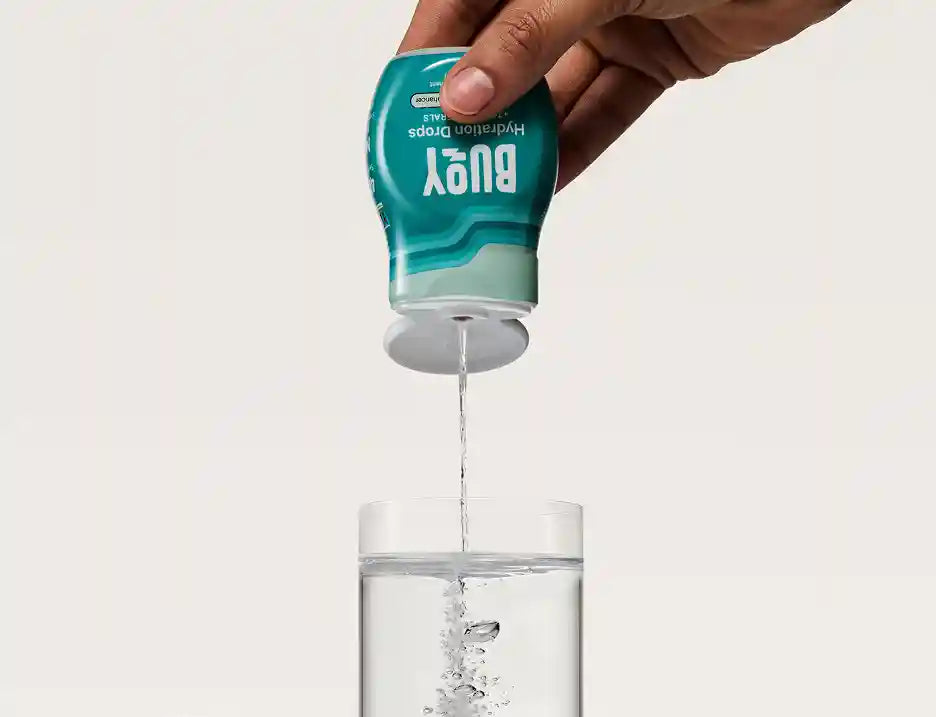
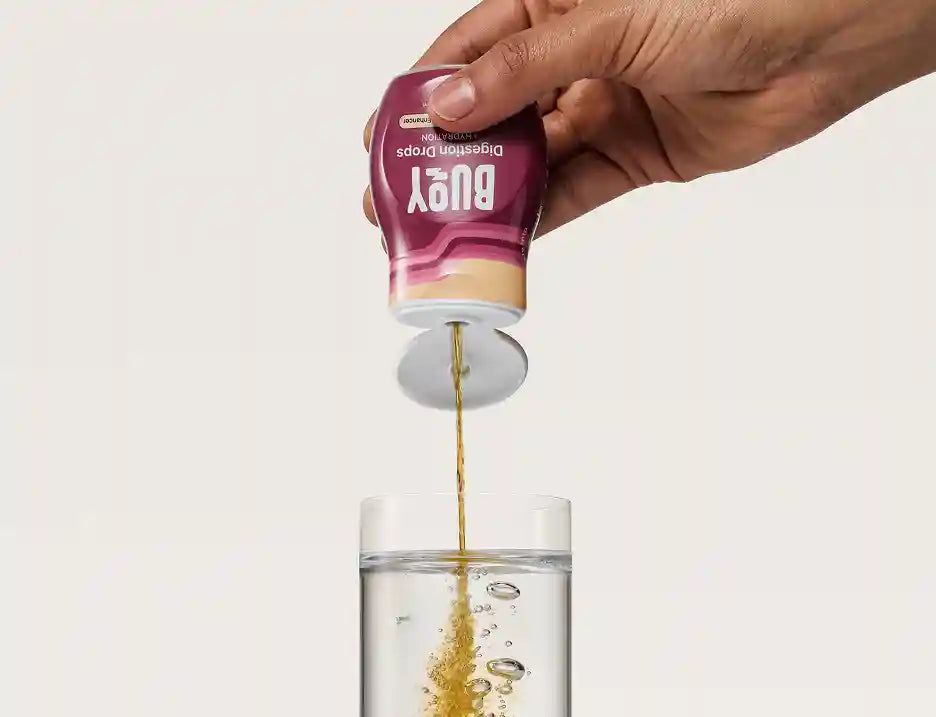
Buoy Hydration Drops turn any drink into electrolyte water with a quick squeeze. No sugar, no added flavor, no mixing required.
Sugar-Free, Unflavored Electrolyte Water in Any Drink
87+ Ocean-Sourced Trace Minerals
No Artificial Flavors, Colors, or Sweeteners
Dissolves Instantly, No Mixing Required
Hydrates 64% Better*View Clinical Study
Hydrates 64% Better*
View Clinical Study
What Is Electrolyte Water, Exactly?
Electrolytes are minerals that carry an electrical charge once dissolved in fluid. That charge is what lets your nerves fire, your muscles contract, and your cells move water in and out as needed.
Even plain tap water contains trace amounts of sodium, calcium, and magnesium, just not enough to make a meaningful difference during heavy sweating or illness. Electrolyte water provides a higher, more deliberate concentration of these minerals, so your body has more to work with when it needs them.
Explore when to use electrolytes to uncover specific timing guidelines and best practices more in-depth.
Electrolyte Water vs. Plain Water: What's Actually Different
Plain water is essential, and for most of the day, it's genuinely enough. The difference shows up specifically when your body is losing fluid faster than usual.
Situation
Plain Water
Electrolyte Water
Normal daily hydration
Sufficient for some people
For those needing added minerals beyond plain water
Exercise over 60 minutes
May not replace lost sodium
Helps replace the nutrients depleted by sweat
Illness with vomiting or diarrhea
Can dilute remaining electrolytes
Helps restore fluid and mineral balance
Heavy sweating or heat exposure
Risks under-replacing sodium
Supports fluid retention
Long flights or travel days
Adequate for most trips
Can offset dry cabin air and reduced intake
Who Needs Electrolyte Water?
Electrolyte water becomes genuinely useful in a narrower set of situations:
Exercise lasting longer than about an hour, especially in heat
Visible sweating, salt residue on skin or clothing
Vomiting or diarrhea
Extended heat exposure or physical work outdoors
Long travel days, particularly flights
Buoy is built as a zero-sugar, low-dose formula, so it fits into a daily habit without adding anything your body doesn't need. This deeper look at hydration beyond water covers why balance matters more than volume alone.
Signs You Might Actually Need More Electrolytes
A few symptoms tend to show up specifically when electrolyte levels are off, not just when you're generally thirsty:
Muscle cramps or unexplained weakness
Headache that doesn't resolve with water alone
Lightheadedness or dizziness, especially standing up
A heart rate that feels unusually fast or irregular
Sudden fatigue that doesn't match your activity level
If these show up consistently, especially alongside heavy sweating, illness, or a medical condition affecting fluid balance, it's worth talking to a doctor.
How Much Electrolyte Water Is Too Much?
Registered dietitians generally recommend avoiding products that exceed 100% of the Daily Value for sodium or other minerals in a single serving, unless your specific dietary requirements call for it.
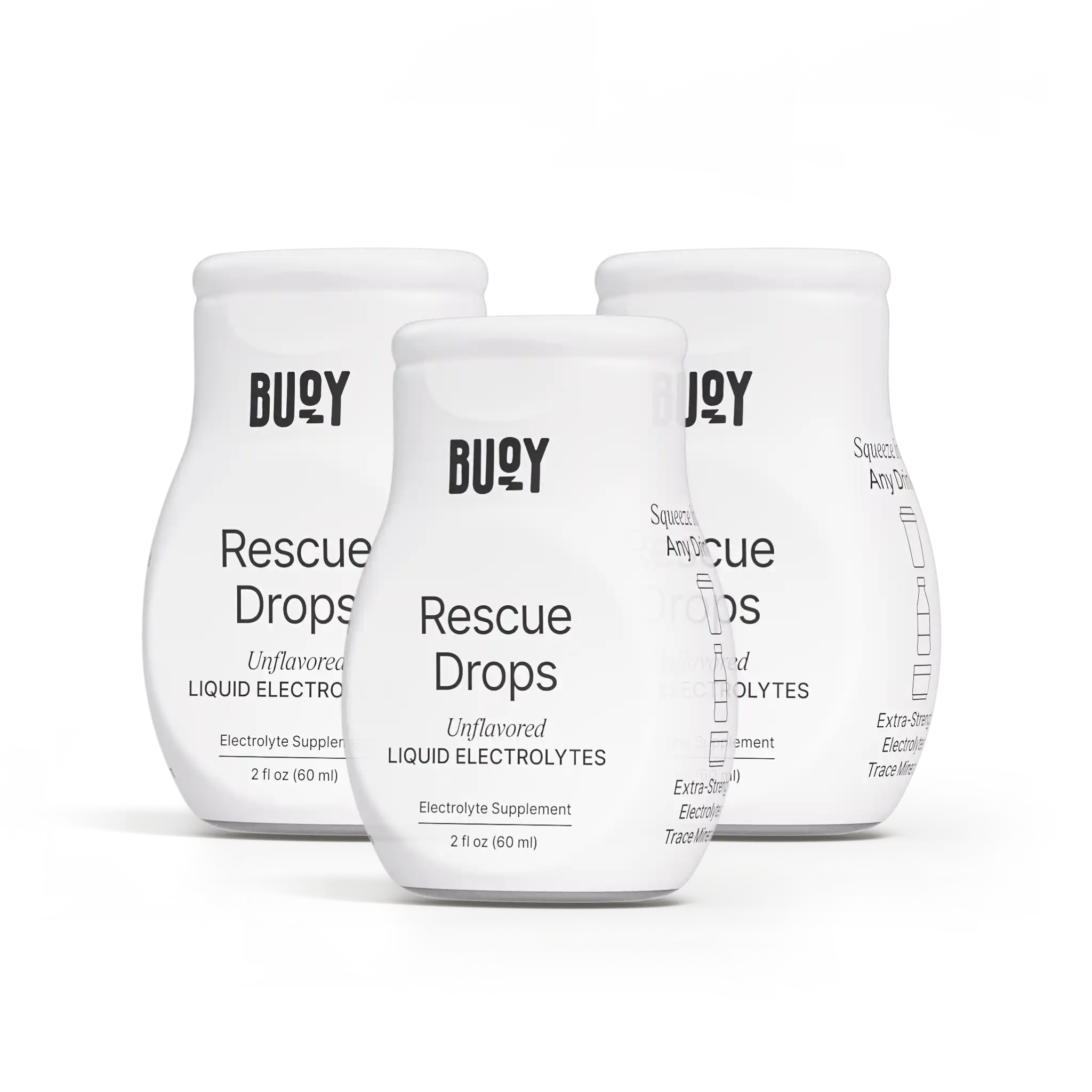
People managing kidney disease, high blood pressure, or heart conditions should talk to a doctor before making high-sodium electrolyte water a daily habit. This is also why Buoy's everyday Hydration Drops are deliberately kept at a lower, frequent-use dose. On the other hand, we do offer Buoy Rescue Drops as a high-sodium alternative.
Why Some Options for Electrolyte Water Add Sugar, and Why Buoy Doesn't
Some electrolyte drinks include a small amount of glucose alongside sodium, based on a real physiological mechanism. Sodium and glucose are absorbed together in the small intestine through a pathway called sodium-glucose cotransport, which can speed up fluid absorption. This is the same principle behind oral rehydration solutions used for serious dehydration and illness.
For everyday hydration, though, that mechanism matters far less than it does during acute illness or extreme fluid loss. Buoy skips sugar entirely, including natural sweeteners, since the formula is built for frequent, low-dose use throughout the day. See how this plays out between two specific formulas in Buoy vs. Electrolit.
0 Sugar, 0 Sweeteners
What's Actually in Buoy's Electrolyte Water Formula
Buoy Hydration Drops are unflavored, added with a quick squeeze to whatever you're already drinking. There's no separate glass to prepare and no powder to measure, just a squeeze into water, coffee, tea, or anything else on hand.
Clinically proven to hydrate 64% better than water alone and 49% better than a leading competitor
Zero sugar, zero sweeteners, zero artificial flavors or colors
Ocean-sourced sodium, potassium, magnesium, and calcium
87+ additional ionic trace minerals
B vitamin complex to support absorption
Non-GMO, vegan, and free from major allergens
Third-party tested, so the label reflects what's actually in the bottle
Because Buoy is unflavored, it works in whatever you're already drinking rather than requiring a separate glass.
Morning coffee or tea
A workout bottle before, during, or after exercise
Water during a flight or long car ride
A glass of water alongside a meal
A quick squeeze is one serving, and it doesn't noticeably change the taste of most drinks.
How Buoy's Sugar-Free Electrolytes Stack Up
Compare Buoy with leading competitors:
No Sugar, Sweeteners
87 Trace Minerals
Harvested Salt Source
Bioavailable
Clinical Study
Add To Any Drink
Cost Per Serving
Highly
$0.25
Low
$1.53+
Electrolyte Water Support for Chronic Illness
Maintaining fluid and sodium balance is part of daily symptom management for many people living with POTS, dysautonomia, ME/CFS, IBS, autoimmune disorders, or Long COVID. Consistent electrolyte water intake matters more for this group than it does for the average healthy adult drinking it occasionally.
35% off for life
Approval in about 2 minutes
Covers POTS, dysautonomia, ME/CFS, Long COVID, IBS, autoimmune disorders, and 20+ other chronic conditions
Frequently Asked Questions About Electrolyte Water
What is electrolyte water?
Electrolyte water is water with added minerals that support fluid balance, nerve signaling, and muscle function. These minerals typically include:
Sodium
Potassium
Magnesium
Calcium
*Chloride (depending on the electrolyte brand, Buoy includes chloride in most electrolytes)
Plain water contains trace amounts of these minerals naturally, but electrolyte water adds a higher, more deliberate concentration for situations where your body is losing fluid faster than usual.
Is it okay to drink electrolyte water every day?
For most healthy adults, drinking a low-sugar electrolyte water daily isn't harmful. It's worth being more selective with high-sodium formulas meant for intense exercise or illness.
What should I look for on an electrolyte water label?
A few things matter more than flavor when comparing products:
Sodium content, since it's the electrolyte most directly tied to fluid retention.
Added sugar, which isn't necessary for everyday hydration and adds unnecessary calories.
Artificial sweeteners or dyes, worth checking if you're trying to avoid them specifically.
Third-party testing, which verifies the label matches what's actually in the bottle.
How often should I drink electrolyte water?
It depends entirely on the situation. During intense exercise, illness, or heavy sweating, several servings throughout the day may be appropriate. For general daily hydration, a lower-dose, sugar-free formula used a few times a day, like Buoy's, may fit into your routine well.
Is electrolyte water good for you?
It can be, particularly during exercise longer than an hour, illness involving vomiting or diarrhea, or extended heat exposure. Choosing a formula without added sugar or artificial ingredients matters more for daily use than choosing the highest-sodium option available.
Can electrolyte water help with headaches or fatigue?
Dehydration is a common contributor to both headaches and fatigue, and restoring fluid and sodium balance can help resolve dehydration-related symptoms. If headaches or fatigue persist despite adequate hydration, they may be caused by something other than fluid loss. In that case, i's worth checking with a doctor.
What's the difference between electrolyte water and a sports drink?
Sports drinks typically include added sugar to fuel muscles, since a small amount of glucose can also speed up fluid absorption. Electrolyte water without added sugar, like Buoy, is built for everyday hydration where that glucose-driven absorption boost matters less than avoiding unnecessary calories.
Who should be cautious with high-sodium electrolyte water?
A few groups should check with a doctor before making high-sodium electrolyte water a regular habit:
People managing kidney disease
Anyone with high blood pressure
People with a heart condition
Those taking medications that affect sodium or potassium levels
“Electrolyte boost without any sweetness whatsoever.”
“Electrolyte boost you can add to coffee, tea, and even alcohol.”
“Drops supply calming energy and immune support.”
“Purposefully unflavored which means sugar-free, stevia, and sweetener-free.”
“Many of the 87 trace minerals in Buoy aren’t found in the conventional diet.”
“Anti-bloat liquid electrolyte drops."
“Buoy help broaden understanding of chronic illness.”
The world's first unflavored functional beverage additive.
“Buoy is also third-party tested, which isn’t common for electrolytes.”
Real People, Real Health Journeys
Choosing a selection results in a full page refresh.