





When to Use Electrolytes: Your Guide to Staying Hydrated
Have you ever experienced a sudden drop in energy during your workout, felt sluggish on a hot day, or struggled to bounce back from a stomach bug? All these experiences are signals from your body that it needs the right balance of electrolytes.
Electrolytes are more than just a sports drink buzzword. They're essential minerals that power our bodies' most basic functions from muscle contractions to nerve signaling. Recognizing when to use electrolytes can be the key to unlocking a new level of health and hydration.
Essential Takeaways:
- Recognizing when to use electrolytes (such as fatigue during exercise, lethargy in heat, or dehydration from illness) is crucial. These signs tell you when it's time to replenish your electrolyte balance to maintain optimal health and hydration.
- Premium electrolyte and mineral drops offer a convenient and efficient way to restore electrolytes without the added sugars or artificial ingredients found in traditional sports drinks. Incorporating these drops into your daily beverage routine can support your wellness journey, ensuring you stay hydrated and balanced no matter your lifestyle.
Today, we’re exploring the crucial moments your body needs these minerals the most, whether you're sweating out your latest gym session, trying to stay cool in the summer heat, recovering from illness, or managing a chronic condition. Let’s get started!
- When to Use Electrolytes: Key Scenarios
- Not Sure You Need Electrolytes? Use This Quick Filter
- Electrolytes for Workouts: Before, During, or After?
- Can I Drink Electrolyte Water Every Day?
- Important Safety Notes (Especially If You’re Using Electrolytes Frequently)
- Supporting Hydration Needs in Chronic Conditions with Buoy
- How Buoy Makes Electrolyte Replenishment Easy
- Integrating Buoy into Your Daily Routine
- Testimonials: Real Feedback from Buoy Users
- Buoy and Chronic Illness Support

When to Use Electrolytes: Key Scenarios
Electrolytes are crucial for maintaining health and well-being, playing a pivotal role in situations that challenge our body's electrolyte and hydration balance. Recognizing the essential times for electrolyte replenishment is key to supporting your body’s needs effectively.
After Intense Exercise
During intense exercise, our bodies lose significant amounts of sweat, which contains not just water but essential electrolytes like sodium and potassium. Replenishing these electrolytes is vital for muscle recovery, helping to prevent cramps and ensuring you're ready for your next workout (1).
During Hot Weather
In hot weather, the body sweats more in an effort to cool down, leading to a substantial loss of vital electrolytes. It's crucial to maintain electrolyte intake during these times to prevent heat-related illnesses and to keep your body functioning optimally (2).
While Recovering From Illness
Recovering from illness, especially conditions that cause vomiting or diarrhea, can quickly lead to dehydration and disrupt your electrolyte balance. Prompt replenishment of electrolytes during such times is essential for a speedy recovery, helping you rehydrate and restore balance effectively (3).
Understanding these key scenarios where electrolyte replenishment is essential allows for better management of your health and hydration levels, ensuring you can tackle your day with energy and vitality.
When to Use Electrolytes (Quick Decision Guide)
Electrolytes can be helpful any time your body is losing fluids or struggling to hold onto them. Consider adding electrolytes when:
-
You’re sweating heavily (exercise, sauna, hot yoga, summer heat, warm indoor workouts)
-
You’re doing longer endurance sessions (especially running, cycling, hiking)
-
You’re recovering from vomiting or diarrhea
-
You’re feeling classic dehydration signs like headache, unusual fatigue, muscle cramps, dizziness, or “cotton mouth”
- You’re urinating frequently and your hydration doesn’t seem to “stick” (this can happen with heat exposure, travel, or higher caffeine/alcohol intake)
If symptoms are severe (fainting, confusion, inability to keep fluids down), seek medical care.
Not Sure You Need Electrolytes? Use This Quick Filter
You don’t need to treat every workout like a marathon. Here’s a simple way to decide:
-
If your workout is under ~45–60 minutes and not very sweaty: water + normal meals are often enough.
-
If it’s ~60–90 minutes, more intense, or you’re sweating a lot: consider electrolytes before or after (or both if it’s hot).
- If it’s 90+ minutes, high intensity, or hot/humid: you’ll usually do best with a plan that includes before + during + after.
A helpful reference point: one common estimate for an average sweat rate is around 0.5 liters per hour, though individuals vary a lot.
How to Estimate Your Sweat Rate (So You Can Personalize Electrolytes)
Your needs are personal because sweat loss is personal. One of the simplest ways to estimate sweat rate is a quick weigh-in method:
-
Weigh yourself before exercise (minimal clothing, after using the bathroom if possible).
-
Do your workout as normal.
-
Weigh yourself after exercise (same conditions).
- Convert weight lost to fluid: ~1.1 lb lost ≈ ~17 fl oz per hour (roughly), that’s about 2 cups
If you consistently lose a lot of weight during workouts, you’re likely a heavier sweater and may benefit from being more intentional with electrolytes (especially in heat).
Electrolytes for Workouts: Before, During, or After?
If you’re active, timing can matter just as much as whether you use electrolytes. A good rule: the longer, hotter, or harder the session, the more likely you’ll benefit from a planned approach.
Before a workout (prep):
Electrolytes may help before exercise when you expect a bigger sweat loss; think heat, humidity, or higher intensity. Pre-hydrating can be especially useful if you tend to start workouts already under-hydrated (common first thing in the morning) or if you’ve had cramps, headaches, or early fatigue in the past.
During a workout (maintenance):
You typically don’t need electrolytes mid-workout for short, easy sessions. But for longer efforts, hotter conditions, or heavy sweaters, adding electrolytes during exercise can help you maintain hydration and performance rather than playing catch-up later.
After a workout (recovery):
Post-workout electrolytes help replace what you lost through sweat. Especially sodium, which is the main electrolyte lost in the largest amounts. After bigger sessions, pairing fluids + electrolytes tends to rehydrate you more effectively than fluids alone.
When to Use Electrolytes for Running
Running tends to drive higher sweat and fluid loss than many other workouts; especially outdoors, in the sun, or over longer distances. You’ll most likely benefit from electrolytes when:
-
you’re running longer than ~60 minutes
-
it’s hot, humid, or sunny
-
you’re a heavy sweater or you see salt streaks on clothing
- you’ve had issues with cramps, headaches, nausea, or dizziness on runs
Practical approach for many runners:
-
Short easy runs: water is often enough
-
Moderate/long runs: electrolytes before and/or after
- Long runs or hot runs: electrolytes during can help keep energy and hydration steadier
If you frequently get stomach issues while running, consider smaller, more frequent sips rather than large gulps.
Can I Drink Electrolyte Water Every Day?
For many people, electrolytes can fit into a daily routine; especially if you sweat regularly, live in a hot climate, or feel better when your hydration “sticks.” That said, daily electrolyte use isn’t required for everyone.
Daily electrolytes may make sense if you:
-
exercise most days (especially sweaty workouts)
-
work in heat or travel often
-
have frequent headaches/cramps tied to dehydration
- are following guidance from a clinician for a specific condition
You may not need them daily if you:
-
do light exercise and don’t sweat much
-
already eat a balanced diet and hydrate well
- notice bloating or thirst increasing when you add more electrolytes (a sign you might be overdoing it)
Important Note:
If you have kidney disease, heart failure, or are on medications that affect fluid/electrolyte balance, check with a clinician before increasing electrolyte intake regularly.
Important Safety Notes (Especially If You’re Using Electrolytes Frequently)
Electrolytes are essential but more isn’t always better.
-
If you have kidney disease, heart failure, uncontrolled blood pressure, or you take medications that affect fluid/electrolyte balance, check with a clinician before significantly increasing electrolyte intake.
-
Overhydration can also be risky during prolonged endurance exercise if you drink excessive plain water without replacing sodium. This can contribute to exercise-associated hyponatremia (low blood sodium), which can become serious.
- For most everyday situations, electrolytes should support hydration. Not replace a balanced diet and appropriate fluid intake.
Supporting Hydration Needs in Chronic Conditions with Buoy
Buoy is dedicated to aiding those with chronic conditions by ensuring they maintain hydration and electrolyte balance. These conditions include but are not limited to:
-
Postural Orthostatic Tachycardia Syndrome (POTS) & Dysautonomia: Affects the autonomic nervous system, disrupting fluid and electrolyte balance.
-
Cystic Fibrosis (CF): Causes significant salt loss in sweat, requiring careful management.
-
Diabetes: High blood sugar can lead to increased urination and loss of fluids and electrolytes.
-
Chronic Fatigue Syndrome (CFS), Lyme Disease, and Multiple Sclerosis (MS): Leads to decreased activity and altered fluid intake.
-
Crohn’s Disease and Other Gastrointestinal Disorders: Can impair nutrient and electrolyte absorption, making supplementation necessary.
-
During and After Chemotherapy: Treatment can lead to dehydration, making electrolyte drops a supportive aid in recovery.
-
Immunodeficiencies and Eating Disorder Recovery: Both conditions require careful attention to overall nutrition and hydration.
- Sjogren’s Disease: Affects moisture-producing glands, potentially disrupting the body's hydration and electrolyte levels.
Integrating premium electrolyte and mineral drops into your daily routine can significantly aid in managing these conditions, ensuring you remain hydrated and your electrolyte levels balanced.
How Buoy Makes Electrolyte Replenishment Easy
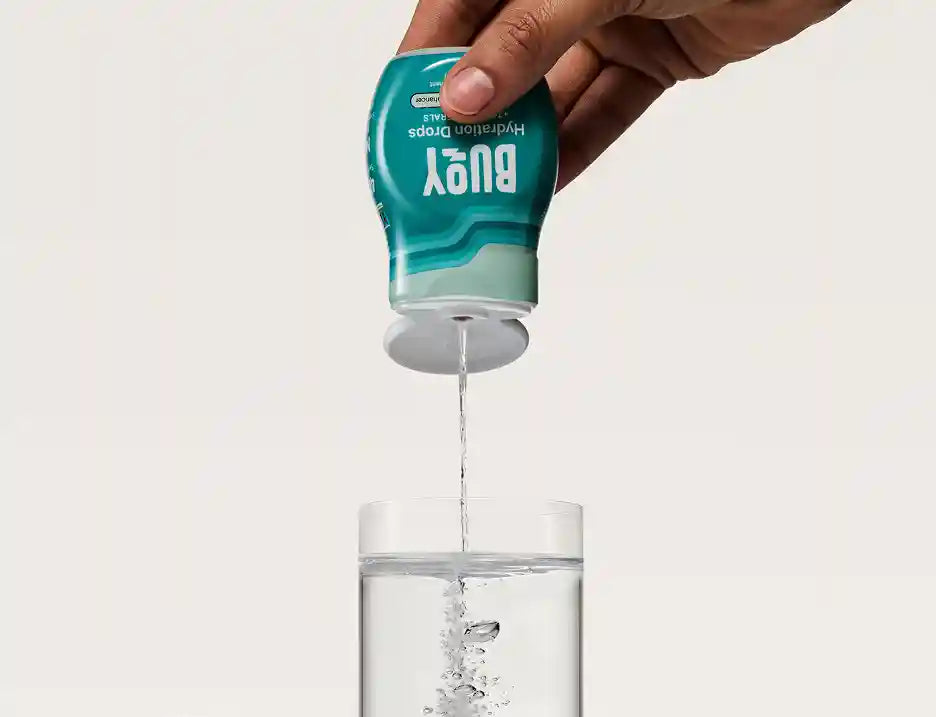
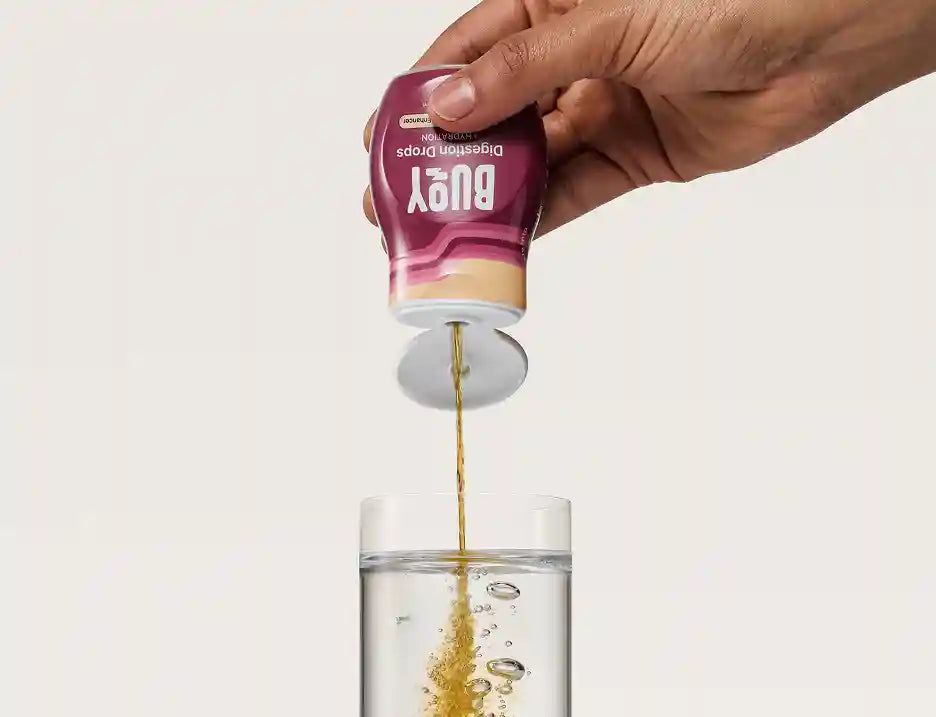
Replenishing your body's electrolytes has never been easier, thanks to Buoy's innovative hydration drops. Designed with your health and convenience in mind, these drops pack a powerful punch of essential minerals without any unnecessary additives.
Here's why Buoy stands out:
- Sugar-Free and Stevia-Free: Enjoy the benefits of electrolytes without the sugar high or aftertaste that comes with many sweeteners.
- Unflavored: Buoy is purposely unflavored, so you can add it to any beverage—even alcohol!
- Vegan and Non-GMO: Made with everyone in mind, Buoy's ingredients are ethically sourced and suitable for a wide range of dietary preferences.
- High Bioavailability: This means your body absorbs these essential electrolytes and minerals more efficiently, providing quicker hydration and recovery.
Adding Buoy to your beverage is straightforward: just a few drops into whatever you're drinking, and you're good to go. This simplicity ensures that staying hydrated and maintaining electrolyte balance is achievable no matter where you are or what you're doing.
Discover how to restore your electrolytes in record time with our guide, How to Hydrate Quickly and Effectively.

Integrating Buoy into Your Daily Routine
Incorporating Buoy into your daily hydration routine is effortless and can significantly boost your electrolyte intake without disrupting your day. Here are some practical tips to make the most out of Buoy:
-
Morning Kickstart: Add Buoy to your morning coffee or tea. It's a great way to ensure you start your day with balanced hydration, especially if you're not a big fan of drinking water first thing in the morning.
-
Workout Companion: Whether it's pre-workout hydration or post-workout recovery, a few drops in your water bottle can help replenish lost electrolytes and aid in muscle recovery.
-
Hydration On the Go: Keep a bottle of Buoy in your bag or at your desk. A quick squeeze into your water throughout the day can help you stay hydrated, especially in air-conditioned or heated environments where you might not notice sweat loss.
- Evening Wind-Down: Adding Buoy to your evening herbal tea or alcoholic drink can help your body recover overnight, ensuring you wake up refreshed and well-hydrated.
With Buoy Hydration Drops, enhancing your daily fluid intake to meet your body's electrolyte needs becomes second nature. These simple, adaptable tips ensure that whether you're starting your day, powering through a workout, staying hydrated on the move, or winding down at night, you're always just a squeeze away from balanced hydration.
Want to hydrate without drinking tons of water? Our comprehensive blog post, How to Hydrate Without Water, will teach you that water isn’t the only way to optimize your hydration and electrolyte balance.
Best Time to Drink Electrolytes: Morning or Night?
There isn’t one “perfect” time. What matters is matching electrolytes to when you lose fluids or feel the effects of dehydration.
Morning can be a good time if:
-
you wake up feeling dry or sluggish
-
you drink coffee early (caffeine can increase urination for some people)
- you’re working out soon and want to start hydrated
Evening can be a good time if:
-
you trained late and want to support overnight recovery
-
you spent the day in heat or traveling and feel depleted
- you’re winding down and want hydration without adding sugar
If you’re sensitive to nighttime bathroom trips, keep evening fluids moderate and sip earlier rather than right before bed.
Testimonials: Real Feedback from Buoy Users
Discover the impact of Buoy from real people just like you who have experienced the difference firsthand.
“Buoy's electrolyte drops have been a lifesaver for managing my chronic migraines, fibromyalgia, and seizures. With their convenient use and minimal taste, I can now enjoy plain water again and easily stay hydrated wherever I go. The chronic illness discount is a huge help, and I'm grateful for a product that truly improves my quality of life without artificial additives or excessive sugar.” – Rachel C.
"As a type 1 diabetic, dehydration is a constant struggle for me, leading to lethargy, headaches, and dull skin. Incorporating them into my daily routine has improved my hydration, sleep quality, and even helped regulate my blood sugar levels. Plus, their simplicity and versatility make them easy to use wherever I go. Thank you, Buoy, for creating such a helpful product!" – Robert A.
“Managing my Ehlers-Danlos Syndrome and POTS used to be challenging and costly until I discovered Buoy's reduced price program for the chronic illness community. Big thanks to Buoy for the support and understanding the financial strain on those of us managing chronic conditions." – Terisa S.
Buoy Hydration Drops are designed to fit seamlessly into your lifestyle, ensuring you can easily maintain optimal hydration and electrolyte balance every day.
Buoy and Chronic Illness Support
Buoy recognizes the unique challenges faced by individuals managing chronic illnesses and is committed to providing targeted support through hydration and electrolyte replenishment.
Targeting Specific Challenges: POTS, CF, CFS, and More
Our hydration drops are specifically designed to support the needs of those with conditions such as Postural Orthostatic Tachycardia Syndrome (POTS), Cystic Fibrosis (CF), Chronic Fatigue Syndrome (CFS), Lyme Disease, Multiple Sclerosis (MS), Crohn’s Disease, and many others.
Integrating Buoy into Your Daily Routine
By integrating premium electrolyte and mineral drops into your daily routine, you can significantly aid in managing these conditions, ensuring you remain hydrated and your electrolyte levels balanced.
Buoy’s reduced price program for the chronic illness community further demonstrates our commitment to supporting those facing the financial strain of managing their health.
Start Your Journey to Better Health with Buoy Today
Discover how Buoy can make a difference in your life by incorporating our hydration drops into your daily regimen. Experience the convenience, effectiveness, and support Buoy offers for individuals navigating the challenges of chronic illness.
Try Buoy’s collection of hydrating wellness drops today and take the first step toward better hydration and electrolyte balance.
Learn More About Buoy Hydration Drops

References:
-
Shirreffs, S. M., et al. (2004). Fluid and Electrolyte Needs for Preparation and Recovery from Training and Competition. Journal of Sports Sciences, 22(1), pp. 57–63. Retrieved from https://www.tandfonline.com/doi/abs/10.1080/0264041031000140572
-
Shrimanker I, Bhattarai S. (Updated 2023, January 24). Electrolytes. In: StatPearls [Internet]. Treasure Island (FL): StatPearls Publishing. Retrieved from https://www.ncbi.nlm.nih.gov/books/NBK541123/
- Healthline. (2019). Electrolytes: Functions, Imbalance, and Sources. Retrieved from https://www.healthline.com/nutrition/electrolytes