4.8 out of 5
4.8/5 out of 5,377 reviews

Best Salt for Electrolytes (Choosing the Right Sodium Source for Hydration)

The best salt for electrolytes does more than add flavor. It helps support hydration, fluid balance, and electrolyte replenishment.

While sodium is the primary electrolyte found in salt, not all salts are created equal. Processing methods, mineral content, and purity can all influence how well a salt fits into a hydration-focused routine.

For athletes, frequent travelers, people following low-carb diets, and anyone looking to replenish electrolytes more intentionally, a mineral-rich salt can be an important part of daily hydration support.

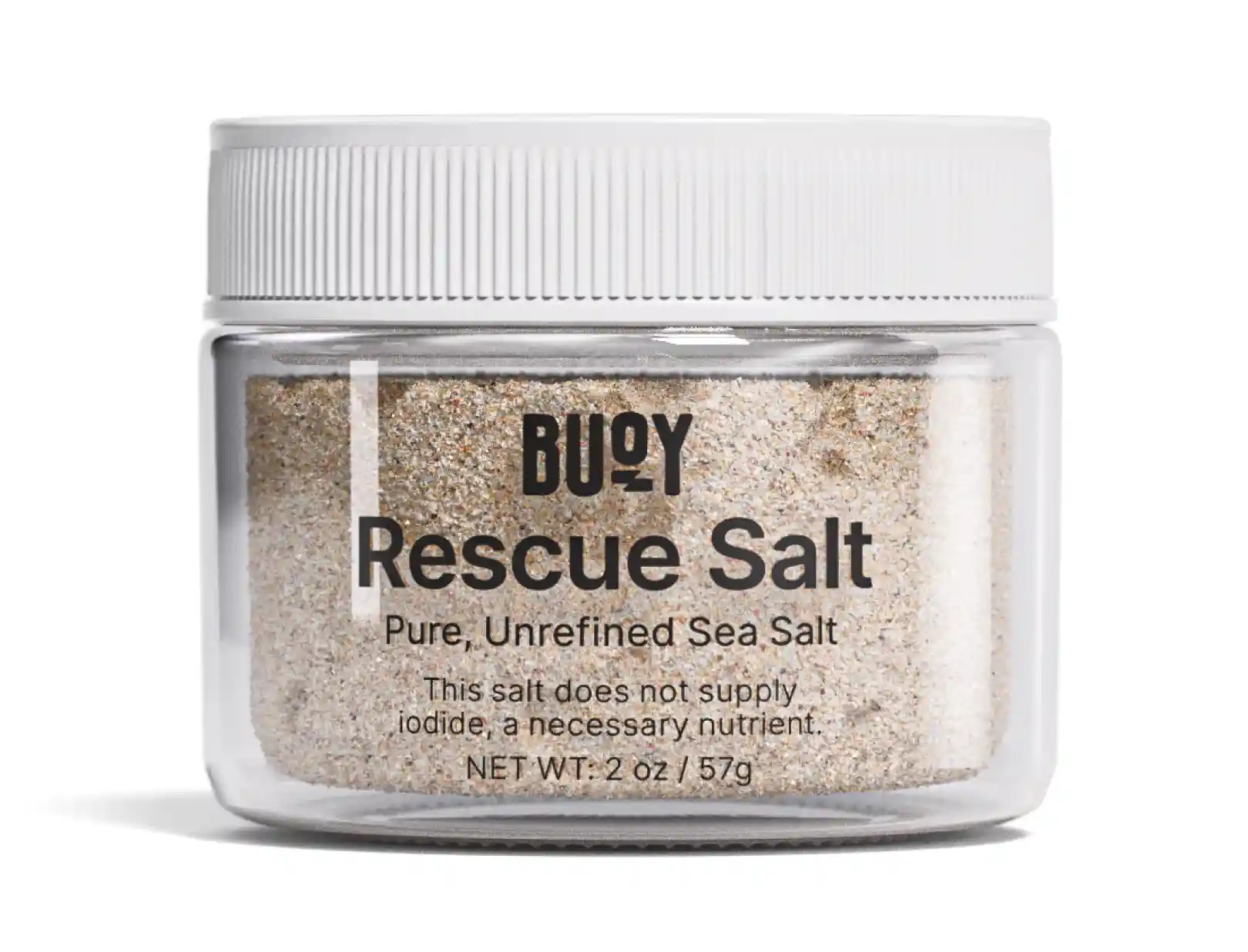
Buoy Rescue Salt is an unrefined, solar-evaporated sea salt that delivers sodium alongside 83+ naturally occurring trace elements. It has no additives, anti-caking agents, or unnecessary ingredients.
Mineral-Rich Salt for Electrolyte Support
Unrefined & Solar-Evaporated
83+ Naturally Occurring Trace Elements
Supports Hydration & Fluid Balance
No Additives or Anti-Caking Agents
Dissolves on Tongue, in Drinks, or on Food
Designed for Daily Sodium & Mineral Replenishment
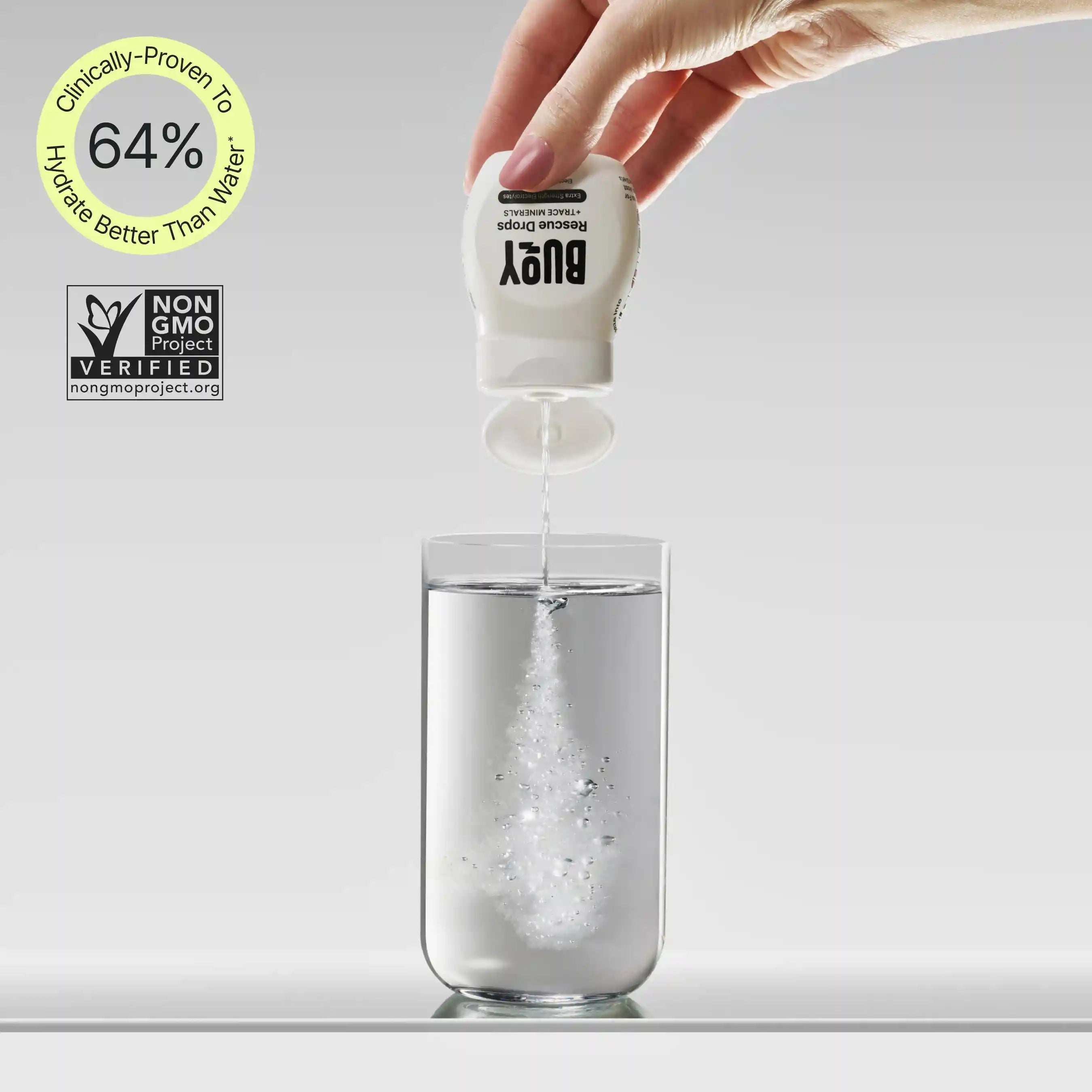
Hydrates 64% Better*View Clinical Study
Hydrates 64% Better* View Clinical Study

The Role of Sodium in Everyday Hydration

Sodium is one of the body's primary electrolytes and plays a critical role in hydration.

It helps:
  • Regulate fluid balance
  • Support water retention
  • Maintain blood volume
  • Assist nerve signaling
  • Support muscle function
When sodium levels become depleted through sweating, heat exposure, exercise, illness, or other causes of fluid loss, hydration can become more difficult to maintain.

This is one reason sodium remains a foundational ingredient in many electrolyte products and hydration strategies. Learn about salt deficiency symptoms, so you can take preventative measures before they happen.
Key Qualities of an Electrolyte-Friendly Salt
Not all salts are created with hydration in mind. Some salts undergo extensive refinement, while others retain more of their naturally occurring mineral content.

For people specifically looking to support hydration and electrolyte balance, the source and processing method of salt often matter just as much as sodium content itself. When researching the best salt for electrolytes, consider:

Factor

Why It Matters

Sodium ContentSupports hydration and fluid balance
Trace MineralsComplements electrolyte intake
Minimal ProcessingPreserves natural mineral content
No AdditivesAvoids unnecessary ingredients
Easy Daily UseSupports consistency
Versatile FormatWorks in food or beverages


Discover the danger of low sodium levels.
Not Every Salt Is Designed for Electrolyte Support
Salt is often viewed as a simple pantry staple, but not all salt products are designed to support hydration.

Many conventional table salts are heavily refined and may contain:
  • Anti-caking agents
  • Processing additives
  • Bleaching agents
  • Reduced trace mineral content
For people seeking a salt specifically for electrolyte replenishment, minimally processed options are often preferred because they retain more of their naturally occurring mineral profile.
The Connection Between Salt and Hydration
Hydration isn't just about how much water you drink. It's also about how effectively your body uses and retains those fluids.

Sodium plays an important role in this process by helping regulate fluid movement throughout the body. This is why sodium is often one of the first electrolytes replenished after sweating, exercise, or prolonged heat exposure. Learn about the surprising benefits of including sodium in your diet.

Situations that may increase electrolyte and sodium needs include:
  • Intense exercise
  • Heavy sweating
  • Hot weather
  • Travel
  • Intermittent fasting
  • Low-carb diets
  • Increased physical activity

Rescue Salt: A Mineral-Rich Salt for Electrolyte Replenishment

When people search for the best salt for electrolytes, they're often looking for more than sodium alone. That's where Buoy Rescue Salt stands out.

Harvested from pristine marine waters and solar evaporated rather than heavily refined, Rescue Salt delivers sodium alongside 83+ naturally occurring trace elements in their native forms.

Unlike many highly processed salts, Rescue Salt is designed to support hydration without additives, anti-caking agents, artificial ingredients, or chemical processing.
Unrefined, Solar-Evaporated Sea Salt
83+ Trace Elements
Supports Sodium & Electrolyte Replenishment
Dissolves on Tongue, in Beverages, or on Food
No Additives or Anti-Caking Agents
Designed for Hydration, Recovery, and Mineral Support
View Clinical Study
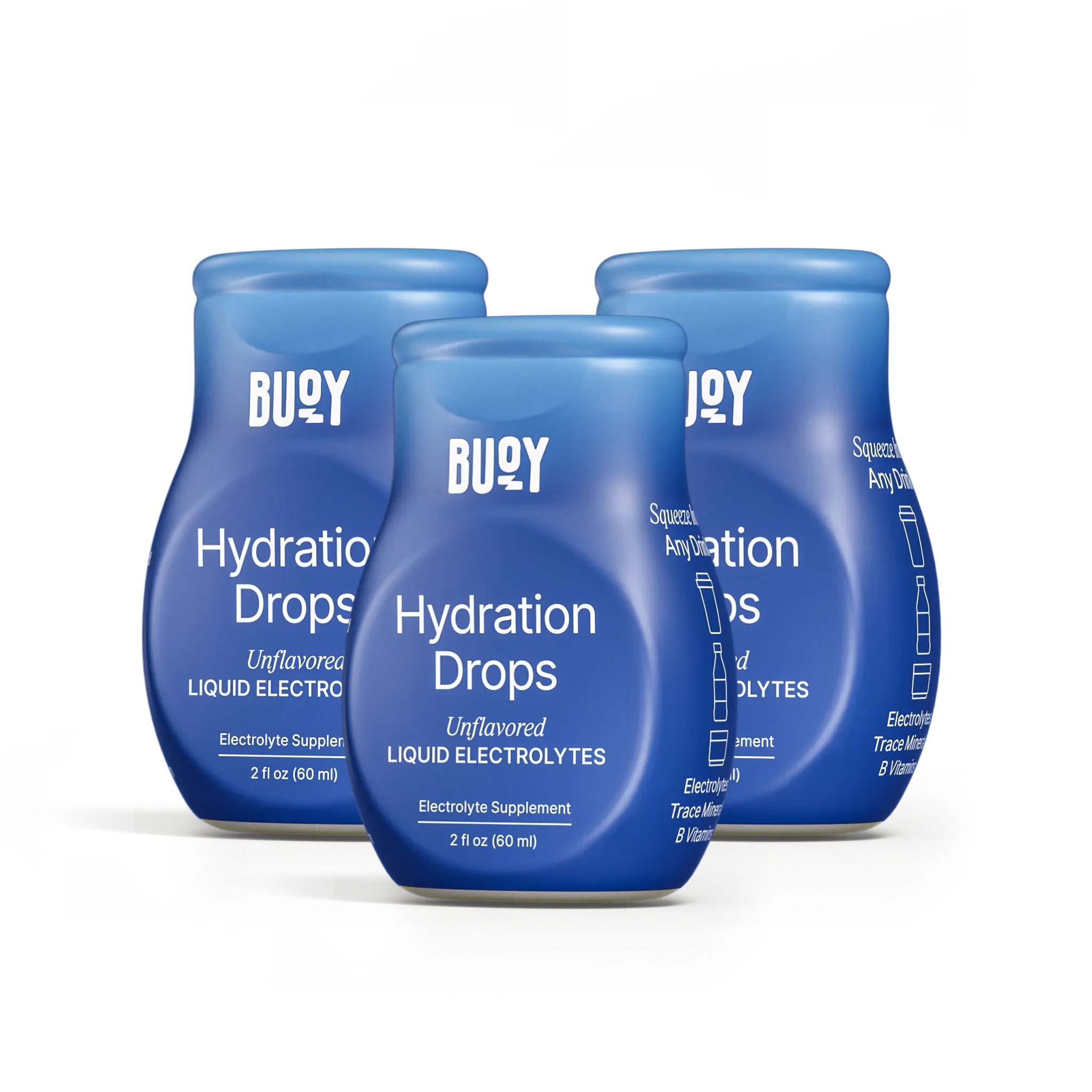
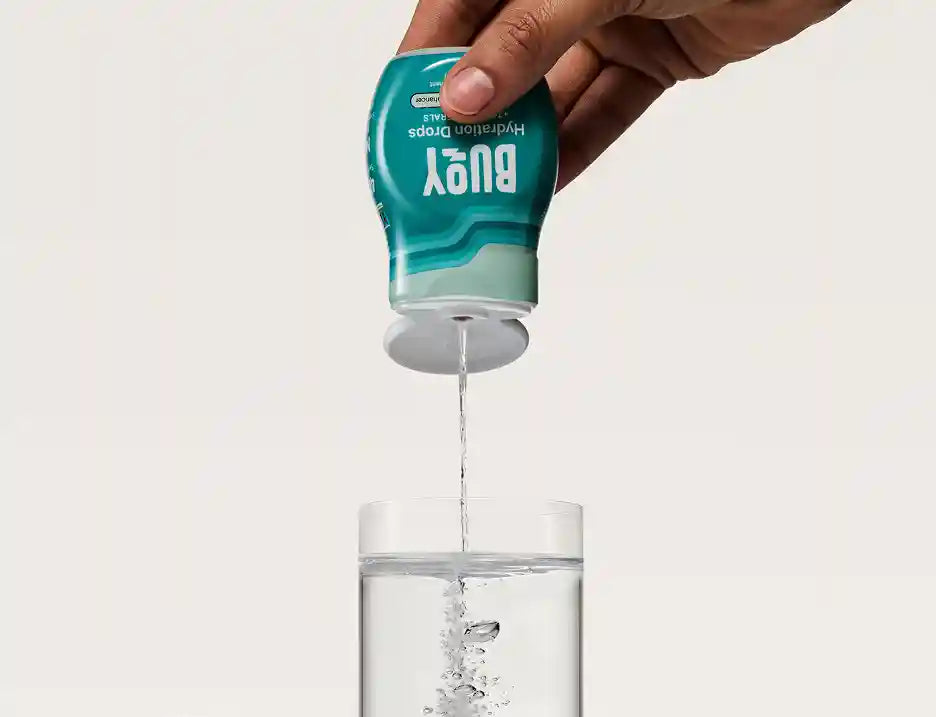
Hydration Drops
Hydration Drops
The original liquid electrolyte
from  $30.03
Save Up To $8.97
Learn More
Add to Cart
4.8 out of 5
4.8/5 from 5,377 Reviews
Hydration Drops
The original liquid electrolyte
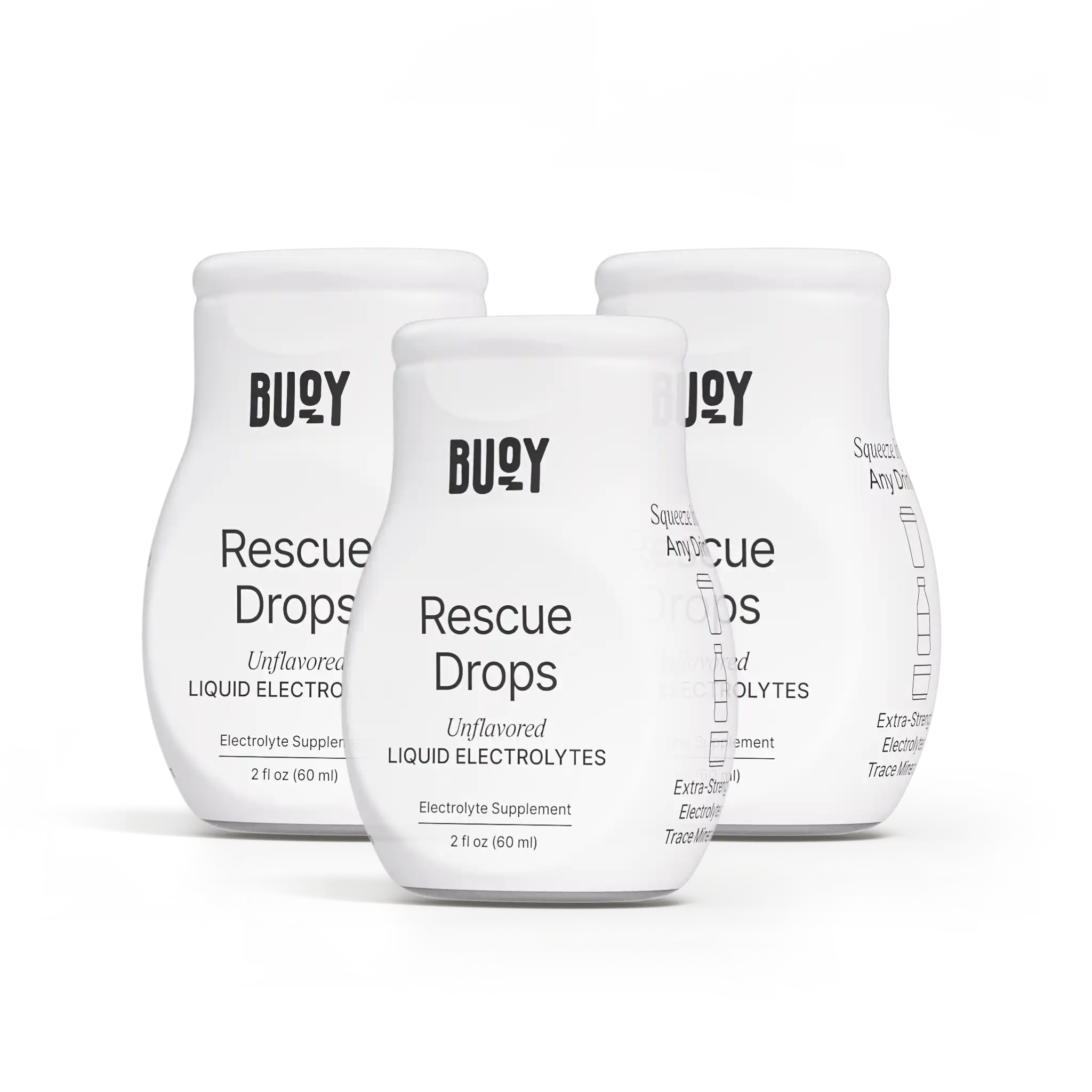
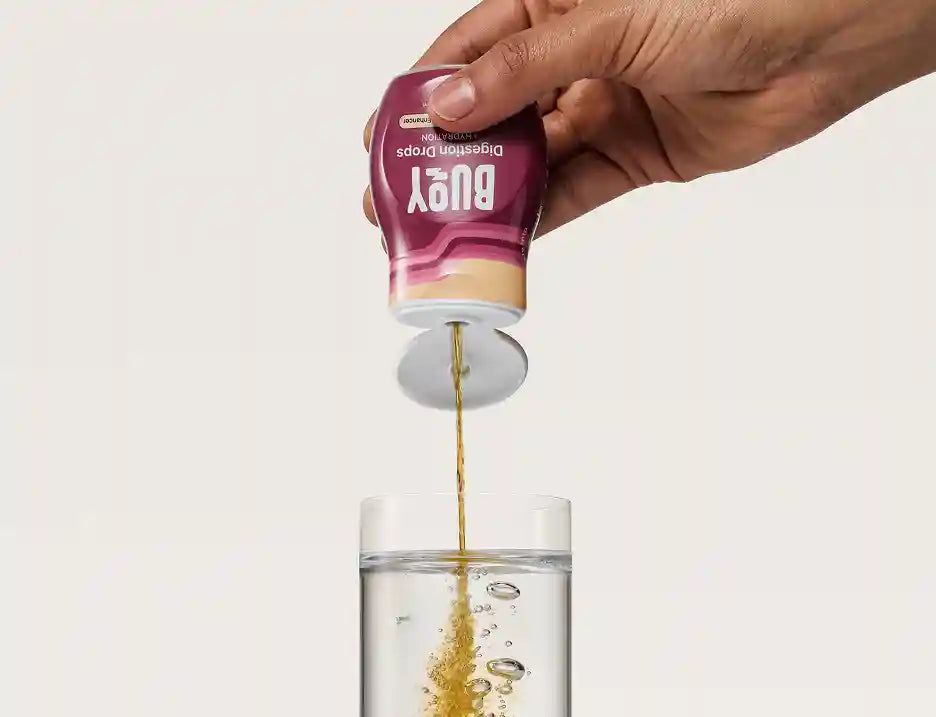
Rescue Drops
Rescue Drops
6x stronger, high sodium electrolyte
from  $34.65
Save Up To $10.35
Learn More
Add to Cart
4.8 out of 5
4.8/5 from 720 Reviews
Rescue Drops
6x stronger, high sodium electrolyte
Liquid Electrolyte Variety Kit
All six of our liquid electrolytes
from  $67.76
Save Up To $20.24
Add to Cart
4.7 out of 5
4.7/5 from 9,374 Reviews
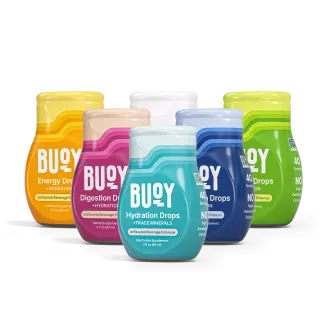
Liquid Electrolyte Variety Kit
All six of our liquid electrolytes
Build Your Own Bundle
Bundle 3+ items for maximum savings
Max Savings + Free Gifts
12M+
1.4M+
4.7 out of 5
4.7/5 out of 11,720 reviews

We didn't just go viral, we found our community

"Thank you for making a sugar AND stevia free electrolyte"
"... plus Buoy gives me more energy than the powder packets"
"My favorite zero sugar electrolyte! No calories or carbs! Perfect for those sensitive to stevia and monk fruit."

Why Choose Buoy?

Buoy's Clinical Study

Why Buoy Rescue Salt Fits Modern Hydration Routines

Rescue Salt preserves electrolytes, minerals, and trace elements in their naturally occurring ratios rather than isolating or manufacturing individual compounds.

The result is a mineral-rich salt that supports hydration while maintaining the integrity of its natural composition.

More Than Just Sodium

While sodium is the primary electrolyte found in salt, Rescue Salt also provides dozens of naturally occurring trace elements that contribute to its broader mineral profile.

Flexible Ways to Support Hydration

Rescue Salt is designed to work with your routine. You can:
  • Dissolve it directly on your tongue.
  • Add it to water or electrolyte beverages.
  • Mix it into coffee, tea, smoothies, or juice.
  • Use it as a finishing salt on meals.
Read our article to debunk the myth: ‘does salt dehydrate you?

How Rescue Salt Compares to Conventional Table Salt

Hydration needs are highly individual, and those with specific health concerns should consult a healthcare provider.

FeatureBuoy Rescue SaltConventional Table Salt
UnrefinedYesOften No
Solar-EvaporatedYesNo
Trace Minerals83+ Naturally Occurring ElementsLimited
AdditivesNoneOften Present
Anti-Caking AgentsNoneCommon
Beverage CompatibleYesNot Typically
Dissolves on TongueYesNo
Designed for Electrolyte SupportYesNot Specifically

Easy Ways to Incorporate Rescue Salt Into Your Routine

Supporting hydration with Rescue Salt can be simple:
  • Add a pinch to water or lemonade.
  • Sprinkle into coffee or matcha.
  • Use in smoothies or juices.
  • Add to protein shakes after exercise.
  • Top meals as a finishing salt.
  • Use during travel or heat exposure.
  • Incorporate into your daily hydration routine.
Because Rescue Salt dissolves instantly and evenly, it works across a wide range of beverages and foods without requiring special preparation.

How Buoy's Sugar-Free Electrolytes Stack Up

Compare Buoy with leading competitors:

Frequently Asked Questions About the Best Salt for Electrolytes

What is the best salt for electrolytes?

The best salt for electrolytes is typically one that provides sodium while retaining naturally occurring trace minerals. Many people prefer minimally processed sea salts because they preserve more of their natural mineral composition.

Why is sodium important for hydration?

Sodium helps regulate fluid balance and supports the body's ability to absorb, retain, and utilize water effectively. It is one of the primary electrolytes involved in hydration.

Is sea salt better than table salt for electrolytes?

Many people prefer sea salt because it is often less processed and may contain naturally occurring trace minerals. However, sodium remains the primary electrolyte provided by both.

Can salt help replenish electrolytes?

Yes. Salt is one of the most common sources of dietary sodium, a key electrolyte involved in:
  • Fluid balance
  • Nerve signaling
  • Muscle function
  • Hydration support

When should you increase electrolyte and sodium intake?

Situations that may increase electrolyte needs include:
  • Heavy sweating
  • Exercise
  • Hot weather
  • Travel
  • Intermittent fasting
  • Low-carb diets
Individual needs vary based on lifestyle and health status.

What electrolytes are found in salt?

Salt primarily provides sodium and chloride. Depending on its source, it may also contain naturally occurring trace elements in smaller amounts.

Can I use salt instead of electrolyte drinks?

Salt can provide sodium, but many electrolyte products also include potassium, magnesium, calcium, and additional minerals. The best option depends on your individual hydration needs.

What makes Rescue Salt different from conventional salt?

Rescue Salt is unrefined, solar evaporated, and contains 83+ naturally occurring trace elements. It is designed to support electrolyte replenishment and hydration without additives, anti-caking agents, or artificial ingredients.
“Electrolyte boost without any sweetness whatsoever.”
“Electrolyte boost you can add to coffee, tea, and even alcohol.”
“Drops supply calming energy and immune support.”
“Purposefully unflavored which means sugar-free, stevia, and sweetener-free.”
“Many of the 87 trace minerals in Buoy aren’t found in the conventional diet.”
“Anti-bloat liquid electrolyte drops."
“Buoy help broaden understanding of chronic illness.”
The world's first unflavored functional beverage additive.
“Buoy is also third-party tested, which isn’t common for electrolytes.”
Real People, Real Health Journeys