






Potassium for Leg Cramps and Muscle Cramps: What You Need to Know
Muscle cramps can be more than just a painful inconvenience. They can interrupt workouts, disrupt sleep, and make everyday movement uncomfortable. It is also very common to wonder does potassium help with cramps, especially stubborn leg cramps.
Potassium is an essential mineral and electrolyte that helps muscles contract and relax normally. If your potassium is low, improving potassium intake may help reduce cramping over time. At the same time, cramps can have more than one cause, so potassium is not always the only piece of the puzzle.
Important note: This article is for educational purposes only and is not medical advice. If cramps are frequent, severe, or come with swelling, weakness, numbness, or chest symptoms, talk with a healthcare professional.
Essential Takeaways
- Potassium supports normal nerve signaling and muscle contraction and relaxation
- Potassium for cramps may be most helpful when low potassium is part of the cause
- Hydration and overall electrolyte balance often matter just as much as potassium
In this guide, we will cover how potassium relates to cramps and how a consistent hydration routine can support muscle comfort.
Table of Contents
- Understanding Muscle Cramps: Causes and Impact
- The Role of Potassium in Muscle Function
- The Connection Between Potassium Deficiency and Muscle Cramps
- Signs of Potassium Deficiency: How to Identify the Warning Signs
- Potassium Rich Foods: Top Sources for Optimal Intake
- Potassium and Hydration: The Importance of Balance
- The Role of Buoy’s Hydration Products
- Transform Your Muscle Health with Potassium
Understanding Muscle Cramps: Causes and Impact
Muscle cramps are sudden, involuntary contractions of a muscle or group of muscles. They can last seconds to minutes and may leave lingering soreness afterward.
Common Causes of Muscle Cramps
Cramps can have multiple triggers. Common contributors include:
- Overuse or muscle fatigue
- Dehydration, especially after sweating or heat exposure
- Holding one position too long, including certain sleeping positions
- Shifts in electrolytes, including potassium and sodium
Sometimes more than one factor is happening at the same time. For example, hard training plus sweat losses plus inadequate recovery can raise the risk.
Impact on Daily Life
Cramps can create real disruption:
- Exercise interruptions that stop you mid activity
- Sleep disruption from nighttime leg cramps
- Reduced mobility and stiffness afterward
- Less confidence during workouts or long days on your feet
Strategies for Relief
If a cramp is happening right now, relief usually focuses on relaxing the muscle:
- Gently stretch the cramped muscle and hold the stretch
- Massage the area with steady pressure
- Slowly move the joint through a comfortable range of motion
- Drink fluids, and consider electrolytes if you have been sweating a lot
- Try warmth or a cool compress based on what feels best
If cramps are recurring, the bigger goal is prevention through hydration, nutrition, training load, and electrolyte consistency.
If you want a deeper guide, check out this post on muscle cramps: Causes and Remedies for Muscle Cramps.

The Role of Potassium in Muscle Function
Potassium is a key electrolyte inside your cells. It helps maintain normal cell function and supports the electrical signals that nerves and muscles use to communicate.
In practical terms, potassium helps your muscles do two important jobs:
- Contract when they are signaled to move
- Relax afterward so they do not stay stuck in a tight state
This is why potassium is often discussed when people ask does potassium help with muscle cramps.
The Connection Between Potassium Deficiency and Muscle Cramps
So does potassium help with cramps? It can, especially when cramps are connected to low potassium or broader electrolyte imbalance.
Low potassium is known to cause symptoms such as muscle weakness and muscle cramps in some people. But not every cramp is caused by potassium alone. Cramps can also be linked to:
- Dehydration and sweat related electrolyte losses
- Muscle fatigue and overuse
- Poor recovery, including inadequate sleep or nutrition
- Positioning, especially for nighttime leg cramps
A helpful way to think about it is this: potassium for leg cramps can be important, but it usually works best as part of an overall plan that supports hydration, electrolytes, and muscle recovery.
Signs of Potassium Deficiency: How to Identify the Warning Signs
Potassium deficiency does not always look the same for everyone. Mild cases may cause no symptoms, while more significant drops can be more noticeable.
Possible warning signs can include:
- Muscle weakness, spasms, or cramps
- Fatigue
- Constipation
- Heart palpitations or abnormal heart rhythms
- Tingling or numbness in some cases
Recognizing and Responding to Potassium Deficiency
If you suspect low potassium:
- Consider a blood test through a clinician to confirm
- Review whether recent fluid loss could be a factor, such as vomiting, diarrhea, or heavy sweating
- Be cautious with supplements, since potassium supplements are not appropriate for everyone
If you have kidney issues, heart conditions, or take medications that affect potassium, it is especially important to get medical guidance before adding potassium supplements.
Related Deficiencies and Health Concerns
Electrolytes work together. If your routine is missing key electrolytes or your hydration is inconsistent, cramps can become more likely.
Worried you might be low in sodium? Here is the related Buoy article: Sodium Salt Deficiency: Causes, Symptoms and Treatment.

Potassium Rich Foods: Top Sources for Optimal Intake
For most people, food is the simplest way to support potassium intake. Many fruits and vegetables provide potassium, and some staple foods are especially strong sources.
Potassium rich options include:
- Bananas
- Potatoes and sweet potatoes
- Beans and lentils
- Spinach and other leafy greens
- Tomatoes and tomato based foods
- Winter squash
- Oranges and other citrus
- Yogurt and milk
- Some fish, nuts, and seeds
Simple strategy: try adding one potassium rich food to each meal. That keeps intake steady and easier to maintain.
Potassium and Hydration: The Importance of Balance
Potassium and hydration are connected because potassium helps regulate fluid inside cells, while sodium plays a major role in fluid balance outside cells. Together, they support hydration and normal muscle function.
When you are dehydrated, especially from sweating, you may lose water and electrolytes. That combination can increase cramp risk for some people. This is why hydration habits often matter just as much as potassium for cramps.
Tips for Prevention
If you want to reduce cramps, focus on consistency:
- Drink fluids regularly throughout the day
- Pay attention to sweat and heat conditions and replace fluids accordingly
- Include potassium rich foods in your meals
- Support overall electrolyte balance when your routine calls for it
- Warm up, build intensity gradually, and respect fatigue signals
- Prioritize recovery with rest and nutrition

The Role of Buoy’s Hydration Products
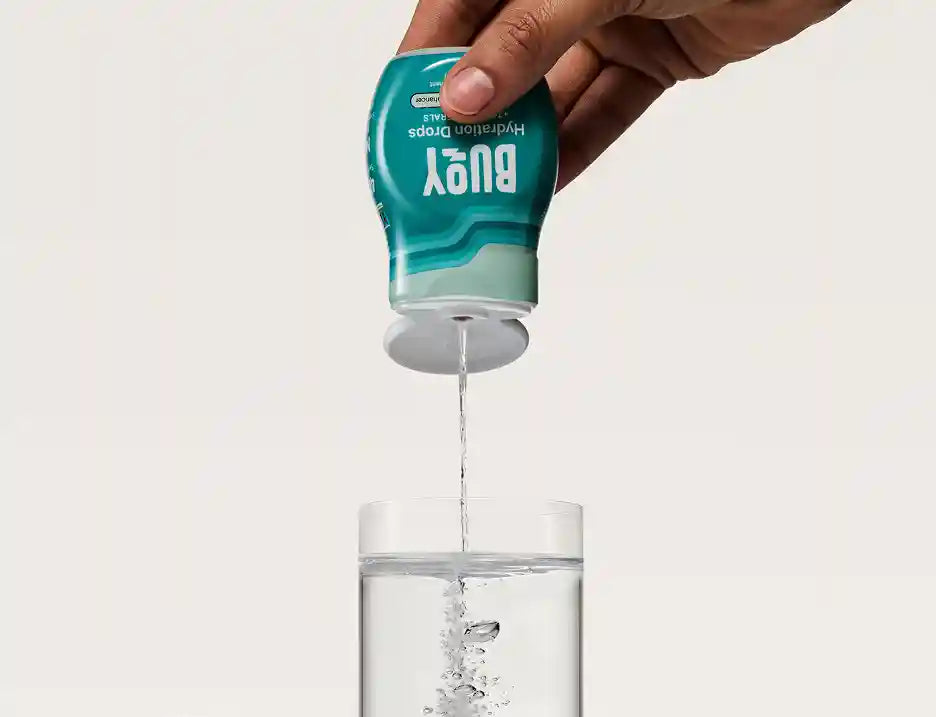
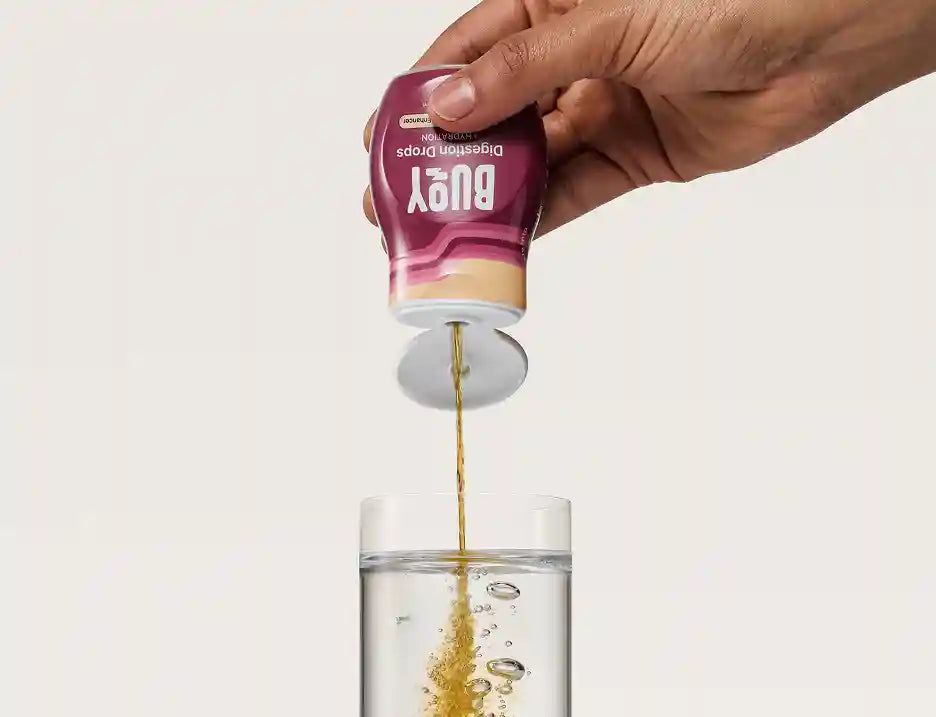
If you want an easy way to stay consistent, Buoy’s electrolyte and mineral drops are designed to fit into daily routines. You can add them to water or other beverages and support a steady hydration habit.
Buoy Hydration Drops
Buoy Hydration Drops provide electrolytes in a simple format for daily use, workouts, travel, or hot weather routines. Learn more here.
Buoy Immunity Drops
Buoy Immunity Drops combine electrolytes with added vitamins and minerals to support a broader daily wellness routine.
The Buoy Daily Wellness Bundle
The Daily Wellness Kit brings together multiple Buoy drops so you can choose what fits your day.
Transform Your Muscle Health with Potassium
Understanding the role of potassium can help you make smarter choices about cramps.
If you are trying to prevent cramps:
- Support potassium intake with food
- Stay consistent with hydration
- Replace electrolytes when sweat and heat demands increase
- Train and recover in a way your body can handle
With a steady routine, many people find cramps become less frequent and less disruptive.
FAQ: Potassium for Leg Cramps and Muscle Cramps
Does potassium help with cramps?
Potassium can help when low potassium contributes to cramping. But many cramps also involve dehydration, fatigue, or electrolyte shifts beyond potassium.
Does potassium help with muscle cramps during exercise?
It may help, especially if you are sweating heavily and not replacing fluids and electrolytes. A combined approach is often more effective than focusing on potassium alone.
Does potassium help with leg cramps at night?
It can if low potassium is part of the issue. Nighttime leg cramps can also relate to muscle fatigue and positioning, so a broader routine may be needed.
What are signs I might be low in potassium?
Possible signs include muscle weakness or cramping, fatigue, constipation, and heart rhythm symptoms. Symptoms vary, and testing is the most reliable way to know.
What foods are best for potassium for cramps?
Potatoes, beans, lentils, leafy greens, tomatoes, citrus, dairy, and many fruits and vegetables can support potassium intake.
Will eating potassium rich food stop a cramp immediately?
Immediate relief typically comes from stretching and relaxing the muscle. Potassium rich foods are most useful as part of consistent intake over time.
Is it safe to take potassium supplements for leg cramps?
Not always. Potassium supplements can be unsafe for some people, especially with kidney issues or certain medications. Medical guidance is recommended before supplementing.
When should I see a doctor about leg cramps?
If cramps are frequent, severe, regularly disrupt sleep, or come with swelling, weakness, numbness, or heart symptoms, get evaluated.
References: