Period cramps, medically known as dysmenorrhea, are usually felt in the lower abdomen around the start of menstruation. Primary dysmenorrhea occurs without another pelvic condition and is driven in part by prostaglandins that cause the uterus to contract.
Those contractions help shed the uterine lining, but stronger contractions can temporarily reduce blood flow and contribute to pain.
Cramps can also be secondary to conditions such as endometriosis or uterine fibroids. Severe pain, worsening cramps, or pain that regularly interferes with daily life deserves medical evaluation rather than relying only on at-home relief.
Natural Ways to Support Period Cramp Relief
A period support routine can combine approaches that address cramping directly with everyday nutritional and hydration support.
| Natural Remedy | How It Fits Into a Period Routine |
| Magnesium | Supports normal muscle and nerve function; supplementation has also been studied for dysmenorrhea |
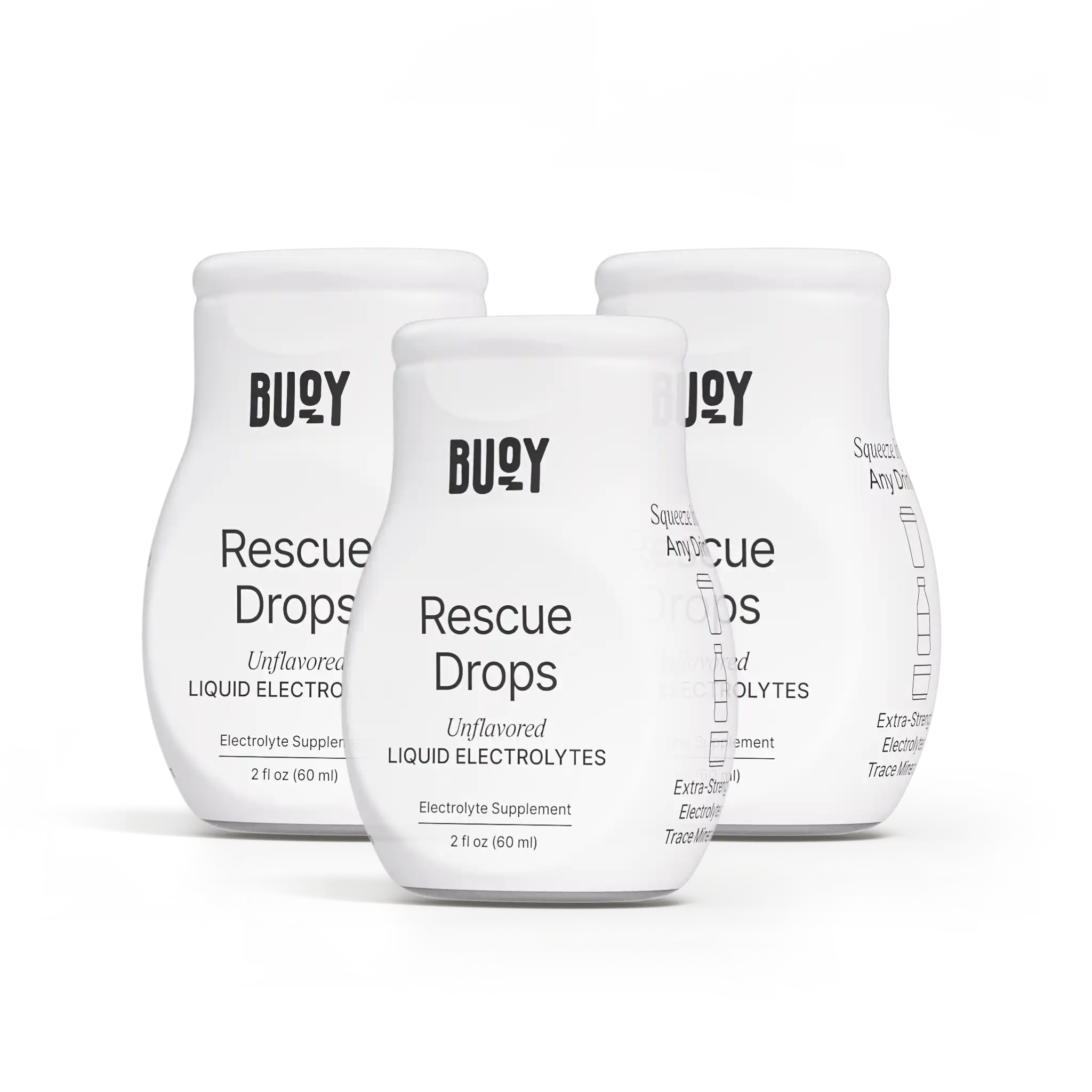
| Electrolytes | Supply charged minerals involved in fluid balance and normal muscle and nerve function |
| Hydration | Helps maintain normal fluid balance throughout the day |
| Heat | Has direct clinical evidence for reducing menstrual pain, such as a heating pad |
| Exercise | Research supports exercise as a non-pharmacological option for reducing dysmenorrhea pain |
Heat has particularly strong evidence. A 2026 systematic review and meta-analysis covering 57 randomized controlled trials found that heat therapy reduced pain intensity compared to no treatment.How Magnesium Fits Into Natural Period Cramp Relief
Magnesium is an essential mineral involved in hundreds of enzyme systems throughout the body. It contributes to normal nerve and muscle function, which makes it especially relevant when discussing cramping.
Researchers have also studied magnesium specifically for dysmenorrhea. A systematic review and meta-analysis of micronutrients found potential benefits from magnesium and several other micronutrients for primary dysmenorrhea pain.Magnesium can therefore be a relevant part of a daily nutritional routine for people interested in period-cramp support, but it should not be treated as a guaranteed treatment for dysmenorrhea.
What to Look for in Magnesium Support
Magnesium supplements can differ substantially in their formulation. Looking beyond the front label can help you understand what you're actually adding to your routine.
| What to Check | Why It Matters |
| Magnesium source | Magnesium can come from isolated salts or food sources. |
| Additional nutrients | Some formulas provide naturally occurring nutrients and plant compounds alongside magnesium. |
| Processing | Processing methods affect how much of the original food compounds are retained. |
| Added ingredients | Check for sweeteners, flavors, fillers, or other ingredients you may want to avoid. |
| Quality testing | Third-party testing provides additional product-quality verification. |
Magnesium With Its Natural Co-Nutrients
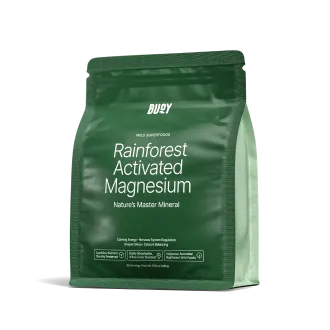
Rainforest Activated Magnesium also includes naturally occurring co-nutrients and phytonutrients. These consist of:
- Polyphenols
- Polysaccharides
- Terpenes
- Flavonoids
- Anthocyanins
- Phenolic acids
This gives Rainforest Activated Magnesium a different nutritional profile from a conventional supplement built around a single isolated magnesium salt.
Six Wild-Harvested Rainforest Superfoods
The magnesium comes from six wild-harvested Australian rainforest superfoods. Buoy preserves the whole-food ingredients, including parts such as the peel, pulp, pith, core, and stem when applicable.
After harvesting, the ingredients are freeze-stored and lyophilized. Our process preserves 97% of their nutrient density.
1,200+ Bioactive Phytonutrients
Rainforest Activated Magnesium also provides more than 1,200 bioactive phytonutrients.
These plant compounds distinguish the formula from conventional magnesium supplements centered on an isolated mineral source. The formula is packaged without fillers and undergoes third-party testing.


 View Clinical Study




 Buoy's Clinical Study