Your cart
Your cart is empty.
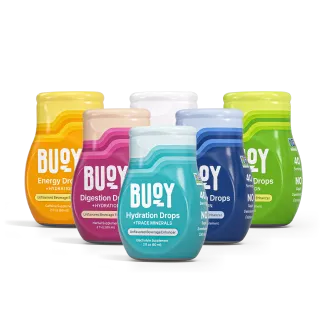
Get started with Buoy’s best-sellers.



| Daily Habit | How It Fits Into Immune Health |
| Eat a varied, nutrient-rich diet. | A rich diet provides vitamins, minerals, protein, antioxidants, and other compounds involved in normal immune function. |
| Stay adequately hydrated. | Hydration supports normal fluid balance and overall physiological function. |
| Get consistent sleep. | Sleep is an important part of normal immune regulation and recovery. |
| Exercise regularly. | Regular activity is associated with broader health and immune benefits. |
| Manage ongoing stress. | Chronic stress can affect normal immune function. |
| Fill nutrient gaps when appropriate. | Supplements can complement the diet when intake is inadequate. |


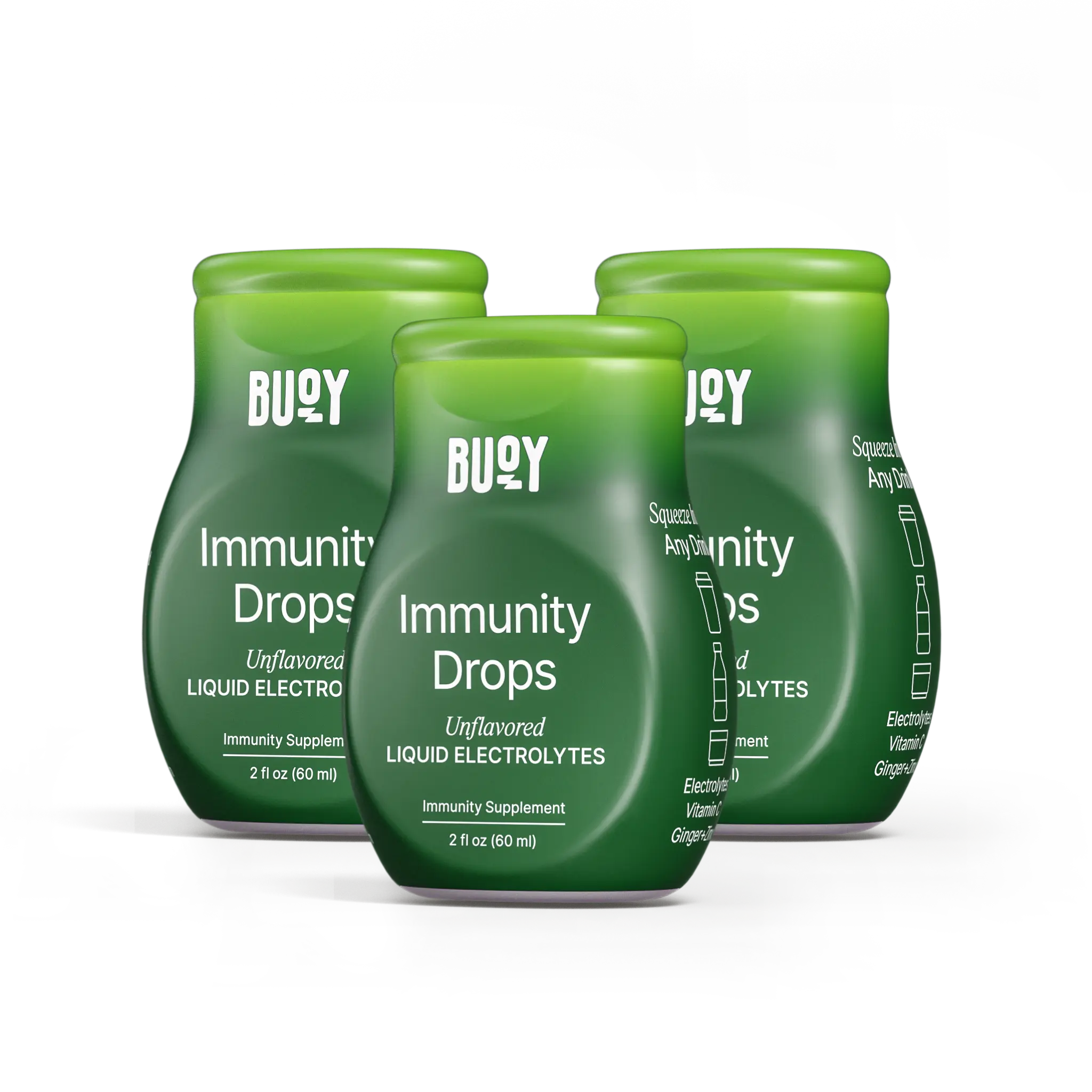
3-in-1 daily immune support from pre-dissolved electrolytes, trace minerals, vitamins, and antioxidants. Add to any beverage. No sugar, sweeteners, flavors.
 Supplement Facts


 View Clinical Study




 Buoy's Clinical Study
| Feature | Buoy Immunity Drops | Typical Immune Gummy | Single-Vitamin Supplement |
| Vitamins | A, C, D3, E + B vitamins | Varies | Usually one main vitamin |
| Zinc | Yes | Varies | Depends on product |
| Botanicals | Ginger, echinacea + elderberry | Varies | Usually no |
| Electrolytes | Yes | Usually no | Usually no |
| 87+ ionic trace minerals | Yes | Usually no | No |
| Sugar | 0 | Often present | Usually 0 |
| Sweeteners | 0 | Often present | Varies |
| Added flavors | 0 | Usually | Varies |
| Format | Liquid drops | Gummy | Tablet/capsule/liquid |
| Add to an existing beverage | Yes | No | Depends on format |
| Buoy Product | Best Fit | What It Provides |
| Buoy Immunity Drops | Daily immune-focused nutritional + hydration support | Vitamins, zinc, botanicals, electrolytes + 87+ ionic trace minerals |
| Build Your Own Bundle | Creating a personalized routine | Mix and match 3+ Buoy products |