4.8 out of 5
4.8/5 out of 5,406 reviews

How to Reduce Postpartum Swelling (What’s Normal, and What Might Help)

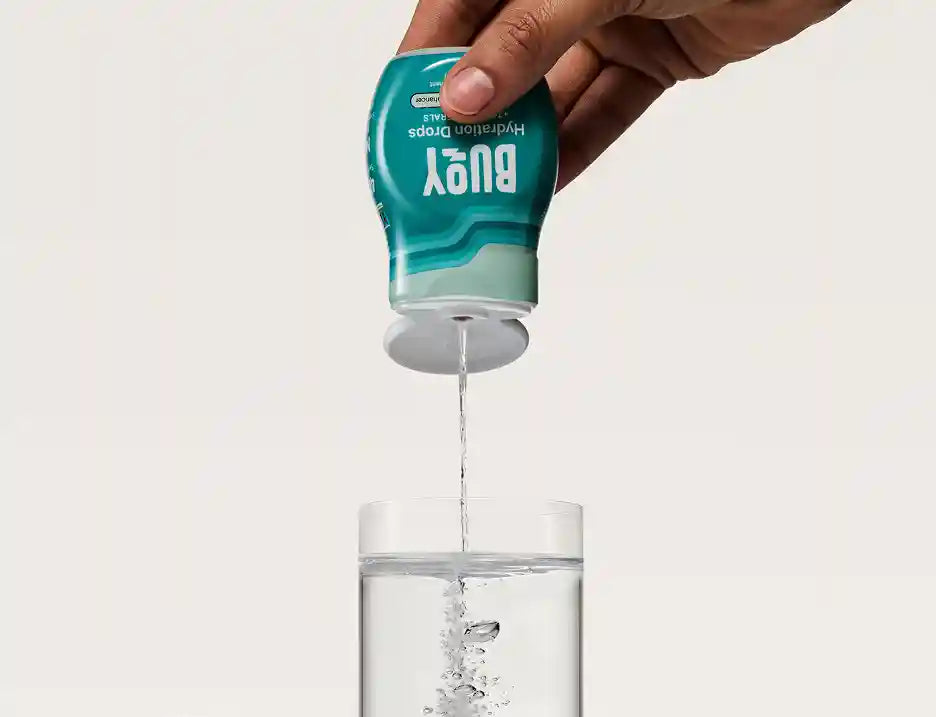
Swelling after birth is common. For most new parents, it’s just your body slowly working through the fluid shifts of pregnancy and delivery. Hydration and electrolyte balance are often part of that picture, alongside rest, movement, and time to recover. Buoy’s Hydration Drops keep it straightforward, just electrolytes and trace minerals in an unflavored, sugar-free formula you can add to whatever you’re already drinking.

Disclaimer: This page is for general educational purposes and isn’t medical advice. Most postpartum swelling is normal and improves on its own. However, swelling that’s sudden, severe, one-sided, or accompanied by additional symptoms could be a sign of something more serious. If you experience any of these, contact your doctor right away rather than waiting it out.
Support Everyday Hydration
Ocean Electrolytes & 87+ Trace Minerals
Zero Sugar, Sweeteners, Flavors, or Colors
Vitamin B Complex for Daily Wellness
Formulated for Postpartum & Breastfeeding Support
Add to Any Drink, No Flavor Change
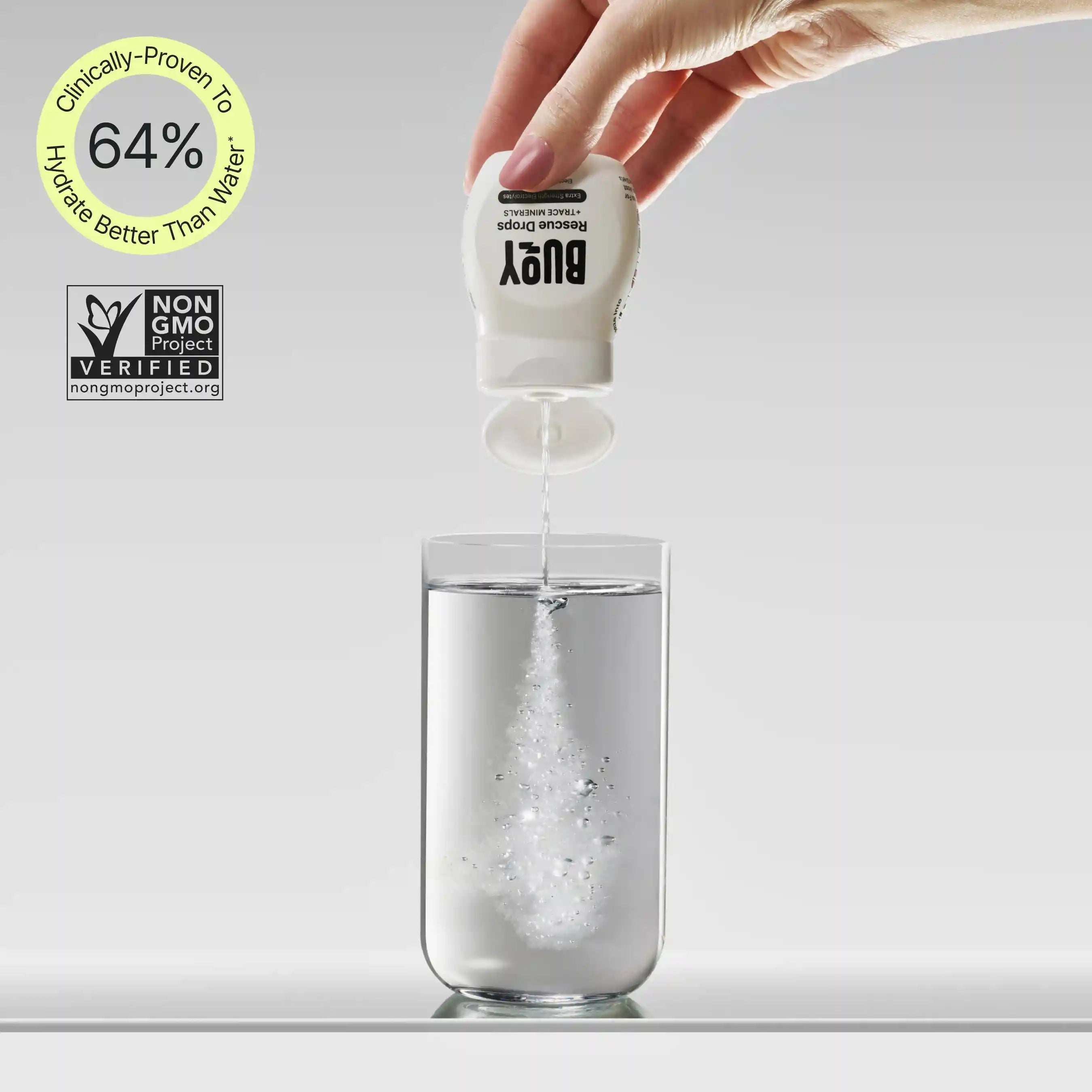
Hydrates 64% Better*View Clinical Study
Hydrates 64% Better* View Clinical Study

What Is Postpartum Swelling, and Why Does It Happen?

During pregnancy, your body holds onto significantly more fluid than usual (up to 50% more blood volume by the third trimester). After delivery, it takes time for your body to release that extra fluid, which is why swelling is so common in the days and weeks after birth.

Electrolytes during pregnancy and postpartum play a role throughout this whole process, since your body's fluid balance depends heavily on minerals like sodium and potassium.

Types of Postpartum Swelling

Swelling doesn’t show up the same way for everyone. Here’s a general breakdown of where it commonly appears and what it’s usually related to.

Type of SwellingCommon CauseTypically Improves
Legs and anklesFluid shifts, IV fluids during deliveryWithin 1–2 weeks
Hands and fingersHormonal changes, fluid retentionWithin 1–2 weeks
FaceFluid retention, hormonal shiftsWithin days to 1 week
Perineal areaDelivery-related swelling and healingVaries, often 1–2 weeks


It’s worth calling your primary care provider if swelling doesn’t follow this general pattern, or symptoms suddenly get worse instead of better.
What Might Help Support Normal Fluid Balance
A few everyday habits are commonly recommended to support your body as it works through postpartum fluid shifts:
  • Staying consistently hydrated throughout the day
  • Elevating your legs when resting
  • Gentle movement, like short walks, as approved by your provider
  • Wearing compression socks if recommended by your doctor
  • Keeping electrolyte intake balanced, not just increasing plain water
Plain water alone doesn't always help fluid balance the way people expect. Understanding how to prevent dehydration during pregnancy and postpartum can help explain why electrolytes matter just as much as proper fluid intake.

Best Electrolytes for Postpartum: Buoy Hydration Drops

Your body is working overtime after birth, shifting fluids and healing from delivery. If you’re breastfeeding, it’s also using up even more electrolyte reserves to help support milk production. It’s easy for hydration to fall to the bottom of the list when you’re running on little sleep, too.

Buoy Hydration Drops make it easier to keep up, adding electrolytes and trace minerals to any drink you’re already reaching for.

If you’re nursing, here’s more on electrolyte needs while breastfeeding.
Rebuild Fluid and Mineral Balance
Support Milk Production Through Better Hydration
No Sugar, No Sweeteners
Mixes Into Any Drink, No Extra Prep
Suitable for Postpartum and Breastfeeding Use
View Clinical Study
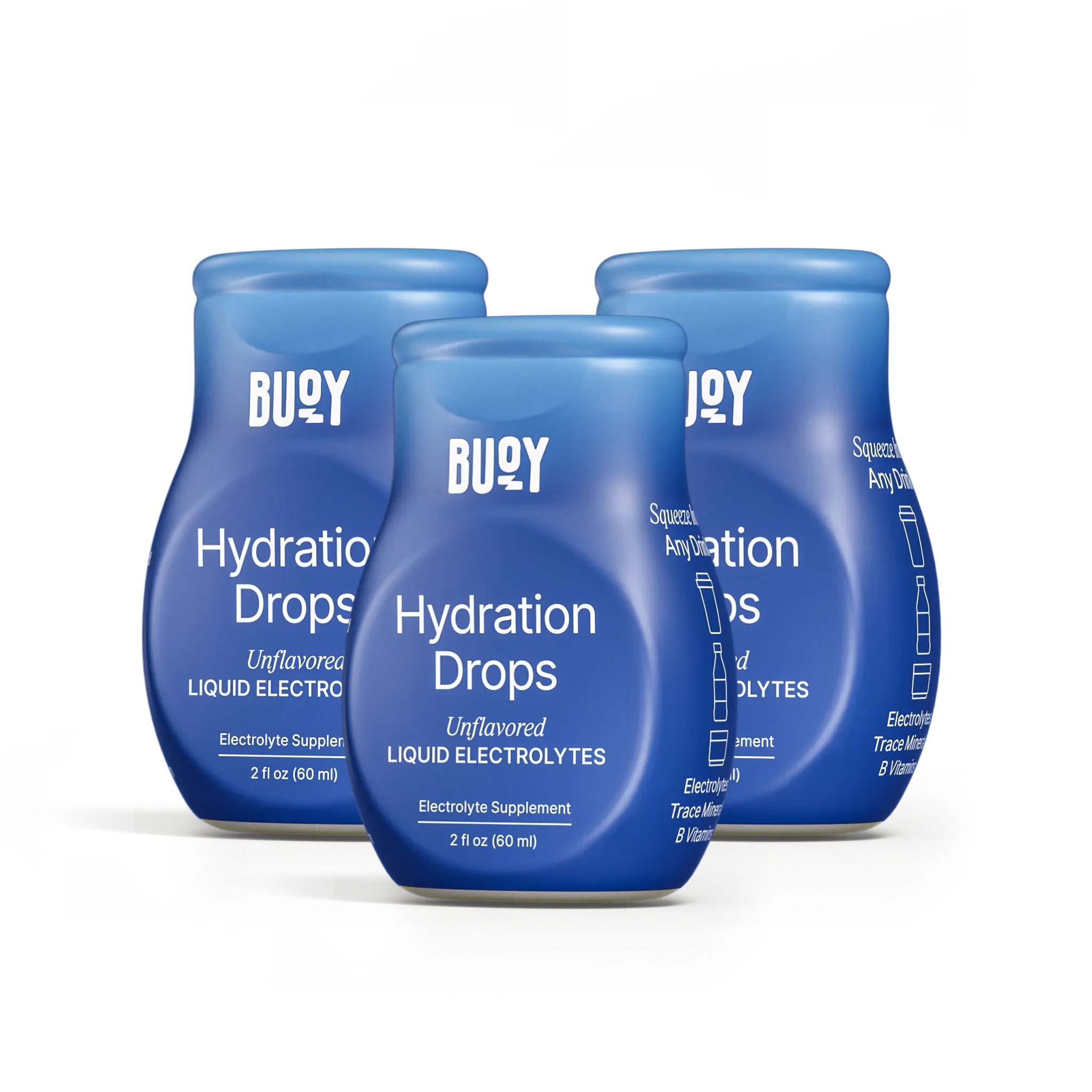
Hydration Drops
Hydration Drops
The original liquid electrolyte
from  $30.03
Save Up To $8.97
Learn More
Add to Cart
4.8 out of 5
4.8/5 from 5,406 Reviews
Hydration Drops
The original liquid electrolyte
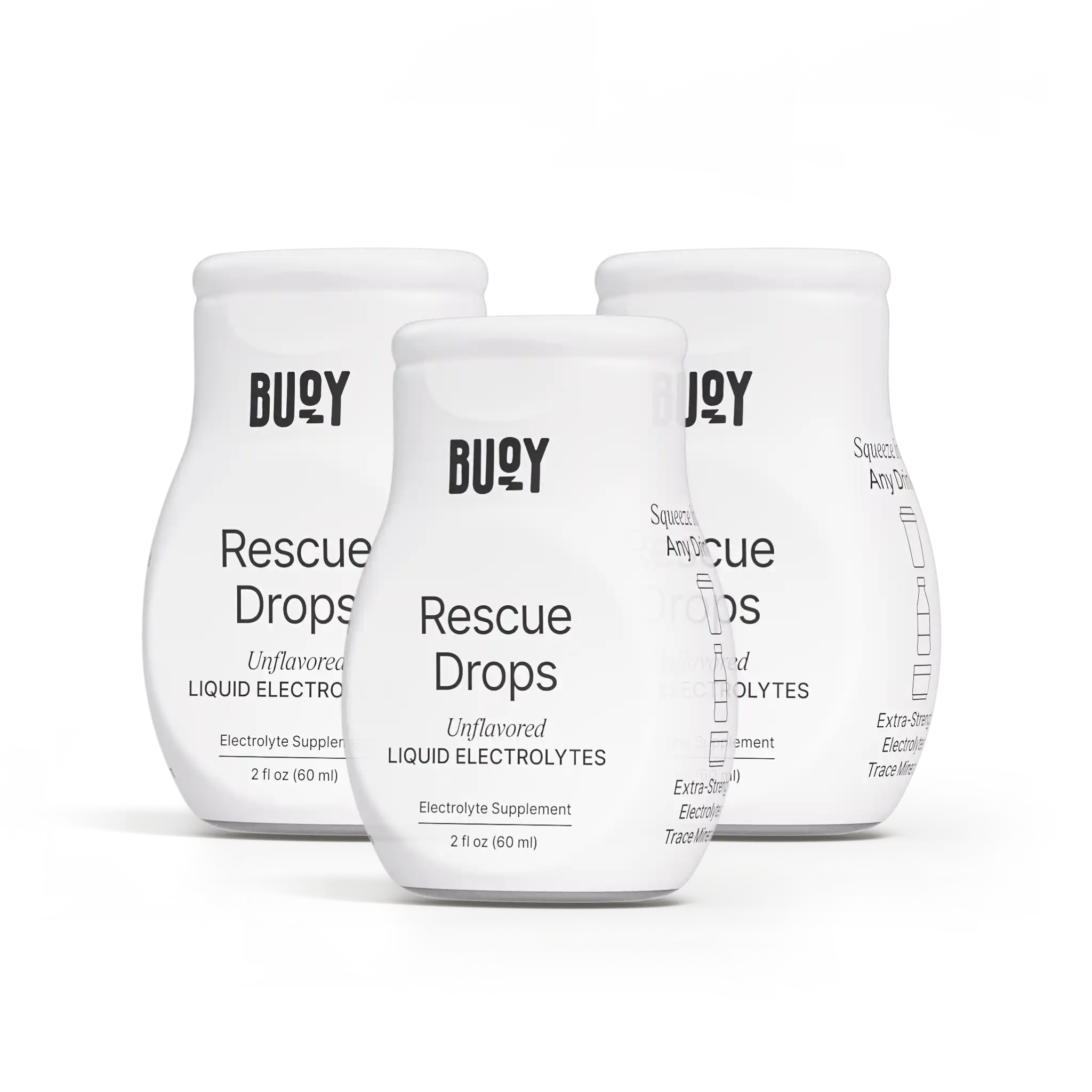
Rescue Drops
Rescue Drops
6x stronger, high sodium electrolyte
from  $34.65
Save Up To $10.35
Learn More
Add to Cart
4.8 out of 5
4.8/5 from 730 Reviews
Rescue Drops
6x stronger, high sodium electrolyte
Liquid Electrolyte Variety Kit
All six of our liquid electrolytes
from  $67.76
Save Up To $20.24
Add to Cart
4.7 out of 5
4.7/5 from 9,407 Reviews
Liquid Electrolyte Variety Kit
All six of our liquid electrolytes
Build Your Own Bundle
Bundle 3+ items for maximum savings
Max Savings + Free Gifts
12M+
1.4M+
4.7 out of 5
4.7/5 out of 11,809 reviews

We didn't just go viral, we found our community

"Thank you for making a sugar AND stevia free electrolyte"
"... plus Buoy gives me more energy than the powder packets"
"My favorite zero sugar electrolyte! No calories or carbs! Perfect for those sensitive to stevia and monk fruit."

Why Many People Choose Buoy

Buoy's Clinical Study

Why New Mothers Reach for Buoy

Between feedings, recovery, and little sleep, most new parents don’t have room in their day for a separate hydration routine. Buoy was built to skip that step entirely. That means no flavored drink to remember, just electrolytes added to what you’re already drinking.

One Less Ingredient List to Read

Many postpartum and breastfeeding-safe products still come with long ingredient lists to check. Buoy keeps things simple: electrolytes and trace minerals, nothing else added.

See How Buoy Stacks Up

Buoy’s formula isn’t just simple; it’s been studied. A university-led clinical study found Buoy to be 64% more hydrating than water alone and 49% more hydrating than a leading electrolyte competitor.

FactorTypical Electrolyte DrinkBuoy Hydration Drops
Added sugarOften 5–35g per servingNone
Breastfeeding-friendly ingredientsNot always clearly labeledSimple, transparent formula
Flavor added to your routineYes, separate drinkNo, mixes into anything
Ease of daily consistencyRequires remembering a separate bottleAdds to drinks you're already having

Fitting Hydration Drops Into Postpartum Recovery

Getting started is simple. Here's how to build Hydration Drops into your recovery routine:
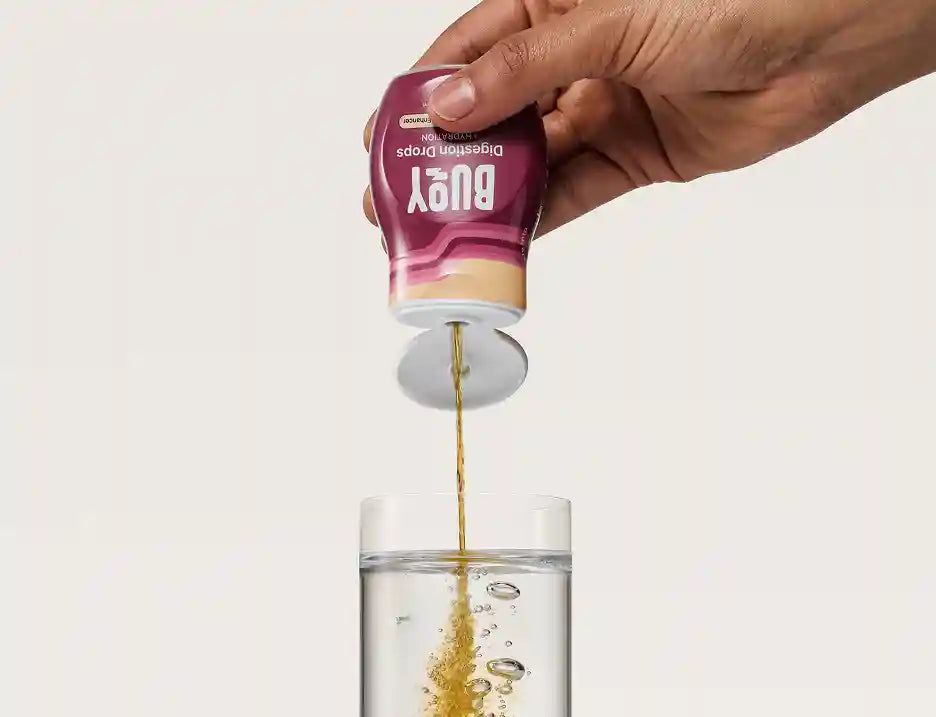
  1. Start with one squeeze per serving, added directly to your drink.
  2. Mix into water, tea, or a smoothie at any point in the day.
  3. Lean into more frequent servings if you’re breastfeeding, since your fluid needs go up.
  4. Combine with rest, leg elevation, and light movement, as your provider recommends.
  5. Talk to your doctor first if you’re managing any postpartum complications before increasing intake.
For more on hydration needs across different life stages, here's how electrolytes relate to your menstrual cycle as your body continues to shift after pregnancy.

How Buoy's Sugar-Free Electrolytes Stack Up

Compare Buoy with leading competitors:

Frequently Asked Questions About Reducing Postpartum Swelling

How long does postpartum swelling usually last?

Most postpartum swelling improves within 1-2 weeks as your body releases the extra fluid it retained during pregnancy. Swelling that worsens or persists longer than that is worth mentioning to your doctor.

What are the best electrolytes for postpartum recovery?

Sodium, potassium, magnesium, and chloride all play a role in fluid balance, which is especially relevant during postpartum recovery as your body adjusts after pregnancy and delivery.

Can dehydration make postpartum swelling worse?

Dehydration can affect your body’s overall fluid balance, which is part of why staying hydrated, with electrolytes, not just water, is often recommended during postpartum recovery.

Is it normal to have swelling weeks after giving birth?

Some swelling in the first couple of weeks is common. Swelling that appears suddenly, worsens, or shows up several weeks after delivery should be discussed with your doctor, since it can sometimes indicate something beyond normal fluid shifts.

How is Buoy different from other electrolyte drinks for postpartum use?

Most electrolyte drinks on the market are flavored, sweetened, and meant to be their own separate beverage, which is one more thing to remember during a season that's already demanding. Buoy takes a different approach:
  • Unflavored, so it adds to any drink without changing the taste
  • Sugar-free, with no artificial sweeteners added
  • A short, simple ingredient list, just electrolytes and trace minerals
  • No need for a dedicated bottle or separate drink during the day
  • Easy to adjust serving size based on your hydration needs

Do breastfeeding parents need more electrolytes?

Yes, breastfeeding increases fluid and electrolyte needs. Staying consistently hydrated is often recommended to support both milk supply and overall recovery.

When should I call my doctor about postpartum swelling?

Contact your doctor or midwife if swelling is sudden, severe, one-sided, or accompanied by headache, vision changes, or shortness of breath. These can be signs of a postpartum complication that needs prompt attention.

What can help support postpartum recovery day to day?

Recovery looks different for everyone, but a few habits are commonly recommended to help your body adjust after birth:
  • Staying consistently hydrated with both water and electrolytes
  • Resting when you can, especially in the first few weeks
  • Elevating your legs to help with fluid shifts
  • Easing into light movement, as approved by your provider
  • Keeping up with follow-up appointments to monitor your recovery
None of these replace medical care, but together they can support your body as it works through the physical changes of postpartum recovery.
“Electrolyte boost without any sweetness whatsoever.”
“Electrolyte boost you can add to coffee, tea, and even alcohol.”
“Drops supply calming energy and immune support.”
“Purposefully unflavored which means sugar-free, stevia, and sweetener-free.”
“Many of the 87 trace minerals in Buoy aren’t found in the conventional diet.”
“Anti-bloat liquid electrolyte drops."
“Buoy help broaden understanding of chronic illness.”
The world's first unflavored functional beverage additive.
“Buoy is also third-party tested, which isn’t common for electrolytes.”
Real People, Real Health Journeys