





Hydration for Women: How Electrolytes Support Menstrual Cycle Wellness
Menstrual health is about far more than cramps and calendars. Hydration, specifically, electrolyte balance, plays a surprisingly central role in how women feel throughout the month. From water retention and bloating to fatigue, mood swings, and even pain levels, fluid balance shifts along with hormone fluctuations. Yet hydration is rarely discussed as part of menstrual wellness.
Key Takeaways
- Hormonal changes across the menstrual cycle directly affect how the body regulates sodium, potassium, and water.
- Electrolyte shifts can influence bloating, energy levels, and cramping.
- Staying hydrated with the right electrolyte balance may reduce pain intensity and improve overall comfort during menstruation.
- Research shows women who increase fluid intake report less menstrual pain and shorter bleeding duration [3].
- Supporting hydration consistently throughout the cycle helps stabilise energy and reduces the risk of dehydration-related fatigue [1][2].
At Buoy, we’ve seen how consistent hydration can make a measurable difference in everyday energy, focus, and comfort. But when it comes to women’s health, especially across the menstrual cycle, the relationship between electrolytes and hormones becomes even more interesting.
- Why Hydration Matters More Than You Think
- Where Electrolytes Fit Into the Cycle
- Hydration Drops: Everyday Support for Fluid Balance
- The Science: How Hormones Influence Hydration
- Water Retention vs. Dehydration
- Electrolytes and Cramp Management
- How Sodium and Potassium Work Together
- Energy, Mood and Fatigue Across the Cycle
- What About Caffeine, Sugar, and Alcohol?
- Practical Tips for Better Hydration During the Menstrual Cycle
- Supporting Women’s Health Through Everyday Habits
Why Hydration Matters More Than You Think
Hormones influence nearly every system in the body and hydration is no exception. Oestrogen and progesterone, which rise and fall throughout the menstrual cycle, change how the kidneys regulate sodium and fluid [1][2]. During the luteal phase (the two weeks before menstruation), progesterone tends to cause the body to retain more sodium and water for some women, which can lead to feelings of puffiness or bloating.
When hormone levels drop right before menstruation, the body often releases some of that retained fluid. This can lead to more frequent urination and, in some cases, mild dehydration. This swing in fluid balance can contribute to headaches, fatigue, and cramps.
That’s why hydration isn’t just about how much water you drink, but how well your body holds onto it. Electrolytes - sodium, potassium, magnesium, and chloride, help the body manage where and how water is distributed. Without enough of them, fluid balance can shift, leading to bloating or dehydration.
Where Electrolytes Fit Into the Cycle
Each stage of the menstrual cycle affects electrolyte balance differently:
-
Follicular Phase (Days 1–14): Oestrogen rises and can promote sodium excretion, which may slightly lower sodium levels in the blood. Hydration needs can be higher in this phase, especially if activity levels increase.
-
Ovulation (Around Day 14): Hormones fluctuate rapidly. Some women experience temporary fluid shifts that cause mild bloating or cramps.
-
Luteal Phase (Days 15–28): Progesterone increases water and sodium retention [5]. This is when bloating, fatigue, and mood changes often occur.
- Menstruation (Bleeding Phase): As hormones drop, water and electrolytes can be lost more easily, leading to headaches, dehydration, and low energy [3].
Maintaining steady electrolyte levels through all four stages can help reduce these fluctuations. It’s not about eliminating every symptom, but about smoothing the extremes so the body functions more evenly.
Hydration Drops: Everyday Support for Fluid Balance
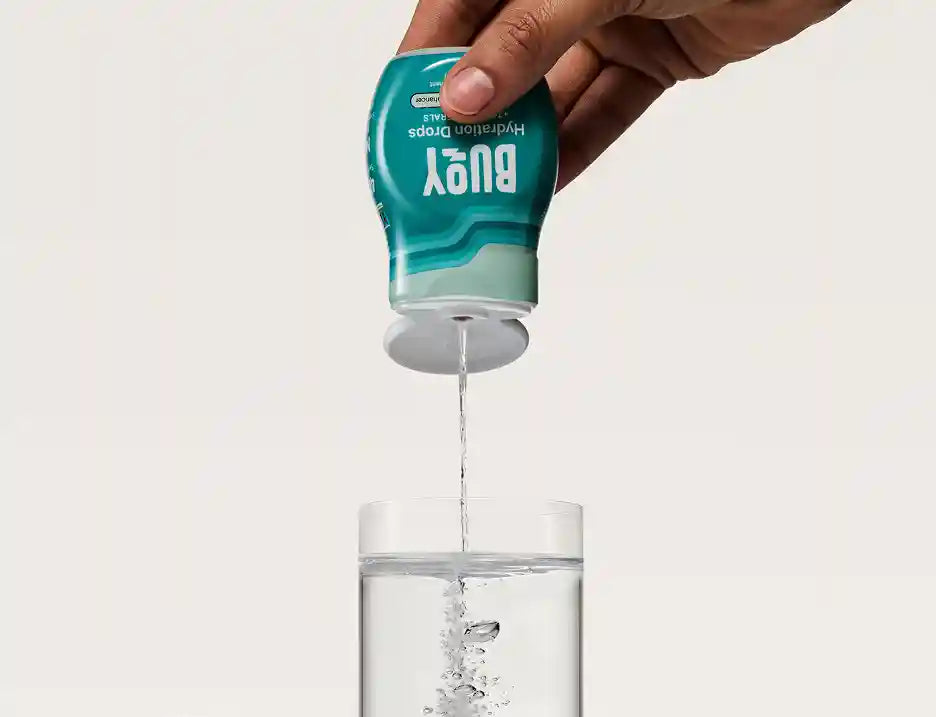
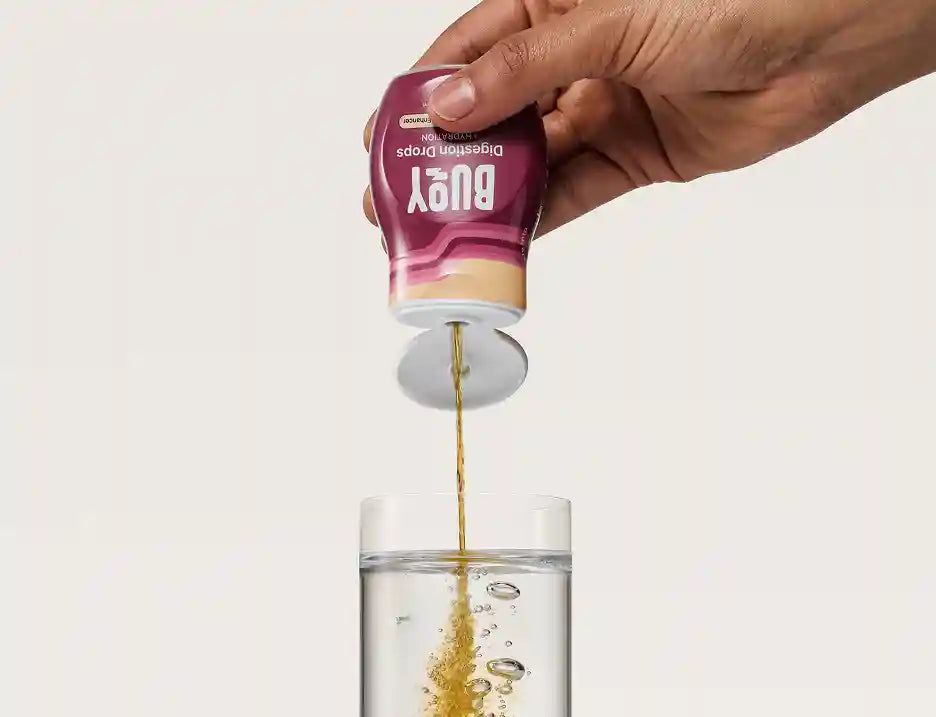
Drinking more water helps but water alone isn’t always enough. The body needs electrolytes to absorb and retain fluid effectively. That’s where Buoy’s Hydration Drops come in.
They’re designed to fit into your daily routine. You can add a few drops in your water bottle, smoothie, or tea and create a balanced mix of electrolytes without excess sugar or artificial ingredients. For women navigating monthly cycles, that means better support for hydration, energy, and overall balance through each phase.
Unlike high-sodium sports drinks, Hydration Drops are gentle enough for everyday use, even for people who aren’t working out. They replace what’s lost through natural hormonal shifts, sweating, and day-to-day activity, keeping your hydration consistent no matter what your cycle stage looks like.
The Science: How Hormones Influence Hydration
According to researchers at the Journal of Sport Science & Medicine, hormonal fluctuations significantly affect fluid and electrolyte regulation in women [1]. “During high-oestrogen phases, the body may excrete more sodium, which can slightly increase dehydration risk if fluid intake is low. During progesterone-dominant phases, water and sodium are retained, sometimes causing swelling or bloating.
Another study in Sports Medicine [2] found that women’s hydration needs vary more widely than men’s, particularly in heat or during exercise. The researchers suggested that understanding these changes is critical to maintaining hydration and performance throughout the menstrual cycle.
Even outside of athletic contexts, these shifts matter. Everyday dehydration can make menstrual discomfort worse. The body may respond to sodium and water imbalances with increased muscle tension (leading to cramps), lower blood pressure (causing fatigue or dizziness), and disrupted thermoregulation (feeling cold or overheated more easily).
Water Retention vs. Dehydration
Many women experience bloating and water retention in the days before their period. It can feel contradictory to suggest drinking more water when your body already feels swollen. But the science supports it.
Increasing water intake helps the kidneys balance sodium levels, which can reduce feelings of bloating.. A 2021 study in BMC Women’s Health [3] found that women who increased daily water intake during menstruation reported reduced pain intensity, shorter bleeding duration, and less need for pain medication.
Here’s why: when the body senses dehydration, it holds on to sodium and water defensively. Drinking more fluids, especially with electrolytes, signals that hydration levels are sufficient, allowing the body to release excess retained water.
Electrolytes and Cramp Management
Muscle cramps are often linked to dehydration or electrolyte imbalance. Sodium, potassium, calcium, and magnesium all play a role in muscle contraction and relaxation. When these minerals are out of balance, uterine muscles can spasm more intensely.
Research published in JAMA suggested that changes in sodium and magnesium levels may play a role in premenstrual symptoms [4]. Supporting balanced intake throughout the cycle can help stabilise nerve and muscle function, potentially easing cramps and reducing fatigue.
That doesn’t mean you need to load up on sodium. The key is maintaining balance: replacing what’s lost through sweat, urination, and hormonal changes without overshooting in any direction. Hydration Drops provide a steady, everyday source of electrolytes that supports this equilibrium naturally.
How Sodium and Potassium Work Together
Sodium and potassium are partners in regulating fluid balance. Sodium pulls water into the bloodstream, while potassium helps move it into cells. When sodium levels climb too high (from salt cravings or processed foods), water retention increases. When potassium is too low, cells struggle to hold on to hydration.
During the luteal phase, many women report salt cravings [5]. Some researchers suggest this may relate to subtle electrolyte shifts earlier in the cycle. But excess sodium without sufficient potassium or magnesium can worsen bloating.
Balancing these two minerals is essential. Natural sources like bananas, leafy greens, avocados, and nuts provide potassium and magnesium. Electrolyte supplements like Hydration Drops ensure you’re maintaining that balance, especially when dietary intake fluctuates.
Energy, Mood and Fatigue Across the Cycle
Hydration also influences energy production and cognitive function. Mild dehydration, even as little as 1–2% fluid loss, can reduce alertness and increase perceived effort in daily tasks [1][2]. Add in the hormonal fatigue that often appears pre-menstruation, and the combination can feel draining.
Proper electrolyte balance helps stabilise blood pressure, oxygen transport, and cellular energy production. It’s a foundational step for maintaining steady energy and mood through hormonal shifts.
While electrolytes can’t fix every mood fluctuation, they do create a physiological environment where the brain and body can operate more efficiently. That’s especially relevant during the late luteal and menstrual phases, when many women report increased fatigue, headaches, or brain fog.
What About Caffeine, Sugar, and Alcohol?
All three can influence hydration and electrolyte balance.
-
Caffeine: A mild diuretic, caffeine increases fluid loss in sensitive individuals. Replacing that fluid with electrolyte-enhanced water prevents minor dehydration.
-
Sugar: Many sports drinks contain high sugar levels, which can actually draw water into the gut and away from cells. Hydration Drops are sugar-free, making them suitable for consistent use.
- Alcohol: Alcohol reduces the release of vasopressin, a hormone that helps the body hold onto water. Hydrating with electrolytes before and after drinking can reduce dehydration-related headaches or fatigue.
By moderating these factors, women can maintain more stable hydration levels throughout their cycles.
Practical Tips for Better Hydration During the Menstrual Cycle
-
Track your hydration like you track your cycle. Note days when bloating, fatigue, or headaches increase, they often align with hormonal changes that influence fluid balance.
-
Use electrolyte-based hydration daily. A few drops in your water throughout the day can help prevent both dehydration and water retention.
-
Increase fluids in the luteal and menstrual phases. The body can retain more sodium and sometimes lose potassium during this stage [5].
-
Watch for hidden dehydrators. Alcohol, caffeine, and excess salt can compound fluid imbalances.
- Prioritise consistency. It’s not about overhydrating during your period. It's about maintaining steady, balanced hydration all month long.
Supporting Women’s Health Through Everyday Habits
Electrolytes are often discussed in the context of athletic performance, but their role in women’s health extends far beyond that. Hydration impacts circulation, digestion, thermoregulation, and even sleep quality, all of which can fluctuate with hormones.
By paying attention to how hydration changes across the month, women can support better physical comfort, improved focus, and more consistent energy. And because Hydration Drops integrate easily into daily routines, they make this kind of proactive support both practical and sustainable.
At Buoy, we believe wellness should start with small, simple actions that make a measurable difference. Staying hydrated with electrolytes is one of them, especially for women whose bodies naturally cycle through fluid and energy changes every month.
References
[1] Giersch G.E.W., Charkoudian N., Stearns R.L., Casa D.J. Fluid and electrolyte balance considerations for female athletes. Journal of Sports Science and Medicine. 2021. https://pubmed.ncbi.nlm.nih.gov/34121620/
[2] Giersch G.E.W., Morrissey M.C., et al. Fluid balance and hydration considerations for women: Review and future directions. Sports Medicine. 2020. https://pubmed.ncbi.nlm.nih.gov/31641955/
[3] Al Jefout M., Seham A.F., Jameel H., et al. The role of water intake in the severity of pain and menstrual distress. BMC Women’s Health. 2021. https://pubmed.ncbi.nlm.nih.gov/33509179/
[4] Thys Jacobs S., Alvir J., Jackson R. The electrolyte therapy of premenstrual distress. JAMA. 1980. https://pubmed.ncbi.nlm.nih.gov/7191757/
[5] Matthews T.E., et al. Relation between sodium balance and menstrual cycle symptoms in women. American Journal of Obstetrics and Gynecology. 1996. https://lilynicholsrdn.com/electrolytes-pregnancy/