







Electrolytes During Pregnancy and Postpartum: What You Need to Know
Pregnancy and the postpartum period bring profound changes to a woman’s body, from blood volume and hormonal shifts to new nutritional and hydration demands. One often-overlooked element in this journey is electrolyte balance. While discussions tend to centre on folic acid, iron and overall fluid intake, the role of electrolytes - sodium, potassium, magnesium, calcium and chloride - is equally important. Getting it right can support hydration, muscle & nerve function, blood pressure regulation, and overall comfort for both mother and baby.
Key Take-Takeaways
-
Pregnancy increases fluid and electrolyte demands: both because of increased maternal plasma volume and the needs of the developing baby.
-
Electrolytes support hydration, nerve/muscle function, blood pressure regulation and may help ease common pregnancy/postpartum symptoms (cramps, swelling, fatigue).
-
Postpartum and breastfeeding also bring elevated electrolyte and fluid needs, the body is still supporting a baby and recovering from labour.
-
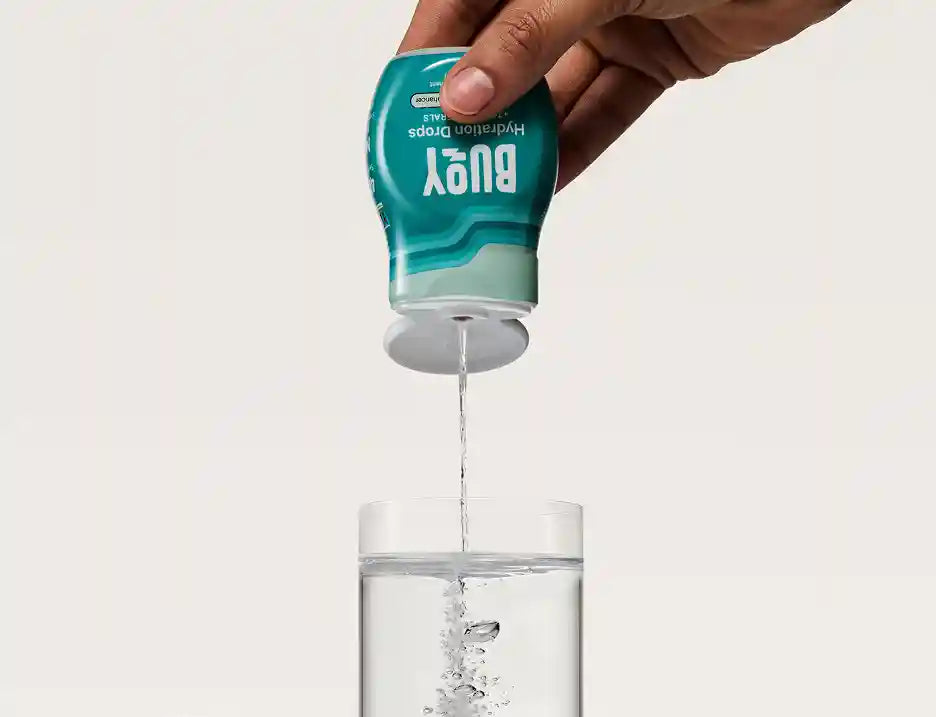
While a varied diet remains the foundation, adding an electrolyte-support option (such as our Hydration Drops) can be a practical, low-hassle way to help cover fluctuating needs.
- Always check with your healthcare professional before adding supplements or changing hydration/medical routine, especially if you have pre‐existing conditions.
Hydration isn’t simply about drinking water: it’s about retaining it, and that requires a proper mineral balance.
- Why Electrolytes Matter More Than You Think
- Pregnant Body: What’s Changing and Why It Affects Electrolytes
- Practical Electrolyte & Hydration Guidance for Pregnancy
- Common Scenarios & How Electrolytes Help
- How to Implement an Electrolyte-Hydration Strategy
- Safety Considerations & When to See Your Clinician
- The Big Picture
Why Electrolytes Matter More Than You Think
During pregnancy, many physiological changes take place that affect fluid and electrolyte balance. For example, plasma volume increases significantly (by as much as 40-50%) to support the growing fetus and placenta. The kidneys adapt, hormone levels shift, and the body gradually builds new homeostasis around these changes.
Electrolytes play pivotal roles: sodium and chloride help maintain extracellular fluid volume; potassium is critical for cellular fluid balance and muscle/nerve signalling; magnesium supports muscle relaxation and energy metabolism; calcium ties into nerve and muscle activity as well as bone health.
When the body’s mineral balance is off, hydration can become inefficient. You might drink plenty of water, yet still feel fatigued, have muscle cramps or swelling, or experience headaches or dizziness. During pregnancy or postpartum, these symptoms can compound and make daily life more challenging. That’s where consistent, balanced electrolyte support becomes useful.
Pregnant Body: What’s Changing and Why It Affects Electrolytes
Plasma Volume and Fluid Shifts
From early in pregnancy, blood volume begins to rise. As mentioned, this expanded volume means more fluid to distribute and more mineral content to manage. One study of pregnant women found that increased total water intake (TWI) correlated with increased urine volume and changes in urine electrolyte concentrations indicating that hydration status and electrolyte balance are tightly linked in pregnancy.
Hormonal Influence on Kidney and Salt Regulation
Hormones such as progesterone and oestrogen (which significantly increase during pregnancy) influence kidney function, sodium and water retention, and acid–base balance. For instance, mild respiratory alkalosis and increased bicarbonate excretion have been documented during pregnancy. Sodium requirement is elevated to support expanded extracellular fluid volume and amniotic fluid, and the renin–angiotensin–aldosterone system is up-regulated.
Electrolyte Disorders and Pregnancy Outcomes
Electrolyte disturbances are not merely “nice to manage”, they can influence serious outcomes. A study found associations between low and high levels of sodium, potassium and calcium and hypertensive disorders in pregnancy (such as pre-eclampsia). While the exact causal mechanisms remain under investigation, the findings underscore that electrolyte balance is part of maternal health risk profiles.
In short: pregnancy = more water + more blood + increased nutrient and mineral demands + changing hormonal controls = greater importance for electrolyte support.
Practical Electrolyte & Hydration Guidance for Pregnancy
How Much Fluid?
Standard guidance often recommends 8–12 cups of fluids per day (~1.9–2.8L) for pregnant women, but higher needs may apply depending on body size, activity, climate and health.
But it’s not just about volume. One study in pregnant women showed that despite adequate fluid intake some biomarkers (e.g., urine osmolality, urine electrolyte concentrations) indicated sub-optimal hydration.
What About Electrolytes Specifically?
-
Sodium: The body demands more sodium during pregnancy due to increased extracellular fluid volume and fetal/placental needs.
-
Potassium & Magnesium: These support muscle & nerve function (including leg cramps, common in pregnancy), help regulate fluid movement between compartments, and support overall hydration.
- Calcium: While often framed in bone health terms, calcium also modulates blood pressure, muscle contractility and may reduce risk of hypertensive complications.
Choosing Products Thoughtfully
When selecting electrolyte support, especially during pregnancy or postpartum (including breastfeeding), bear in mind:
-
Low sugar and minimal additives (high sugar can draw water into the gut instead of cells).
-
Clear label of electrolytes (sodium, potassium, magnesium, calcium) and their amounts.
- No excessive sodium beyond what your healthcare provider recommends (women with high blood pressure or pre-eclampsia risk should be monitored).
And of course, always consult your healthcare provider before introducing a new supplement.
The Role of Hydration Drops
At Buoy, we recognize that keeping up with fluctuating hydration and mineral demands can feel like one more thing on the list. That’s why our Hydration Drops are designed for pregnancy and postpartum as a simple, daily additive to water or other suitable drinks. Just a few drops deliver a balanced envelope of electrolytes (without excess sugar), making it easier to support fluid balance, muscle comfort, nerve signalling and overall hydration without overthinking each mineral separately.
Because your body’s requirements shift with weeks of high demand (labour, recovery, breastfeeding) and weeks of everyday demands, an adaptable, easy-to-use solution like Hydration Drops helps you stay on top of it.
Common Scenarios & How Electrolytes Help
Leg Cramps, Backaches & Muscle Fatigue
Leg cramps and restless legs are common in pregnancy and postpartum. These are often linked to fluid and electrolyte imbalance, especially low potassium or magnesium paired with sodium shifts. Supporting adequate intake of these minerals, alongside hydration, may reduce cramp frequency and provide better muscle comfort.
Swelling & Water Retention (“Puff Up” Feelings)
Swelling (edema) is common in pregnancy. Ankles, feet, hands can be affected. While excessive sodium is often blamed, the bigger issue is fluid + mineral imbalance (often sodium vs potassium). When the body is overloaded or under-hydrated, fluid can leak into interstitial spaces. Adequate potassium, magnesium and hydration can help regulate this.
Morning Sickness, Vomiting & Electrolyte Loss
Severe vomiting (hyperemesis gravidarum) leads to fluid and electrolyte losses (sodium, potassium) and often dehydration. This makes support all the more important. Post-vomiting, sipping electrolyte-enhanced fluids (with the approval of your doctor) may help restore balance gently.
Postpartum & Breastfeeding
In the early postpartum period, your body is busy: recovery from labour, supporting breastfeeding, and regulation of fluid shifts (from pregnancy to non-pregnant state). Research points to increased demands for hydration and electrolytes during lactation. Electrolytes assist with milk production (which is mostly water and minerals), maternal energy levels, and overall wellness. Using Hydration Drops in this window helps simplify support while you focus on recovery and your baby.
How to Implement an Electrolyte-Hydration Strategy
Here’s a practical weekly guide you can follow, tailored for pregnancy and early postpartum:
Week 1–4 (Early Pregnancy)
-
Focus: establishing a baseline.
-
Aim for ~2–2.5L fluids per day (increase if you’re in a warmer climate or more active).
-
Add Hydration Drops to one large water bottle (~500mL) each morning.
-
Ensure diet includes potassium-rich foods (bananas, sweet potatoes, spinach) and magnesium sources (nuts, seeds, whole grains).
- Monitor signs: dark urine, headaches, dizziness may signal inadequate hydration.
Week 5–20 (Mid Pregnancy)
-
Fluid demands rise as the body is building blood/plasma volume.
-
Use Hydration Drops twice per day (morning + post-lunch) to anchor electrolyte support.
-
Be mindful of added salt. If you notice swelling, talk to your midwife about monitoring sodium intake.
- Keep up with potassium and magnesium foods; leg cramps may appear, so adding a small magnesium-rich snack (almonds + banana) can help.
Week 21–40 (Late Pregnancy)
-
Sodium retention and fluid shifts intensify; swelling may increase.
-
Hydration Drops in morning and afternoon; consider adding one in the early evening if you are active or in heat.
-
Stay mobile: gentle walks help circulation and reduce fluid pooling.
- Monitor blood pressure and discuss any electrolyte supplement use with your clinician especially if any signs of hypertensive disorders appear.
Postpartum & Breastfeeding (Weeks 0–12)
-
The body transitions yet still requires elevated fluid and electrolyte support.
-
Use Hydration Drops in your preferred water bottle throughout the day - especially if breastfeeding (which increases fluid demand) and if you are sleeping less or recovering from surgery/trauma (e.g., C-section).
-
Set reminders (e.g., each feeding time) to sip water or electrolyte-enhanced water.
- Aim for varied diet plus consistent fluids; if you have bouts of diarrhoea, vomiting or heavy sweating, consider bumping up intake slightly and contacting your healthcare professional if you feel dizzy or faint.
Safety Considerations & When to See Your Clinician
While electrolyte support is beneficial, some cautions apply:
-
If you have pre-existing hypertension, kidney disease, heart disease (or are on medications affecting fluid/mineral balance), you must consult your healthcare provider before adding electrolyte supplements.
-
High sodium intake is not always beneficial, especially in the context of hypertension or preeclampsia risk. The key is balance, not over-consumption.
-
Supplement product labels matter: some electrolyte mixes contain high sugar, caffeine or additives that aren’t ideal in pregnancy. Choose low-sugar, clearly labelled mineral content products.
- If you experience persistent swelling (especially sudden or asymmetric), headaches, vision changes, dizziness or elevated blood pressure, contact your doctor, these may indicate hypertensive disorders of pregnancy rather than simple hydration shifts.
The Big Picture
Pregnancy and postpartum are times of heightened demand. Your body is doing more than ever, growing a baby, recovering from labour, adapting to lactation, managing hormonal shifts, and hydration plus electrolyte support becomes a foundational part of that.
By understanding how sodium, potassium, magnesium, calcium and fluid interplay during this period, you can take proactive steps to support your comfort, energy, muscle and nerve function, blood pressure and overall wellness.
At Buoy, we designed Hydration Drops with this in mind: easy to integrate into your day, pregnancy- and postpartum-friendly, sugar-minimal, and focused on helping your body manage those elevated demands.
This isn’t about perfection or replacing medical advice, it’s about making hydration smart, adaptable and easy. Because when you nourish your body well, you support both your own wellbeing and that of your baby or baby-to-be.
Stay hydrated. Stay balanced. And give yourself permission to take care of the fundamentals because they matter more than ever.
References
[1] Fetomaternal Acid–Base Balance and Electrolytes during Pregnancy. Frontiers in Physiology. 2022 https://pmc.ncbi.nlm.nih.gov/articles/PMC9108779/
[2] Kin Fertility. Drinking Electrolytes While Pregnant: The Role It Has In Pregnancy. Kin Fertility Blog. 2024. https://kinfertility.com.au/blog/drinking-electrolytes-while-pregnant
[3] Al-Mashhadi A, et al. Water Intake and Hydration Status among Pregnant Women: A Cross-Sectional Study. BMC Pregnancy and Childbirth. 2024 https://pubmed.ncbi.nlm.nih.gov/38201946/
[4] National Research Council. Water and Electrolytes – Recommended Dietary Allowances. National Academies Press (US); 2019. https://www.ncbi.nlm.nih.gov/books/NBK234935/
[5] [9] The Importance of Electrolytes During Pregnancy. BumptUp. 2023. https://bumptupapp.com/the-importance-of-electrolytes-during-pregnancy/
[6] Can You Drink Electrolytes While Pregnant? Complete Women’s Care. 2023. & https://completewomenscare.net/can-you-drink-electrolytes-while-pregnant/
[7] Awoleke JO, et al. Association of Hypertension in Pregnancy with Serum Electrolyte Abnormalities. J Obstet Gynaecol Res. 2023 https://pubmed.ncbi.nlm.nih.gov/38017060/
[8] Wu Y, et al. Dietary Calcium Intake and the Onset of Pre-eclampsia. Nutrients. 2023 https://pmc.ncbi.nlm.nih.gov/articles/PMC9832228/
[10] Nichols L. Electrolytes & Pregnancy: Why These Minerals Are Crucial and How to Get Enough. Lily Nichols RDN. 2021.