4.8 out of 5
4.8/5 out of 5,517 reviews

Healthy Drinks for Teens: Hydration Alternatives to Sports Drinks & Soda

The beverage aisle has gotten a lot more confusing for parents trying to figure out what's actually fine for their teenager to drink. Sports drinks, energy drinks, "healthy" sodas, and flavored waters have multiplied, but the guidance on what's actually good for a teen hasn't always kept up.

That changed in early 2025, when the American Heart Association and others released joint recommendations specifically for kids and teens ages 5 to 18. The short version: water and plain milk are great options, and drinks with added sugar should generally be avoided. Here's what that actually means in practice, when electrolytes make sense for a teenager, and where they don't.
Real Hydration Support When Teens Actually Need It
No Sugar or Artificial Sweeteners
Built for Real Situations: Sports, Heat, and Illness
Know Exactly When Your Teen Actually Needs Electrolytes
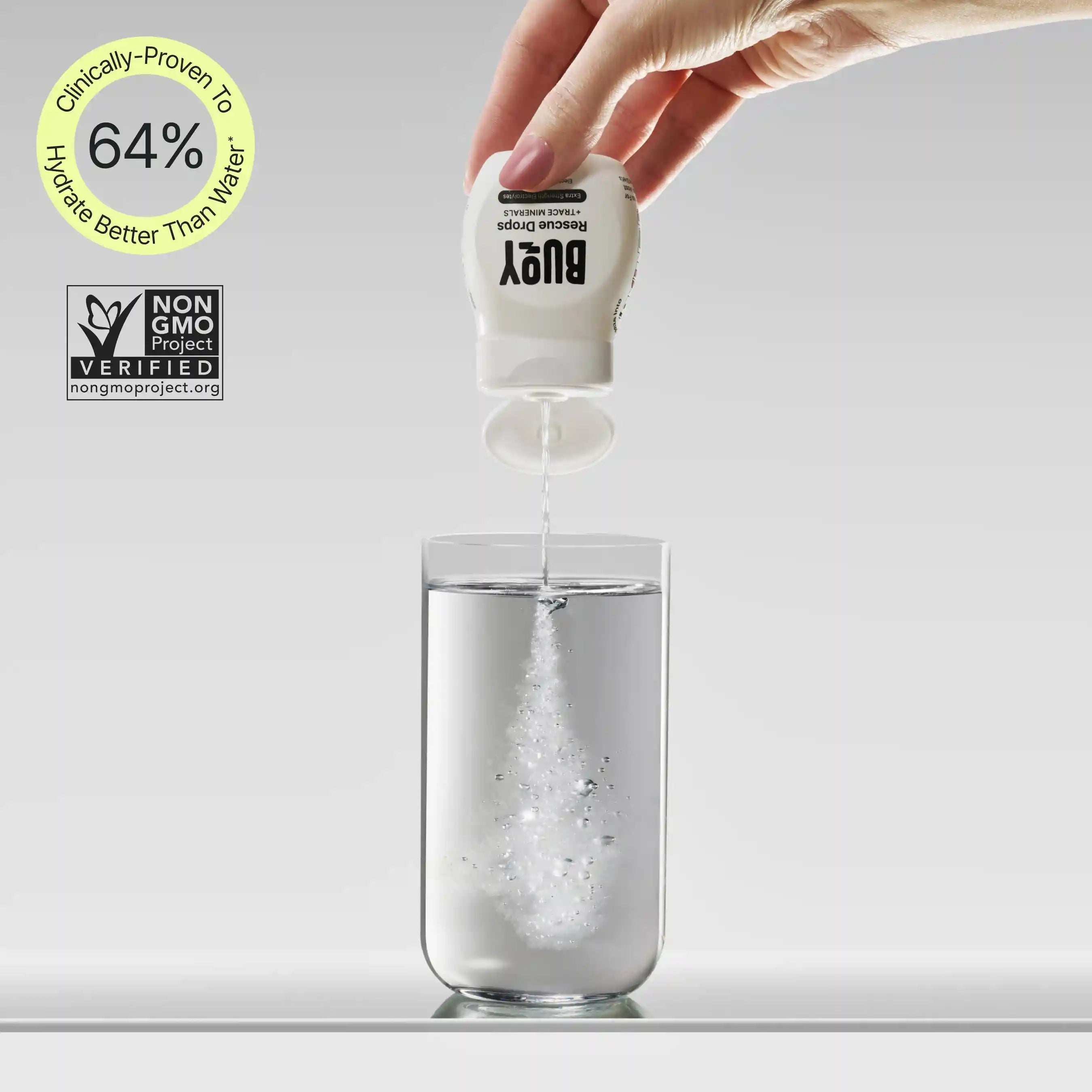
Hydrates 64% Better*View Clinical Study
Hydrates 64% Better* View Clinical Study

What Actually Makes a Drink Healthy for Teens?

Beverages with added sugar, non-sugar sweeteners, and artificial flavors are recommended to be avoided altogether. That doesn't mean every other drink is off the table. It means most of them fall into a "limit" category, but your teen doesn’t necessarily need to avoid them entirely.

CategoryExamplesGuidance
DrinkPlain water, plain milkShould be the default choice for most hydration needs
Limit100% fruit juice, flavored milk, plant-based milk alternatives, sports drinks (outside of intense exercise)Fine occasionally, not as a daily habit
AvoidSoda, sugary drinksAvoid added sugar and artificial sweeteners 


There's one notable exception in the guidelines worth calling out: sports drinks are considered appropriate for teens doing prolonged, intense physical activity in heat or humidity. The distinction matters, since it's not "sports drinks are bad;" it's "match the drink to the actual physical demand."
What Are the Best Electrolytes for Teens?
If you do decide an electrolyte drink makes sense for your teen, a few things matter more than flavor:
  • No added sugar, since sugary drinks are one of the specific categories recommended for teens.
  • No caffeine, given the lack of an established safe threshold for anyone under 18.
  • No artificial sweeteners, since long-term safety data in teens is still limited.
  • A reasonable, food-based mineral source rather than an unclear "proprietary blend."
  • Third-party testing, so you know what's actually in the product.
If you're not sure what qualifies as an electrolyte, this breakdown of what an electrolyte actually is covers the basics.
When Teens Actually Need Electrolytes
A few situations tend to come up most often for teenagers specifically:
  • Two-a-day practices or tournaments in hot weather, where sweat loss is significant and repeated.
  • Illness involving vomiting or diarrhea, which depletes fluids and minerals quickly.
  • Marching band, long outdoor rehearsals, or work shifts in heat, situations that don't always come to mind as "exercise" but involve similar fluid loss.
  • After a particularly intense workout or game, even outside of a formal sports season.
Healthy Drinks for Teens: Why Most Sports and Energy Drinks Don’t Get It Right
This is where a lot of "electrolyte" products for teens fall short. Many popular sports drinks pair legitimate electrolytes with 30+ grams of added sugar per bottle. Sugar doesn’t do anything to improve hydration.

Buoy Hydration Drops: A Clean Ingredient, Healthy Drink for Teens

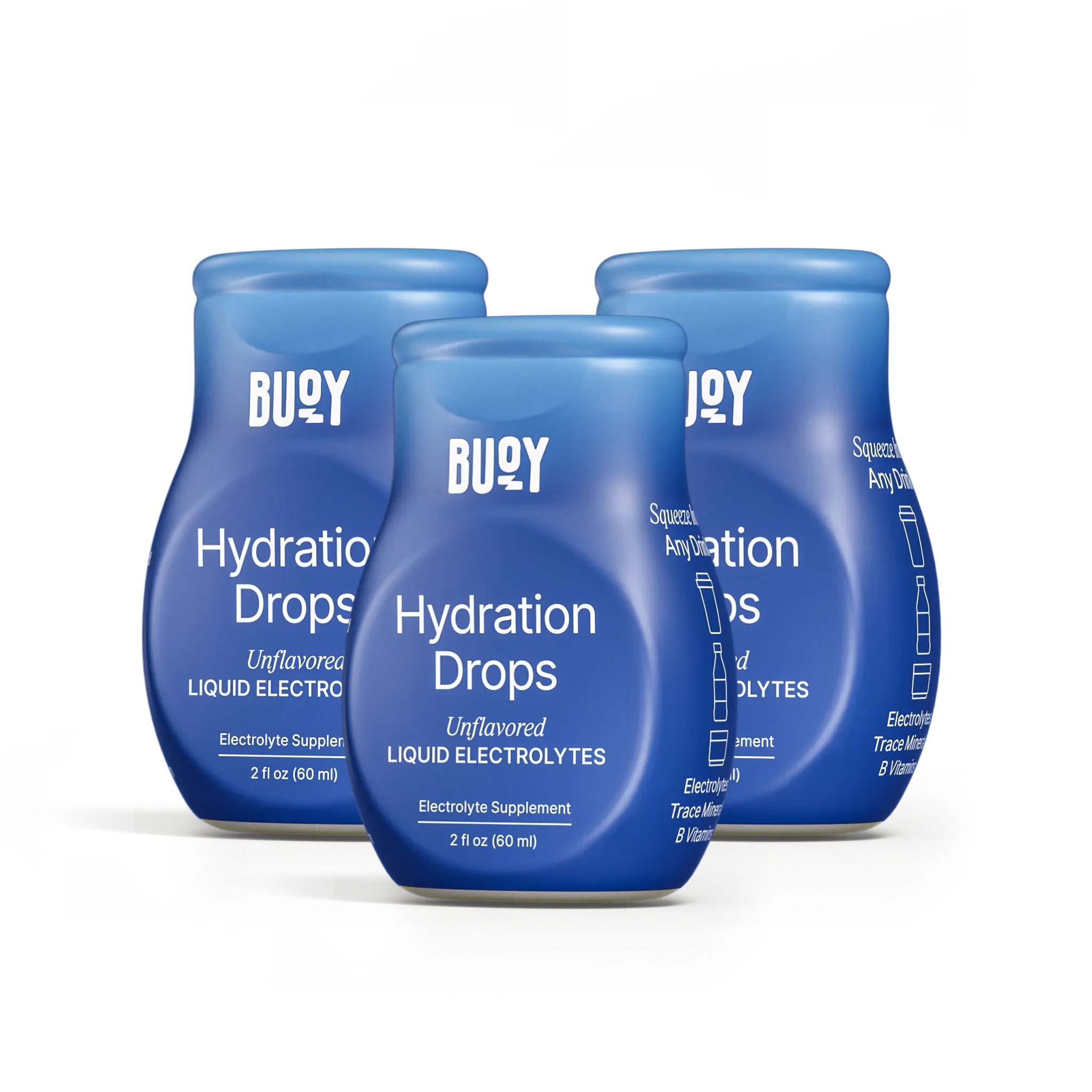
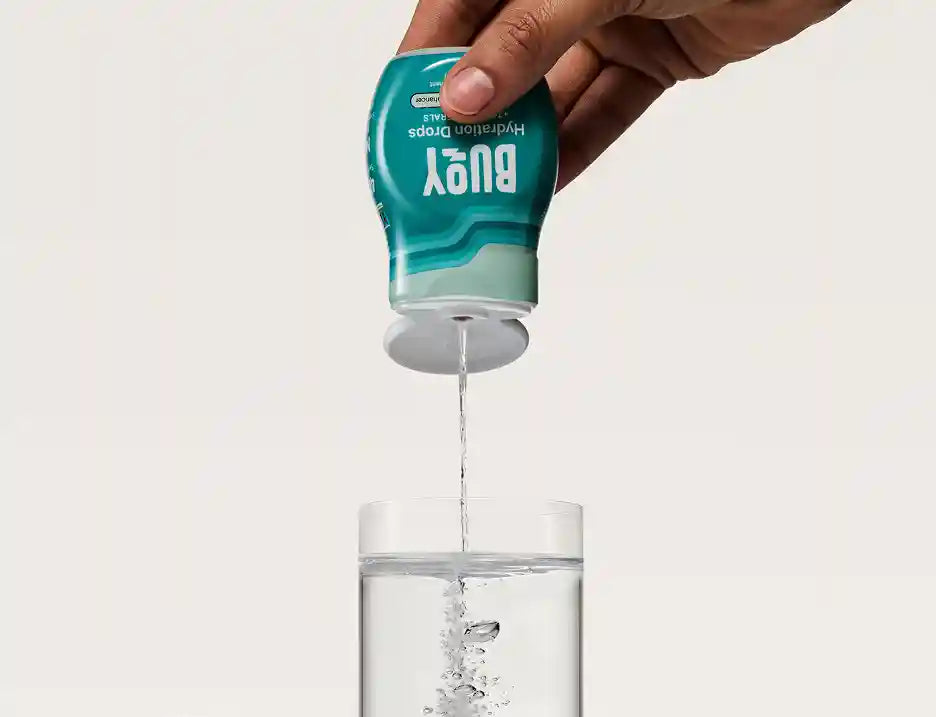
Buoy Hydration Drops are formulated without any of the ingredients pediatric guidelines flag for teens.

Because Hydration Drops are unflavored, they don't compete with soda or sports drinks on taste appeal, which is actually part of the point.
Zero sugar, zero caffeine, zero artificial sweeteners
87+ trace minerals from ocean-sourced ingredients
Unflavored, so it can be added to water without turning into a sugary drink
A single squeeze per serving, easy to use before or after practice
View Clinical Study
Hydration Drops
Hydration Drops
The original liquid electrolyte
from  $30.03
Save Up To $8.97
Learn More
Add to Cart
4.8 out of 5
4.8/5 from 5,517 Reviews
Hydration Drops
The original liquid electrolyte
Rescue Drops
Rescue Drops
6x stronger, high sodium electrolyte
from  $34.65
Save Up To $10.35
Learn More
Add to Cart
4.8 out of 5
4.8/5 from 810 Reviews
Rescue Drops
6x stronger, high sodium electrolyte
Liquid Electrolyte Variety Kit
All six of our liquid electrolytes
from  $67.76
Save Up To $20.24
Add to Cart
4.7 out of 5
4.7/5 from 9,504 Reviews
Liquid Electrolyte Variety Kit
All six of our liquid electrolytes
Build Your Own Bundle
Bundle 3+ items for maximum savings
Max Savings + Free Gifts
12M+
1.4M+
4.7 out of 5
4.7/5 out of 12,169 reviews

We didn't just go viral, we found our community

"Thank you for making a sugar AND stevia free electrolyte"
"... plus Buoy gives me more energy than the powder packets"
"My favorite zero sugar electrolyte! No calories or carbs! Perfect for those sensitive to stevia and monk fruit."

Why Choose Buoy?

Buoy's Clinical Study

The Study Behind the Squeeze

Buoy’s formula was tested in a crossover-design study through a university research team, comparing it directly against plain water and a competing electrolyte brand. The result: a 10x greater increase in net fluid balance than water alone. For a parent trying to figure out if this is worth adding to a teen's gym bag, that's the actual data point that matters.

Buoy is also recommended by more than 900 doctors and dietitians for people actively restoring mineral balance.

Hydration Drops Compared to Typical Sports and Energy Drinks

These drops are designed to be added to plain water, not to replace it with something sweetened.

FeatureBuoy Hydration DropsTypical Sports/Energy Drinks
Added sugar0gOften 20–36g per serving
CaffeineNoneCommon in energy drinks
Artificial sweetenersNoneCommon in "diet" or "zero" versions
FormatUnflavored liquid dropsPre-flavored, often colored liquid
Fits current pediatric guidelinesYesGenerally flagged to avoid or limit

A Note on Buoy Rescue Drops for Highly Active Teens

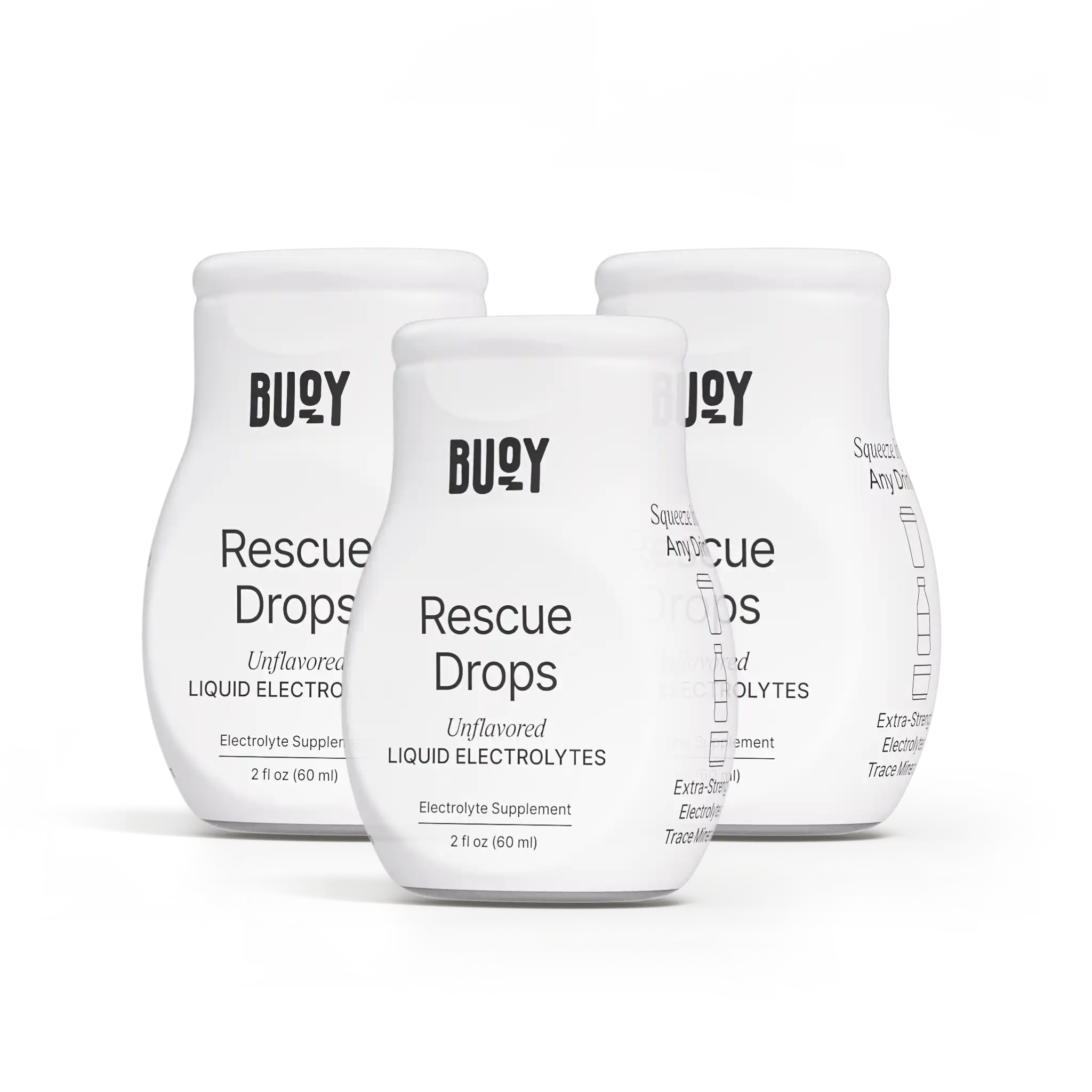
For a teen in intense, prolonged training, Buoy Rescue Drops offer a higher-sodium formula built for heavier sweat loss. This is a more concentrated product than Buoy Hydration Drops, with 300 mg of sodium per serving. It's worth talking to your teen about their hydration needs to see if this option is the right fit.

Electrolyte Needs Change Across Childhood

What's appropriate for a toddler, a younger kid, and a teenager isn't the same, since bodies, activity levels, and risks shift quite a bit across those stages.

Life StageTypical Electrolyte Need
ToddlersUsually met through diet and milk; supplementation only under pediatric guidance. Learn more about electrolytes for toddlers.
Kids (school age)Mostly water-based hydration; electrolytes situational (illness, heavy activity). Learn more about electrolyte drinks for kids.
TeensSimilar to kids, but may have more hydration needs during intense sports or heat exposure

Putting Buoy Hydration Drops to Work

The easiest products to actually stick with are the ones that don't require a change in habits. Here's how Buoy Hydration Drops fits into a few common teen scenarios.

SituationHow to Use It
Before a practice or gameOne squeeze in a water bottle, 30–60 minutes ahead of time
During a long practice or tournamentRefill and re-dose in a fresh bottle between sessions
Recovering from a stomach bugSmall, frequent sips in water rather than one large serving
Hot weather or outdoor work (yard work, band, jobs)Can easily add to their water bottle


Because it's unflavored, there's no flavor packet to remember and nothing that changes the taste of whatever they're already drinking. A product a teenager will actually use consistently beats one that ends up ignored in a backpack.

How Buoy's Sugar-Free Electrolytes Stack Up

Compare Buoy with leading competitors:

Frequently Asked Questions About Healthy Drinks for Teens

Should teenagers take electrolytes?

Yes, especially during exercise, hot weather, or when they're not feeling their best. Electrolytes help replace what's lost through sweat and support faster recovery, which matters for an active teen juggling practice, school, and everything in between.

What are the best electrolytes for teens?

Look for a formula with no added sugar and no artificial sweeteners, ideally sourced from real minerals rather than a vague "proprietary blend." Third-party testing is also worth checking for, so you know exactly what your teen is getting.

Can a 13-year-old have electrolytes?

Yes, a clean, sugar-free electrolyte formula is a reasonable option for a 13-year-old, particularly around sports, heat, or illness. If your teen has an underlying health condition, it's a good idea to run it by their pediatrician first.

Should I give my child electrolytes?

It's worth having on hand for the moments that call for it: heavy sweating, a stomach bug, or a long day in the heat. Keeping a sugar-free option ready means you're prepared rather than scrambling for something at the store when your teen needs it most.

What makes an electrolyte drink better than a typical sports drink for teens?

Most sports drinks pack in 20 to 30+ grams of sugar per serving to make up for a thin electrolyte profile. A cleaner option delivers real mineral replacement without the sugar crash that follows, which matters if your teen is drinking it regularly during a season.

How much sodium does an active teen actually need?

Sodium needs increase with sweat loss. A teen in a long practice or a hot-weather tournament loses meaningfully more than one sitting through a normal school day. Matching the electrolyte formula to the intensity of what they're doing is more useful than a single fixed number.

What are signs a teen might need more fluids or electrolytes?

A few common signs include:
  • Unusual fatigue or sluggishness, especially after activity or heat exposure
  • Headache
  • Dark yellow urine or noticeably less frequent urination
  • Muscle cramps during or after exercise
  • Dizziness or lightheadedness
Catching these early and reaching for fluids and electrolytes tends to help a teen bounce back faster than waiting it out.

Is Buoy Hydration Drops safe for teens?

Hydration Drops contain no sugar and no artificial sweeteners, which makes it a straightforward option for teen hydration. As with any supplement given to a minor, it's worth checking with your teen's pediatrician first, especially if they have an existing health condition or take medication.
“Electrolyte boost without any sweetness whatsoever.”
“Electrolyte boost you can add to coffee, tea, and even alcohol.”
“Drops supply calming energy and immune support.”
“Purposefully unflavored which means sugar-free, stevia, and sweetener-free.”
“Many of the 87 trace minerals in Buoy aren’t found in the conventional diet.”
“Anti-bloat liquid electrolyte drops."
“Buoy help broaden understanding of chronic illness.”
The world's first unflavored functional beverage additive.
“Buoy is also third-party tested, which isn’t common for electrolytes.”
Real People, Real Health Journeys