





Why Salt Helps Manage POTS Symptoms: Understanding the Benefits
For those living with Postural Orthostatic Tachycardia Syndrome (POTS), managing symptoms can feel like a constant balancing act. While many are aware that increasing salt intake can help, it’s important to note that not all salts are created equal.
But why exactly does salt help, and how can you incorporate a high-sodium diet for POTS safely into your daily routine? Let's take a look at the science behind salt's benefits for POTS patients and explore practical ways to make it work for you.
Key Takeaways
- Salt May Help POTS Symptoms Quickly: When combined with fluids, sodium may begin supporting blood volume and circulation within 15–30 minutes for some people with POTS, though response times vary.¹
- Consistent Sodium Intake Supports Long-Term Symptom Management: Many POTS specialists recommend 4,000–4,800 mg of sodium daily alongside adequate hydration to help improve orthostatic tolerance and reduce symptom fluctuations.
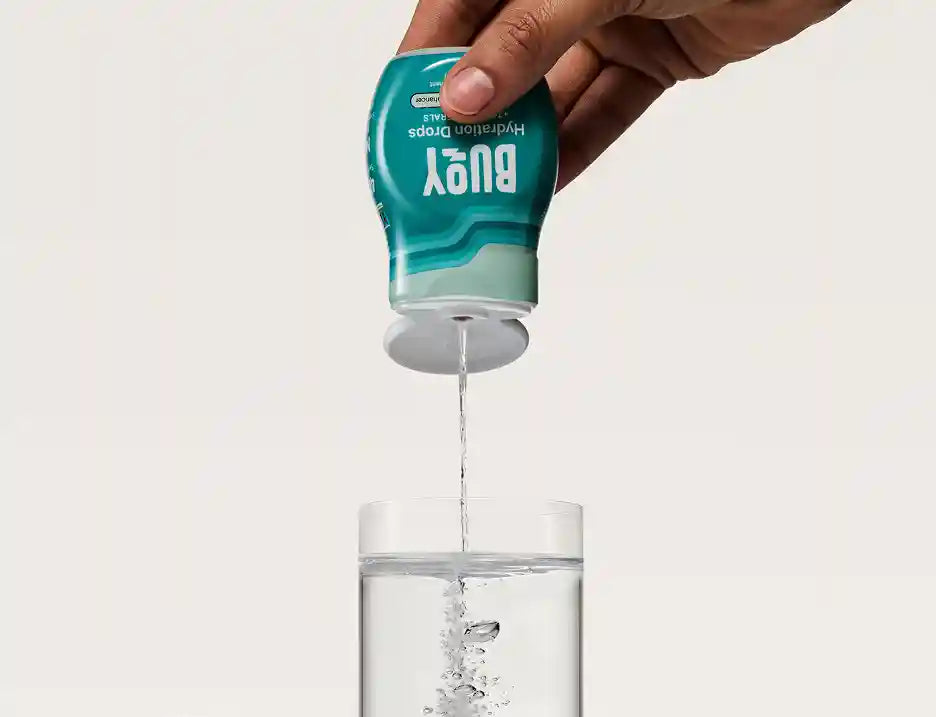
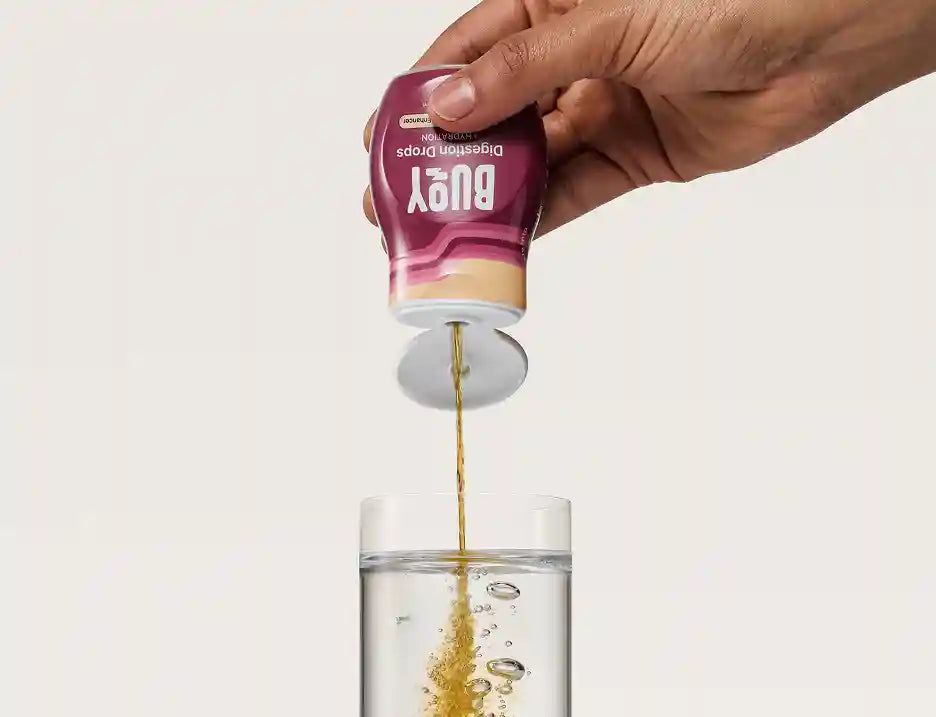
- Electrolytes and Hydration Work Together: Combining sodium with electrolyte products such as Buoy Rescue Drops or Buoy Rescue Salt may help support hydration and make it easier to meet daily sodium goals.
Let's take a look at the science behind salt's benefits for POTS patients and explore practical ways to make it work for you.
- How Fast Does Salt Help POTS?
- Why Do POTS Patients Need More Salt?
- How Quickly Does Salt Work for POTS Symptoms?
- Why Does Salt Impact Blood Volume and Circulation
- Incorporating More Salt into Your Diet Safely
- How Much Salt Should POTS Patients Consume?
- How Do Electrolytes Help in Managing POTS Symptoms?
- Potential Risks of Excessive Salt Intake
- Manage Your POTS Symptoms with Proper Salt Intake
How Fast Does Salt Help POTS?
For many people with POTS, salt can help alleviate symptoms quickly when combined with adequate fluids.³ Sodium helps the body retain water, increasing blood volume and improving circulation. As blood volume rises, symptoms like dizziness, lightheadedness, rapid heart rate, and fatigue may begin to improve.
The exact timeline depends on several factors, including hydration status, symptom severity, body size, activity level, and how sodium is consumed. Fast-acting options like electrolyte drinks, sodium supplements, or Buoy Rescue Drops may provide symptom relief more quickly than relying on dietary salt alone.
While some people notice benefits within minutes, others may require several hours or days of consistent sodium intake and hydration to experience meaningful improvements. Most POTS specialists recommend combining increased sodium intake with 2–3 liters of fluid daily for the greatest benefit.
Learn more about lifestyle and diet changes to help manage POTS.
Why Do POTS Patients Need More Salt?
Understanding the relationship between POTS and salt is crucial for symptom management. If you have POTS, you’re likely familiar with the dizzy spells, rapid heartbeat, and fatigue that can strike when you stand up.
These symptoms often stem from a drop in blood pressure, which is where high-quality salt comes to the rescue. Discover healthy, high-sodium snacks for POTS to improve your salt intake.
How Quickly Does Salt Work for POTS Symptoms?
The speed at which salt helps POTS symptoms depends largely on how it is consumed and whether it is paired with fluids.
Salt and Water Can Work Within 15-30 Minutes
Research shows that rapidly increasing fluid volume can improve orthostatic tolerance and reduce symptoms associated with POTS. Many patients report feeling better within 15–30 minutes after consuming sodium alongside water, particularly during symptom flares.⁴
Daily Sodium Intake Provides Long-Term Stability
While fast symptom relief is helpful, consistent sodium intake throughout the day helps maintain blood volume and reduce symptom fluctuations. This is why many POTS specialists recommend spreading sodium intake across meals, beverages, and supplements instead of consuming large amounts all at once.
What Affects How Fast Salt Works?
Several factors influence how quickly sodium helps:
- Your current hydration level
- The amount of sodium consumed
- Whether sodium is paired with fluids
- Activity levels and environmental temperature
- The severity of your POTS symptoms
Many people find that combining sodium with electrolyte products like Buoy Rescue Drops provides a convenient way to increase intake consistently throughout the day while supporting hydration.
The Role of High-Quality Salt in POTS Management
So, why does salt help POTS? Salt, particularly unrefined sea salt rich in minerals, helps your body retain water more effectively than regular table salt. For POTS patients, this extra fluid retention is crucial as it increases blood volume, which in turn helps maintain blood pressure when you change positions.
This leads to less dizziness, fewer fainting episodes, and more stable energy levels throughout the day.
Why Does Salt Impact Blood Volume and Circulation?
Salt plays a crucial role in helping your body retain water, which increases blood volume. For POTS patients, this extra fluid helps keep blood pressure stable, particularly when standing up.
High-quality sea salt, rich in essential minerals, supports this process, reducing symptoms like dizziness and lightheadedness by promoting healthy circulation.
Benefits of Increased Blood Volume
Increased blood volume has a domino effect that helps:
- Maintain blood pressure
- Reduce the workload on your heart
- Improve blood flow to your brain and other organs
The result? You feel more stable, energized, and less likely to experience those dreaded POTS symptoms.
Learn more about how to manage blood pressure fluctuations when dealing with POTS.
Incorporating More Salt into Your Diet Safely
Now that you know why high-quality salt is so beneficial, how can you make sure to get enough every day? Here are some practical tips to increase your sodium intake for POTS management:
- Choose the Right Salt: Choose unrefined sea salt that contains a variety of minerals, not just sodium chloride.
- Dissolve Salt in Drinks: Many high-quality salts dissolve easily in liquids, making them easy to consume.
- Season Mindfully: Use mineral-rich salt to enhance the flavor of your meals and snacks while supporting your health.
- Consider Salt Supplements: High-quality sodium supplements are an easy and convenient way to increase your daily sodium intake.
Remember, balance is key. While increasing your salt intake, it’s crucial to stay well-hydrated. Drink plenty of water throughout the day to support your increased sodium consumption. Experts recommend consuming at least 2 to 3 liters (8–10 cups) of water daily.¹
Discover more in our POTS diet and nutrition guide.
Buoy Quick Tip
Planning a workout? Give your body a head start. About 15–30 minutes before exercise, mix a pinch of Buoy’s Rescue Salt into your water bottle. This pre-workout salt boost can help maintain your blood volume during physical activity, potentially reducing exercise intolerance common in POTS patients.
Remember to stay hydrated throughout your workout for best results.
Want to learn more about managing POTS symptoms with proper nutrition? Check out our POTS Diet and Nutrition Guide.

Boost your salt intake the easy way: Just add a pinch of Buoy’s Rescue Salt to your meals, snacks, drinks, or directly on your tongue to help manage POTS symptoms.
How Much Salt Should POTS Patients Consume?
While many specialists recommend consuming between 4,000 to 4,800 mg of sodium per day, it’s essential to work with your healthcare provider to determine the right amount for you.¹
Consider a Sodium Supplement
Some salt supplements designed for POTS patients come with recommended daily servings. These can provide a good starting point, but always consult with your healthcare team to tailor the intake to your specific needs.
How Different Sodium Sources Compare for POTS
Finding the right balance in a high-sodium diet for POTS is essential. The optimal amount of salt can vary for each individual with POTS.²
| Sodium Source | Approximate Time to Feel Effects* | Convenience | Hydration Support |
| Salty Foods | 30-90 minutes | Moderate | Low |
| Sea Salt in Water | 15-45 minutes | High | High |
| Electrolyte Drinks | 15-30 minutes | High | High |
| Buoy Rescue Drops | 15-30 minutes | Very High | High |
| Sodium Supplements | 20-60 minutes | High | Moderate |
*Response times vary by individual and should not be considered medical guarantees.
How Do Electrolytes Help in Managing POTS Symptoms?
Electrolytes, including the minerals found in high-quality salt, play a crucial role in maintaining fluid balance in your body. For POTS patients, this balance is often disrupted, leading to symptoms like dizziness and fatigue.
Benefits of Electrolytes for POTS Patients
The right balance of electrolytes can help:
- Maintain proper hydration
- Support healthy blood pressure
- Reduce fatigue and muscle weakness
- Enhance brain function and reduce brain fog
- Support overall health
Proper electrolyte management is essential for POTS patients, as it can significantly improve symptoms and overall quality of life. Consult with a healthcare professional to determine the best approach for your specific needs.
Buoy Quick Tip
If you know you have a busy day ahead or an event where you’ll be standing for long periods, try “salt-loading” beforehand. Mix a quarter teaspoon of Buoy’s Rescue Salt into a glass of water and drink it about 30 minutes before the event. This can help boost your blood volume and potentially reduce POTS symptoms during the activity.
Potential Risks of Excessive Salt Intake
While high-quality salt can be a powerful tool in managing POTS, it’s important to approach it mindfully.
Always consult with your healthcare provider before making significant changes to your diet or salt intake. They can help you find the right balance and monitor for any potential effects.
Manage Your POTS Symptoms with Proper Salt Intake
Incorporating the right type and amount of salt into your diet can be a game-changer in managing your POTS symptoms. By understanding how sodium and POTS symptoms are interconnected, you can take a proactive approach to your health.
Work With Your Healthcare Team
Remember, everyone’s needs are different. Work closely with your healthcare team to determine the right amount of sodium for you.
Learn More About POTS
Want to learn more about managing POTS? Our Buoy Rescue Kit can help provide the additional sodium intake you need.
With the right balance of salt, proper hydration, and other management strategies, you can take control of your POTS symptoms and enjoy a better quality of life.

References:
- Sheldon R.S., Grubb B.P., 2nd, Olshansky B., et al. 2015 Heart Rhythm Society Expert Consensus Statement on the Diagnosis and Treatment of Postural Tachycardia Syndrome, Inappropriate Sinus Tachycardia, and Vasovagal Syncope. Heart Rhythm. 2015;12(6)–e63. Retrieved from https://www.ncbi.nlm.nih.gov/pmc/articles/PMC5267948/
- Raj, S. R., Guzman, J. C., Harvey, P., Richer, L., Schondorf, R., Seifer, C., Thibodeau-Jarry, N., & Sheldon, R. S. (2022). Canadian Cardiovascular Society Position Statement on Postural Orthostatic Tachycardia Syndrome (POTS) and Related Disorders of Chronic Orthostatic Intolerance. Canadian Journal of Cardiology, 38(3), 357–372. Retrieved from https://pmc.ncbi.nlm.nih.gov/articles/PMC9296699/
- Fu, Q., & Levine, B. D. (2018). Exercise and non-pharmacological treatment of POTS. Autonomic Neuroscience, 215, 20–27. Retrieved from https://pmc.ncbi.nlm.nih.gov/articles/PMC6289756/
- Wells, R., Spurrier, A. J., Linz, D., Gallagher, C., Mahajan, R., Sanders, P., & Page, A. (2021). Postural tachycardia syndrome: Current perspectives. Autonomic Neuroscience, 235, 102828. Retrieved from https://www.sciencedirect.com/science/article/pii/S1566070221001363