





How to Stop Muscle Cramps Fast
Imagine you're in the middle of a critical workout, a game, or even just a walk in the park, and suddenly your muscles lock up. The searing pain of a muscle cramp strikes without warning, disrupting your flow and leaving you clutching the affected area in agony.
It's a universal experience that knows no boundaries, affecting athletes and desk workers alike. But what if there was a quick, effective way to not only manage these painful interruptions but prevent them from happening in the first place?
That's where Buoy comes in. Our range of electrolyte and mineral drops, including Buoy Hydration Drops, Buoy Energy Drops, and Buoy Immunity Drops, offer an innovative solution to help you maintain optimal hydration and electrolyte balance.
Essential Takeaways:
- Knowing the root causes and symptoms of muscle cramps can empower you to take preventive measures. Whether it's dehydration or an electrolyte imbalance, identifying the triggers will help you act quickly when a cramp strikes, making the ordeal less daunting.
- When it comes to fast, effective relief from muscle cramps, the quality of your electrolyte supplement matters. Hydration Drops are High Bioavailability, quickly absorbed, and contain 87 trace minerals. These drops aren’t just a band-aid solution; they're a strategic approach to tackle muscle cramps at their core.
- How To Stop Muscle Cramps Fast
- Muscle Cramps: Causes, Symptoms, and Risk Factors
- Signs and Symptoms of Muscle Cramps
- Quick Home Remedies To Get Rid Of A Cramp Fast
- Natural Remedies for Muscle Cramps: How to Prevent and Treat Them
- How Electrolyte Drops Can Help
- How To Stop Getting Cramps In The Future
- Incorporating Electrolyte Drops into Your Daily Routine
- Conclusion: Elevate Your Wellness with Buoy
Say goodbye to debilitating muscle cramps and take control of your muscle health today.
How To Stop Muscle Cramps Fast
When a muscle cramp hits, you want it to stop as quickly as possible. The goal is to help the muscle relax, restore blood flow, and support the nerves that control the contraction. Here are simple steps you can use for fast relief.
Gently stop what you are doing
Pause the movement that triggered the cramp. For example, if the cramp started while running, slow to a walk or stop and stand safely.
Stretch the cramped muscle slowly
Ease the muscle into a gentle stretch and hold it. For a calf cramp, straighten your leg and flex your foot toward you. For a hamstring cramp, sit with your leg extended and lean forward slightly. Move into the stretch slowly and do not bounce.
Massage and move the area
Use your hands to gently massage the tight muscle and encourage relaxation. Once the worst pain eases, lightly move the joint through its normal range of motion to restore circulation.
Apply heat or cool
Warmth can help tight muscles relax. A warm towel, heating pad on low, or warm shower can feel soothing. If the area feels very sore afterward, a cool pack for a short period can also be helpful.
Rehydrate with electrolytes
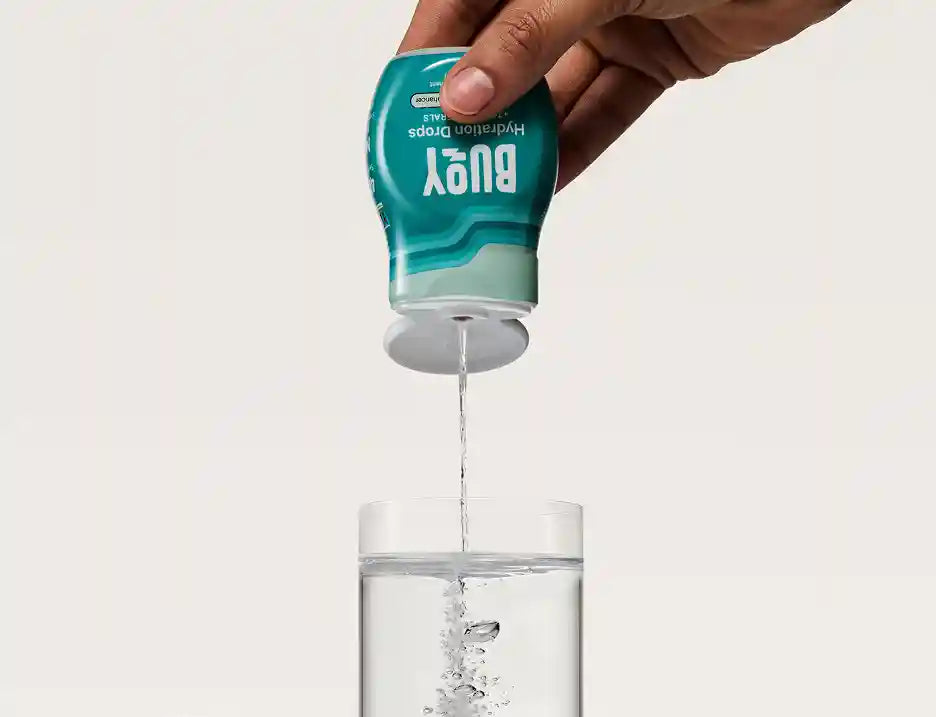
Dehydration and electrolyte loss are common triggers for cramps, especially after sweating or long activity [2][5]. Sip water with electrolytes to support fluid balance and muscle function. Buoy Hydration Drops are designed to add electrolytes and trace minerals to any drink without sugar, so you can support your muscles while you recover from the cramp.
If cramps are severe, frequent, or do not improve with basic stretching, hydration, and rest, it is important to speak with a healthcare professional.
Muscle Cramps: Causes, Symptoms, and Risk Factors
Before diving into solutions, understanding the problem is essential. Let's explore what muscle cramps are and how they occur.
What are Muscle Cramps and How Do They Happen?
Muscle cramps are sudden, involuntary contractions of one or more muscles. They can strike at the most inconvenient times—during a workout, in the middle of the night, or even when you’re just sitting still. They are painful and can occur without warning (1).
To understand the root causes and detailed remedies for muscle cramps, check out our comprehensive guide on Causes and Remedies for Muscle Cramps.

Common Causes and Risk Factors for Muscle Cramps
While muscle cramps can seem to appear out of nowhere, they often have underlying causes that can be identified and addressed. Here's a quick look at some of the most common factors contributing to these painful interruptions:
-
Dehydration: An inadequate intake of fluids, especially during intense physical activity, often sets the stage for muscle cramps.
-
Electrolyte Imbalance: Essential minerals like potassium, calcium, and magnesium play a crucial role in muscle function, and an imbalance can be a recipe for cramps.
-
Overuse of Muscles: Subjecting your muscles to prolonged periods of exercise without proper rest can fatigue them, making cramps more likely.
-
Medications: Some drugs list muscle cramps among their potential side effects, so always check the labels carefully.
- Age: As we grow older, muscle cramps can become a more frequent annoyance due to changes in muscle mass and body composition (1).
Understanding these common causes and risk factors can be your first step in preventing and treating muscle cramps effectively.
Signs and Symptoms of Muscle Cramps
A muscle cramp isn’t just a simple discomfort. It’s often a jarring experience that can take you by surprise. The symptoms are usually unmistakable, starting with an acute, sharp pain that grips the affected muscle. This can be accompanied by the muscle feeling hard to the touch, almost as if it’s bulging out.
Other symptoms might include:
- Sudden onset of pain
- Visible distortion or twitches in the muscle
- Difficulty moving the affected limb (2)
Knowing how to identify these tell-tale signs of a muscle cramp is the first step toward effective relief and prevention. Being aware of these symptoms allows you to act quickly, whether that means adjusting your activity, hydrating properly, or seeking medical advice if the muscle cramp is persistent or severe.
When a cramp starts, the fastest way to get relief is to respond quickly. As soon as you notice the first hint of tightness or twitching, pause what you are doing and move into a gentle stretch. Early action can sometimes stop a full cramp from developing. Keeping this mental checklist in mind makes it easier to respond calmly: stop, stretch, massage, then hydrate.
Quick Home Remedies To Get Rid Of A Cramp Fast
There is no single cure that works instantly for every cramp, but several simple steps often bring relief within minutes.
Gentle stretching and holding
Stretching helps reset the muscle length and reduce the contraction. Take your time and hold each stretch for at least 15 to 30 seconds. This is usually the fastest way to break the cramp.
Light movement and walking
Once the sharp pain eases, light movement helps restore blood flow and remove built up byproducts in the muscle. For leg cramps, slowly walking around the room can help the muscle return to normal.
Hydration with electrolytes
Fluids and electrolytes support nerve signals and muscle contractions. When you have lost fluid through sweat or not drunk enough during the day, cramps can appear more often [2][4][5]. Adding Buoy Hydration Drops to your water is an easy way to support electrolyte balance while you rehydrate.
Simple self-massage
Using your hands, a foam roller, or a massage ball, apply gentle pressure along the tight muscle. Keep the pressure comfortable and move slowly. This can help release tension and reduce soreness after the cramp.
These quick steps are safe for most people and can be used at home, at the gym, or on the field. If cramps are linked to medical conditions or medication, your doctor may suggest additional strategies.
What Are Electrolytes and Why They Matter for Muscle Function
Electrolytes are mineral ions that carry an electric charge and play a pivotal role in maintaining various physiological functions, including muscle contractions and nerve communications (3).
The Importance of Electrolyte Balance for Muscle Health
A balanced level of electrolytes is critical for optimal muscle function. When these levels are out of sync—either too high or too low—it can lead to muscle cramps among other issues (3).

The Relationship Between Electrolyte Imbalance and Muscle Cramps
Electrolyte imbalances, often stemming from dehydration, poor diet, or excessive exercise, can interfere with the electrical signals in muscles, leading to spasms or cramps (3).
The Role of Hydration in Electrolyte Balance and Muscle Health
Hydration is not just about quenching thirst; it's also about maintaining the balance of electrolytes in your body. Proper hydration ensures that your muscles and nerves function efficiently, minimizing the risk of cramps (4).
Recognizing these signs and understanding the underlying factors will help you to both treat current muscle cramps and prevent future cramps effectively.
Natural Remedies for Muscle Cramps: How to Prevent and Treat Them
Muscle cramps can intrude on your life when you least expect it, causing pain and discomfort and interrupting your workouts, sleep, or just your day-to-day activities. While medications and medical treatments are available, natural remedies can also offer quick and effective relief.
Natural Ways to Prevent Muscle Cramps
Muscle cramps can intrude on your life when you least expect it and they hurt. Natural strategies can help in two ways. Some give you fast relief when a cramp strikes, and others reduce how often cramps happen in the first place. A mix of stretching, hydration, and balanced nutrition can support both.
Let's look at some simple but effective ways to prevent muscle cramps naturally:
-
Regular Stretching: Consistent daily stretching improves muscle flexibility and circulation, reducing cramp risk. Focus on hamstring, calf, and quadriceps stretches.
-
Staying Hydrated: Avoid cramps by staying hydrated. Enhance your hydration quickly with Buoy's Hydration Drops.
- A Balanced Diet: Consume foods high in potassium, magnesium, and calcium like bananas, sweet potatoes, and leafy greens to maintain muscle health and prevent cramps (2,5).
You can use these same habits to calm a cramp that has already started. A short stretch, a small amount of movement, and a drink with electrolytes can work together to help the muscle relax more quickly.
Incorporating these natural remedies into your daily routine can provide a comprehensive approach to muscle cramp prevention. With a focus on stretching, hydration, and diet, you'll be well-equipped to keep muscle cramps at bay.

Stretching Exercises for Cramp Relief
If you find yourself in the clutches of a muscle cramp, some immediate stretches can often provide instant relief. For calf cramps, try standing about two feet away from a wall, placing your hands on it, and leaning forward while keeping your heels on the ground.
For hamstring cramps, sit down, extend one leg out, and try to touch your toes. Always remember to breathe deeply and never stretch to the point of pain.
Dietary Supplements and Foods to Help Prevent Muscle Cramps
If your diet alone isn’t enough to prevent cramps from forming, dietary supplements might help.
- Potassium Supplements: Essential for muscle function, potassium can prevent recurrent cramps. Consider supplements or potassium-rich foods like bananas and oranges.
- Magnesium Supplements: Helps with muscle relaxation and cramp prevention. Include magnesium-rich foods like almonds, spinach, and whole grains in your diet (2).
To delve deeper into how potassium can help prevent or alleviate muscle cramps, read our blog on Potassium and Muscle Cramps: What You Need to Know.
Buoy's Comprehensive Solution
So, the next time you experience a muscle cramp, remember that relief might just be a stretch or a supplement away. Keep these natural remedies in mind, and consider incorporating Buoy's hydration products to take your muscle health to the next level.
With essential electrolytes like potassium and magnesium, along with other valuable minerals and antioxidants, Buoy provides a comprehensive, convenient solution for hydration and muscle health that complements your dietary intake.
When it comes to tackling leg cramps, Buoy drops have proven to be effective. Rich in essential electrolytes, they provide immediate relief and help maintain a balanced internal environment. Discover the best electrolytes for leg cramps.

How Electrolyte Drops Can Help
Navigating the world of muscle cramp prevention can be overwhelming, but understanding the science behind effective solutions can make all the difference. Let's explore how electrolyte drops, particularly Buoy’s Hydrating Wellness Drops, are scientifically formulated to offer rapid, efficient relief and prevention of muscle cramps.
The Science Behind Electrolyte Drops and Muscle Cramp Prevention
Electrolyte drops aren't your average hydration solution. They're backed by science to give you fast-acting relief from muscle cramps. Products like Buoy are specially formulated to be three times more bioavailable than typical electrolyte solutions.
This means they enter your bloodstream more quickly, offering rapid relief from symptoms. In addition, these drops are unsweetened and come packed with 87 trace minerals essential for optimal muscle function. The fast absorption and rich mineral content work synergistically to help prevent and treat muscle cramps efficiently.
The Pros of Different Types of Electrolyte Drops
When it comes to electrolyte drops, one size doesn't fit all. Various brands and formulations cater to different needs and preferences. Some are sweetened, some have fewer minerals, and others might contain artificial additives.
The advantage of Buoy’s electrolyte and mineral drops is that they are unsweetened, rapidly absorbing, and enriched with trace minerals, offering a more holistic approach to muscle cramp prevention.
How to Choose the Best Electrolyte Drop to Prevent Muscle Cramps
Choosing the right electrolyte drops for muscle cramp prevention goes beyond picking the first option that appears on your search engine. Look for drops that are unsweetened and rich in trace minerals. It's also crucial to check the source of these minerals.
Opt for electrolyte solutions that source their minerals from natural, harvested sources rather than manufactured ones. This ensures that you're getting the highest quality product for the best possible muscle cramp prevention.
By understanding the science behind electrolyte drops and knowing what to look for, you can make an educated choice that will help keep those uncomfortable muscle cramps at bay.
How To Stop Getting Cramps In The Future
Stopping a cramp fast is important, but long term relief comes from reducing how often they happen. That means supporting your muscles before they ever reach the point of a painful contraction.
Stay consistently hydrated
Sip fluids through the day rather than waiting until you feel very thirsty. When you sweat a lot during exercise or hot weather, replace both water and electrolytes, not just fluid [2][4][5].
Support your minerals
Potassium, magnesium, calcium, and sodium all support muscle and nerve function [1][3][5]. Eating a variety of fruits, vegetables, whole grains, and leafy greens helps maintain those levels.
Warm up and cool down
Going from zero to intense exercise without a warm up can increase cramp risk. Gentle warm ups and cool downs help muscles transition more smoothly.
Stretch tight areas regularly
If certain muscles cramp more often, build a short daily stretching routine around them. Calves, hamstrings, and feet are common areas to focus on.
Review medications and health conditions with your doctor
Some medicines and underlying health issues can contribute to cramps [1][5]. If you notice a new pattern of cramps, bring it up at your next appointment.
Small, consistent changes usually work better than one big change that is hard to maintain. Over time, these habits can reduce both how often cramps occur and how intense they feel when they do.
Incorporating Electrolyte Drops into Your Daily Routine
If you've been plagued by muscle cramps, chances are you're looking for a reliable and convenient solution. Electrolyte drops can be a game-changer, but to unlock their full potential, it's essential to integrate them seamlessly into your daily routine. Here's a comprehensive guide to help you do just that.
How to Incorporate Electrolyte Drops into Your Daily Routine
Incorporating electrolyte drops into your life doesn't have to be complicated. Whether you're an athlete, an avid gym-goer, or someone who just wants to maintain a healthy lifestyle, these drops can easily fit into your daily hydration strategy. Here's how:
-
Morning Boost: Start your day with a glass of water enhanced with a few drops to kickstart your hydration and electrolyte balance.
-
Workout Companion: Add them to your water bottle for the gym, ensuring that you stay hydrated and cramp-free during exercise.
-
Midday Refresher: Feeling that midday slump? A few drops in your afternoon beverage can re-energize you and prevent cramps.
-
Happy Hour Helper: Enjoying some cocktails? Add a few drops to your drink or a glass of water in between to stay hydrated and possibly prevent hangovers.
- Evening Wind-Down: Before bed, consider adding them to a cup of herbal tea to ensure overnight hydration and cramp prevention.
Adding electrolyte drops to the drinks you already enjoy every day is a convenient and effective way to prioritize your muscle health and overall well-being. From your morning routine to your evening wind-down, just a few drops can make a noticeable difference.
Give it a try, and experience the benefits of optimal hydration and electrolyte balance in your daily life.

Best Practices for Using Electrolyte Drops for Muscle Cramp Prevention
To maximize the benefits, here are some best practices:
-
Dosage: Follow the manufacturer's recommendations for dosage to get optimal benefits. For Buoy Hydration Drops, a few squeezes suffice for most beverages.
-
Diverse Beverages: Don't limit yourself to water; these drops can be added to smoothies, juices, and even coffee.
- Consistency is Key: Make it a habit to use them regularly to maintain a consistent electrolyte balance (2).
Adhering to these best practices for using electrolyte drops can greatly enhance their effectiveness in muscle cramp prevention. From getting the dosage right to diversifying the types of beverages you enhance, it's all about making these drops a consistent part of your daily regimen.
With a bit of diligence, you can help set the stage for improved muscle function and a cramp-free life.
How to Monitor Electrolyte Balance and Muscle Health
Monitoring your electrolyte balance can be as simple as listening to your body. Here are some indicators:
-
Muscle Tone: If your muscles are generally relaxed and cramp-free, it's a good sign your electrolyte balance is in check.
-
Energy Levels: Consistent energy levels throughout the day can also indicate a balanced electrolyte status.
- Consult a Physician: For a more accurate measure, consider a blood test to check your levels of essential minerals and electrolytes (5).
By incorporating electrolyte drops into your daily routine and following these best practices, you're setting yourself up for a life with fewer muscle cramps and better overall health.
Conclusion: Elevate Your Wellness with Buoy
In this guide, we've explored muscle cramps, their causes, and natural remedies. A key takeaway is the crucial role of hydration and electrolytes in preventing and treating cramps. Buoy's specialized electrolyte and mineral drops provide a unique and effective solution:
-
Buoy Hydration Drops: Rapidly improve your hydration levels to prevent cramps. Formulated with 87 trace minerals, these drops are three times more bioavailable than standard electrolyte solutions, ensuring quick absorption for fast relief.
-
Buoy Energy Drops: Boost your energy levels while maintaining essential electrolyte balance. Infused with natural caffeine and B-vitamins, these drops provide a sustainable energy lift without the jitters or crashes.
-
Buoy Immunity Drops: Strengthen your immune system with a blend of vital nutrients like zinc, elderberry, and vitamin C. These drops offer a convenient way to bolster your defenses, especially during flu season or times of increased stress.
- Buoy's Daily Wellness Bundle: Why choose? Get all three drops in one convenient package for comprehensive health benefits no matter what life throws at you.
Are you ready to up your hydration, energy, and immunity while minimizing muscle cramps? Incorporate Buoy into your daily routine and experience the difference. Elevate your muscle health and overall well-being by exploring our collection of Hydrating Wellness Drops today. With Buoy, don't just live—thrive.

FAQs
How do I stop a muscle cramp fast?
The quickest way to stop a muscle cramp is to gently stretch the cramped muscle, hold the stretch, and then slowly move the area. For example, if your calf cramps, straighten your leg, flex your foot toward you, and hold that position while breathing steadily. Once the worst of the pain passes, lightly massage the muscle and walk around to restore blood flow. Sipping water with electrolytes can support the nerves and muscle as they recover, especially if you have been sweating or not drinking enough during the day [2][5].
What stops leg cramps fast at night?
Night leg cramps often respond to the same steps as daytime cramps. Carefully get into a safe position where you can stretch the muscle without falling, then hold a gentle stretch until the tightness starts to release. Many people find that standing and placing their weight onto the affected leg, while keeping the heel down and the knee slightly bent, helps the calf relax. After the cramp eases, walk slowly around the room and drink some water. If night cramps happen often, it can help to stretch your calves and drink a small glass of water with electrolytes before bed [2][4][5].
What is the fastest way to get rid of a calf cramp?
For a calf cramp, the fastest relief usually comes from a simple sequence. First, stop what you are doing so you can focus on the muscle safely. Second, straighten the leg and gently bring your toes toward your knee until you feel a stretch in your calf, then hold that position. Third, add gentle massage along the tight area. As the cramp fades, slowly put weight onto the leg and take a few steps. Hydrating with electrolytes can support the muscle, especially if the cramp followed a workout or time in the heat [2][5].
How can I stop cramps from coming back again and again?
Repeated cramps often relate to a mix of hydration, mineral balance, and muscle fatigue. To reduce how often they happen, focus on daily habits. Drink fluids regularly, and replace electrolytes when you sweat a lot. Support your diet with foods rich in potassium and magnesium, like leafy greens, beans, bananas, and nuts [1][3][5]. Build a routine of stretching tighter muscles, especially calves and hamstrings, and warm up before intense exercise. If cramps are new, severe, or linked to other symptoms, talk with your doctor to rule out any underlying issues.
Do electrolytes really help stop muscle cramps?
Electrolytes support nerve signals and muscle contractions, so they are part of both prevention and recovery. When you sweat or do not get enough minerals from food, the balance of sodium, potassium, calcium, and magnesium can shift. That can make muscles more likely to cramp [2][3][5]. Replacing fluids and electrolytes will not always stop a cramp instantly, but it supports the environment your muscles need to relax and function properly. Products like Buoy Hydration Drops are designed to make it easy to add electrolytes and trace minerals to drinks you already enjoy, without adding sugar.
References:
- Healthline. (2019). What Causes Muscle Cramps? Retrieved from https://www.healthline.com/health/muscle-cramps
- Lau, W. Y., Kato, H., & Nosaka, K. (2019). Water Intake After Dehydration Makes Muscles More Susceptible to Cramp But Electrolytes Reverse That Effect. BMJ Open Sport & Exercise Medicine, 5(1), e000478. Retrieved from https://doi.org/10.1136/bmjsem-2018-000478
- Healthline. (2019). Electrolytes: Functions, Imbalance, and Sources. Retrieved from https://www.healthline.com/nutrition/electrolytes
- Popkin, B. M., D'Anci, K. E., & Rosenberg, I. H. (2010). Water, Hydration, and Health. Nutrition Reviews, 68(8), 439–458. Retrieved from https://www.ncbi.nlm.nih.gov/pmc/articles/PMC2908954/
- Maughan, R. J., & Shirreffs, S. M. (2019). Muscle Cramping During Exercise: Causes, Solutions, and Questions Remaining. Sports Medicine (Auckland, N.Z.), 49(Suppl 2), 115–124. Retrieved from https://doi.org/10.1007/s40279-019-01162-1