




How Much Water Should You Drink While Breastfeeding?
Breastfeeding can leave you reaching for your water bottle more often, especially during nursing or pumping sessions. So, how much water should you drink while breastfeeding?
Your body needs additional fluids to produce breast milk, which is approximately 87% water.¹ However, there's no single amount that's right for everyone, and drinking more water than your body needs hasn't been shown to increase milk supply.²
Key Takeaways
- Breastfeeding women have a recommended intake of approximately 13 cups of beverages daily, plus water from food.
- Breast milk is mostly water, which helps explain why fluid needs increase during lactation.
- Drinking more water than your body needs hasn't been shown to increase milk supply.
- Keeping drinks nearby during nursing or pumping can make hydration easier.
- Electrolytes can be a convenient addition to your routine, although not everyone needs supplements.
Understanding your daily fluid needs, what counts toward hydration, and when you might need more can help you stay hydrated without tracking every sip.
Table of Contents
- Daily Water Recommendations for Breastfeeding Mothers
- How Breastfeeding Changes Your Fluid Needs
- Can Drinking More Water Help Your Milk Supply?
- Building a Hydration Routine Around Nursing and Pumping
- Which Drinks Count Toward Your Water Intake?
- Recognizing Dehydration During Breastfeeding
- How Fluid Needs Change During Postpartum Recovery
- Where Electrolytes Fit Into Breastfeeding Hydration
- A Simpler Approach to Staying Hydrated
Daily Water Recommendations for Breastfeeding Mothers
According to Harvard T.H. Chan School of Public Health, breastfeeding women should aim for approximately 13 cups (104 ounces) of water and other beverages daily.⁵
This is a general guideline, not a requirement to drink 13 cups of water every day. Other beverages contribute to hydration, and water-rich foods, such as fruits and vegetables, also help meet your daily needs.
Your individual requirements may vary depending on activity level, climate, and overall health.
Do You Need to Track Every Ounce?
Not necessarily. Keeping a reusable water bottle nearby can help you drink regularly without measuring every glass. Other beverages and water-rich foods count toward hydration, too.
How Breastfeeding Changes Your Fluid Needs
Breast milk is approximately 87% water, so producing it requires additional fluid.¹
As your body makes milk, water becomes part of what your baby receives during feeding. Your body also needs fluids for its own everyday functions, including circulation, digestion, and temperature regulation.
Why Do You Get So Thirsty While Nursing?
Many breastfeeding mothers notice increased thirst during or shortly after feeding. Breastfeeding involves hormonal changes, including the release of oxytocin during milk letdown. Thirst can also increase as your body responds to the fluid demands of milk production.
Can Drinking More Water Help Your Milk Supply?
A 2014 Cochrane review examined whether additional fluids improved milk supply. It identified one eligible study involving 210 breastfeeding women, but the evidence was insufficient and didn’t prove there was a benefit.²
Two earlier studies also looked at the relationship between fluid intake and milk production:
- A 1985 study found no significant improvement in milk production when breastfeeding women consumed additional fluids.³
- A 1990 study found no significant change in milk production with prolonged fluid supplementation.⁴
These findings don't mean you should ignore thirst or limit your water intake. They mean that drinking more than you need isn't a proven solution for low milk supply.
What Matters More for Milk Production?
Milk production depends heavily on how frequently and effectively milk is removed from the breasts.
If you're concerned about your supply, a lactation consultant can help assess feeding frequency, latch, milk transfer, and pumping practices. Your baby's weight gain and diaper output can also help healthcare professionals evaluate whether they're receiving enough milk.
Building a Hydration Routine Around Nursing and Pumping
Between feedings, pumping, and caring for a newborn, staying hydrated can easily slip your mind. A few simple habits can help:
- Keep water nearby: Have a bottle within reach whenever you nurse or pump.
- Drink with meals: Use meals and snacks as reminders to hydrate.
- Prepare for nighttime feedings: Leave water beside your bed so it's easy to reach.
- Add variety: Try sparkling water, fruit-infused water, smoothies, or add electrolyte drops to a beverage you already have on hand when you want something different.
For more ideas, explore our guide to the best ways to stay hydrated.
Which Drinks Count Toward Your Water Intake?
Water is a convenient everyday choice, but you can meet your fluid needs through a combination of beverages and water-rich foods.
|
Drink or Food |
What to Know |
|
Plain or sparkling water |
Provides hydration without added sugar |
|
Milk and milk alternatives |
Contribute water and may provide additional nutrients |
|
Coffee and tea |
Count toward fluid intake, but caffeine consumption matters |
|
Smoothies |
Combine fluid with ingredients such as fruit, yogurt, or milk |
|
Soups and broths |
Contribute water, although sodium content varies |
|
Fruits and vegetables |
Foods like watermelon, oranges, and cucumbers contain substantial water |
What About Caffeinated Drinks?
You don't have to give up coffee simply because you're breastfeeding. The CDC advises that consuming around 300 milligrams or less of caffeine per day is generally fine while breastfeeding.
Recognizing Dehydration During Breastfeeding
It's easy to overlook your own hydration when you're focused on feeding your baby. Common signs of dehydration include:
- Increased thirst or a dry mouth
- Dark yellow urine or urinating less often
- Headaches
- Dizziness or lightheadedness
- Unusual fatigue
Pale yellow urine and regular urination are generally reassuring signs, although urine color isn't a perfect measure of hydration.
When Should You Seek Medical Advice?
If you're unable to keep fluids down, experience severe dizziness, produce very little urine, or feel confused, seek medical attention.
Headaches and fatigue aren't always caused by dehydration. During postpartum recovery, persistent or severe symptoms deserve medical evaluation.
How Fluid Needs Change During Postpartum Recovery
Your hydration needs can change as you recover from childbirth and settle into breastfeeding.
The Early Postpartum Period
It's common to experience increased urination and sweating after delivery as your body adjusts to changes in fluid balance.
You may also notice swelling in your feet or ankles. Drinking excessive water won't necessarily make postpartum swelling disappear, and sudden or severe swelling, particularly with headache or vision changes, indicates that you need to talk to a medical professional.
Hot Weather, Exercise, and Illness
Your usual fluid intake may not be enough when you're sweating heavily or losing fluids through vomiting or diarrhea.
During these situations, pay attention to thirst and fluid losses. Significant vomiting or diarrhea may require medical attention.
As Your Baby's Feeding Routine Changes
Your milk production and feeding patterns can change over time, especially as your baby begins eating solid foods or you gradually wean.
Your fluid needs may change, too. You don't need to maintain the same drinking routine indefinitely if your circumstances change.
Where Electrolytes Fit Into Breastfeeding Hydration
Electrolytes, including sodium, potassium, and magnesium, help maintain fluid balance and support normal muscle and nerve function.
Most breastfeeding mothers obtain electrolytes through everyday foods and beverages. However, electrolyte drinks can be a convenient way to add these minerals to your hydration routine, especially during hot weather or after heavy sweating.
You can read more about their role in our guide to electrolytes during pregnancy and postpartum.
Looking to Add Electrolytes to Your Everyday Drinks?
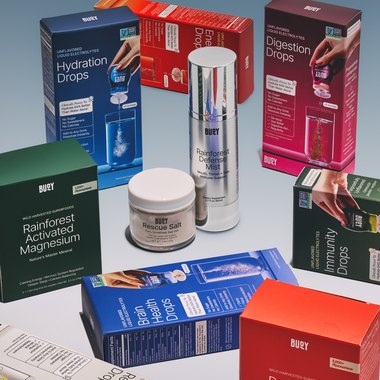
Buoy Hydration Drops contain ocean-sourced electrolytes and trace minerals, with no sugar, sweeteners, or added flavors. The unflavored formula can be mixed into water or other beverages.
Electrolyte supplements aren't a treatment for dehydration caused by significant illness, but they can support fluid replenishment. If you're considering using them regularly while breastfeeding, check with your healthcare provider first.
Stay Hydrated Through Every Stage of Breastfeeding
Breastfeeding adds to your daily fluid needs, but staying hydrated doesn't have to become another thing to worry about. Keep drinks accessible, respond to thirst, and remember that your meals contribute water, too.
If you're interested in adding electrolytes to your routine, explore Buoy's electrolyte options for breastfeeding to learn more about your choices.
References
¹ Montgomery, K. S. (2002). Nutrition column: An update on water needs during pregnancy and beyond. The Journal of Perinatal Education, 11(3), 40–42. https://doi.org/10.1624/105812402X88830
² Ndikom, C. M., Fawole, B., & Ilesanmi, R. E. (2014). Extra fluids for breastfeeding mothers for increasing milk production. Cochrane Database of Systematic Reviews, (6), CD008758. https://doi.org/10.1002/14651858.CD008758.pub2
³ Dusdieker, L. B., Booth, B. M., Stumbo, P. J., & Eichenberger, J. M. (1985). Effect of supplemental fluids on human milk production. The Journal of Pediatrics, 106(2), 207–211. https://doi.org/10.1016/S0022-3476(85)80288-2
⁴ Dusdieker, L. B., Stumbo, P. J., Booth, B. M., & Wilmoth, R. N. (1990). Prolonged maternal fluid supplementation in breast-feeding. Pediatrics, 86(5), 737–740. https://pubmed.ncbi.nlm.nih.gov/2235228/
⁵ Harvard T.H. Chan School of Public Health. (n.d.). How much water do you need? The Nutrition Source. https://nutritionsource.hsph.harvard.edu/water/
Frequently Asked Questions About How Much Water to Drink While Breastfeeding
1. How much water should I drink a day while breastfeeding?
According to Harvard T.H. Chan School of Public Health, breastfeeding women should aim for approximately 13 cups (104 ounces) of water and other beverages daily.⁵ This is a general guideline, and your individual needs may vary depending on activity level, climate, and overall health.
2. Should I drink water before or after breastfeeding?
You can drink water before, during, or after breastfeeding. There's no need to follow a specific schedule or drink a full glass at every feeding. Keep water nearby and drink whenever you're thirsty.
3. Does drinking more water help produce more breast milk?
Research hasn't established that drinking extra water beyond your body's needs increases milk supply. Clinical studies have found no significant improvement in milk production with supplemental fluid intake.
4. Why am I so thirsty when breastfeeding?
Breastfeeding increases your body's fluid requirements because water is used to produce breast milk. Hormonal changes during nursing may also contribute to thirst.
5. Can dehydration affect my breast milk?
Severe dehydration can affect normal bodily functions, including lactation. However, modest changes in daily water intake don't necessarily change milk production.
6. Does coffee count toward water intake while breastfeeding?
Yes. Coffee contributes to hydration, although caffeine passes into breast milk. The CDC advises roughly 300 milligrams or less of caffeine daily for most breastfeeding mothers.
7. Do you need more water when exclusively breastfeeding?
Exclusive breastfeeding generally involves producing all of your baby's milk, so your fluid needs may be higher than when you're only occasionally nursing. Your needs depend on your milk production and individual circumstances.
8. Are electrolytes beneficial while breastfeeding?
Electrolytes support fluid balance and normal nerve and muscle function. Electrolyte drinks can be a convenient addition to everyday hydration, especially after heavy sweating.