4.8 out of 5
4.8/5 out of 5,517 reviews

What to Drink for Kidney Health (Hydration and Electrolyte Drops)

Hydration and electrolyte balance both matter for kidney health because the kidneys help regulate fluid levels and minerals, such as sodium and potassium.

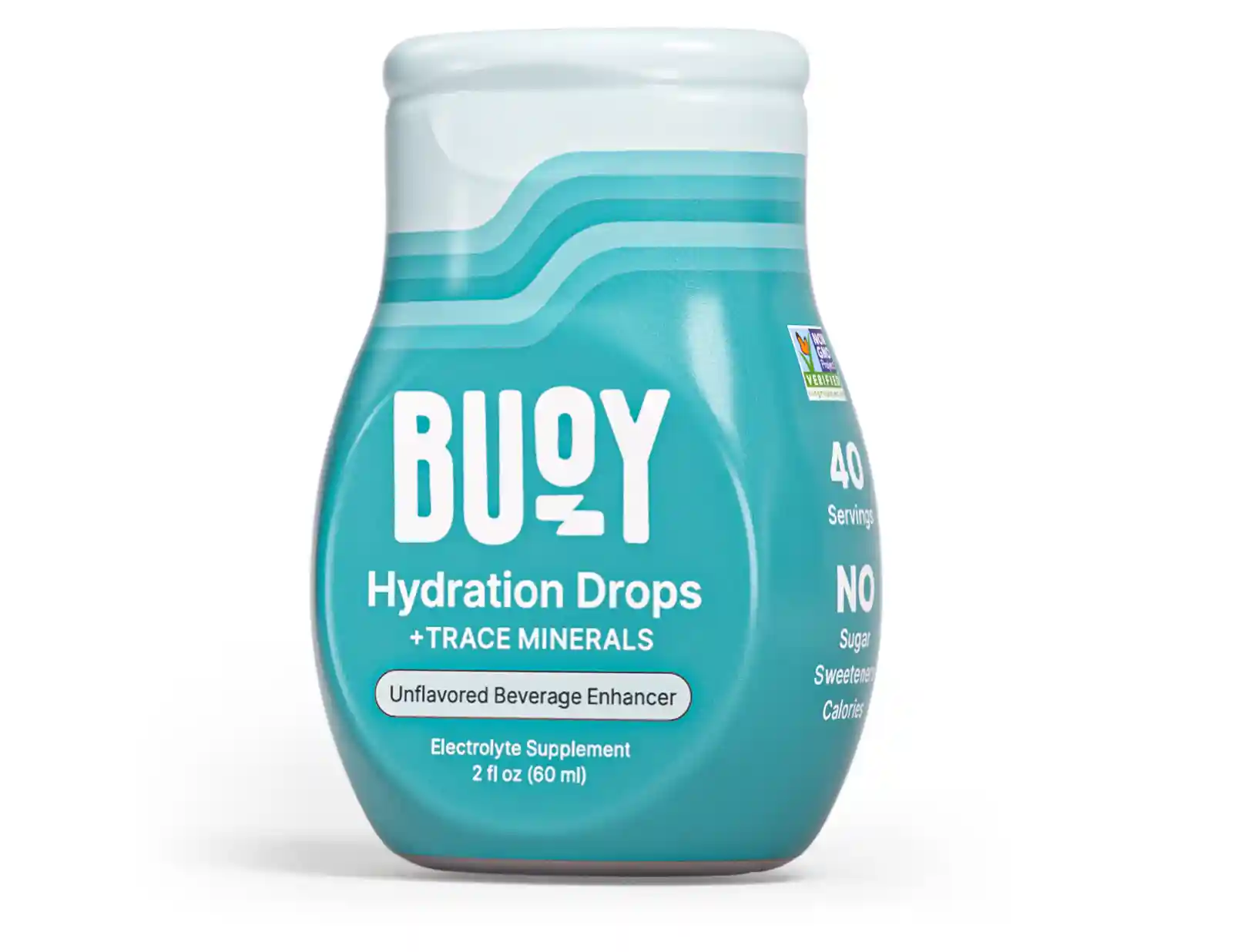
For people who are able to add electrolyte supplementation to their routine, Buoy Hydration Drops offer a simple way to boost electrolytes, packed with 87+ trace minerals and clean ingredients. In fact, Buoy electrolytes don’t contain sugar, sweeteners, or artificial flavors.

If you have chronic kidney disease, abnormal electrolyte levels, or a prescribed mineral restriction, check with your healthcare provider before taking electrolytes.
50 mg Sodium Per Serving
10 mg Potassium Per Serving
80 mg Chloride Per Serving
87+ Ionic Trace Minerals
0 g Sugar and 0 Calories
Unflavored Liquid Formula
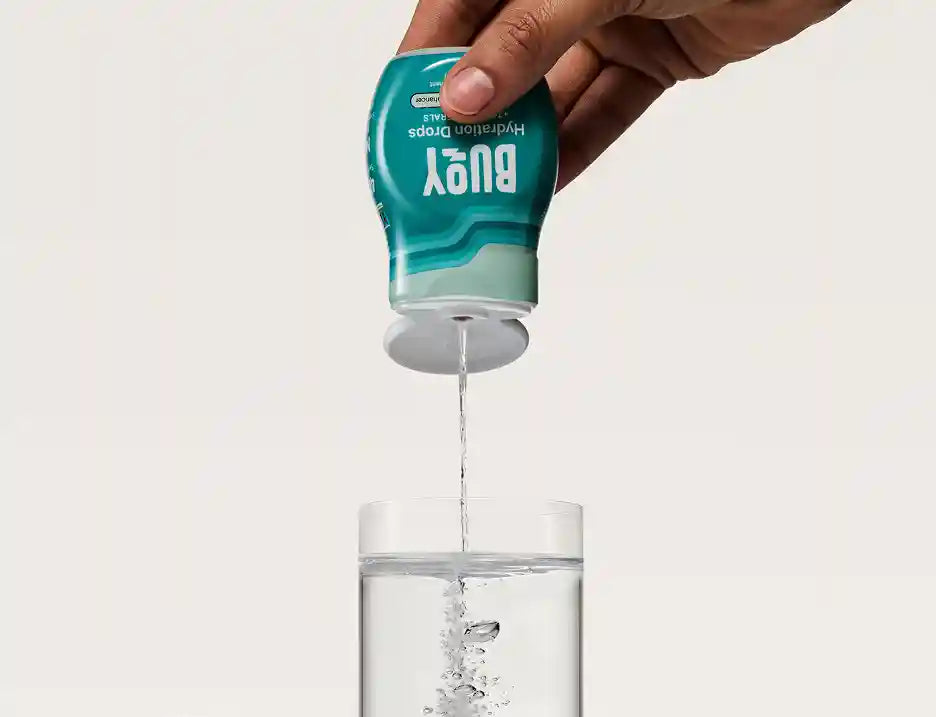
Add to Water or Other Everyday Beverages
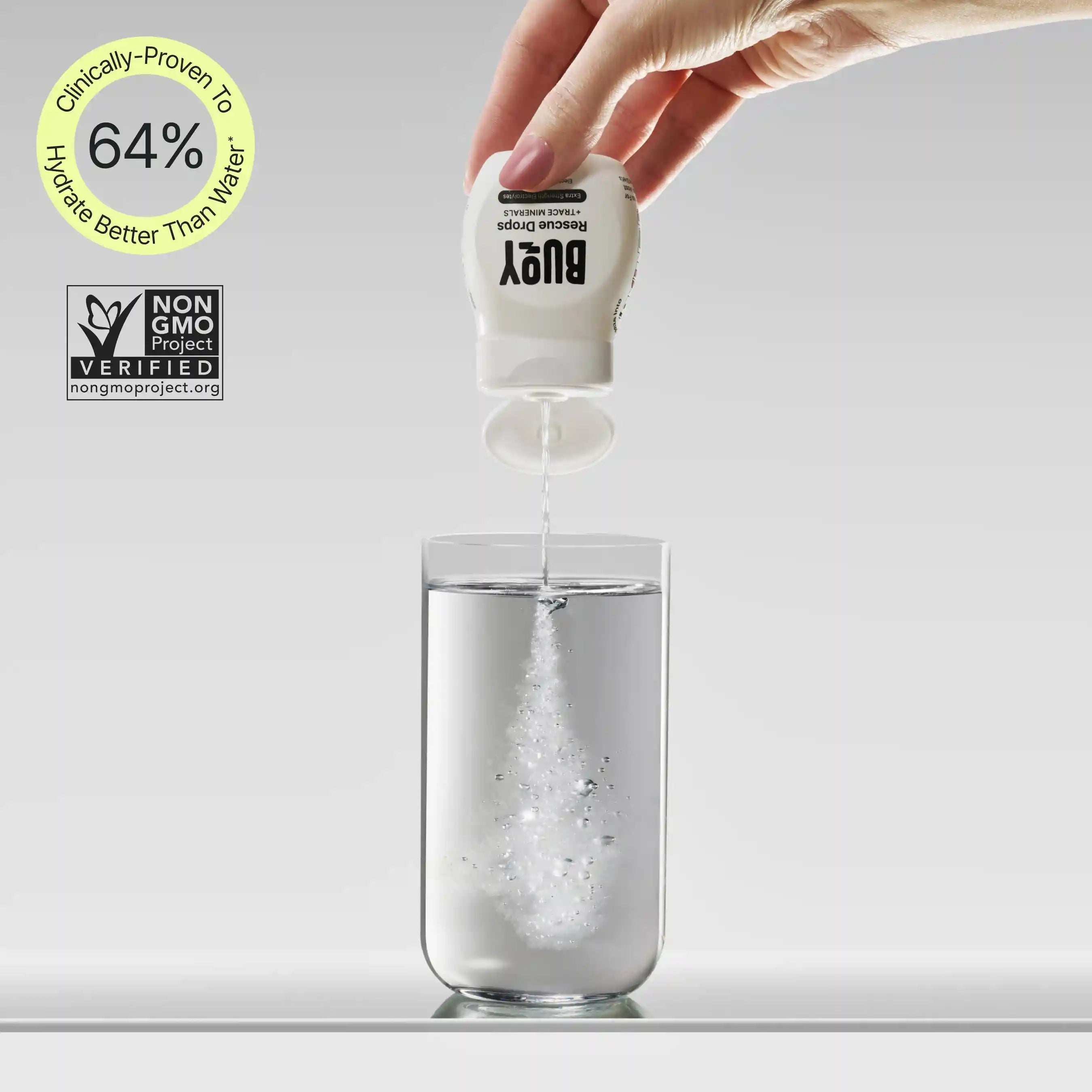
Hydrates 64% Better*View Clinical Study
Hydrates 64% Better* View Clinical Study

What Is the Best Thing to Drink for Kidney Health?

For kidney-conscious hydration, the best drinks are ones that support fluid intake without adding excessive sugar or large, unnecessary amounts of electrolytes. If electrolyte supplementation fits your individual needs, a measured formula can make it easier to know exactly how much sodium and potassium you're adding.

Buoy Hydration Drops are designed for that kind of everyday use. They add small, clearly defined amounts of electrolytes and 87+ trace minerals to water or other drinks without sugar, sweeteners, or artificial flavors. If you have kidney disease, please follow your healthcare provider's guidance.

DrinkWhat to Know for Kidney Health
WaterA strong everyday choice with no sugar, calories, sodium, potassium, or phosphorus added
Water + Buoy Hydration DropsAdds measured amounts of electrolytes and trace minerals without sugar or sweeteners
Unsweetened JuiceProvides fluid, but sugar, potassium, and other nutrients vary by juice
Plant-Based MilkNutrient content varies significantly by brand; check potassium, phosphorus, sodium, and added sugar
Sports DrinksProvide fluid and electrolytes, but formulas can contain considerably more sodium, potassium, sugar, or sweeteners
Soda & Energy DrinksUsually a poorer choice for routine kidney-conscious hydration because of ingredients such as added sugar, sodium, caffeine, or phosphorus additives


Learn more about why electrolytes for dehydration may be beneficial during fluid loss.
How Hydration Supports Normal Kidney Function
Your kidneys constantly regulate the composition of your blood. They remove waste and excess water through urine while helping keep electrolytes within appropriate ranges.

Adequate fluid intake gives your kidneys the water needed for these normal processes. Dehydration can make urine more concentrated, and maintaining adequate hydration is also important for reducing the risk of certain kidney stones. In a meta-analysis of more than 350,000 participants, each additional 500 mL of daily water intake was associated with a 7% lower risk of kidney stone formation.

That does not mean drinking as much as possible is better. Fluid needs differ, and some people with kidney disease or kidney failure are specifically instructed to restrict fluid. Make sure to check with a healthcare professional if you have a specified diet or fluid intake.
What Do Electrolytes Have to Do With Your Kidneys?
The kidneys are major regulators of electrolyte balance. They continually adjust how much water and minerals the body retains or removes.

Three minerals are particularly important when discussing kidney health:

Sodium

Sodium helps regulate fluid balance and supports normal nerve and muscle function. The kidneys normally remove excess sodium through urine, but too much dietary sodium can contribute to fluid retention and higher blood pressure.

On the other hand, too little sodium in your diet can have a negative impact as well. Learn about the dangers of low sodium levels and what you can do to prevent it from happening.

Potassium

Potassium is essential for normal muscle and nerve function, including maintaining a regular heartbeat. Healthy kidneys help regulate blood potassium, but advanced chronic kidney disease can make it harder to remove excess potassium.

Explore the link between dehydration and potassium.

Phosphorus

Phosphorus is another mineral that can accumulate when kidney function declines. People with CKD (Chronic Kidney Disease) may be advised to monitor their phosphorus intake, including phosphorus additives found in some processed foods and drinks.

This is why the best electrolytes for kidneys cannot be defined by whichever product contains the largest dose. The appropriate amount and balance depend on your health, diet, medications, kidney function, and lab results.
What to Look for in the Best Electrolytes for Kidneys
In most cases, an electrolyte product can be evaluated by looking at its actual supplemental facts instead of broad hydration claims.

What to CheckWhy It Matters
Sodium per servingSodium affects fluid balance and blood pressure, and some people need to limit it.
Potassium per servingKidney function plays a major role in regulating blood potassium.
PhosphorusSome people with CKD need to limit phosphorus.
Added sugarKidney-health guidance generally favors limiting added sugars.
Serving sizeA small serving makes it easier to understand exactly what you're consuming.
Full ingredient listLabels help you account for electrolytes and other ingredients within your individual diet.

Buoy Hydration Drops: A Measured Approach to Everyday Electrolytes

Buoy Hydration Drops deliver electrolytes and 87+ trace minerals in a concentrated, unflavored liquid formula. Each 1.5 mL squeeze is one serving, with 40 servings per bottle.

Unlike high-sodium electrolyte powders designed to deliver a large amount at once, Buoy Hydration Drops provide relatively small amounts of individual electrolytes per serving.

The formula also contains vitamins B1, B5, and B6. Buoy sources sodium, chloride, magnesium, and calcium from sea minerals.

Because the drops are unflavored and dissolve into beverages, you can add a serving directly to water or whatever beverage you have on hand without switching to a sweetened sports drink.
50 mg Sodium
80 mg Chloride
10 mg Potassium
0.5 mg Magnesium
0.5 mg Calcium
87+ Ionic Trace Minerals
0 g Sugar, 0 Calories, and No Artificial Sweeteners
View Clinical Study
Hydration Drops
Hydration Drops
The original liquid electrolyte
from  $30.03
Save Up To $8.97
Learn More
Add to Cart
4.8 out of 5
4.8/5 from 5,517 Reviews
Hydration Drops
The original liquid electrolyte
Rescue Drops
Rescue Drops
6x stronger, high sodium electrolyte
from  $34.65
Save Up To $10.35
Learn More
Add to Cart
4.8 out of 5
4.8/5 from 810 Reviews
Rescue Drops
6x stronger, high sodium electrolyte
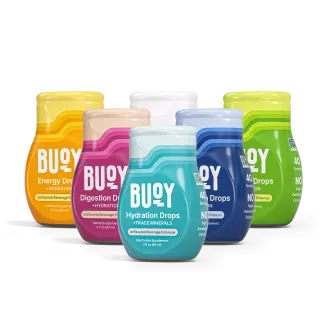
Liquid Electrolyte Variety Kit
All six of our liquid electrolytes
from  $67.76
Save Up To $20.24
Add to Cart
4.7 out of 5
4.7/5 from 9,504 Reviews
Liquid Electrolyte Variety Kit
All six of our liquid electrolytes
Build Your Own Bundle
Bundle 3+ items for maximum savings
Max Savings + Free Gifts
12M+
1.4M+
4.7 out of 5
4.7/5 out of 12,169 reviews

We didn't just go viral, we found our community

"Thank you for making a sugar AND stevia free electrolyte"
"... plus Buoy gives me more energy than the powder packets"
"My favorite zero sugar electrolyte! No calories or carbs! Perfect for those sensitive to stevia and monk fruit."

Why Choose Buoy?

Buoy's Clinical Study

How Buoy Hydration Drops Compare With Common Hydration Options

The right drink depends on the reason you're hydrating and your individual nutritional needs.

FeaturePlain WaterBuoy Hydration Drops + WaterTypical Sports Drink
Provides Fluid✓✓✓
Added ElectrolytesNo✓✓
Sodium AmountNone50 mg per Buoy servingVaries
Potassium AmountNone10 mg per Buoy servingVaries
Added SugarNoNoMay contain added sugar
SweetenersNoNone in Hydration DropsVaries
FlavorNeutralUnflavoredUsually flavored
Electrolyte Amount is Easy to IdentifyN/A✓Check individual label


Buoy Hydration Drops provide another option for people who want electrolytes added to their water and whose dietary needs allow them.

Clinically Studied Hydration in a Small Liquid Serving

Buoy has also studied how its electrolyte formula performs as a hydration product.

In a university-led crossover clinical study, Buoy reports its electrolytes were 64% more hydrating than water alone and 49% more hydrating than a leading electrolyte. This adds up to a 10x positive increase (approximately) in net fluid balance. These findings specifically relate to hydration performance.

When and How to Take Buoy Hydration Drops

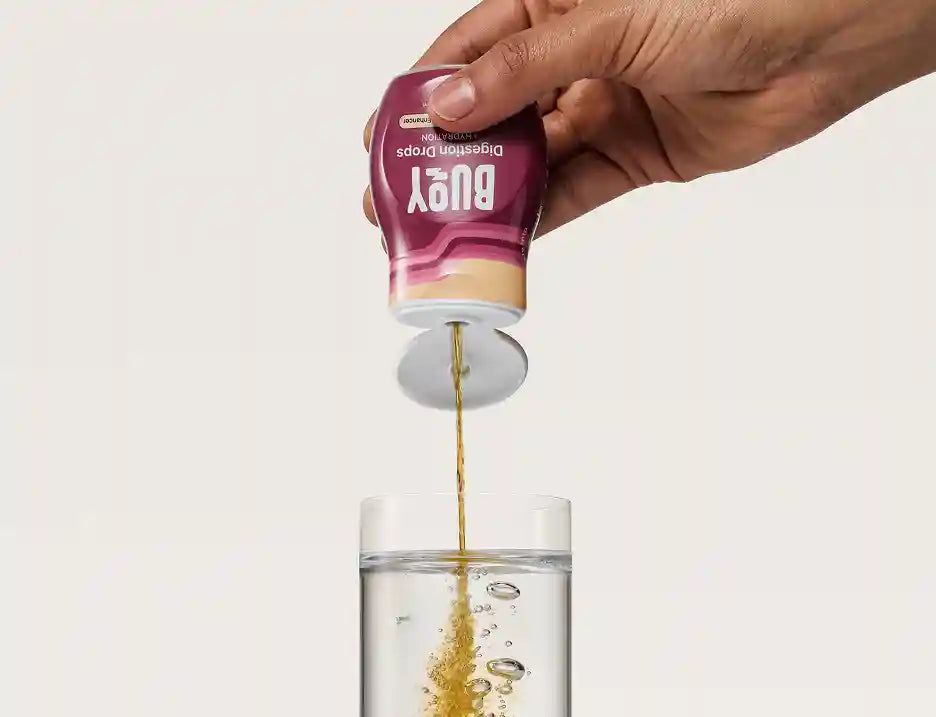
Add one quick squeeze (1.5 mL) of Buoy Hydration Drops to water or another beverage of your choice. Buoy recommends adding them to 4–7 drinks throughout the day, starting with your morning beverage.

Electrolyte Needs Can Vary With Kidney Health

Electrolytes play an important role in fluid balance, muscle function, and other essential processes. Because the kidneys help regulate minerals such as sodium and potassium, the right electrolyte intake depends partly on kidney function.

For people with kidney disease, individual needs may change based on bloodwork, medications, or treatment. A healthcare provider can help determine which electrolytes and amounts fit your hydration routine.

How Buoy's Sugar-Free Electrolytes Stack Up

Compare Buoy with leading competitors:

Frequently Asked Questions About What to Drink for Kidney Health

What is the best thing to drink for kidney health?

Drinks that support adequate hydration without excessive sugar or unnecessary amounts of electrolytes are generally better choices for kidney health. Water can provide the foundation, while electrolyte products like Buoy Hydration Drops can add measured amounts of sodium, potassium, chloride, and other minerals when they fit your individual needs.

What are the best electrolytes for kidneys?

Electrolytes such as sodium, potassium, and chloride help maintain fluid balance and support normal functions throughout the body. The best electrolyte formula for kidney-conscious hydration provides clearly defined amounts that fit your individual needs.

Those needs can vary based on kidney function, medications, and any dietary or fluid restrictions.

Is electrolyte water good for your kidneys?

Electrolyte water can be part of a normal hydration routine for people who need electrolyte replacement and do not have a medical reason to restrict specific minerals. People with kidney disease should check the sodium, potassium, and phosphorus content before taking electrolyte drops.

Is water with Buoy Hydration Drops good for kidney health?

Buoy Hydration Drops add measured amounts of sodium, chloride, potassium, magnesium, calcium, and trace minerals to water without sugar or sweeteners. They are designed to support hydration, which plays an important role in normal kidney function and fluid balance.

Can too many electrolytes be hard on the kidneys?

Yes, excessive intake of certain electrolytes can be a concern, particularly when kidney function is impaired. Avoid assuming that a higher-dose electrolyte formula is automatically healthier. Follow product directions and any limits recommended by your healthcare provider.

Should people with kidney disease drink electrolytes?

It depends on the person and the stage of kidney disease. People with CKD may need individualized limits for:
  • Sodium
  • Potassium
  • Phosphorus
  • Fluids
If electrolyte supplementation fits those limits, Buoy Hydration Drops offer a convenient way to add measured amounts of electrolytes to everyday drinks without sugar or sweeteners.

What drinks should you limit for kidney health?

The National Kidney Foundation also recommends caution with soda, alcohol, and high-sugar beverages when making kidney-conscious drink choices. Keep any restrictions in mind before consuming.

Do electrolytes help your kidneys filter better?

Electrolytes do not make the kidneys filter blood better. Instead, the kidneys themselves help regulate electrolyte and fluid levels in the body. However, electrolytes can help replenish minerals depleted through sweating or dehydration.
“Electrolyte boost without any sweetness whatsoever.”
“Electrolyte boost you can add to coffee, tea, and even alcohol.”
“Drops supply calming energy and immune support.”
“Purposefully unflavored which means sugar-free, stevia, and sweetener-free.”
“Many of the 87 trace minerals in Buoy aren’t found in the conventional diet.”
“Anti-bloat liquid electrolyte drops."
“Buoy help broaden understanding of chronic illness.”
The world's first unflavored functional beverage additive.
“Buoy is also third-party tested, which isn’t common for electrolytes.”
Real People, Real Health Journeys