4.8 out of 5
4.8/5 out of 5,517 reviews

Perimenopause Dizziness Treatment: How Hydration and Electrolytes Can Help

Feeling dizzy when you stand up too fast is a common but rarely discussed symptom of perimenopause. Most conversations about this stage of life focus on hot flashes and mood swings, so dizziness can catch you off guard.

Dizziness during this transition can trace back to several different systems in the body, from blood pressure regulation to blood sugar levels.

We’ll break down the most common triggers, when hydration is actually the relevant factor, and how a higher-sodium electrolyte supports dehydration and blood pressure management to help alleviate dizziness.
Identify What's Triggering Your Dizziness
Support Blood Pressure with Sodium-Rich Hydration
Unflavored, Sugar-Free Electrolyte Options
Flexible Enough for Daily Use
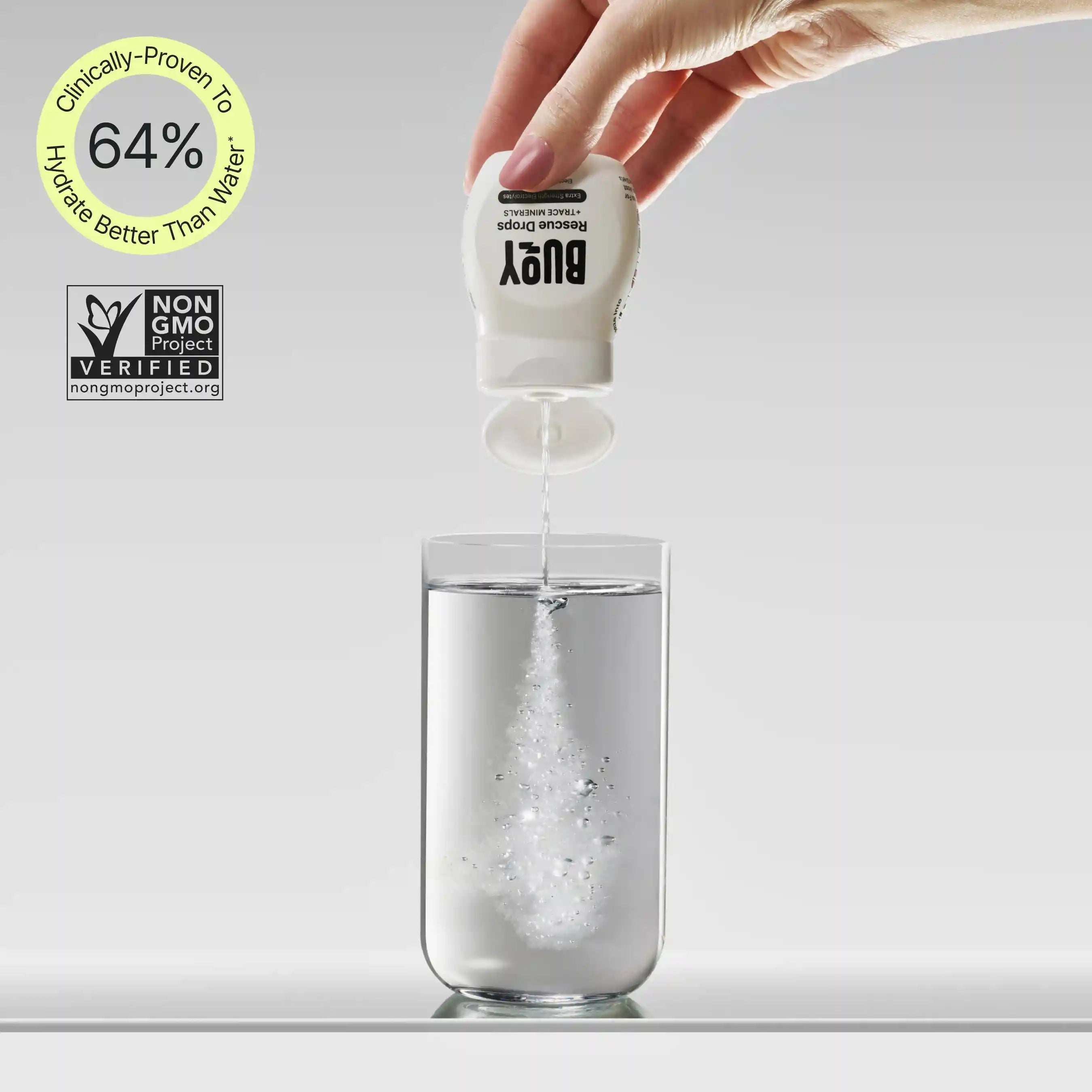
Hydrates 64% Better*View Clinical Study
Hydrates 64% Better* View Clinical Study

Can Perimenopause Cause Dizziness?

Yes, dizziness is a real and fairly common part of the perimenopause transition. As estrogen and progesterone levels start to fluctuate, they can affect blood flow throughout the body and how well blood pressure is regulated. These hormones also interact with the vestibular system in the inner ear, which is what helps you stay balanced and oriented in space.

One clinical study found that over 35% of peri- and postmenopausal women experienced dizziness at least once a week, though it varies a lot from person to person.

Dizziness can also continue into menopause and postmenopause for some women, but it often becomes less frequent once hormone levels stabilize.

If you are further along in the transition, explore our best electrolytes for menopause to learn about hydration support specific to that stage.
What Triggers Dizziness During Perimenopause
Dizziness during perimenopause is rarely caused by just one thing. The table below breaks down the most common contributors and how each one typically feels.

Possible CauseHow It Can FeelCommon Trigger
Hormonal fluctuation (estrogen/progesterone)Lightheaded, unsteadyEstrogen affects blood flow and the inner ear's balance signaling
Orthostatic changes in blood pressureWoozy when standing upStanding too quickly, dehydration, heat
Blood sugar instabilityShaky, faintSkipped meals, high-carbohydrate meals
Dehydration or electrolyte imbalanceLightheaded, fatiguedHot flashes, night sweats, low fluid intake
Anxiety or hyperventilationFaint, disorientedStress, panic episodes
Vestibular migraine or inner ear changesSpinning (vertigo)Migraine history, hormonal migraine triggers


If your dizziness feels more like spinning and less like lightheadedness, that pattern often points toward the inner ear or a vestibular migraine (rather than dehydration). Understanding which type you are experiencing is a useful first step before deciding what kind of support might help.
Hydration, Sodium, and Blood Pressure: Why They Matter for Perimenopause Dizziness Treatment
One of the more common and addressable contributors to perimenopause dizziness is the link between hydration, sodium, and blood pressure. Hot flashes and night sweats increase fluid loss, and many women do not increase their fluid or electrolyte intake to match.

When fluid and sodium levels drop, blood volume often drops with them. This can lead to a brief dip in blood pressure when standing up, sometimes called orthostatic hypotension. That dip is a common cause of the "head rush" feeling many women describe during perimenopause.

Electrolytes, and sodium in particular, play a direct role in fluid retention and blood volume. This is also the reason a higher-sodium electrolyte, rather than a standard low-sodium one, tends to be the more relevant option for this type of dizziness. Learn more about sodium deficiency, including causes and treatment.
What to Look for in the Best Electrolytes for Perimenopause
If dehydration or a blood pressure dip is contributing to your dizziness, the electrolyte you choose matters. A few things to look for:
  • Meaningful sodium content, since sodium is the electrolyte most directly tied to blood volume and blood pressure.
  • No added sugar or artificial sweeteners, which can affect blood sugar stability.
  • A flexible, unflavored format that is easy to use consistently throughout the day.
  • Third-party testing for quality and purity.
Lifestyle Tips to Help With Perimenopause Dizziness Treatment
Alongside hydration, a few general habits are commonly recommended for dizziness related to blood pressure or blood sugar changes:
  • Stand up slowly, especially after sitting or lying down for a while.
  • Eat regular, balanced meals to help stabilize blood sugar.
  • Sip fluids throughout the day rather than large amounts at once.
  • Monitor urine color as a simple hydration check, aiming for pale yellow.
  • Reduce caffeine if it seems to make lightheadedness worse.
Disclaimer: These habits and electrolyte drops are supportive, general wellness practices and are not a substitute for medical evaluation if dizziness is severe.
When to See a Doctor About Perimenopause Dizziness
Dizziness during perimenopause is usually not dangerous, but some symptoms warrant prompt medical attention. Contact a healthcare provider if you experience:
  • Sudden, severe spinning (vertigo) along with hearing loss, facial weakness, or trouble speaking
  • Dizziness with chest pain or shortness of breath
  • Fainting or a fall caused by dizziness
  • Dizziness that persists despite hydration and lifestyle changes
  • New or worsening dizziness that has not been evaluated before
Buoy Electrolyte Drops for Perimenopause Dizziness Support
Buoy offers two electrolyte drops designed to support consistent hydration, whether you need a daily baseline or something stronger on more difficult days.

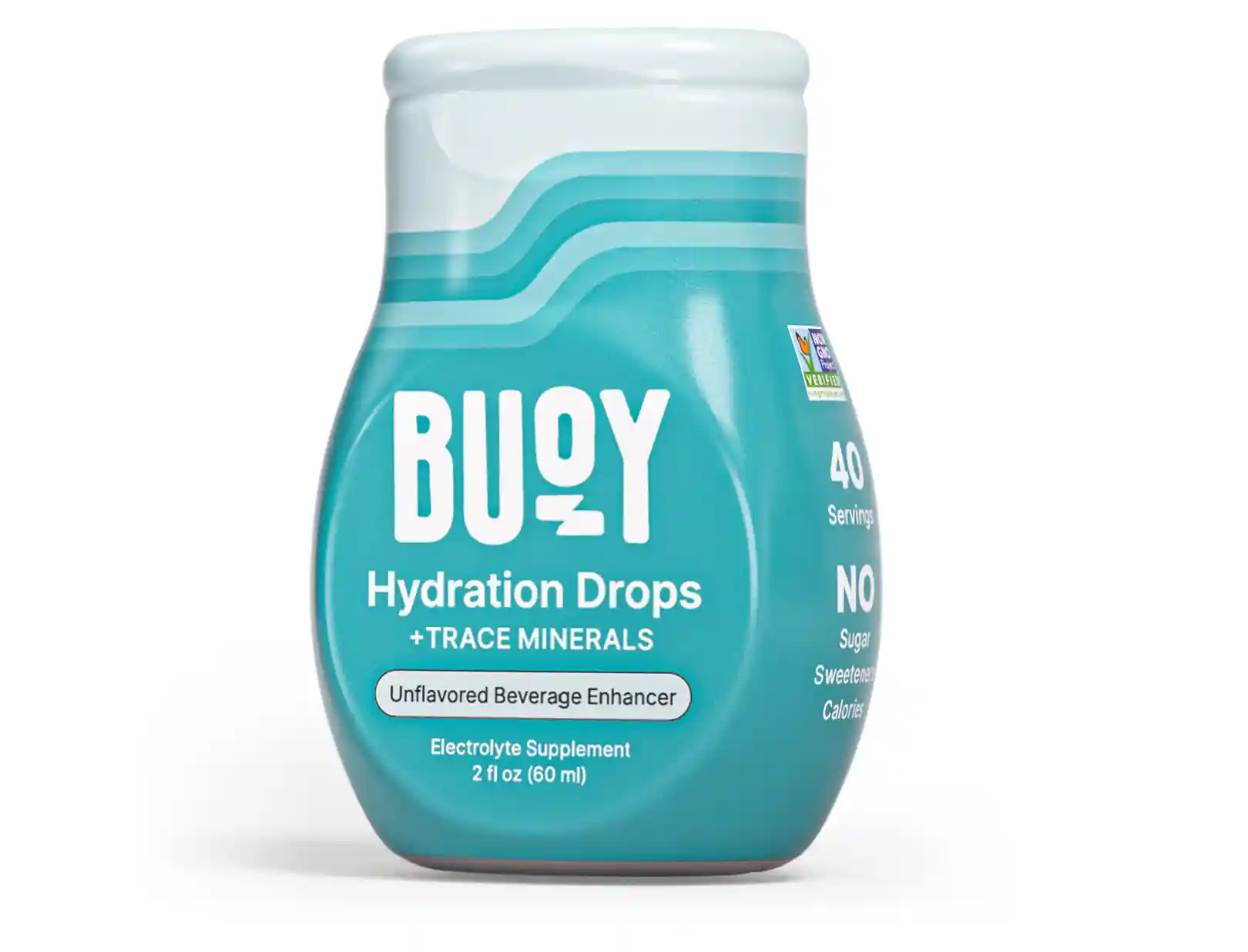
Hydration Drops provide unflavored electrolyte support built for everyday hydration consistency, which matters if dehydration is a consistent battle.

✓ Supports daily fluid and electrolyte balance
✓ Zero sugar, no artificial sweeteners
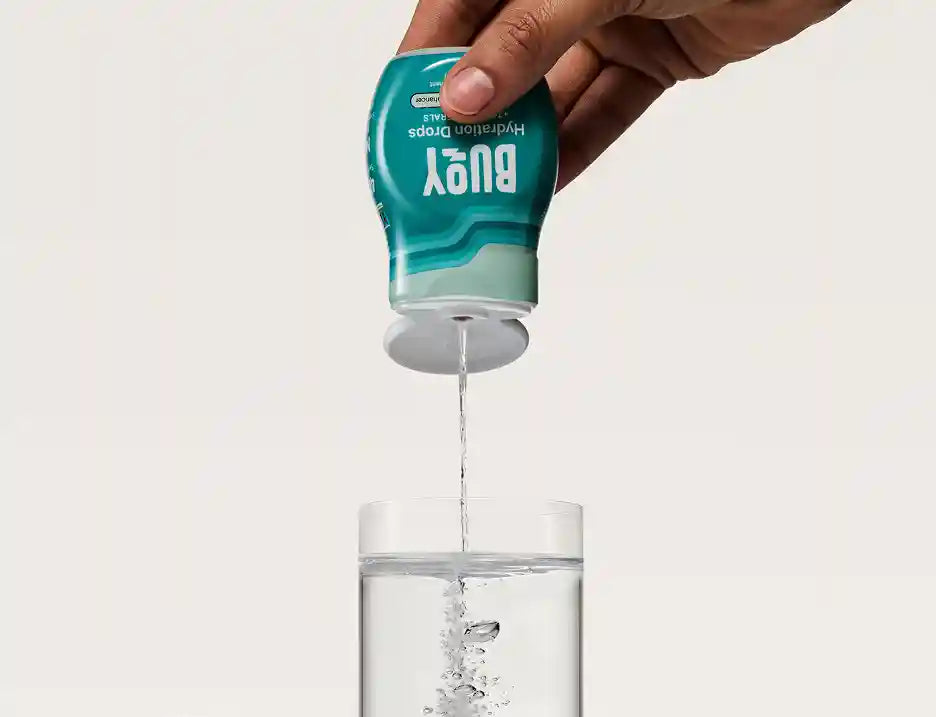
✓ Add to water, tea, or coffee without changing the taste
✓ Backed by a university-led clinical hydration study
✓ Easy to use consistently, even on busy or unpredictable days

Buoy Rescue Drops: The Higher-Sodium Formula

Need stronger support on days with more sweating, hot flashes, or lightheadedness when standing? Rescue Drops offer a higher-sodium formula built for exactly that kind of increased hydration need.
300 mg of sodium per serving to help support blood volume
Formulated for days when fluid loss is higher than usual
Completely sugar-free, sweetener-free, and unflavored
6x stronger than Buoy's regular liquid electrolytes
View Clinical Study
Hydration Drops
Hydration Drops
The original liquid electrolyte
from  $30.03
Save Up To $8.97
Learn More
Add to Cart
4.8 out of 5
4.8/5 from 5,517 Reviews
Hydration Drops
The original liquid electrolyte
Rescue Drops
Rescue Drops
6x stronger, high sodium electrolyte
from  $34.65
Save Up To $10.35
Learn More
Add to Cart
4.8 out of 5
4.8/5 from 812 Reviews
Rescue Drops
6x stronger, high sodium electrolyte
Liquid Electrolyte Variety Kit
All six of our liquid electrolytes
from  $67.76
Save Up To $20.24
Add to Cart
4.7 out of 5
4.7/5 from 9,505 Reviews
Liquid Electrolyte Variety Kit
All six of our liquid electrolytes
Build Your Own Bundle
Bundle 3+ items for maximum savings
Max Savings + Free Gifts
12M+
1.4M+
4.7 out of 5
4.7/5 out of 12,173 reviews

We didn't just go viral, we found our community

"Thank you for making a sugar AND stevia free electrolyte"
"... plus Buoy gives me more energy than the powder packets"
"My favorite zero sugar electrolyte! No calories or carbs! Perfect for those sensitive to stevia and monk fruit."

What Makes Buoy the Right Fit for Perimenopause Dizziness Treatment

Buoy's Clinical Study

The Science Behind Buoy’s Hydration Formula

Buoy's hydration performance is backed by a university-led clinical study showing 64% better hydration than water alone and 49% better than a leading electrolyte competitor.

This matters because dizziness linked to dehydration often comes down to how well fluid is retained.

Clean Ingredients, No Compromises

Sugar, artificial sweeteners, and artificial flavoring are common in electrolyte drinks. However, many women managing perimenopause dizziness prefer to avoid them, both for blood sugar stability and everyday tolerability. Buoy's drops are formulated without any of these.

FeatureHydration DropsTypical Electrolyte Drinks
Sugar0gOften 5–35g
SweetenersNoneCommon
Artificial flavorsNoneCommon
FormatUnflavored liquid dropsPowdered/flavored drinks
FlexibilityHighModerate

A Side-by-Side Look at Buoy's Electrolytes for Perimenopause Dizziness Treatment

Because symptoms can vary day to day, it helps to know how Buoy's core electrolyte products differ before building a routine.

ProductBest ForSodium LevelFormat
Rescue DropsDays with more sweating or lightheadednessHigh (300 mg/serving)Liquid drops
Hydration DropsEveryday baseline hydrationStandardLiquid drops
Rescue SaltOn-the-go or food-based sodium supportHighSea salt
Ocean Electrolyte KitA full routine with all six liquid electrolytes plus Rescue SaltMixedComplete set


Rescue Salt uses the same high-sodium approach as Rescue Drops in a solar-evaporated sea salt format, so it works well if you add a pinch to food or water. Rescue Salt's sodium content is designed to support blood volume and reduce dizziness and fainting associated with postural changes.

The Ocean Electrolyte Kit bundles Rescue Drops and Rescue Salt with Buoy's other electrolyte drops, including Hydration Drops, at a lower per-item cost than buying separately.

Flexible Hydration for Perimenopause Symptom Days

Because Buoy's drops and salt are unflavored, they fit into routines that already include water, coffee, tea, or other beverages. These drops don't significantly change the taste.

That flexibility can matter on days when symptoms make it harder to stick to a consistent routine, at home, at work, or during a flare-up.

If you are exploring hydration options more broadly rather than for perimenopause specifically, the best electrolytes for women covers electrolyte needs across life stages.

Using Buoy Electrolytes for Perimenopause Dizziness Relief

Because everything is unflavored, Buoy electrolytes integrate into an existing routine without requiring a separate drink or powder.
  • One serving is one quick squeeze, or a small pinch if using Rescue Salt.
  • Add the product to water, tea, coffee, or food (for Rescue Salt).
  • Use throughout the day as needed.
  • Adjust based on symptoms and hydration needs.

How Buoy's Sugar-Free Electrolytes Stack Up

Compare Buoy with leading competitors:

Frequently Asked Questions About Perimenopause Dizziness Treatment

Is there a specific perimenopause dizziness treatment?

There is no single treatment for perimenopause dizziness because it can stem from several different causes. Hormonal changes, blood pressure shifts, blood sugar instability, dehydration, and anxiety can all contribute.

Addressing the underlying cause, sometimes with lifestyle changes or medical evaluation, is more effective than treating dizziness as one condition.

What is the best electrolyte for perimenopause dizziness?

A high-sodium electrolyte tends to be the most relevant option when dizziness is linked to dehydration or blood pressure dips. Buoy Rescue Drops deliver 300 mg of sodium per serving along with 87+ trace minerals, without added sugar or sweeteners. Our Rescue Salt offers the same sodium-focused approach in a sea salt format.

Can dehydration make perimenopause dizziness worse?

Yes. Hot flashes and night sweats increase fluid loss, and many women do not adjust their fluid or electrolyte intake to compensate. This can reduce blood volume and contribute to lightheadedness.

What's the difference between vertigo and lightheadedness during perimenopause?

These two types of dizziness feel different and often point to different causes:
  • Vertigo: a spinning sensation, usually linked to the inner ear or vestibular system
  • Lightheadedness: a feeling of faintness or unsteadiness, often tied to blood pressure, blood sugar, or dehydration
Some women experience both at different times, and knowing which one you're dealing with can help narrow down the cause.

How much sodium do I need if I feel dizzy during perimenopause?

Sodium needs vary by individual, activity level, and how much fluid is being lost through sweating. Buoy Rescue Drops provide 300 mg of sodium per serving as a concentrated option, while our Hydration Drops offer a more moderate, everyday level.

A healthcare provider can advise on sodium intake if you have blood pressure concerns or take medication that affects sodium levels.

When should I see a doctor about perimenopause dizziness?

See a doctor if dizziness is severe, sudden, or accompanied by:
  • Hearing loss, facial weakness, or difficulty speaking
  • Chest pain or shortness of breath
  • Fainting or a fall
  • Symptoms that do not improve with hydration and lifestyle changes

Can perimenopause dizziness happen without other symptoms?

Yes, dizziness can show up as an isolated symptom before other, more commonly discussed perimenopause symptoms appear. Some women notice it well before hot flashes or irregular cycles become obvious. This is one reason dizziness during this life stage is often misattributed to unrelated causes.

How do I add electrolytes to my routine for dizziness support?

Because Buoy electrolytes are unflavored, they can be added to water, coffee, tea, or other beverages without changing the taste significantly.

Many women use Buoy Hydration Drops daily as a baseline and add our Rescue Drops or a pinch of Rescue Salt on days with more sweating or lightheadedness. Consistency tends to matter more than the amount used in any single serving.
“Electrolyte boost without any sweetness whatsoever.”
“Electrolyte boost you can add to coffee, tea, and even alcohol.”
“Drops supply calming energy and immune support.”
“Purposefully unflavored which means sugar-free, stevia, and sweetener-free.”
“Many of the 87 trace minerals in Buoy aren’t found in the conventional diet.”
“Anti-bloat liquid electrolyte drops."
“Buoy help broaden understanding of chronic illness.”
The world's first unflavored functional beverage additive.
“Buoy is also third-party tested, which isn’t common for electrolytes.”
Real People, Real Health Journeys