A homemade electrolyte drink might contain water and salt. Other recipes use coconut water, fresh citrus, fruit juice, honey, or maple syrup. Some individuals combine several of these ingredients, so there is no single standard DIY formula.
That flexibility is one of the main reasons people make their own. You can control the flavor, sweetness, and ingredients instead of relying on a pre-flavored sports drink or powder.
The tradeoff is consistency. Unless you measure every ingredient and know its nutrition profile, the final electrolyte content can vary every time you make it.
For more hydration ideas, explore our guide to DIY electrolyte drinks.Homemade Drinks Don't Have to Be Complicated
Measuring salt, squeezing fruit, mixing ingredients, and cleaning up a pitcher may be fine when you are at home. It is less convenient when you are rushing out the door or sitting at your desk.
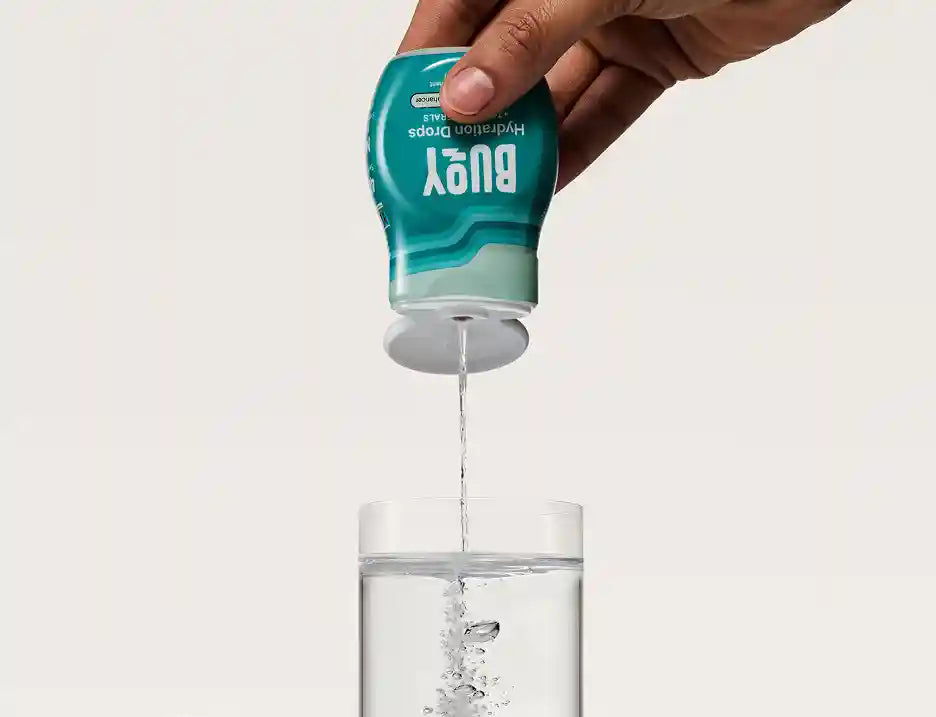
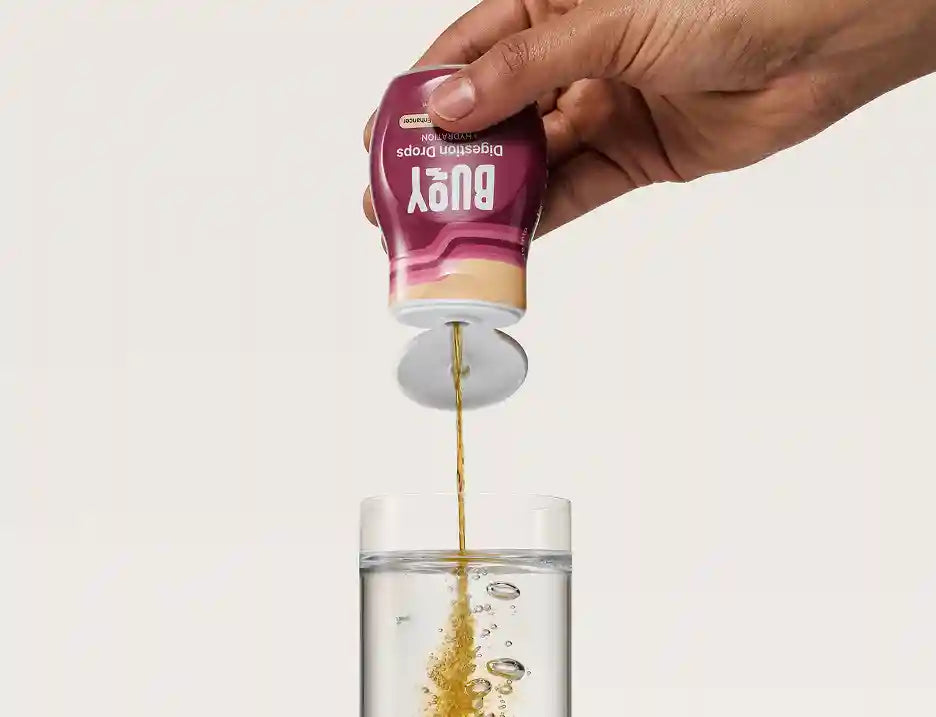
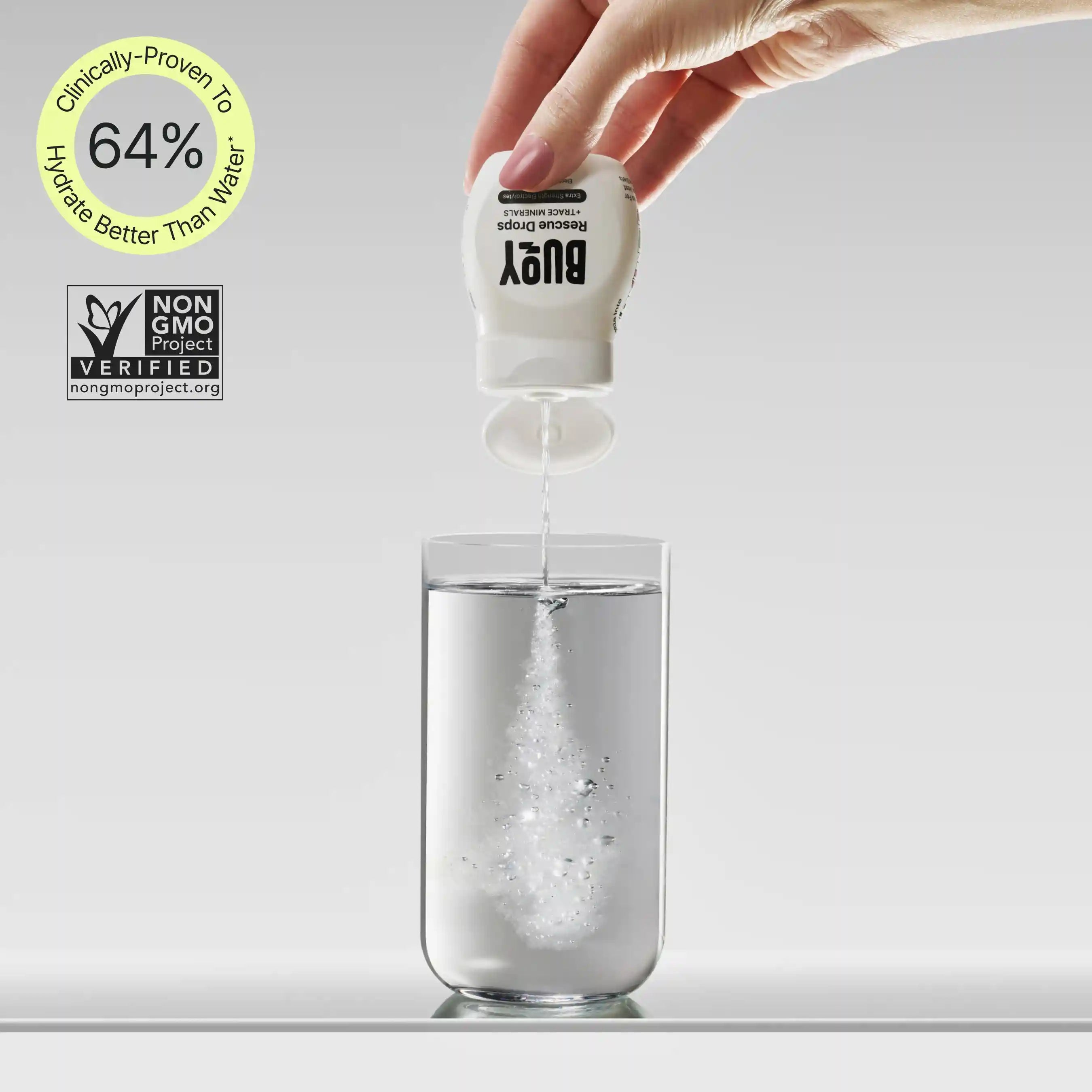
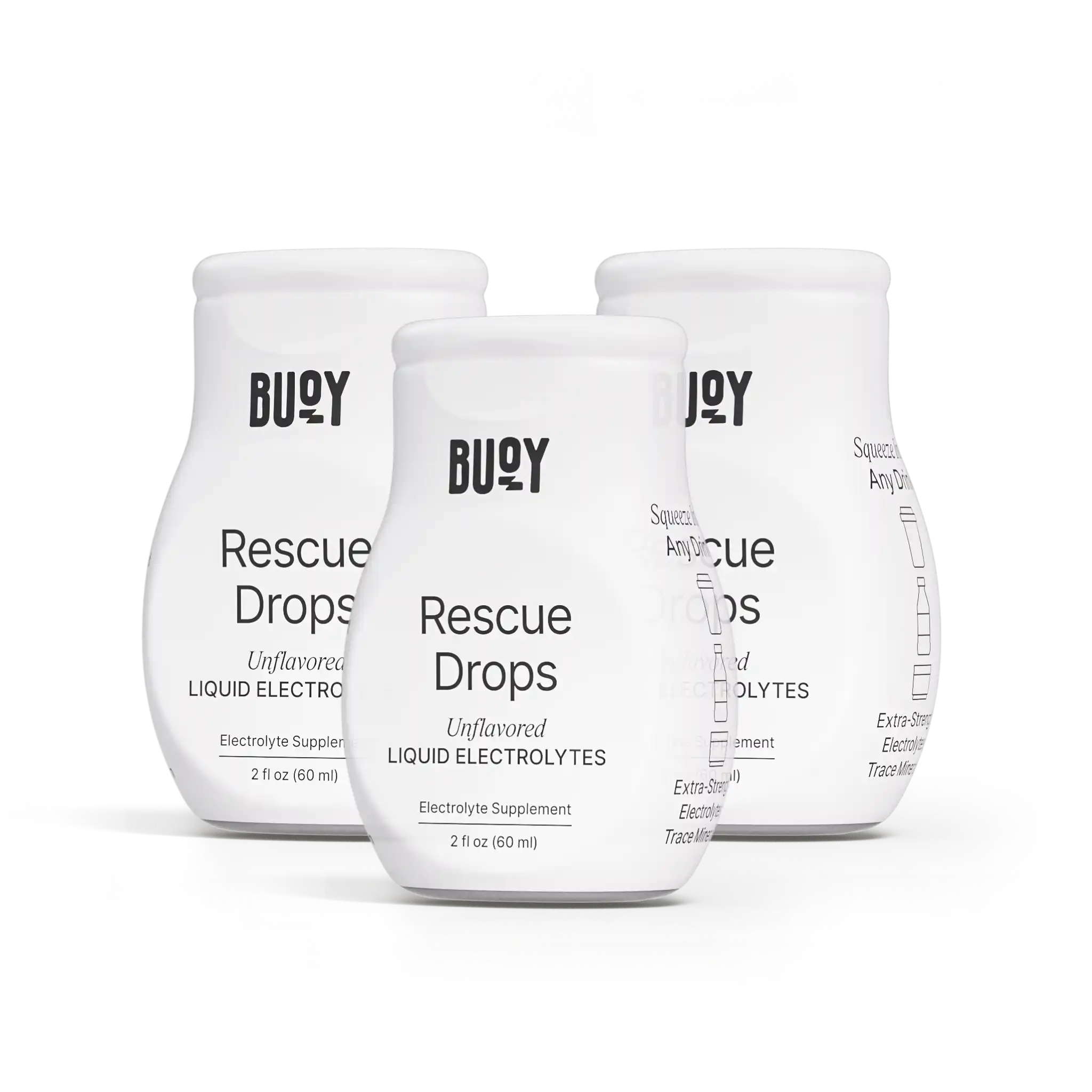
You can simplify the routine without giving up control over what you drink. Add one short squeeze of Buoy Hydration Drops to the beverage you already have and continue with your day.
That gives you an option for the days when you want a full homemade recipe without all the preparation and extra work.
Three Common Ways to Make Electrolyte Drinks at Home
Homemade electrolyte drinks tend to vary in formula and flavor. You can have a different starting point for each option.
Water, Salt, and Citrus
This is one of the simplest approaches. Water supplies the fluid. Salt contributes sodium and chloride, while lemon or lime adds flavor.
A sweetener can be added if you want one, but it is not necessary for every everyday electrolyte drink.
Coconut Water-Based Drinks
Coconut water naturally provides several minerals and is particularly rich in potassium. The exact mineral content varies, and it also contains naturally occurring carbohydrates and sugar.
Including citrus or a small amount of salt can change the flavor and mineral profile.
Your Regular Drink Plus Electrolytes
You can also skip the full recipe. Add Buoy Hydration Drops directly to water, coffee, tea, a smoothie, or another beverage you already planned to drink. This keeps the rest of your drink completely up to you.
What Different DIY Ingredients Actually Bring to the Drink
A recipe can contain plenty of “natural” ingredients without necessarily providing the electrolyte profile you expect.
Here are some of the most common components of a homemade electrolyte drink:
| Ingredient | Main Contribution | Worth Knowing |
| Water | Fluid | Provides the base but generally little electrolyte content |
| Salt | Sodium + chloride | Amount depends entirely on how much you add |
| Coconut water | Fluid + naturally occurring minerals, esp. potassium | Can add about 10g of sugar per 8oz. serving |
| Citrus juice | Flavor + naturally occurring nutrients | Contributes carbohydrates and natural sugar |
| Honey or maple syrup | Carbohydrate + sweetness | Optional for many everyday drinks |
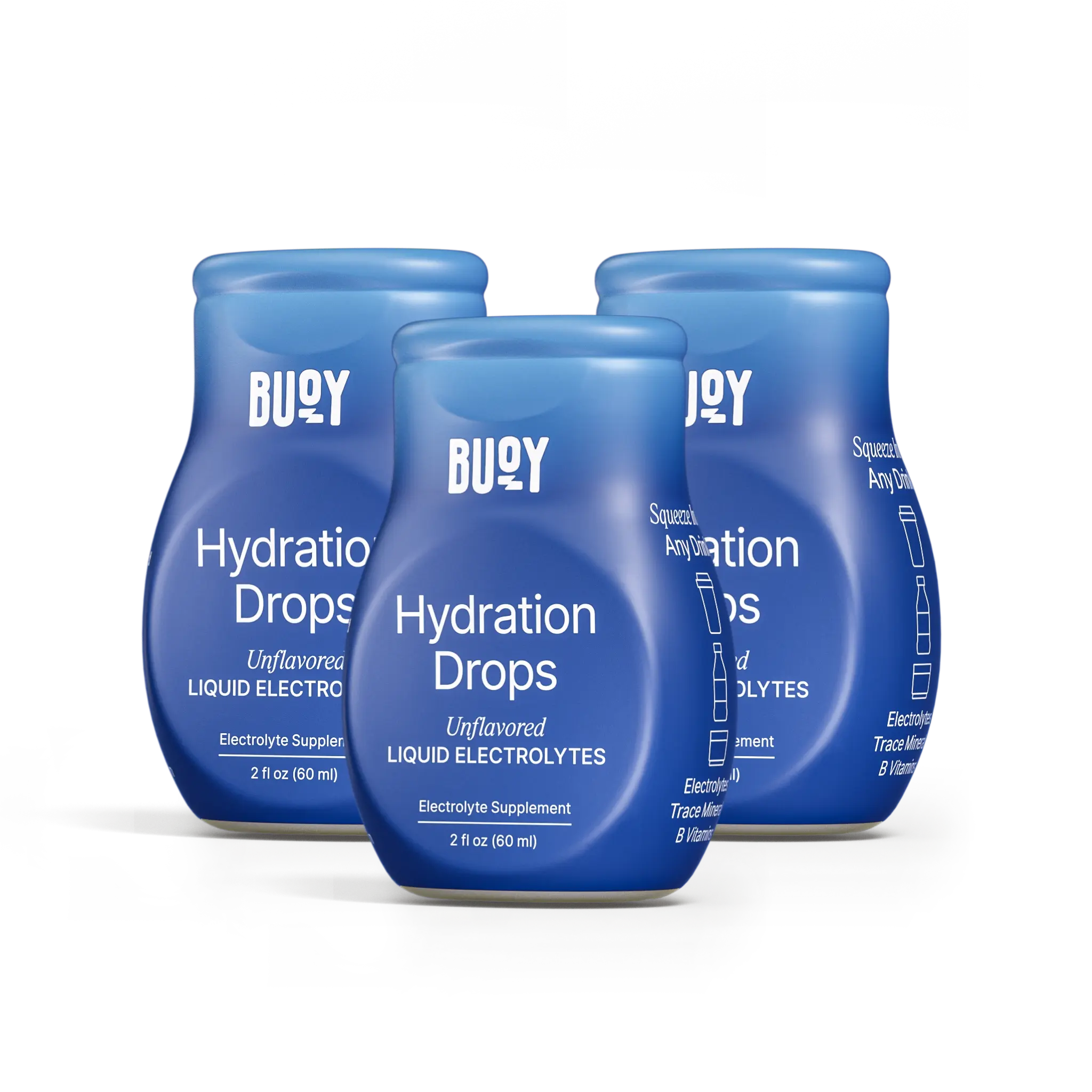
| Buoy Hydration Drops | Electrolytes + 87+ ionic trace minerals | Adds no sugar, sweeteners, or flavors |
Coconut water is useful, but it should not automatically be treated as a complete electrolyte drink. Research shows potassium is typically the most abundant mineral, while sodium concentrations can be considerably lower and varied, depending on the source.
Why DIY Electrolyte Amounts Can Be Hard to Predict
There are some limitations to making homemade electrolyte drinks, so it’s good to be mindful.
For example, coconut water varies between brands. Fruit juice also adds different amounts of minerals and sugar, depending on the fruit and serving size.
This simply means homemade electrolyte drinks are less standardized than a labeled electrolyte product. If you're making a drink primarily because you enjoy the ingredients, that flexibility may be exactly what you want.
For more options built around clean ingredient profiles, explore the best healthy electrolytes.When Homemade Electrolyte Drinks Make Sense
You do not need an electrolyte drink every time you are thirsty. Water remains an important part of everyday fluid intake.
Electrolyte drinks become more relevant when you are replacing minerals along with fluid.
After Sweaty ExerciseSweat contains water and electrolytes, particularly sodium and chloride. Losses vary significantly between people, which is why there is no universal homemade recipe that fits every situation.
A DIY drink lets you adjust the ingredients around your workout and preferences.
During Hot WeatherHeat can increase sweat and fluid losses, especially when you are active outdoors.
A cold homemade electrolyte drink can provide fluid while helping you replace minerals that are lost in sweat.
As Part of Your Everyday RoutineSome people simply prefer adding electrolytes regularly rather than waiting for a demanding workout.
Buoy is designed for that type of everyday hydration. Instead of relying on one large serving, you can add Buoy Hydration Drops to several beverages throughout your day.
If timing is your main question, see our guide on when to take electrolytes. 


 View Clinical Study




 Buoy's Clinical Study