Dry mouth, also called xerostomia, means there isn't enough saliva to keep the mouth wet. Saliva helps moisten food, supports swallowing, washes food particles away, and helps protect teeth.
Occasional dryness can happen to anyone. Persistent dry mouth is different and can make chewing, swallowing, tasting, or speaking more difficult.
There are also several possible causes. According to the National Institute of Dental and Craniofacial Research, hundreds of medications can reduce saliva production. Sjögren's disease, diabetes, cancer treatment, and nerve damage can also cause dry mouth.Dehydration can contribute to a dry feeling in the mouth as well, which is where consistent fluid intake becomes particularly essential.
| Possible Cause | What May Help |
| Not drinking enough fluids | Regular water and hydration throughout the day |
| Medication side effects | Talk with your doctor or dentist instead of changing medication yourself. |
| Reduced saliva production | Sugar-free gum, hard candy, or saliva substitutes may help |
| Dry air at night | Use a humidifier while sleeping. |
| Alcohol or tobacco | Limiting or avoiding them may reduce dryness. |
| Medical condition | Work with a doctor or dentist to address the underlying cause. |
Persistent dry mouth should be evaluated by a healthcare professional so you can identify what is causing it.
Home Remedies for Dry Mouth That Can Actually Help
Several simple habits can make a dry mouth feel more comfortable. The right approach depends partly on why your mouth is dry.
1. Sip Water Throughout the Day
Drink plenty of water or a sugarless drink with meals. Small, regular sips can keep moisture in your mouth and make chewing and swallowing easier.
Keeping a bottle nearby can also make hydration easier to maintain instead of trying to catch up later in the day.
2. Add Electrolytes to Your Hydration Routine
Electrolytes are minerals that carry an electrical charge and help regulate fluid balance in the body. Common examples include sodium, potassium, magnesium, chloride, and calcium.
For someone whose dry mouth accompanies dehydration or inadequate fluid intake, electrolytes for dry mouth can be incorporated as part of a broader hydration routine. They do not directly stimulate the salivary glands or treat medical causes of xerostomia.
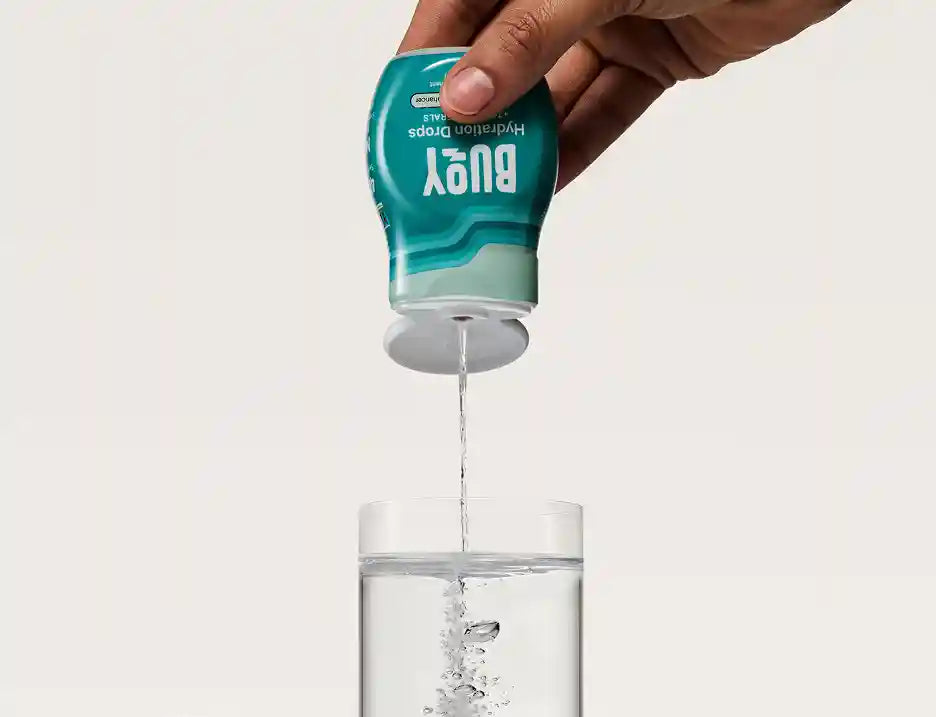
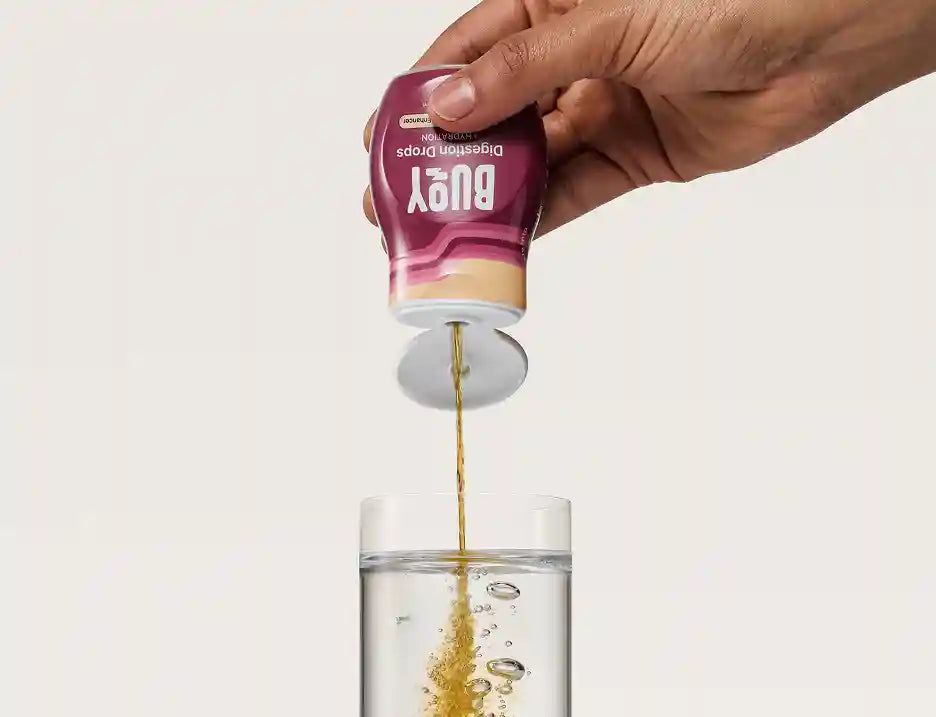
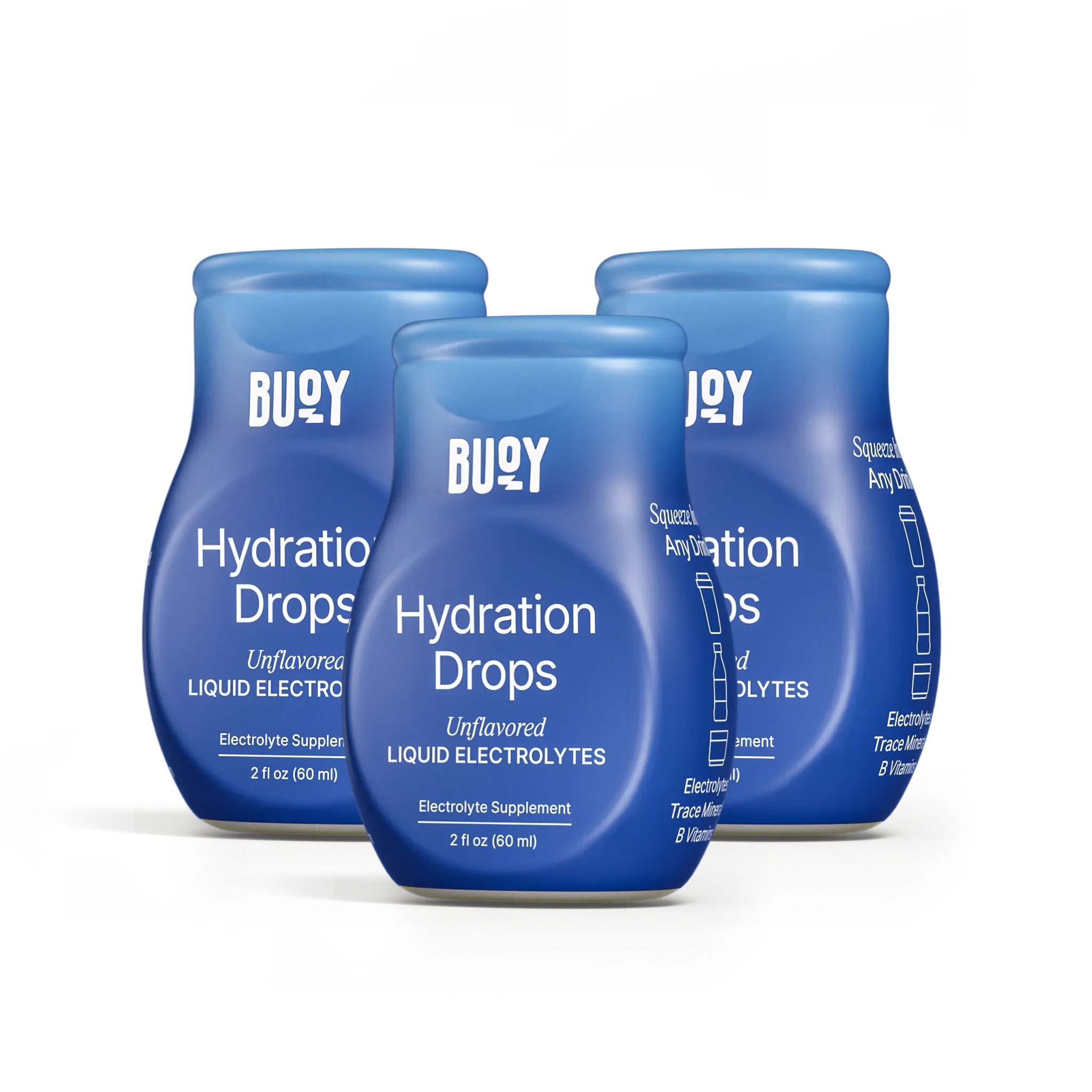
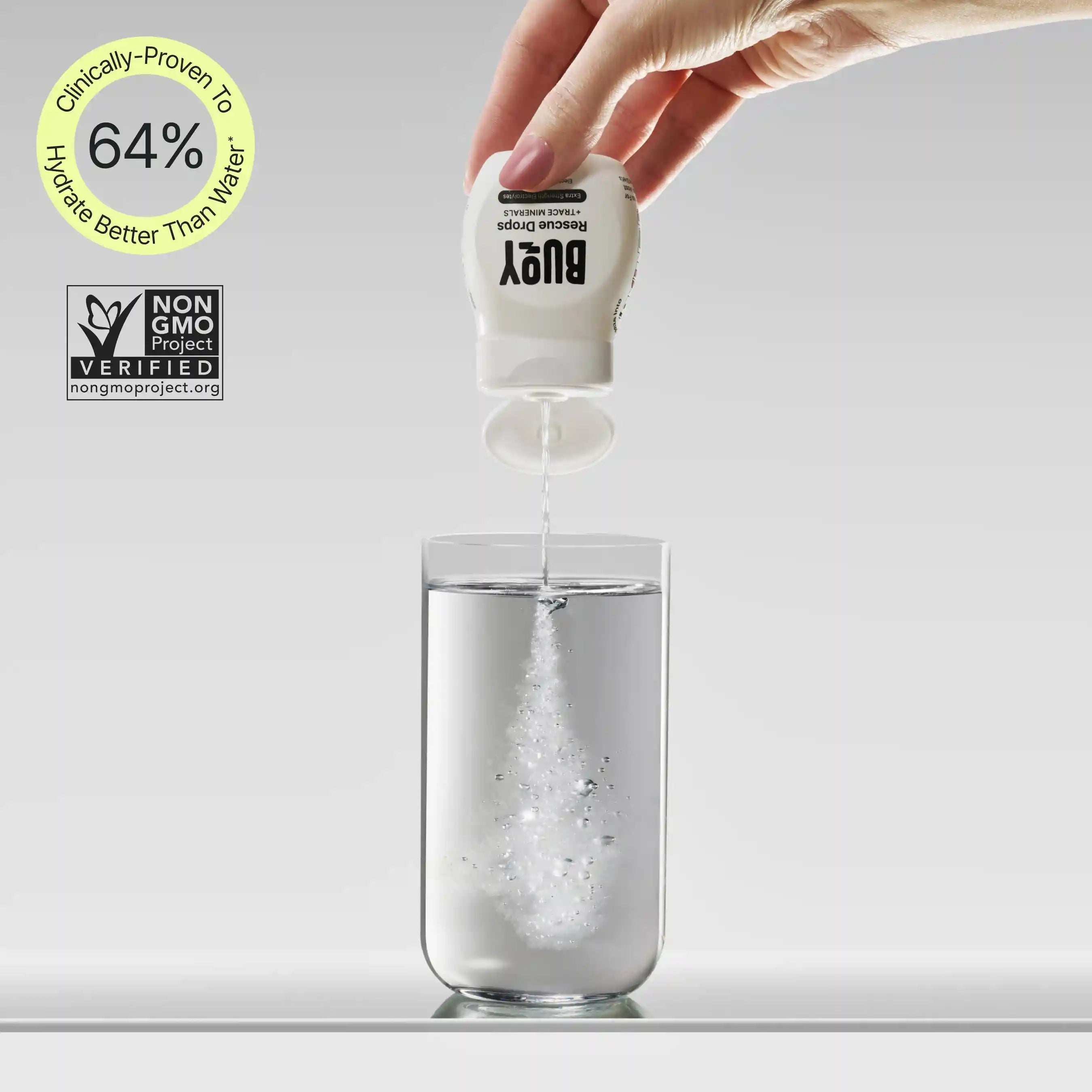
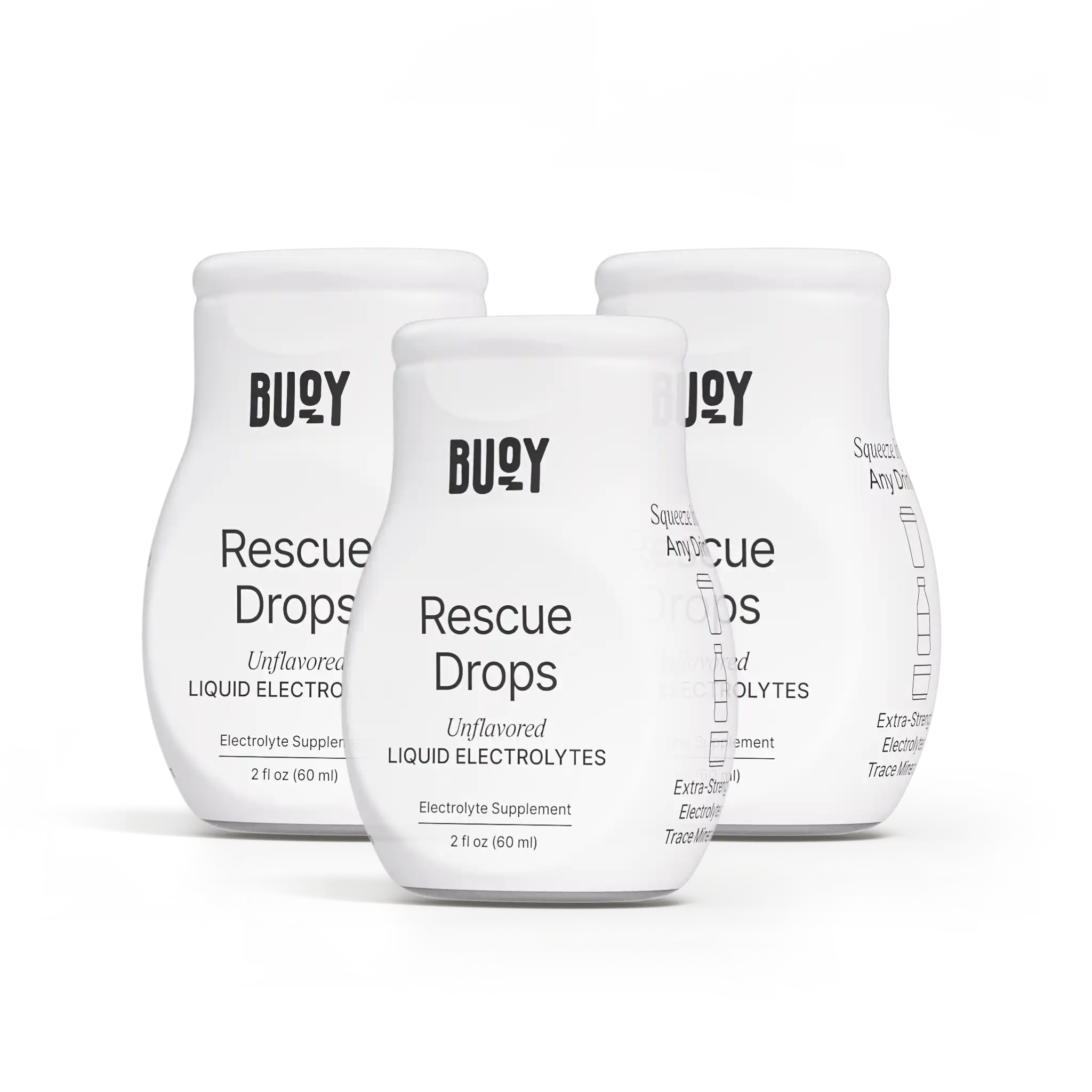
Buoy Hydration Drops make this particularly easy because you can squeeze them directly into the water you're already sipping throughout the day.
3. Stimulate Saliva With Sugar-Free Gum or Candy
Chewing sugar-free gum or sucking on sugar-free hard candy can stimulate saliva flow. Some products contain xylitol, which may also help protect against cavities.
This approach addresses the mouth itself, while regular fluids and electrolytes support hydration.
4. Use a Humidifier at Night
Dry mouth can be particularly noticeable overnight or when you wake up. Adding moisture to dry indoor air with a humidifier can help reduce nighttime dryness.
This is especially useful as part of a bedtime routine alongside adequate daytime hydration.
5. Limit Things That Can Make Dry Mouth Worse
Alcohol and tobacco can dry the mouth and are best avoided when dryness is already a problem. It’s recommended to limit caffeinated beverages because caffeine can contribute to dry mouth and dehydration.
Spicy or salty foods can also cause burning or discomfort when the tissues in your mouth are already dry.
When Dry Mouth Needs More Than a Home Remedy
Home remedies can help with occasional dryness, but persistent dry mouth deserves a closer look. Talk with a doctor or dentist if dry mouth continues despite adequate hydration, especially if you also have trouble swallowing, mouth sores, or recurrent oral infections.
A healthcare professional can review medications and health conditions that may be reducing saliva production. Don't stop or change a prescription medication on your own because you suspect it is causing dry mouth.
How Hydration and Electrolytes Fit Into Dry Mouth Relief
Hydration and saliva production are related, but they aren't the same thing. If you're dehydrated, replenishing fluids addresses an important contributor to dryness. Electrolytes support fluid balance, which is why they can be useful when you're working on hydration throughout the day.
If your salivary glands are producing less saliva because of medication, Sjögren's disease, cancer treatment, or another medical cause, drinking electrolytes won't correct that underlying problem. You may need additional treatment or saliva-support products recommended by a doctor or dentist.
Explore how clean electrolytes can help lessen dehydration. 


 View Clinical Study




 Buoy's Clinical Study