Dehydration and Vertigo: Understanding the Real Connection to Hydration
That sudden head rush when you stand up too fast is something most people have felt. So is the woozy feeling after a long day without enough water. Dehydration and vertigo often get mentioned together, but they're not quite the same thing.
Dehydration is a well-established cause of dizziness and lightheadedness. True vertigo is different. Vertigo is the spinning sensation you might feel, and it's usually tied to the inner ear rather than fluid loss.
Learn what dehydration actually does to your body and how it connects to dizziness, so you can understand where electrolytes fit into the picture.
Understand the Difference Between Dizziness and Vertigo
Support Hydration and Blood Pressure with Electrolytes
Know When Fluids Help and When They Won't
No Sugar, Sweeteners, or Artificial Flavors
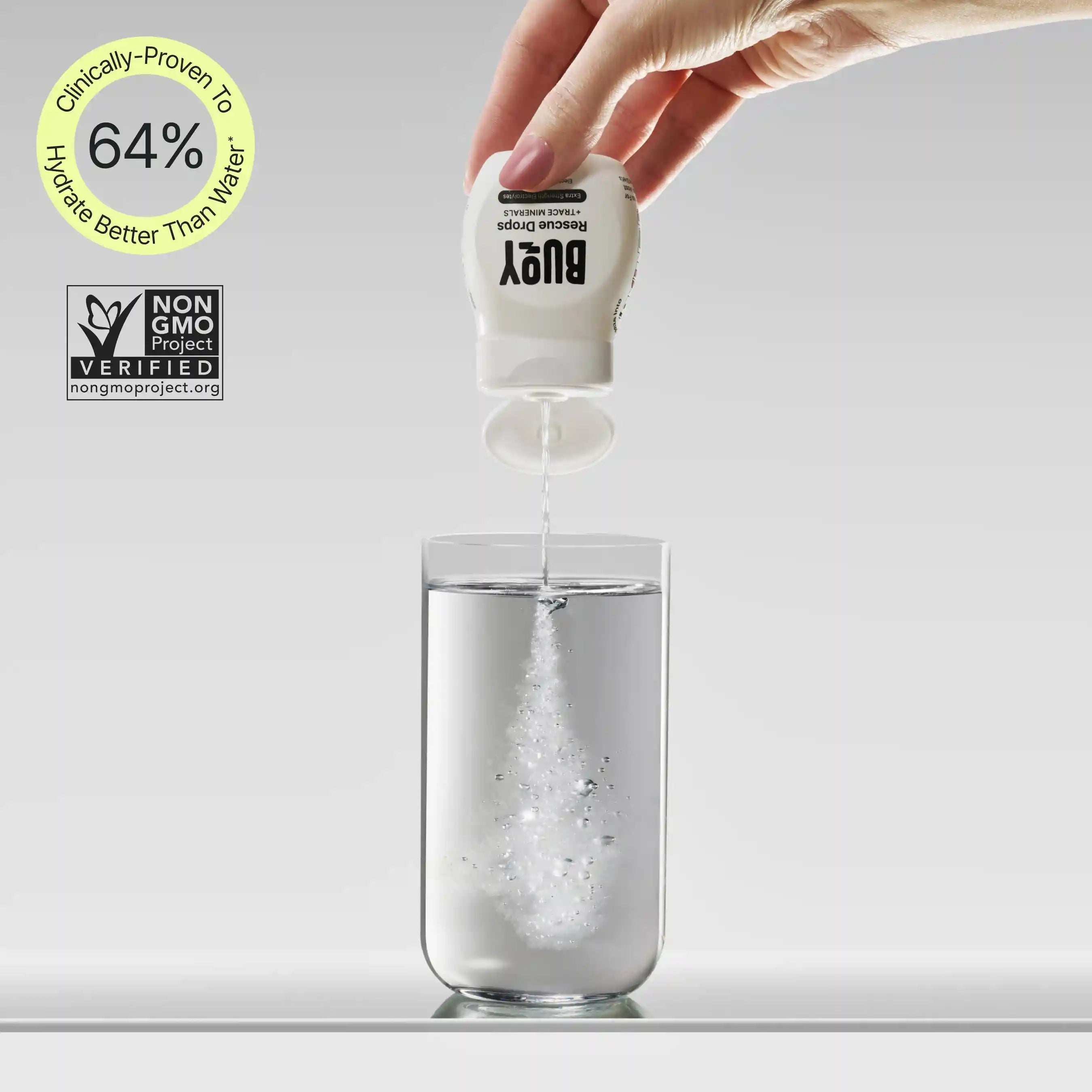
Hydrates 64% Better*View Clinical Study
Hydrates 64% Better*
View Clinical Study
Can Dehydration Cause Vertigo?
Dehydration can absolutely cause dizziness. When your body loses more fluid than it takes in, your blood volume drops, and that makes it harder for enough blood to reach your brain. This drop in blood flow can trigger orthostatic hypotension, a temporary dip in blood pressure that produces the lightheaded, faint feeling most people associate with being dehydrated.
True vertigo is more often linked to the vestibular system in the inner ear. This can be affected by conditions like BPPV, vestibular neuritis, or Ménière's disease, rather than fluid loss.
Dehydration can occasionally contribute to vertigo-like symptoms, but it's far more likely to cause general dizziness.
Feature
Dehydration-Related Dizziness
True Vertigo
Sensation
Lightheaded, faint, unsteady
Spinning, as if the room is rotating
Common trigger
Standing up quickly, heat, low fluid intake
Head position changes, inner ear conditions
Typical cause
Reduced blood volume and blood pressure
Vestibular system dysfunction
Response to fluids
Often improves with rehydration
Usually does not improve with fluids alone
Duration
Brief, often resolves within minutes
Can last seconds (BPPV) to hours (Ménière's)
Electrolytes like sodium play a direct role in how well your body retains fluid and maintains blood volume, which can impact dehydration and vertigo. If the room genuinely feels like it's rotating, that pattern points more toward the inner ear, and hydration alone likely won't resolve it. Discover electrolytes for dehydration to help support fluid and mineral loss.
Electrolytes for Vertigo: What They Can and Can't Do
Electrolytes are not a treatment for true vertigo. If your dizziness is caused by an inner ear condition like BPPV, vestibular neuritis, or Ménière's disease, you’ll likely need treatment from a doctor.
Where electrolytes may genuinely help is with dizziness connected to dehydration or a blood pressure dip, which can happen from:
Heavy sweating through exercise, heat, or physical work
Vomiting or diarrhea
Not drinking enough fluids consistently throughout the day
Excessive alcohol or caffeine intake
In these situations, replacing lost sodium and fluids may reduce lightheadedness. Seek medical care if symptoms are persistent. Explore chronic dehydration symptoms to understand why episodes may be recurring.
Dehydration and Vertigo: Knowing When It's Serious
Most dehydration-related dizziness resolves with fluids and rest, but some symptoms need medical attention. Contact a healthcare provider if you experience:
Sudden, severe vertigo that doesn't go away
Vertigo along with hearing loss, ringing in the ears, or facial weakness
Fainting or loss of consciousness
Numbness or weakness
Difficulty speaking
Dizziness with a high fever, chest pain, or shortness of breath
Frequent or recurring episodes that don't improve with hydration
Buoy Hydration Drops and Rescue Drops for Dehydration-Related Dizziness
Since dehydration-related dizziness is closely tied to fluid and sodium loss, an unflavored electrolyte option can be a practical part of managing it.
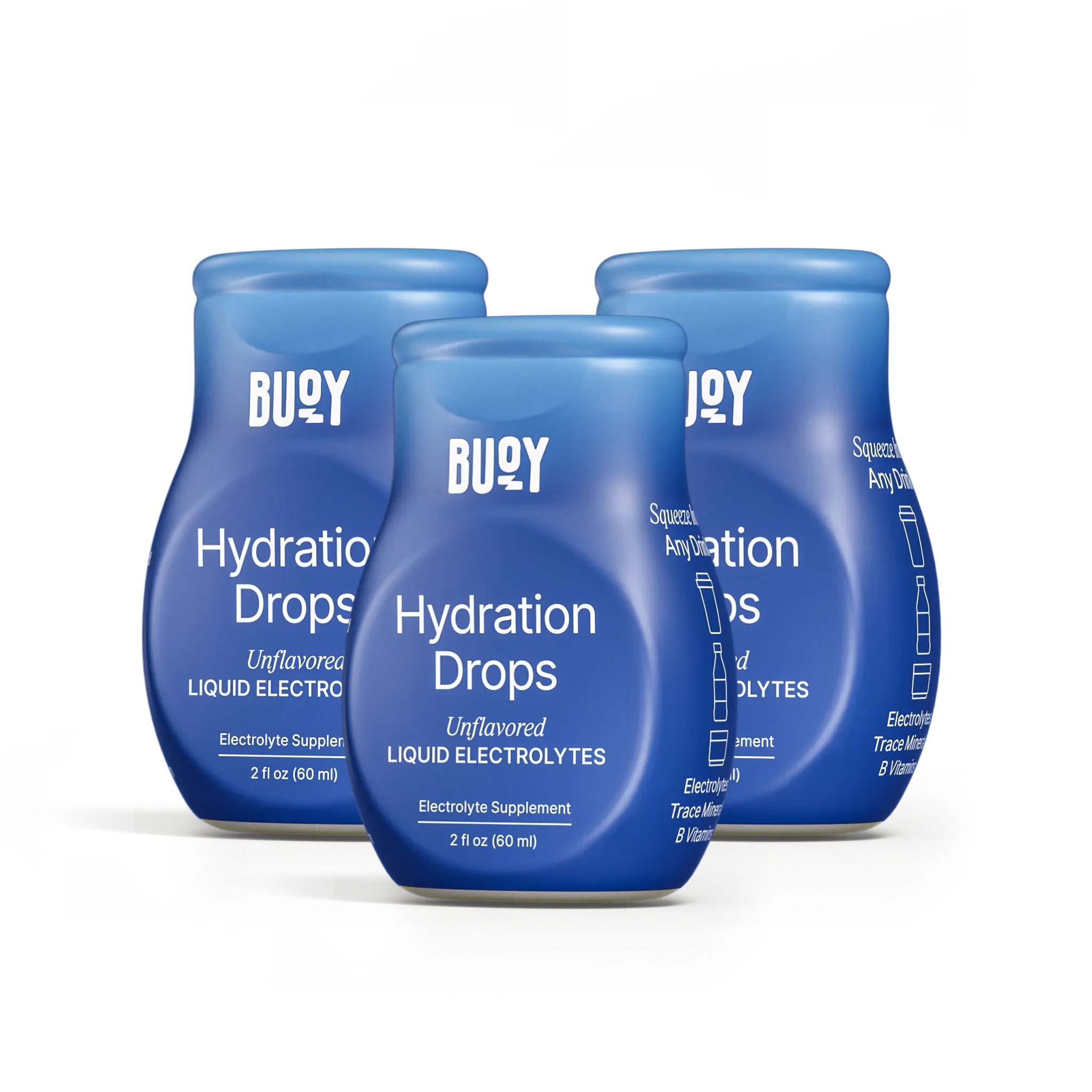
Buoy Hydration Drops are our everyday electrolyte formula, designed for consistent daily hydration.
✓ Ocean-sourced minerals, not lab-made isolates
✓ Dissolves instantly, no gritty powder or mixing required
✓ Free from fillers, binders, and artificial additives
✓ Recommended by 900+ doctors and dietitians
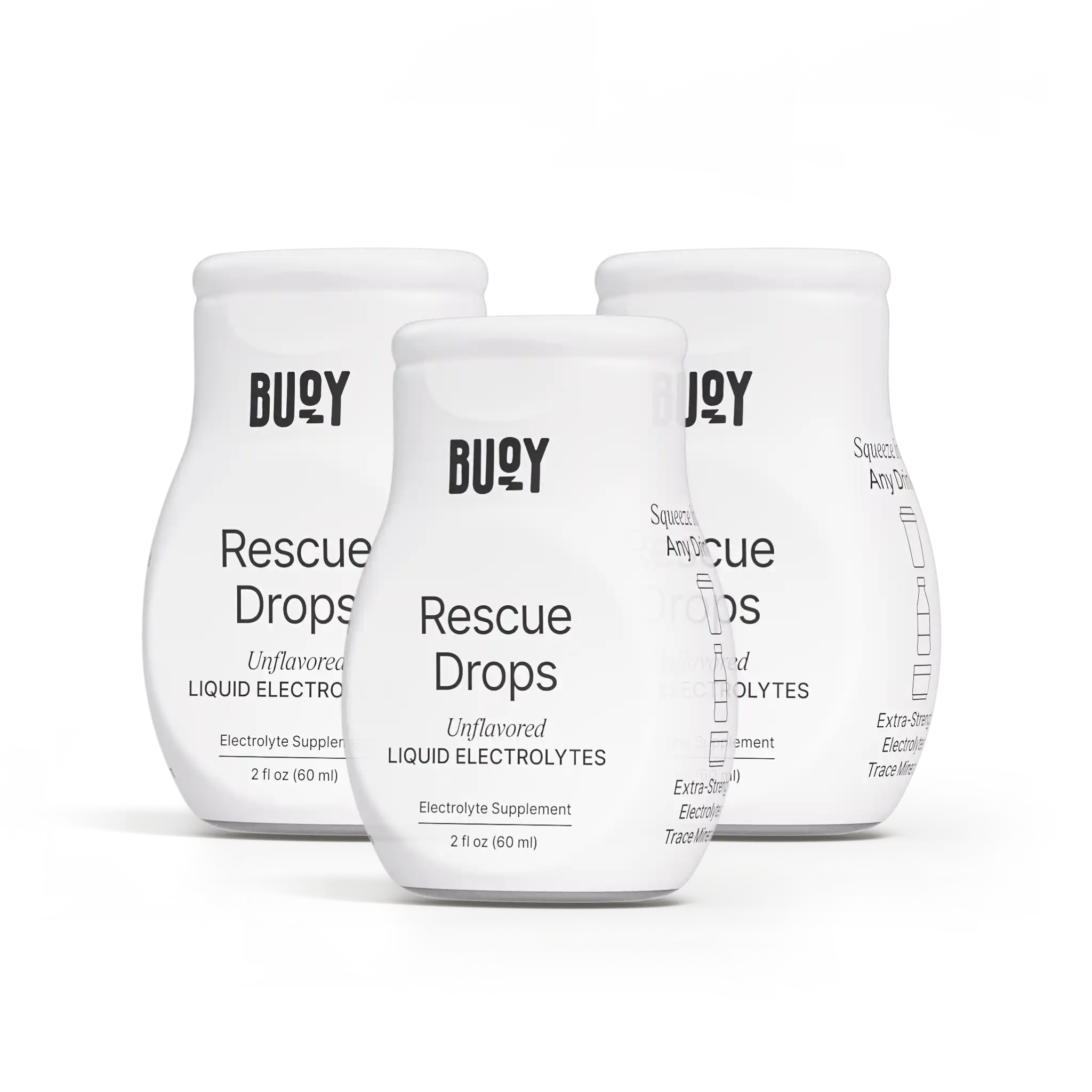
For dizziness tied more specifically to a blood pressure dip when standing, Rescue Drops offer a higher-sodium formula built for that scenario.
300 mg of sodium per serving to help support blood volume
Formulated to help reduce dizziness associated with postural changes
Completely sugar-free, sweetener-free, and unflavored
6x stronger than Buoy's standard electrolyte formula
"Thank you for making a sugar AND stevia free electrolyte"
"... plus Buoy gives me more energy than the powder packets"
"My favorite zero sugar electrolyte! No calories or carbs! Perfect for those sensitive to stevia and monk fruit."
Buoy's Approach to Dehydration and Vertigo-Related Dizziness
Buoy's Clinical Study
Third-Party Tested for Purity
Buoy's electrolytes are third-party tested, which isn't standard practice across the electrolyte industry. For anyone dealing with recurring dizziness, knowing exactly what's in a product and that it's been verified by an outside lab matters exponentially.
Minerals in Their Natural Ratios
Buoy's minerals are harvested from the ocean rather than created through lab synthesis, which means they arrive in the naturally occurring ratios your body already recognizes. Lab-manufactured electrolyte isolates can have lower bioavailability, meaning less of what you're drinking actually gets absorbed and used.
Feature
Buoy Hydration Drops
Other Electrolyte Drinks
Sourcing
Ocean-sourced minerals
Often lab-manufactured isolates
Third-party tested
Yes
Not always disclosed
Bioavailability
High
Often lower
Format
Unflavored liquid drops
Powdered/flavored drinks
Choosing Between Buoy's Electrolytes for Dehydration and Vertigo-Related Dizziness
See how two of Buoy’s popular electrolyte products stack up.
Product
Best For
Sodium Level
Format
Hydration Drops
Everyday hydration and dizziness prevention
Standard
Liquid drops
Rescue Drops
Dizziness linked to standing up or blood pressure dips
High (300 mg/serving)
Liquid drops
Building a Routine Around Dehydration and Vertigo-Related Symptoms
Discover how simple it is to add Buoy to your daily routine.
Add one squeeze to water and sip slowly rather than gulping, especially if you're feeling dizzy.
Use Hydration Drops daily as a baseline, especially in heat or after exercise.
Reach for Rescue Drops on days with heavier fluid loss or when standing-related dizziness is more noticeable.
Sit down immediately if dizziness hits, and stand up slowly once it passes.
Dehydration headaches often show up alongside dizziness, since both stem from the same underlying fluid loss.
How Buoy's Sugar-Free Electrolytes Stack Up
Compare Buoy with leading competitors:
No Sugar, Sweeteners
87 Trace Minerals
Harvested Salt Source
Bioavailable
Clinical Study
Add To Any Drink
Cost Per Serving
Highly
$0.25
Low
$1.53+
How Chronic Illness Connects to Dehydration and Vertigo
Standing-related dizziness doesn't always show up once and go away. For some people, it's a recurring pattern, often pointing to an underlying chronic condition rather than a single dehydration episode. Conditions like POTS and dysautonomia are common culprits, since both involve the body struggling to regulate blood pressure when shifting positions.
That ongoing need is exactly what Buoy's Chronic Illness Support Program was built to support.
35% off for life
Approval in about 2 minutes
Covers POTS, dysautonomia, ME/CFS, Long COVID, IBS, autoimmune disorders, and 20+ other chronic conditions
Frequently Asked Questions About Dehydration and Vertigo, Including How Electrolyte Support Fits In
Can dehydration cause vertigo?
Dehydration is more commonly linked to dizziness and lightheadedness than to true vertigo. True vertigo, the spinning sensation, is usually caused by an inner ear condition rather than fluid loss. Dehydration can occasionally contribute to vertigo-like symptoms, but it's a less common cause than conditions like BPPV or vestibular neuritis.
What's the difference between dehydration, dizziness, and vertigo?
The two feel different and usually come from different causes:
Dehydration dizziness feels like faintness or unsteadiness and often improves with fluids.
True vertigo feels like spinning and typically doesn't improve with hydration alone.
If fluids help, dehydration is a likely factor. If the spinning persists regardless, an inner ear evaluation is worth considering.
Do electrolytes help with vertigo?
Electrolytes aren't a treatment for true vertigo caused by inner ear conditions. They may help with dizziness that's specifically tied to dehydration or a blood pressure dip, since sodium and fluid balance play a direct role in that type of dizziness.
Why do I feel dizzy when I stand up too fast?
This is often caused by a temporary drop in blood pressure called orthostatic hypotension, which happens when blood flow to the brain briefly lags behind a change in position. Dehydration makes this more likely, since lower blood volume makes blood pressure more sensitive to sudden changes in position. Standing up slowly and staying hydrated can both help reduce how often this happens.
How much water should I drink to prevent dehydration-related dizziness?
Fluid needs vary by body size, activity level, and climate. There's no single number that applies to everyone. A reasonable general guide many people use is drinking enough water throughout the day that urine stays pale yellow. Adding electrolytes alongside water can help your body retain fluid more effectively than water alone, especially during heat or exercise.
What triggers dehydration-related dizziness most often?
A few everyday situations tend to be behind most cases:
Standing up quickly after sitting or lying down for a while
Heavy sweating from exercise, heat, or physical work
Vomiting or diarrhea, which cause rapid fluid loss
Skipping fluids for an extended period, especially in hot weather
Drinking alcohol or a lot of caffeine, both of which increase fluid loss
If dizziness tends to show up in one of these situations, dehydration is a reasonable explanation to start with.
When should I see a doctor about dehydration and vertigo?
See a doctor if vertigo is sudden and severe, doesn't go away, or comes with hearing loss. Fainting, a high fever, chest pain, or shortness of breath alongside dizziness also warrant prompt medical attention.
Frequent or recurring episodes that don't improve with hydration and rest are worth bringing up with a healthcare provider.
What should I do in the moment if I feel dizzy or start spinning?
Sit or lie down right away rather than trying to move through it, since standing increases fall risk. If dehydration seems likely, sip an electrolyte drink slowly. Keep your head still, since movement can intensify both dehydration-related dizziness and true vertigo, and focus on slow, steady breathing until the sensation passes.
Disclaimer: These electrolyte products are intended to support hydration and are not a treatment for vertigo, inner ear conditions, or any other medical condition.
“Electrolyte boost without any sweetness whatsoever.”
“Electrolyte boost you can add to coffee, tea, and even alcohol.”
“Drops supply calming energy and immune support.”
“Purposefully unflavored which means sugar-free, stevia, and sweetener-free.”
“Many of the 87 trace minerals in Buoy aren’t found in the conventional diet.”
“Anti-bloat liquid electrolyte drops."
“Buoy help broaden understanding of chronic illness.”
The world's first unflavored functional beverage additive.
“Buoy is also third-party tested, which isn’t common for electrolytes.”
Real People, Real Health Journeys
Choosing a selection results in a full page refresh.