Water alone doesn't fully replace what a hard workout costs your body. Sweat contains sodium, potassium, and other minerals. Losing enough of them can leave you fatigued, cramping, or slower to recover, even if you're drinking plenty of water.
This is why electrolyte replacement is treated as a separate need from general hydration, not just a more flavorful way to drink water.
Best Workout Drinks for Men: Electrolytes vs. Pre-Workout Stimulants
Workout drinks aren't one-size-fits-all, and figuring out which category you actually need makes the difference.
| Drink Type | Primary Purpose | Common Ingredients | Best For |
| Electrolyte and hydration drinks | Replace fluids and minerals lost through sweat | Sodium, potassium, magnesium, trace minerals | Any workout where sweating is a factor |
| Pre-workout stimulant drinks | Increase energy, focus, and blood flow before training | Caffeine, creatine, beta-alanine, citrulline | Men looking for an energy or performance boost before training |
| Traditional sports drinks | General hydration | Sugar, sodium, potassium, artificial flavors and colors | Casual use, though added sugar is a common drawback |
Electrolyte drinks and pre-workout stimulants solve different problems. Some men end up combining both rather than picking one over the other.
For a closer look, discover
how electrolytes influence athletic performance and recovery.
What to Look for in the Best Electrolytes for Men
Electrolyte products vary more than people expect, and a few specific factors matter most for workout use.
- Meaningful sodium content, since sodium is the primary electrolyte lost through sweat.
- No added sugar, which isn't necessary for effective hydration and can slow fluid absorption in high amounts.
- A flexible, unflavored format that works in water, a shaker, or any other drink.
- Third-party testing, especially relevant for anyone training for competition.
Sodium, Sweat, and Recovery: The Science Behind Workout Drinks for Men
Sodium is the electrolyte your body loses in the highest concentration through sweat, which is why sodium replacement is one of the ways you can recover from a workout. Heavier sweating means a higher sodium loss to replace, whether from a longer session, higher intensity, or hot conditions.
A higher-sodium electrolyte formula is built specifically for that heavier-loss scenario, while a standard formula covers everyday training needs.
Get a deeper look at
electrolytes for athletes or workout recovery.
Signs You're Not Replacing Enough Electrolytes During Workouts
A few common signs can point to electrolyte loss outpacing what you're replacing, especially on harder training days:
- Muscle cramping occurs during or after a workout.
- Fatigue feels heavier than the workout should account for.
- Headaches show up during or after training.
- You see slower recovery than usual between sessions.
- Dizziness or lightheadedness happens when standing up post-workout.
If these sound familiar, the issue is often what's not being replaced during and after training.
When to Drink Electrolytes Before, During, and After a Workout
Timing electrolyte intake around a workout can make a noticeable difference:
- Before: A baseline dose helps you start training already hydrated rather than catching up mid-session.
- During: Longer or more intense sessions benefit from electrolyte intake as you go, especially in heat.
- After: Replacing what you lost supports recovery and reduces next-day fatigue.
For a more detailed timing breakdown, explore the
best time to drink electrolytes.
Best Workout Drinks for Men: Buoy Hydration Drops and Rescue Drops
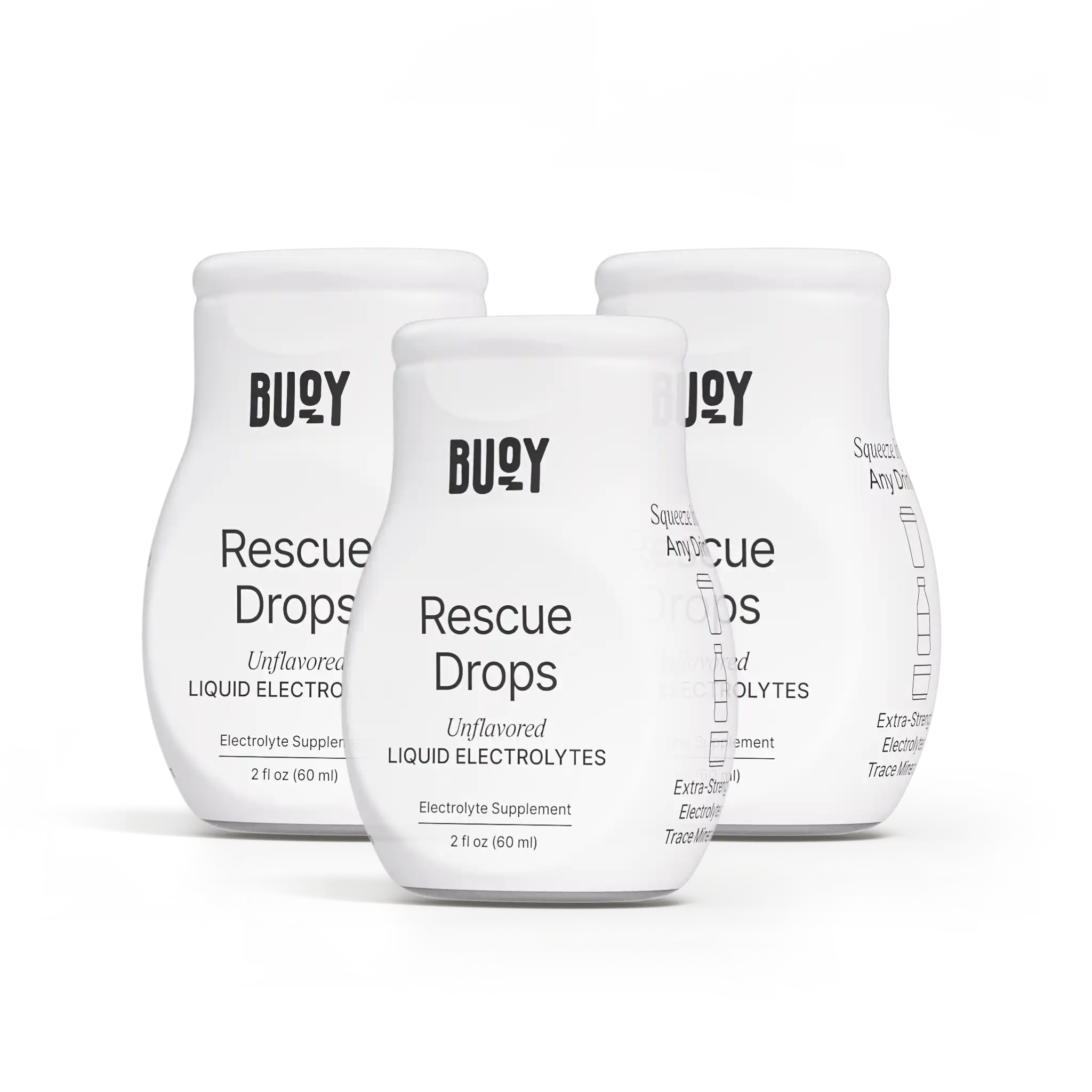
Buoy offers two electrolyte drops built around different training intensities, so you can match the formula to your specific workout.
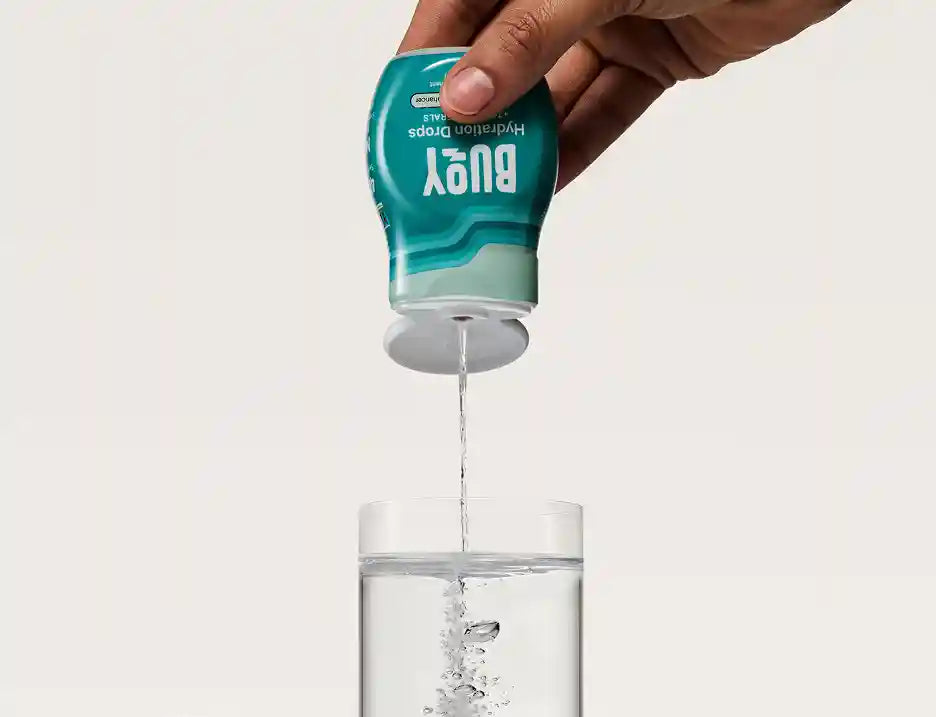
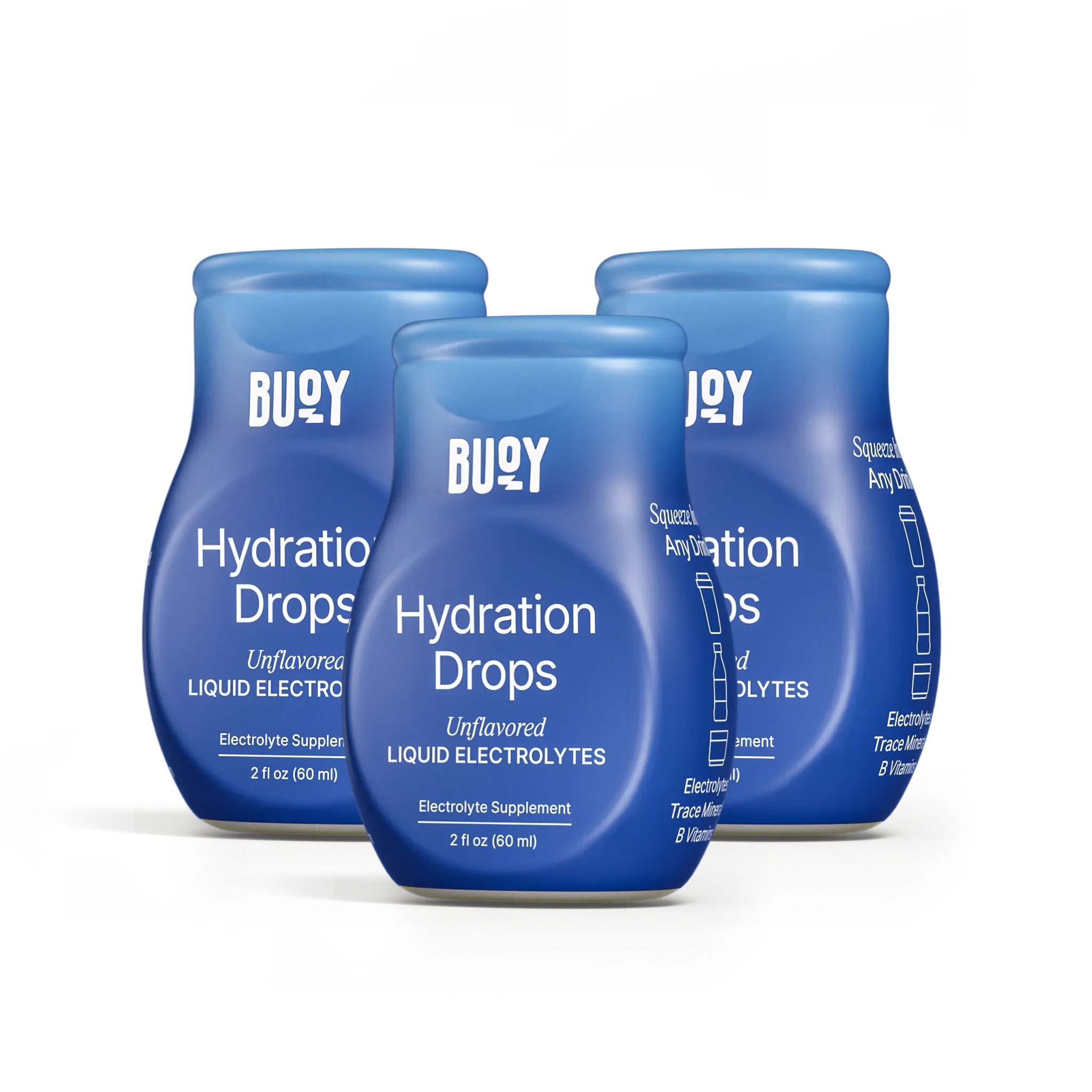
Buoy Hydration Drops cover the everyday training case, whether that's a regular gym session or a moderate cardio day.
✓ Replenishes electrolytes and 87+ trace minerals lost through sweat
✓ Zero sugar, zero artificial sweeteners
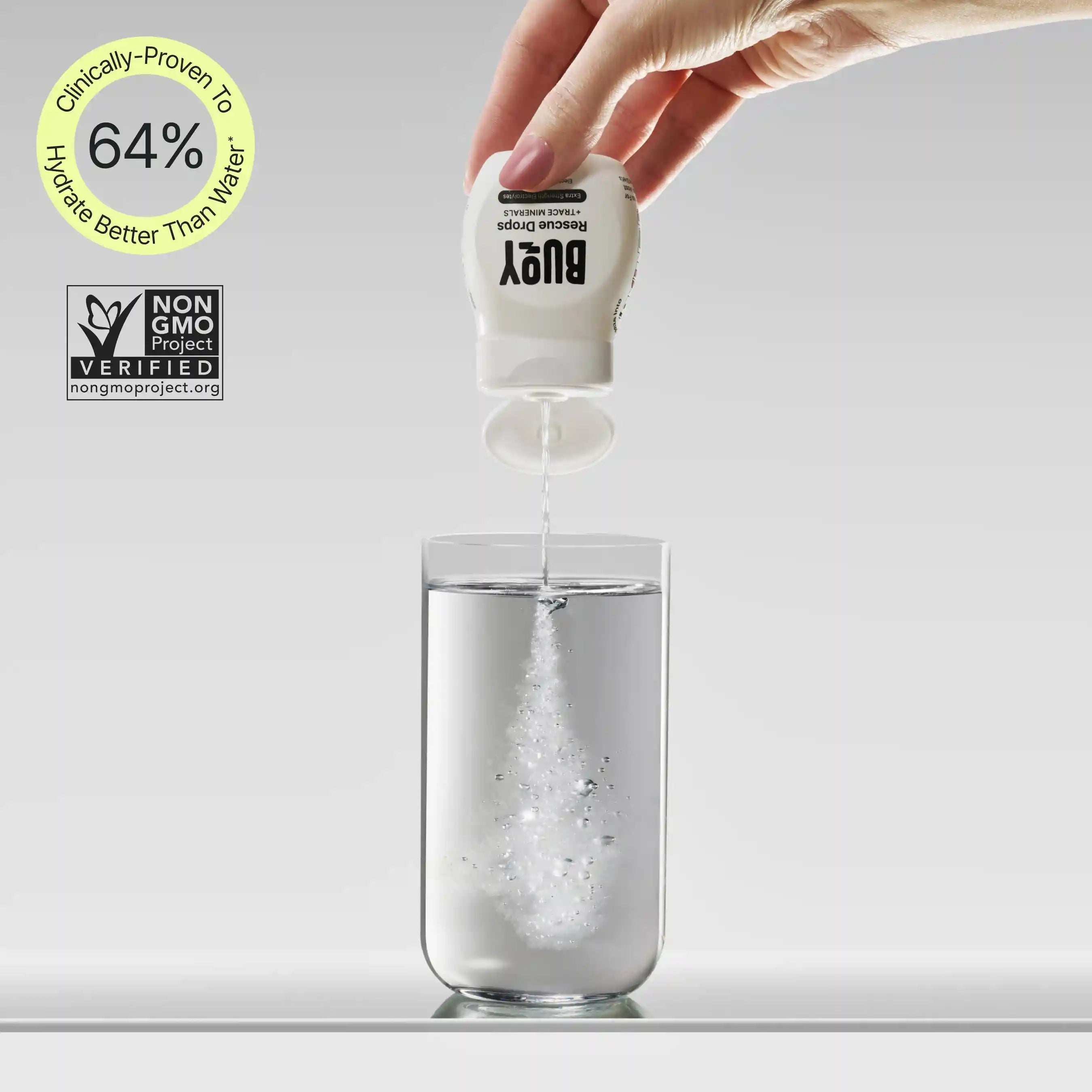
✓ Backed by a university-led clinical hydration study
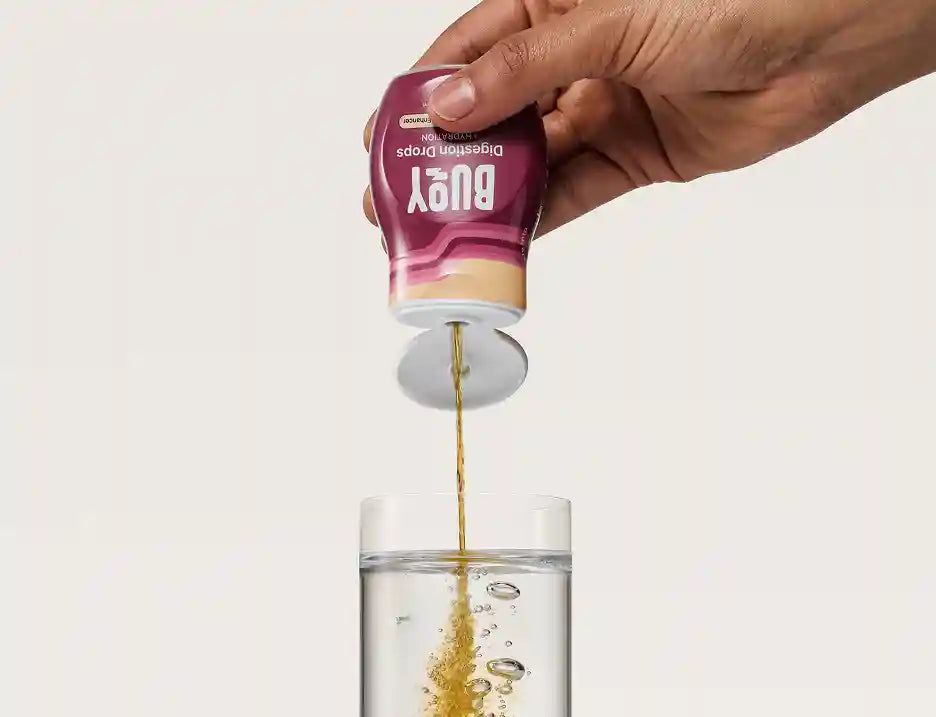
✓ Add directly to your water bottle before, during, or after training


 View Clinical Study




 Buoy's Clinical Study