Best Electrolytes for Dysautonomia (Hydration & Fluid Balance Support)
If you’re searching for the best electrolytes for dysautonomia, you’re likely looking for ways to support hydration, fluid balance, and everyday symptom management.
Dysautonomia is an umbrella term for conditions that affect the autonomic nervous system, which regulates functions like heart rate, blood pressure, digestion, and temperature regulation. More than 70 million people worldwide live with some form of dysautonomia.
For many people with dysautonomia or related conditions like POTS, hydration and sodium intake become especially important because fluid balance may directly affect symptoms like dizziness, fatigue, lightheadedness, headaches, nausea, and exercise intolerance.
However, hydration is not just about drinking more water. Electrolytes help regulate fluid balance and hydration efficiency throughout the body, which is why many dysautonomia care plans include increased electrolyte intake.
Buoy offers flexible hydration support designed for everyday use without added sugar, artificial sweeteners, or unnecessary ingredients.
Zero Sugar & No Artificial Sweeteners
Supports Everyday Hydration
Flexible Daily-Use Format
Add to Water, Tea, or Coffee
Designed for Consistent Hydration Support
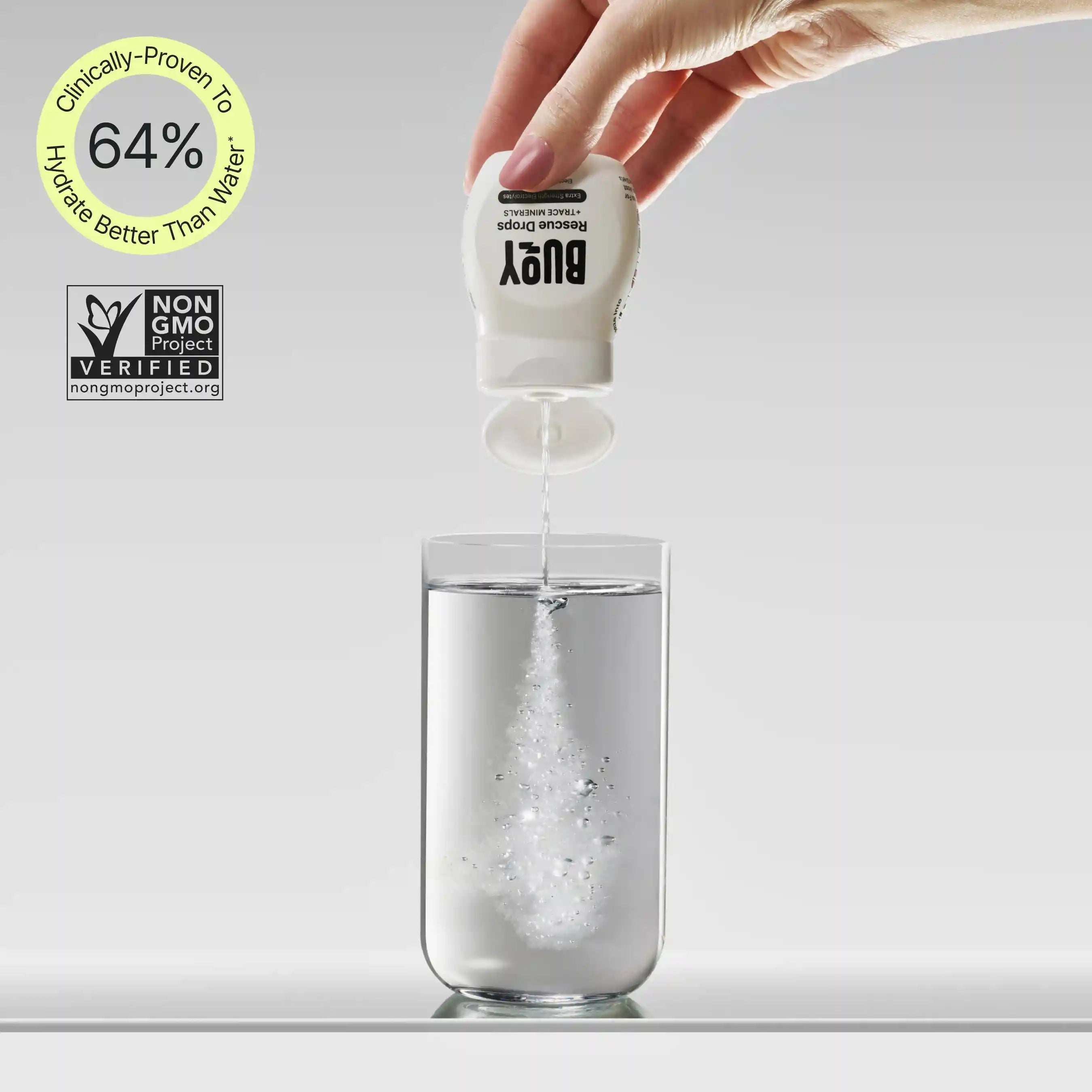
Hydrates 64% Better*View Clinical Study
Hydrates 64% Better*
View Clinical Study
Why Electrolytes Matter for Dysautonomia
For many people with dysautonomia, especially POTS-related symptoms, sodium and hydration intake are commonly emphasized because low blood volume and dehydration may worsen symptoms. Electrolytes are minerals that help regulate:
Not all electrolyte products are designed for long-term or everyday hydration routines. Many electrolyte drinks contain:
Excess sugar
Artificial sweeteners
Flavoring agents
Ingredients that may be difficult to tolerate consistently
When researching the best electrolytes for dysautonomia, many people prioritize:
Factor
Why It Matters
Sodium content
Supports fluid balance
Hydration support
Helps maintain consistency
No sugar
Avoids excess ingredients
No artificial sweeteners
Easier for sensitive systems
Flexible format
Easier daily use
Why Many People with Dysautonomia Increase Sodium Intake
Clinical guidance for dysautonomia and POTS commonly includes increased sodium and fluid intake because sodium can benefit the body by boosting fluid retention. Some clinical recommendations suggest:
Increasing water intake
Increasing sodium intake
Maintaining consistent hydration throughout the day
Individual needs vary depending on symptoms, medical history, medications, and healthcare guidance.
Why Many Electrolyte Drinks Fall Short
Many sports drinks are designed primarily for athletic performance rather than chronic hydration support.
Some products may contain:
High sugar levels
Artificial dyes
Sweeteners
Ingredients that may not fit everyday hydration routines
People managing dysautonomia symptoms often rely on an easy-to-implement hydration strategy. For broader symptom support, some people also explore electrolytes for related conditions like POTS.
Extra-Strength Liquid Electrolytes
Buoy Rescue Drops & Hydration Drops
Buoy offers hydration products designed to support consistent electrolyte intake in a simple, flexible format.
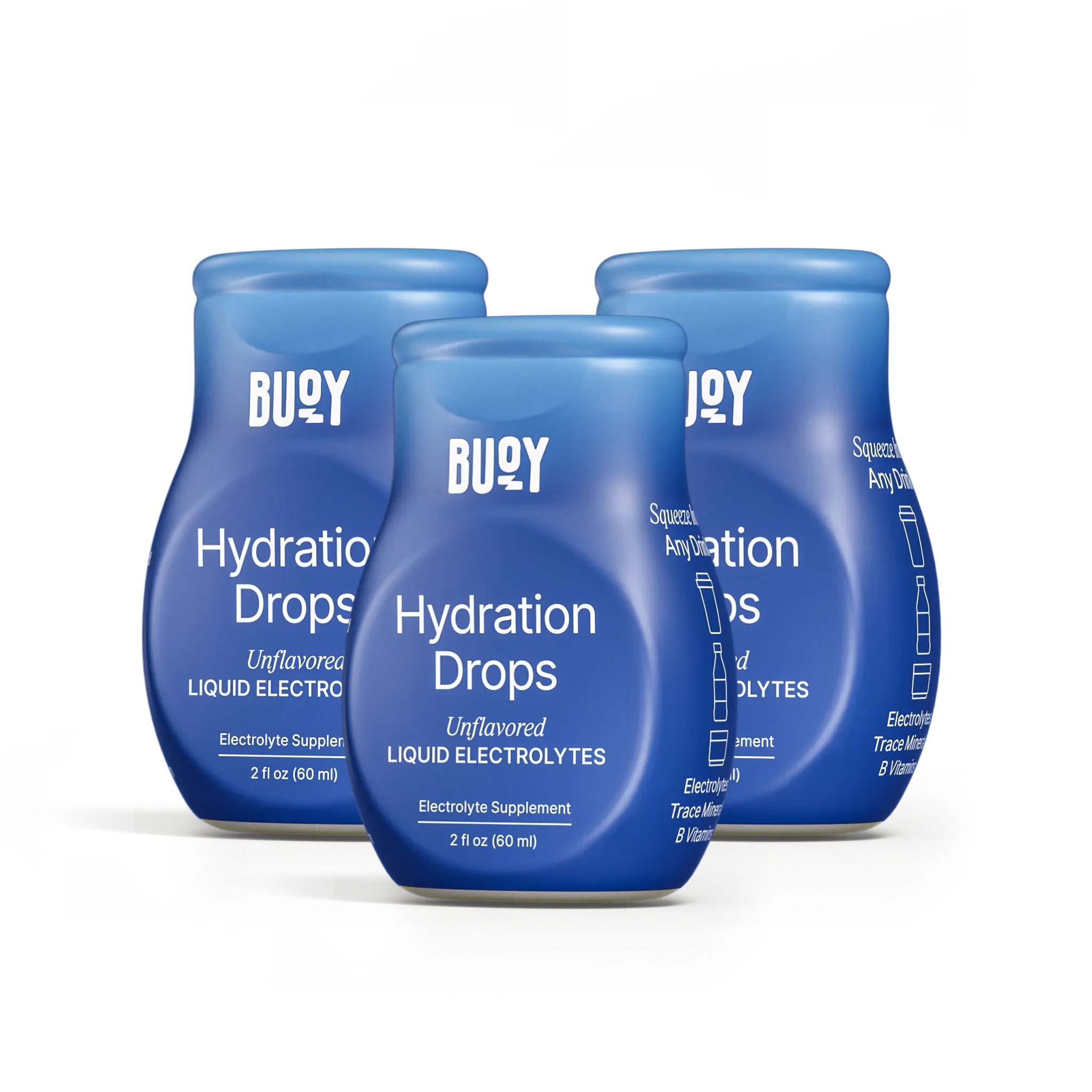
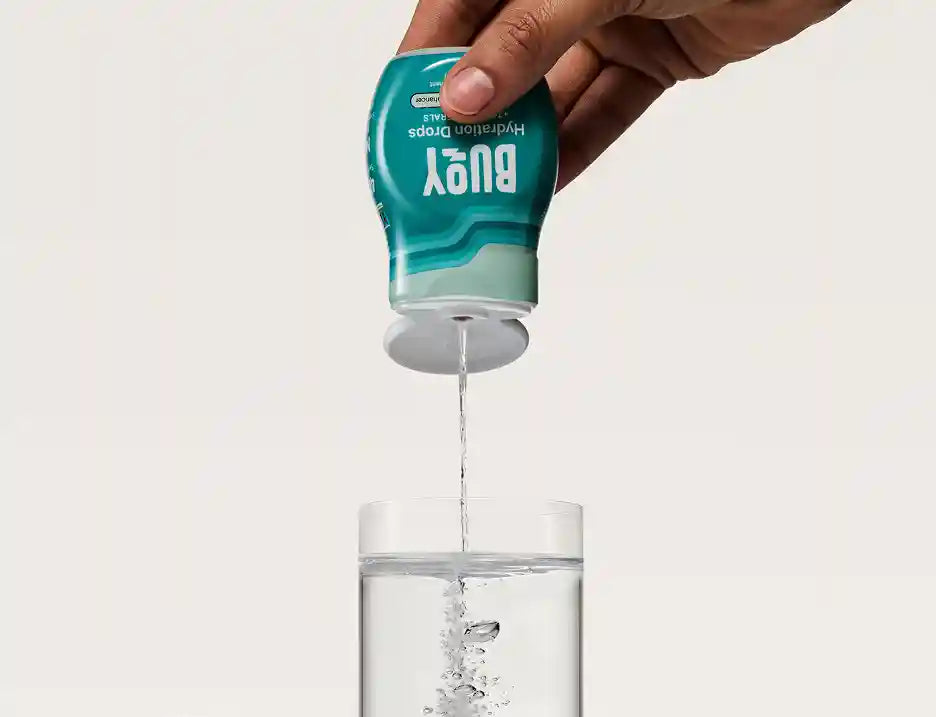
Buoy Hydration Drops provide unflavored electrolyte support designed for everyday hydration consistency.
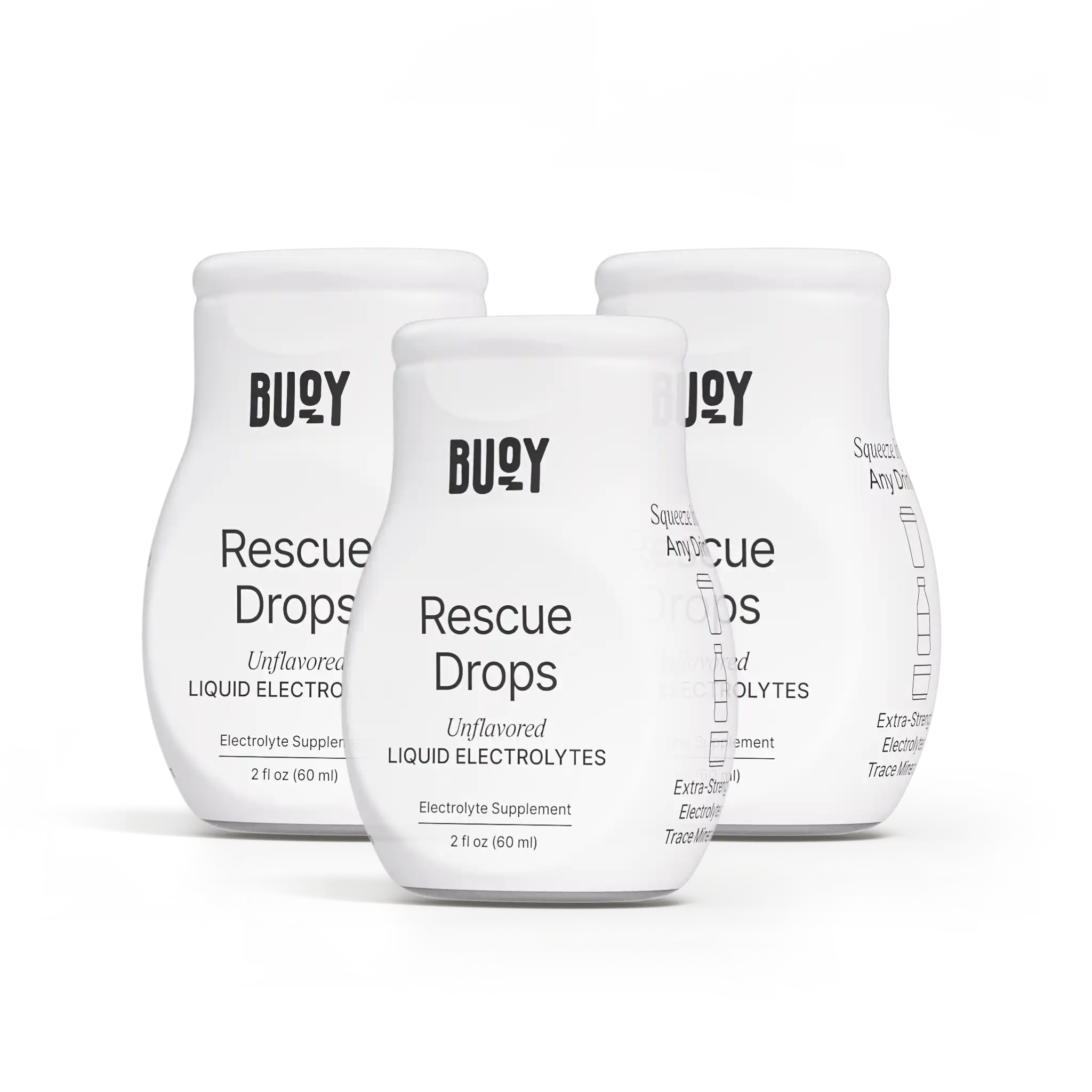
Need stronger electrolyte support? Buoy Rescue Drops offer a higher-sodium formula for increased hydration needs while staying completely sugar-free, sweetener-free, and unflavored.
"Thank you for making a sugar AND stevia free electrolyte"
"... plus Buoy gives me more energy than the powder packets"
"My favorite zero sugar electrolyte! No calories or carbs! Perfect for those sensitive to stevia and monk fruit."
Why Choose Buoy
Buoy's Clinical Study
Clinically Studied Hydration Support
Buoy electrolytes are clinically shown to hydrate 64% more effectively than water alone and 49% more effectively than a leading electrolyte drink.
This supports the idea that hydration efficiency may matter just as much as fluid intake, especially for people focused on maintaining hydration consistency and electrolyte balance.
No Sugar, Sweeteners, or Artificial Flavors
Many people with dysautonomia prefer electrolyte products without excess sugar, artificial sweeteners, or unnecessary ingredients because they may be easier to tolerate and use consistently.
Feature
Hydration Drops
Typical Electrolyte Drinks
Sugar
0g
Often 5–35g
Sweeteners
None
Common
Artificial flavors
None
Common
Format
Unflavored liquid drops
Powdered/flavored drinks
Flexibility
High
Moderate
Simple, Flexible Hydration Support
Because they’re unflavored and easy to add to water, tea, coffee, or other beverages, Buoy Hydration Drops fit easily into everyday routines at home, work, travel, or during symptom flare-ups.
If you’re looking for the best electrolytes for dysautonomia, the goal is often simple: maintain hydration in a way that feels sustainable and easy to use consistently.
How to Use Our Electrolyte Drops
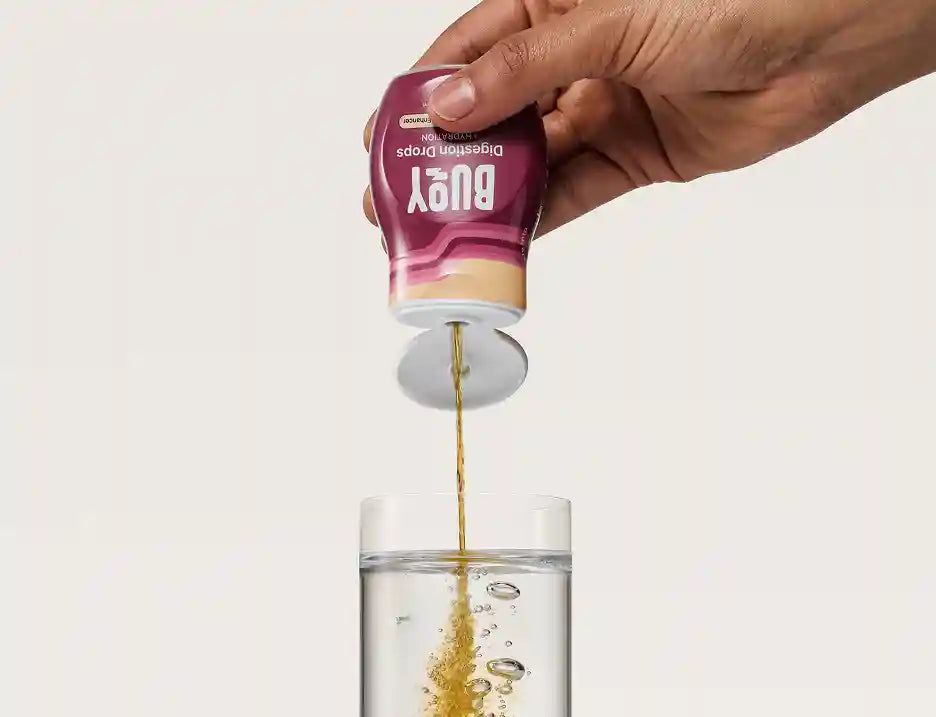
One serving = one quick squeeze
Add to water, tea, coffee, or any beverage
Use throughout the day
Adjust based on hydration needs and routine
Because the drops are unflavored, they integrate easily into existing hydration habits without requiring separate drinks or powders.
How Buoy's Sugar-Free Electrolytes Stack Up
Compare Buoy with leading competitors:
No Sugar, Sweeteners
87 Trace Minerals
Harvested Salt Source
Bioavailable
Clinical Study
Add To Any Drink
Cost Per Serving
Highly
$0.25
Low
$1.53+
Everyday Hydration Support for Dysautonomia & Chronic Illness
For many people living with dysautonomia, staying consistently hydrated can feel difficult when dizziness, fatigue, nausea, headaches, and changing symptom severity affect daily routines. Maintaining hydration consistency may feel especially important during heat, stress, travel, or activity.
Buoy is designed to support everyday hydration without unnecessary ingredients many people are trying to avoid. Because hydration needs can fluctuate from day to day, flexible products that fit easily into existing routines may feel easier to maintain consistently.
35% off for life
Approval in about 2 minutes
Covers dysautonomia, POTS, ME/CFS, Long COVID, IBS, autoimmune disorders, and 20+ chronic conditions
Frequently Asked Questions About the Best Electrolytes for Dysautonomia
Do electrolytes help with dysautonomia?
Electrolytes may help support hydration and fluid balance, which are commonly emphasized in dysautonomia management strategies. Many people with dysautonomia focus on sodium and fluid intake to support symptom management.
What are the best electrolytes for dysautonomia?
Many people prefer electrolyte products with higher sodium content, no sugar, and no artificial sweeteners because they may be easier to use consistently throughout the day.
Why do people with dysautonomia need electrolytes?
Hydration and sodium intake are often emphasized because dysautonomia symptoms may worsen when blood volume or fluid balance is low.
Are electrolytes good for POTS?
Electrolytes are commonly used as part of hydration support strategies for people managing POTS symptoms, especially alongside increased fluid intake.
How much sodium do people with dysautonomia need?
Sodium needs vary depending on symptoms and healthcare guidance. Some clinical recommendations suggest increased sodium intake for certain forms of dysautonomia or POTS.
What electrolyte drinks are best for dysautonomia?
Many people prefer electrolyte drinks without excess sugar, artificial sweeteners, or unnecessary additives. Flexible daily-use products are often easier to maintain consistently.
Can dehydration make dysautonomia worse?
Yes, dehydration may worsen symptoms like dizziness, fatigue, rapid heart rate, and lightheadedness in some individuals.
Should I drink electrolytes every day for dysautonomia?
Some people use electrolytes daily to help maintain hydration consistency and support fluid balance. Individual hydration needs vary.
“Electrolyte boost without any sweetness whatsoever.”
“Electrolyte boost you can add to coffee, tea, and even alcohol.”
“Drops supply calming energy and immune support.”
“Purposefully unflavored which means sugar-free, stevia, and sweetener-free.”
“Many of the 87 trace minerals in Buoy aren’t found in the conventional diet.”
“Anti-bloat liquid electrolyte drops."
“Buoy help broaden understanding of chronic illness.”
The world's first unflavored functional beverage additive.
“Buoy is also third-party tested, which isn’t common for electrolytes.”
Real People, Real Health Journeys
Choosing a selection results in a full page refresh.