4.8 out of 5
4.8/5 out of 720 reviews

Are Electrolytes Good for Migraines? (Electrolyte Hydration Support for Chronic Headaches)

Migraines are more than just a headache. For many people, symptoms may also include fatigue, brain fog, dizziness, nausea, light sensitivity, and difficulty concentrating, making it challenging to get through everyday tasks.

Because hydration status is closely connected to how the body functions, electrolyte balance is often part of conversations around migraine management. While electrolytes are not intended to treat or prevent migraines, maintaining proper hydration may help support fluid balance, circulation, nerve signaling, and overall wellness.

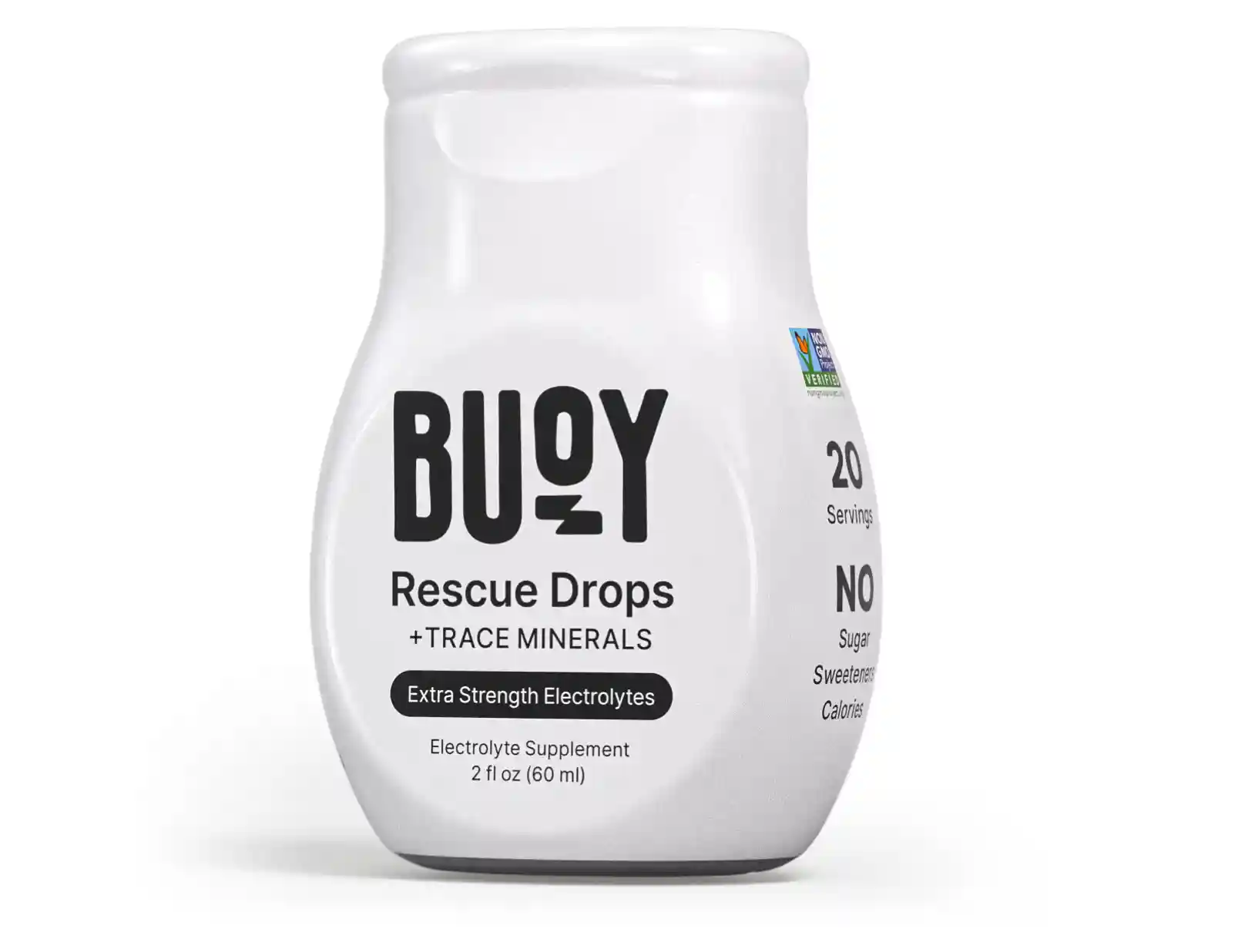
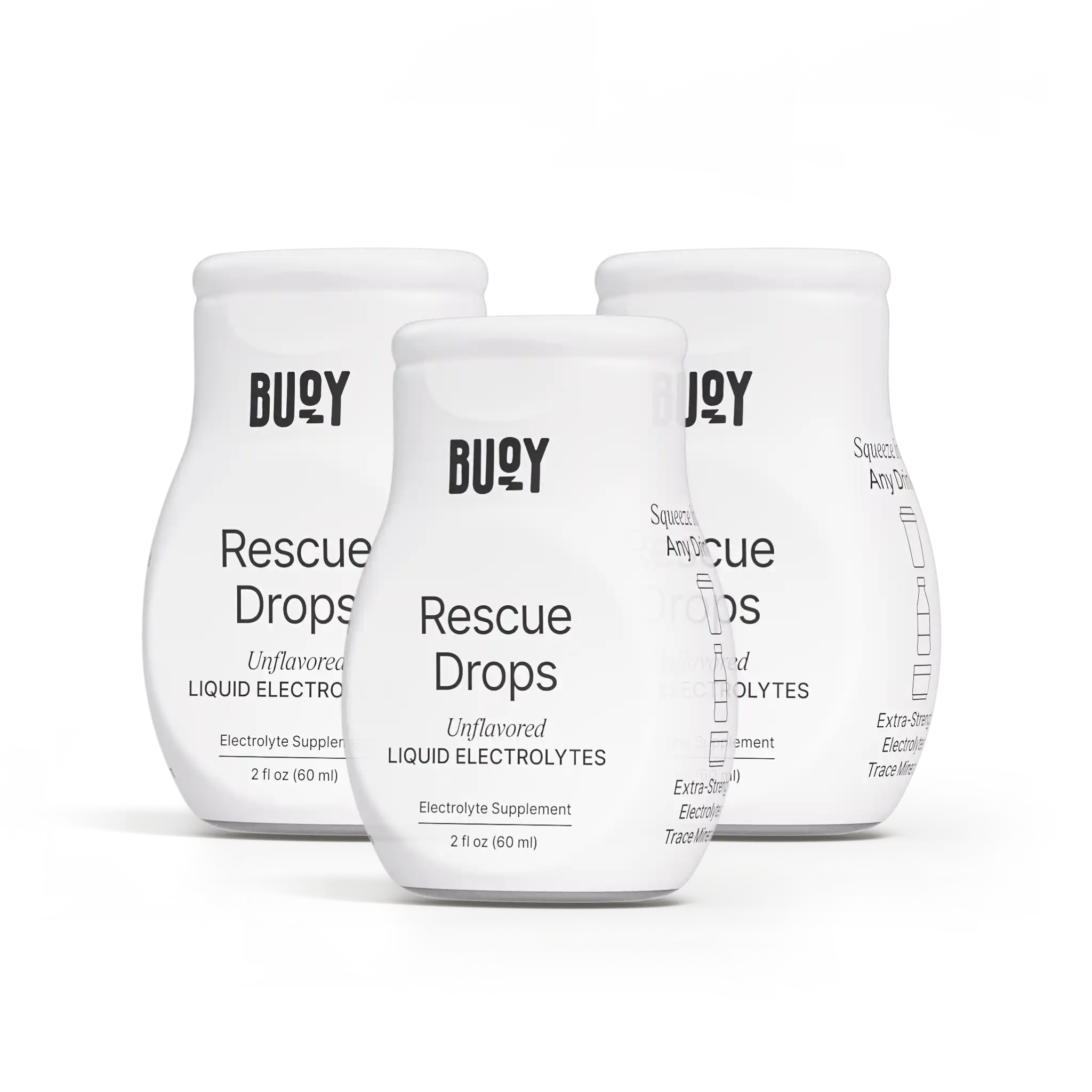
Buoy Rescue Drops provide concentrated electrolyte support in a simple, unflavored format. With 300mg of sodium per serving and 87 trace minerals, they're designed to make hydration easier without relying on sugar, sweeteners, flavors, or unnecessary additives.
Supports Hydration During Migraine-Prone Periods
300mg Sodium Per Serving
87 Trace Minerals
No Sugar or Artificial Sweeteners
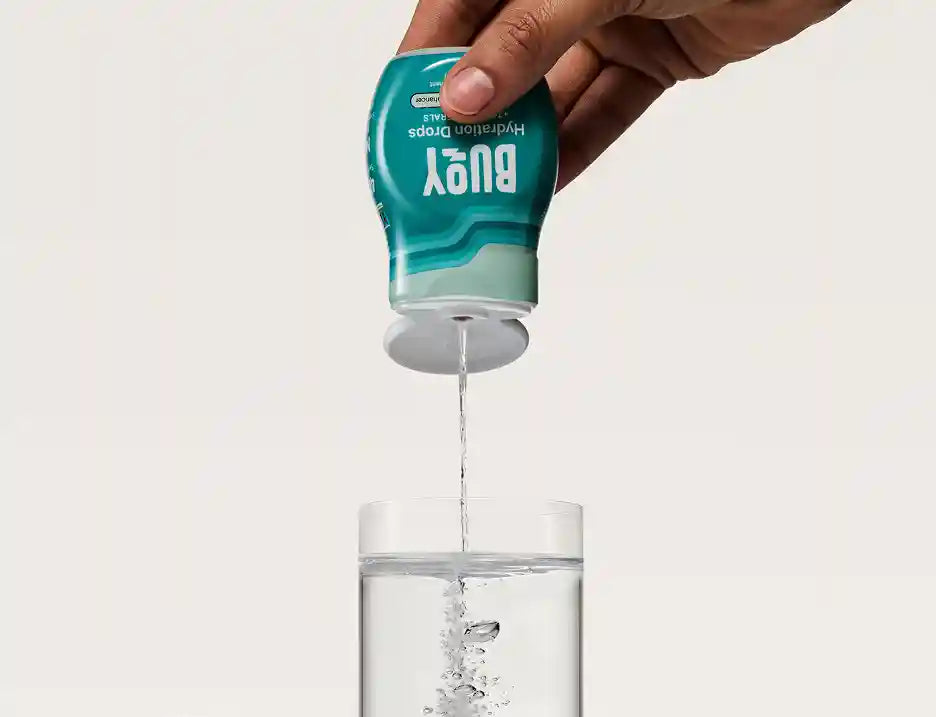
Add to Any Beverage
Unflavored Liquid Formula
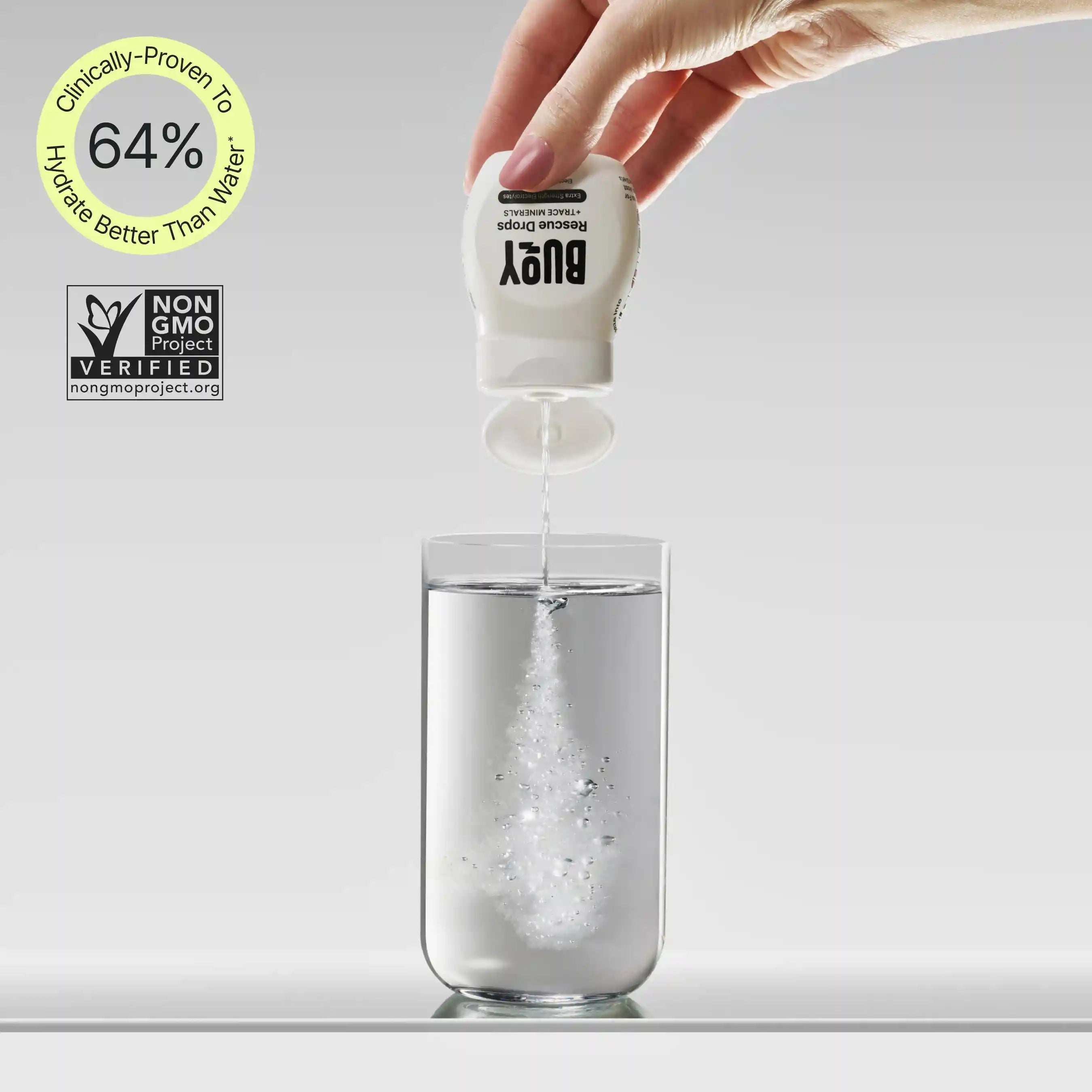
Hydrates 64% Better*View Clinical Study
Hydrates 64% Better* View Clinical Study

The Short Answer: Can Electrolytes Help With Migraines?

Many healthcare providers recommend paying attention to hydration and electrolyte intake as part of a comprehensive migraine management plan.

Electrolytes help regulate:
  • Fluid balance
  • Nerve signaling
  • Blood volume
  • Muscle function
  • Cellular hydration
When dehydration contributes to migraine symptoms, replenishing fluids alongside electrolytes may help support the body's ability to maintain hydration more effectively than water alone.

Learn exactly what happens when a migraine occurs.
Why Hydration and Electrolytes Are Often Discussed in Migraine Care
Hydration affects multiple systems involved in migraine management. When fluid levels decline, blood volume may decrease, circulation can become less efficient, and the body may need to work harder to maintain normal physiological function.

For some individuals, these changes can contribute to migraine symptoms or increase susceptibility to migraine triggers.

Electrolytes help support hydration by regulating how fluids move throughout the body and how cells utilize water.

Key electrolytes include:

Sodium

Supports fluid retention, hydration balance, and blood volume.

Potassium
Supports cellular hydration and normal nerve signaling.

Magnesium
Plays a role in hundreds of enzymatic processes and is frequently discussed in migraine research.

Chloride
Works alongside sodium to help maintain fluid balance.

Discover how long migraine pain can last.
Understanding the Connection Between Dehydration and Migraines
Even mild dehydration can affect how the body functions.

When fluid levels fall, the body may experience changes in circulation, blood pressure regulation, and cellular hydration. These changes can place additional stress on the nervous system and may contribute to migraine symptoms in susceptible individuals.

Common situations that can increase dehydration risk include:
  • Hot weather
  • Exercise
  • Travel
  • Illness
  • Increased sweating
  • Low sodium intake
  • Busy schedules that make consistent hydration difficult
Many people discover that despite drinking water regularly, they still experience signs of dehydration because water alone does not provide the electrolytes needed for optimal fluid balance.

Explore how dehydration affects migraines.
What Electrolytes May Help Support Migraine Management?
Different electrolytes serve different functions throughout the body.

ElectrolyteWhy It Matters
SodiumSupports hydration and blood volume
PotassiumSupports nerve and muscle function
MagnesiumSupports normal neurological function
ChlorideHelps maintain fluid balance
CalciumSupports cellular communication


Many migraine-focused hydration strategies prioritize maintaining adequate sodium intake because sodium helps the body retain and utilize fluids effectively.
The Hidden Differences Between Electrolyte Drinks and Migraine Hydration
Many popular electrolyte beverages were originally designed for athletic performance rather than daily hydration support.

As a result, they often contain:
  • Added sugar
  • Artificial sweeteners
  • Artificial colors
  • Flavor systems
  • Excess calories
  • Ingredients that some individuals prefer to avoid
For people who experience migraine sensitivity, ingredient simplicity often becomes an important consideration.

Many consumers searching for migraine-friendly electrolyte products prefer options that are sugar-free and easy to use consistently.
Understanding What Sets Better Electrolyte Formulas Apart
When evaluating electrolyte products for hydration support, many people prioritize:

FactorWhy It Matters
Meaningful Sodium ContentSupports hydration and blood volume
No SugarAvoids unnecessary ingredients
No SweetenersPreferred by many sensitive users
Flexible FormatEasier daily consistency
Trace MineralsSupports broader mineral intake
Unflavored FormulaCompatible with more beverages
0 Sugar, 0 Sweeteners

Buoy Rescue Drops: High-Sodium Hydration Support for Migraine-Prone Days

Many electrolyte products require mixing powders, consuming large beverages, or tolerating strong flavors throughout the day.

Buoy Rescue Drops are a game-changer. With 300mg of sodium per serving and 87 trace minerals, Rescue Drops provide concentrated electrolyte support in a simple liquid format that can be added to nearly any beverage.

Unlike many traditional hydration products, there are:
  • No sugars
  • No sweeteners
  • No flavors
  • No artificial colors
  • No unnecessary additives
300mg Sodium Per Serving
87 Trace Minerals
No Sugar
No Sweeteners
Add to Any Beverage
Designed for Flexible Daily Use
View Clinical Study
Hydration Drops
Hydration Drops
The original liquid electrolyte
from  $30.03
Save Up To $8.97
Learn More
Add to Cart
4.8 out of 5
4.8/5 from 5,377 Reviews
Hydration Drops
The original liquid electrolyte
Rescue Drops
Rescue Drops
6x stronger, high sodium electrolyte
from  $34.65
Save Up To $10.35
Learn More
Add to Cart
4.8 out of 5
4.8/5 from 720 Reviews
Rescue Drops
6x stronger, high sodium electrolyte
Liquid Electrolyte Variety Kit
All six of our liquid electrolytes
from  $67.76
Save Up To $20.24
Add to Cart
4.7 out of 5
4.7/5 from 9,374 Reviews
Liquid Electrolyte Variety Kit
All six of our liquid electrolytes
Build Your Own Bundle
Bundle 3+ items for maximum savings
Max Savings + Free Gifts
12M+
1.4M+
4.7 out of 5
4.7/5 out of 11,720 reviews

We didn't just go viral, we found our community

"Thank you for making a sugar AND stevia free electrolyte"
"... plus Buoy gives me more energy than the powder packets"
"My favorite zero sugar electrolyte! No calories or carbs! Perfect for those sensitive to stevia and monk fruit."

The Science Behind Hydration and Migraine Relief

Buoy's Clinical Study

Why Many People Turn to Rescue Drops

For people who regularly think about hydration because of migraines, convenience matters almost as much as formulation.

Rescue Drops were designed to make electrolyte replenishment easier to maintain throughout the day without requiring a separate hydration beverage, complicated mixing routine, or ingredients that may not fit individual preferences.

Because they're unflavored and portable, many people find it easier to stay consistent wherever the day takes them.

Clinically Studied Hydration Performance

Hydration remains one of the most frequently recommended lifestyle considerations for migraine management.

In a university-led clinical study, Buoy electrolytes demonstrated:
  • 64% better hydration than water alone
  • 49% better hydration than a leading electrolyte competitor
  • 10x positive net fluid balance
Explore the best hydration routine to support migraine prevention.

Buoy vs Typical Electrolyte Products

Many people searching for migraine-friendly electrolytes are looking for a solution that supports hydration without added sugars, sweeteners, or unnecessary ingredients.

FeatureBuoy Rescue DropsTypical Electrolyte Products
SugarNoneCommon
SweetenersNoneCommon
Sodium Concentration

High

Often Lower

Trace Minerals

87

Varies

Flexible Use

High

Moderate

Clinical Study

Yes

Rare

Add To Any Drink

Yes

Usually No

Cost Per Serving

~$0.25

Often $1.53+

Feature

Buoy Rescue Drops

Typical Electrolyte Products

Sugar

None

Common

Sweeteners

None

Common

How Buoy's Sugar-Free Electrolytes Stack Up

Compare Buoy with leading competitors:

Frequently Asked Questions About Electrolytes and Migraines

Are electrolytes good for migraines?

Electrolytes may help support migraine management because dehydration is a common migraine trigger. Minerals such as sodium, potassium, magnesium, and chloride help regulate fluid balance, nerve signaling, and hydration throughout the body.

While electrolytes do not treat or cure migraines, many healthcare providers recommend maintaining hydration and electrolyte balance as part of a broader migraine management strategy.

Which electrolytes are most important for migraines?

Several electrolytes play important roles in hydration and neurological function:
  • Sodium supports fluid balance and blood volume
  • Magnesium supports normal nerve and muscle function
  • Potassium helps regulate cellular hydration
  • Chloride works alongside sodium to maintain fluid balance
Because individual needs vary, it's best to discuss electrolyte intake with your healthcare provider.

Can dehydration trigger migraines?

For many people, dehydration is a recognized migraine trigger. Potential dehydration symptoms may include headache, fatigue, and dizziness.

Maintaining consistent hydration may help reduce one potential source of migraine-related stress on the body.

Is water alone enough during a migraine?

Water is important, but hydration involves more than fluid intake alone.

Electrolytes help the body:
  • Retain fluids
  • Regulate hydration balance
  • Support circulation
  • Maintain normal nerve function
Without adequate electrolytes, the body may not utilize fluids as efficiently.

Are electrolyte drinks better than sports drinks for migraines?

Many people prefer electrolyte products that contain fewer unnecessary ingredients.

When comparing options, people often look for:
  • No added sugar
  • No artificial sweeteners
  • No artificial colors
  • Meaningful sodium content
  • Flexible daily use
The best choice depends on individual preferences and hydration needs.

Can electrolytes help after a migraine?

Many people focus on hydration after a migraine episode, especially if symptoms involved sweating, nausea, vomiting, or reduced fluid intake.

Electrolytes may help support rehydration and fluid balance during recovery, although they are not intended to treat migraines directly.

How much sodium is helpful for migraines?

Sodium needs vary significantly from person to person.

Factors that may influence sodium requirements include:
  • Activity level
  • Climate
  • Sweating rate
  • Medical history
  • Underlying conditions such as POTS or dysautonomia
Anyone considering significant changes to sodium intake should consult a healthcare provider.

Are Buoy Rescue Drops good for migraines?

Buoy Rescue Drops provide concentrated electrolyte support with:
  • 300mg sodium per serving
  • 87 trace minerals
  • No sugar
  • No sweeteners
  • No flavors
  • Flexible use in any beverage
Many people choose Rescue Drops because they make it easy to support hydration throughout the day without relying on traditional sports drinks or flavored electrolyte products.
“Electrolyte boost without any sweetness whatsoever.”
“Electrolyte boost you can add to coffee, tea, and even alcohol.”
“Drops supply calming energy and immune support.”
“Purposefully unflavored which means sugar-free, stevia, and sweetener-free.”
“Many of the 87 trace minerals in Buoy aren’t found in the conventional diet.”
“Anti-bloat liquid electrolyte drops."
“Buoy help broaden understanding of chronic illness.”
The world's first unflavored functional beverage additive.
“Buoy is also third-party tested, which isn’t common for electrolytes.”
Real People, Real Health Journeys