Altitude Sickness Remedies (Why Electrolyte-Based Hydration Is Often the First Line of Defense)
If you’ve ever felt unusually winded on a mountain hike or trip, you’ve likely experienced some version of altitude sickness. One of the most overlooked contributors is dehydration, since higher elevations make you lose fluid faster than you'd expect.
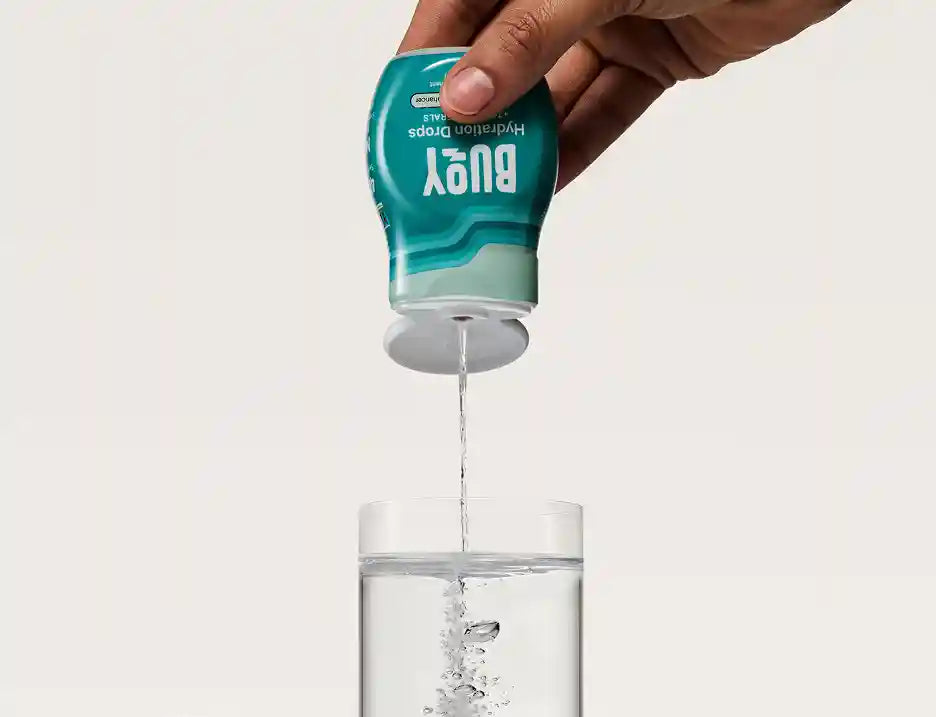
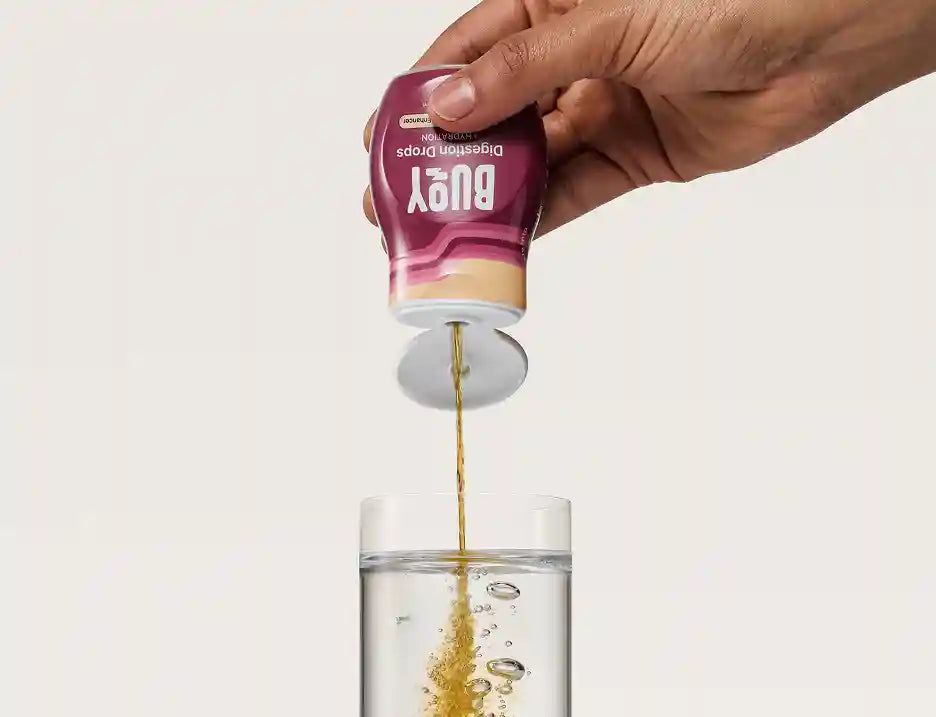
Buoy Hydration Drops are unflavored, sugar-free, and all without another bottle to pack for the trip. Here’s what you can expect from adding Buoy Hydration Drops to your list of altitude sickness remedies:
Quick disclaimer: This page is for general educational purposes and isn't medical advice. Mild altitude sickness (headache, fatigue, nausea) is common and often improves with rest, hydration, and slow acclimatization. Symptoms that are severe or worsening, like chest tightness, can signal a medical emergency and may require immediate medical care.
Replenish Fluids Lost to Faster Breathing at Elevation
Support Everyday Hydration, Even on the Move
Zero Sugar, Zero Sweeteners
Antioxidants and Naturally-Occurring Compounds
Ocean Electrolytes With Vitamin B Complex
Add to Any Drink, No Flavor Change
Travel or Hike-Friendly, No Extra Prep Required
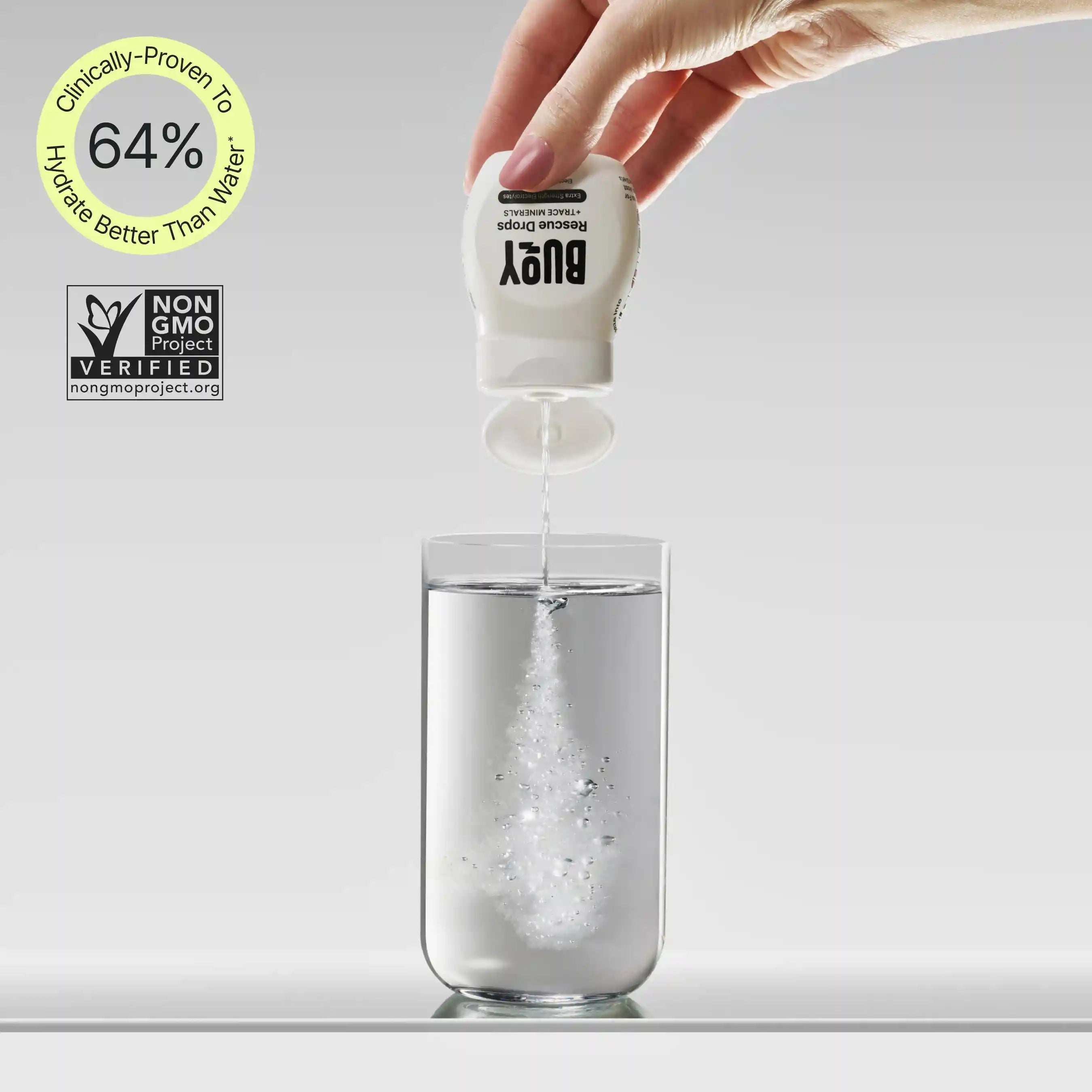
Hydrates 64% Better*View Clinical Study
Hydrates 64% Better*
View Clinical Study
What Is Altitude Sickness, Really?
Altitude sickness happens when your body hasn’t yet adjusted to lower oxygen levels at higher elevations. Understanding what altitude sickness actually is explains why it can show up within hours of arriving somewhere higher than you’re used to, long before most people expect it.
Signs You’re Dealing With Altitude Sickness
Recognizing the signs early makes a real difference in how you respond to them.
Sign
What It May Indicate
Headache
One of the most common early signs, often tied to dehydration and lower oxygen
Fatigue or weakness
Your body working harder to adjust to reduced oxygen
Why Altitude Sickness Happens, and Where Electrolytes Fit In
Altitude sickness comes down to your body adjusting to less available oxygen, but dehydration is what tends to make it feel worse. At higher elevation, your body loses fluid faster and may respond in a few specific ways:
You breathe faster to compensate for lower oxygen
Your body naturally increases urine output
Cold temperatures can dull your thirst response
That combination means water alone often isn’t enough. Electrolytes help your body hold onto the fluid you’re taking in, rather than losing it as quickly.
Common Altitude Sickness Remedies, and Where Hydration Fits
Most altitude sickness remedies center on a few key habits, with hydration playing a foundational role in nearly all of them:
Ascend gradually rather than gaining elevation too quickly.
Stay consistently hydrated, ideally with electrolytes, not just water.
Rest and avoid overexertion during the first day or two at a new elevation.
Avoid alcohol, which can worsen dehydration and disrupt sleep at altitude.
Consider over-the-counter pain relief for headaches, as needed.
The Best Electrolytes for Altitude Sickness Help Replenish Hydration
Take a closer look at which electrolytes matter most and why, specifically in the context of elevation.
Electrolyte
Why It Matters at Elevation
Sodium
Helps your body retain fluid instead of losing it quickly
Potassium
Supports normal fluid balance and nerve function
Magnesium
Plays a role in normal cellular and nerve function
Chloride
Works with sodium to help maintain fluid balance
How Elevation Changes Your Body's Fluid Needs
The table below breaks down the specific ways elevation affects hydration, beyond simply sweating more.
Factor at Elevation
Effect on Hydration
Faster, deeper breathing
Increases water loss through respiration
Drier mountain air
Speeds up fluid loss through breathing and skin
Increased urination
Part of your body's natural altitude adjustment process
Blunted thirst response
Makes it easier to become dehydrated without noticing
Because of these combined effects, many people need to be more intentional about hydration at elevation than they would at sea level.
Buoy Hydration Drops: Built for Days When You’re Losing Fluid Faster Than Usual
Elevation changes how much fluid your body loses, which means your usual hydration habits may not be enough to keep up.
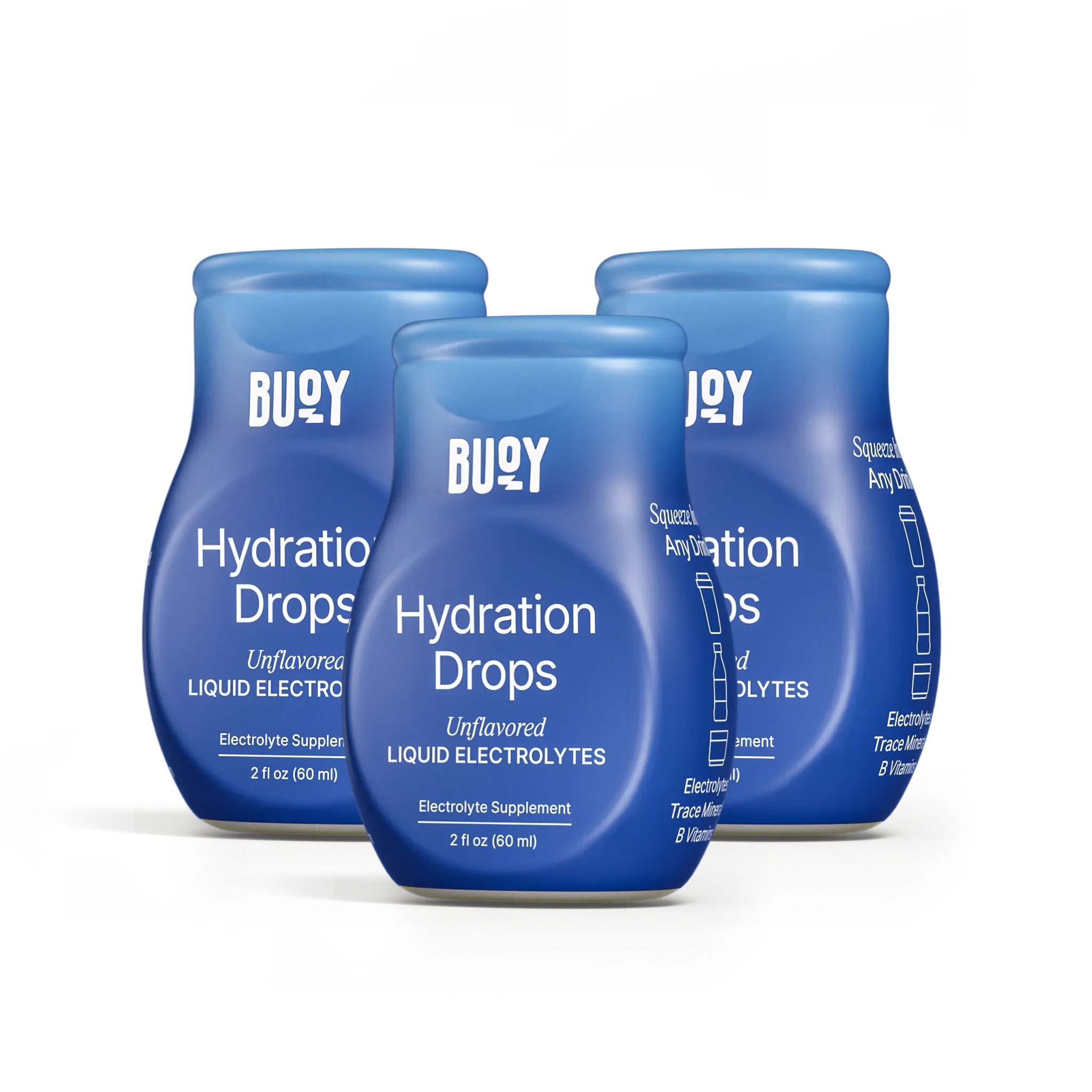
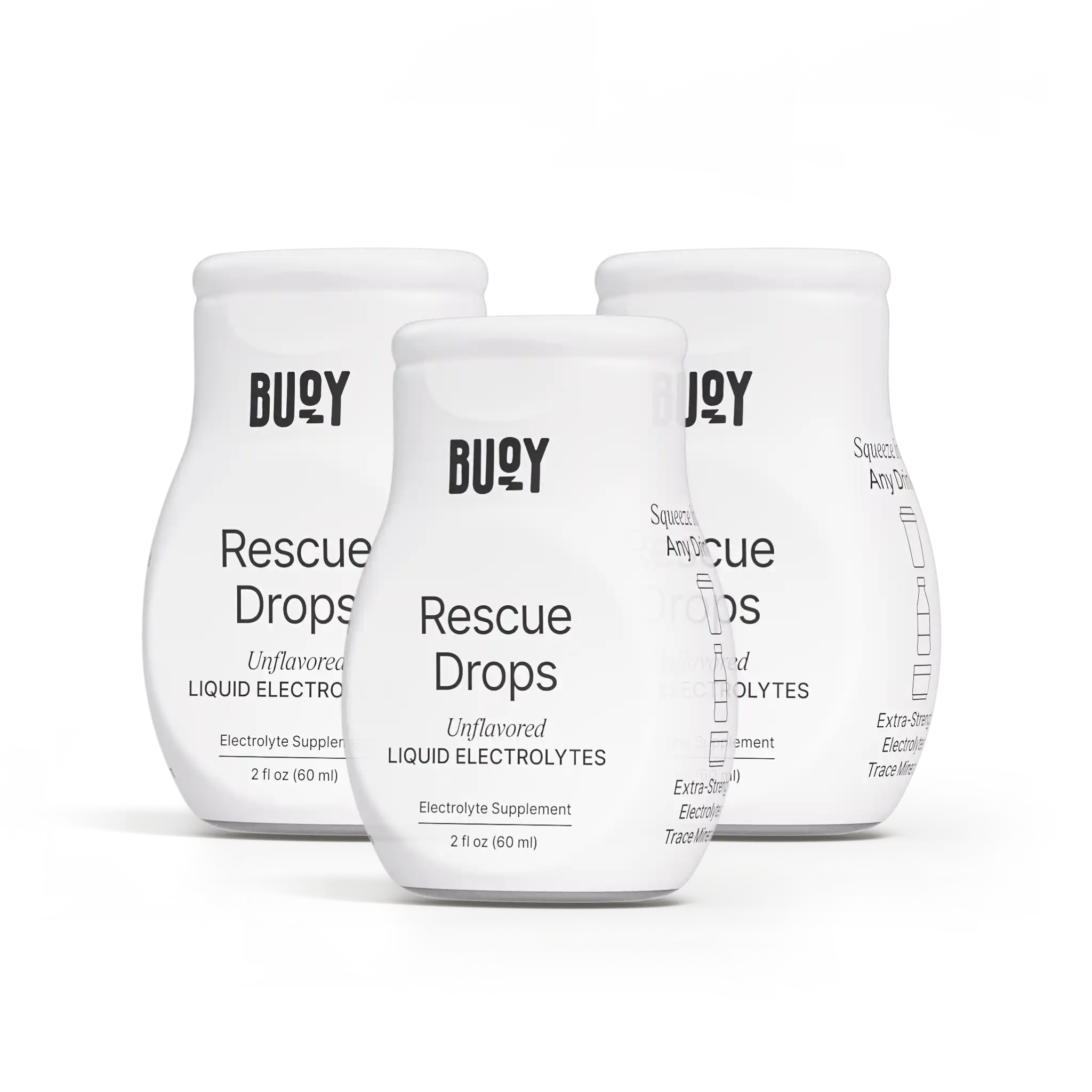
Buoy Hydration Drops add electrolytes and trace minerals to any drink you’re already having, so staying hydrated doesn’t mean packing a separate bottle for your hike or trip.
Here’s what makes Hydration Drops a fit for high-altitude travel specifically:
Replenish Fluids Lost Because of Faster Breathing, Supporting Hydration
0 Sugars, Add to Any Drink
Flavorless, Includes Antioxidants and Naturally-Occurring Compounds
"Thank you for making a sugar AND stevia free electrolyte"
"... plus Buoy gives me more energy than the powder packets"
"My favorite zero sugar electrolyte! No calories or carbs! Perfect for those sensitive to stevia and monk fruit."
Why Many People Choose Buoy
Buoy's Clinical Study
One Less Thing to Pack
Traveling or hiking to elevation already means packing for temperature swings, altitude gear, and unpredictable conditions. Buoy is designed not to add another bulky item to that list. That means no powder packets, just a small bottle that fits in any bag and drops into whatever you’re drinking.
How Hydration Drops Stack Up for High-Altitude Travel
Understand how Buoy compares to a typical electrolyte powder when hiking or travel logistics are part of the equation.
Factor
Typical Electrolyte Powder
Buoy Hydration Drops
Packing size
Bulky packets or tubs
Compact travel-friendly bottle
Requires a dedicated bottle
Often yes
No, adjustable drop by drop
Added sugar
Common, 5-35g per serving
None
Fits into small, frequent sips
Not always practical
Easy to add to any small drink
Trusted by 900+ Doctors and Dietitians
Buoy is formulated with electrolytes and trace minerals in a formula recommended by more than 900 doctors and dietitians to help restore electrolyte and mineral balance.
Buoy is free from common triggers: no FODMAPs, added sugars, or artificial ingredients that can complicate how your body responds when it’s already under stress from elevation.
How to Use Hydration Drops When You’re Heading Up in Elevation
Getting started is straightforward:
Start hydrating with electrolytes before you ascend, not just after symptoms start.
Add one squeeze of Hydration Drops to water, tea, or coffee throughout the day.
Increase frequency if you’re sweating more or breathing harder than usual.
Pair with a slow, gradual ascent when possible, since rushing elevation gain is a major risk factor.
Rest and avoid alcohol or heavy exertion on the days you’re adjusting to a new elevation.
Prescription medications used specifically for altitude adjustment if needed
If symptoms are getting worse instead of better, or include confusion, difficulty breathing, or chest tightness, make sure to get to a lower altitude and seek medical care.
How Buoy's Sugar-Free Electrolytes Stack Up
Compare Buoy with leading competitors:
No Sugar, Sweeteners
87 Trace Minerals
Harvested Salt Source
Bioavailable
Clinical Study
Add To Any Drink
Cost Per Serving
Highly
$0.25
Low
$1.53+
Altitude Sickness Remedies for Frequent Travelers or Individuals Outdoors With Chronic Conditions
Finding reliable altitude sickness remedies matters even more if you’re someone who travels to elevation often. It also matters if you’re managing a chronic condition that already affects your fluid balance, like POTS or dysautonomia. Staying ahead of hydration isn't a one-trip fix; it's an ongoing part of how you manage travel.
Buoy’s Chronic Illness Support Program was created for people navigating exactly this kind of long-term health management, and here’s what it includes:
35% Off for Life, No Expiration
Approval in About 2 Minutes
Covers POTS, Dysautonomia, ME/CFS, Long COVID, Autoimmune Disorders, and 20+ Other Conditions
Frequently Asked Questions About Altitude Sickness Remedies
What are the best remedies for altitude sickness?
Staying hydrated, ascending gradually, resting, and avoiding alcohol are among the most commonly recommended remedies for mild altitude sickness. Electrolytes, not just water, can help your body hold onto fluid more effectively at elevation.
What are the best electrolytes for altitude sickness?
Sodium, potassium, magnesium, and chloride all play a role in helping your body retain and balance fluids, which matters more at elevation since you lose fluid faster through increased breathing.
Can dehydration make altitude sickness worse?
Yes, dehydration is a common contributing factor to altitude sickness symptoms like headache and fatigue. Staying ahead of hydration, rather than waiting until you're thirsty, is one of the simplest ways to support your body during acclimatization.
How is Buoy different from a typical electrolyte powder for travel?
Buoy is unflavored, sugar-free, and comes in a compact bottle that adds to any drink, unlike bulkier powder packets that require a dedicated bottle and often contain added sugar.
How soon should I start hydrating before heading to higher elevation?
Many people find it helpful to start increasing hydration before ascending, rather than waiting for symptoms to appear, since thirst isn't always a reliable indicator at elevation.
When should I seek medical help for altitude sickness instead of just hydrating?
Seek medical care immediately, and descend if possible, if you experience:
Symptoms that are severe or rapidly worsening
Confusion or difficulty thinking clearly
Trouble breathing, even at rest
Chest tightness
These signs can indicate a more serious condition than mild altitude sickness, and hydration alone isn't enough to manage them.
Is Buoy backed by any research or professional recommendations?
Yes. Buoy is recommended by over 900 doctors and dietitians to help restore electrolyte and mineral balance, and it's formulated without common triggers like FODMAPs, added sugars, or artificial ingredients.
Can I use Hydration Drops throughout a whole trip, not just on travel days?
Yes. Many people use Hydration Drops consistently throughout a trip, not just during acclimatization, since hydration needs typically stay elevated at altitude for the duration of the stay.
“Electrolyte boost without any sweetness whatsoever.”
“Electrolyte boost you can add to coffee, tea, and even alcohol.”
“Drops supply calming energy and immune support.”
“Purposefully unflavored which means sugar-free, stevia, and sweetener-free.”
“Many of the 87 trace minerals in Buoy aren’t found in the conventional diet.”
“Anti-bloat liquid electrolyte drops."
“Buoy help broaden understanding of chronic illness.”
The world's first unflavored functional beverage additive.
“Buoy is also third-party tested, which isn’t common for electrolytes.”
Real People, Real Health Journeys
Choosing a selection results in a full page refresh.


 View Clinical Study




 Buoy's Clinical Study