




What to Eat During Pregnancy: A Practical Nutrition Guide to Foods and Drinks
Figuring out what to eat during pregnancy can feel surprisingly complicated. You need more of certain nutrients, some foods require extra precautions, and your appetite may change from one week to the next.
The good news is that you don't need a perfect diet or a long list of specialty foods. A balanced mix of everyday ingredients can help you meet your nutritional and hydration needs throughout pregnancy.
Here's what to prioritize, what to limit, and how to make eating as well as drinking well a little easier.
Key Takeaways
- Build meals around variety. Vegetables, fruits, whole grains, protein foods, dairy or fortified alternatives, and healthy fats all have a place in a pregnancy diet.
- Pay attention to key nutrients. Folate, iron, choline, iodine, calcium, vitamin D, and omega-3 fatty acids are especially important during pregnancy.
- Choose safer versions of familiar foods. Fully cooked meats and eggs, pasteurized dairy, and lower-mercury seafood can all be part of your diet.
- Drink water regularly. Your fluid needs increase during pregnancy, and vomiting or hot weather can make staying hydrated more difficult. Electrolytes can support hydration.
- Take your prenatal vitamin. Food is important, but prenatal supplements help cover nutritional needs that can be difficult to meet through diet alone.
Table of Contents
- What Should You Eat During Pregnancy?
- Which Nutrients Matter Most During Pregnancy?
- How Much Should You Eat During Each Trimester?
- What Are the Best Foods to Eat When You're Pregnant and Nauseous?
- What Foods Should You Avoid During Pregnancy?
- What Should You Drink During Pregnancy?
- Eating Well During Pregnancy Starts With the Basics
What Should You Eat During Pregnancy?
The best foods to eat during pregnancy are generally the same nutritious foods recommended for everyday health, with greater attention to certain nutrients. A practical approach is to include:
- Vegetables and fruits: For fiber, vitamins, minerals, and a variety of plant nutrients.
- Protein foods: Eggs, poultry, lean meat, beans, lentils, tofu, nuts, and safely prepared seafood.
- Whole grains: Oatmeal, brown rice, whole-wheat bread, and other fiber-rich grains.
- Dairy or fortified alternatives: Pasteurized milk, yogurt, cheese, and fortified plant-based products.
- Healthy fats: Olive oil, avocado, nuts, seeds, and low-mercury oily fish.
Research and nutritional guidance consistently emphasize a varied diet during pregnancy.¹
Easy Meal Combinations for Pregnancy
You also don't need every meal to contain every food group. What matters is your overall eating patterns across the day.
| Meal | Practical Example | Nutritional Benefits |
| Breakfast | Oatmeal with pasteurized yogurt, berries, and walnuts | Fiber, calcium, protein, and healthy fats |
| Lunch | Lentil and vegetable soup with whole-grain toast | Plant protein, folate, iron, and fiber |
| Dinner | Fully cooked salmon, brown rice, and roasted broccoli | Protein, DHA, fiber, and vitamin C |
| Snack | Apple slices with peanut butter | Fiber, healthy fats, and protein |
| Snack | Fully cooked egg with whole-grain crackers | Protein and choline |
These are starting points, not a required meal plan. Adjust portions and ingredients to your appetite, food preferences, allergies, and your healthcare team's advice.
Which Nutrients Matter Most During Pregnancy?
Pregnancy changes how much of certain vitamins and minerals your body needs. Some support your baby's development, while others help maintain your own health as pregnancy progresses.
A scientific review highlights folate, iron, iodine, calcium, vitamin D, and DHA among the nutrients that need particular attention during pregnancy.¹
| Nutrient | Why It Matters | Food Sources |
| Folate and folic acid | Support early neural tube development | Leafy greens, beans, lentils, fortified grains, and prenatal supplements |
| Iron | Supports hemoglobin production and increased blood volume | Lean meat, poultry, beans, lentils, and fortified cereals |
| Choline | Supports fetal brain and nervous system development | Eggs, meat, fish, dairy, and soybeans |
| Iodine | Supports thyroid function and fetal brain development | Iodized salt, dairy, seafood, and eggs |
| Calcium | Supports developing bones and teeth | Pasteurized dairy, calcium-set tofu, and fortified alternatives |
| Vitamin D | Helps the body absorb calcium | Fortified foods, some fatty fish, and supplements |
| DHA (an omega-3 fat) | Contributes to fetal brain and eye development | Salmon, sardines, trout, and certain algae-derived supplements |
What to Eat During Pregnancy: Nutrients That May Need Extra Attention
Folate is especially important early in pregnancy because it helps prevent neural tube defects. The CDC recommends 400 micrograms of folic acid daily for people who could become pregnant, while prenatal supplements usually contain 400–800 micrograms.³
Iron needs also increase as your body produces more blood. Iron-rich foods help, and pairing plant sources such as beans or lentils with vitamin C-rich foods can improve absorption.
Choline and iodine deserve attention, too. Eggs supply choline, while dairy, seafood, and iodized salt can contribute iodine.
Because prenatal vitamins vary in their nutrient content, ask your healthcare provider whether yours meets your needs, particularly for iron, choline, and iodine.
How Much Should You Eat During Each Trimester?
You don't necessarily need to overeat during pregnancy; it’s more about listening to your body. Calorie needs usually increase as pregnancy progresses. For someone carrying one baby who started pregnancy at a healthy weight, U.S. guidelines suggest:
- First trimester: Usually no additional calories needed.
- Second trimester: Approximately 340 extra calories per day.
- Third trimester: Approximately 450 extra calories per day.
Your needs depend on your pre-pregnancy weight, activity level, and other factors. Healthy pregnancy weight gain also varies by individual, so your healthcare provider can help determine what's best.³
What Are the Best Foods to Eat When You're Pregnant and Nauseous?
Nausea and food aversions can make eating difficult, especially during the first trimester. If your usual meals don't sound appealing, focus on foods you can tolerate. Some options include:
- Plain toast, crackers, rice, or oatmeal.
- Bananas, applesauce, or other mild fruits.
- Small portions of yogurt, fully cooked eggs, or nut butter.
- Cold foods if cooking smells make nausea worse.
- Smaller, more frequent meals instead of large portions.²
If you've been vomiting, try small sips of fluid first, followed by bland foods once your stomach settles. Severe vomiting during pregnancy can require medical treatment.
For more guidance, learn how to prevent dehydration during pregnancy.
What Foods Should You Avoid During Pregnancy?
Some foods carry a higher risk of foodborne illness or exposure to substances that may affect fetal development. Fortunately, many familiar foods are still safe when prepared correctly.
Pregnancy Food Safety: What to Choose Instead
Take a look at some common foods to avoid during pregnancy.¹
| Food or Drink | What to Avoid or Limit | Safer Approach |
| Meat and poultry | Raw or undercooked products | Cook to the recommended safe internal temperature |
| Eggs | Raw or undercooked eggs unless made with pasteurized egg products | Choose fully cooked eggs or pasteurized egg products |
| Milk and cheese | Unpasteurized dairy | Check labels for pasteurization |
| Fish and shellfish | Raw seafood and high-mercury fish | Choose fully cooked, lower-mercury seafood |
| Deli meats and hot dogs | Eating them cold without reheating | Heat until steaming hot, or to 165°F |
| Sprouts | Raw sprouts | Cook thoroughly |
| Alcohol | All alcoholic beverages | Avoid alcohol during pregnancy |
| Caffeine | Excessive intake | Generally keep below 200 mg daily, unless advised otherwise |
The CDC's safer food choices for pregnant women provides additional preparation guidance.
Can You Eat Fish During Pregnancy?
Yes. Fish supplies protein and omega-3 fatty acids, including DHA, which supports fetal brain and eye development. The FDA and EPA recommend 8–12 ounces of lower-mercury seafood weekly during pregnancy. Salmon, sardines, trout, and shrimp are examples of lower-mercury choices.
Avoid high-mercury fish, including shark, swordfish, king mackerel, marlin, orange roughy, and bigeye tuna. One U.S. cohort study found that maternal fish consumption and mercury levels needed to be considered together when evaluating early childhood cognition.⁴
The goal is to choose nutritious fish while limiting mercury exposure, rather than avoiding seafood entirely.
What Should You Drink During Pregnancy?
Water should be your main everyday drink during pregnancy. It supports circulation, digestion, temperature regulation, and other essential functions.
Total water intake during pregnancy should be roughly 3 liters daily, including water from both beverages and food. You don't need to drink that entire amount as plain water since your needs may increase with hot weather, physical activity, or illness.
Pregnancy-Friendly Drinks
Some useful options include:
- Plain or sparkling water.
- Water with fruit, cucumber, or lemon.
- Pasteurized milk or fortified milk alternatives.
- Pregnancy-appropriate decaffeinated beverages.
- Small amounts of pasteurized fruit juice.
If plain water tastes unpleasant, try drinking it cold or adding fresh fruit.
You can also learn about the signs of low electrolytes, although symptoms alone can't confirm an electrolyte imbalance.
Do You Need Electrolyte Drinks During Pregnancy?
Most people can meet their everyday electrolyte needs through food and regular fluid intake. Sodium and potassium help regulate fluid balance and support normal nerve and muscle function. However, increased water needs during pregnancy don't always mean you need extra sodium.
Electrolyte drinks may be worth discussing with your healthcare provider if you're having difficulty maintaining fluid intake. For more information about fluid balance, learn more about the benefits of taking electrolytes during pregnancy and postpartum.
Eating Well During Pregnancy Starts With the Basics
You don't need a completely new diet to support a healthy pregnancy. Regular meals, nutrient-rich foods, safe preparation methods, and consistent hydration are a strong foundation.
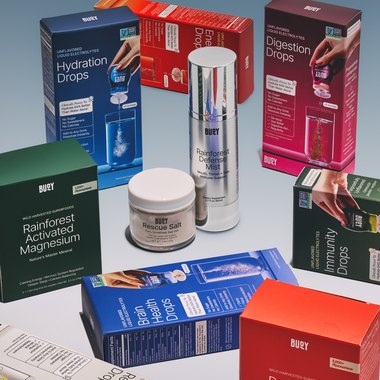
Water is still the first choice for everyday hydration. If you're exploring electrolyte options, Buoy Hydration Drops offer an unflavored, sugar-free, and sweetener-free way to add electrolytes to beverages without adding extra flavor.
Electrolyte drops are optional, not a prenatal nutrition requirement. Check with your prenatal care provider before adding supplements.
Explore our guide to the best electrolytes for pregnancy to learn more about your options.
References
¹ Marangoni, F., Cetin, I., Verduci, E., Canzone, G., Giovannini, M., Scollo, P., Corsello, G., & Poli, A. (2016). Maternal diet and nutrient requirements in pregnancy and breastfeeding. An Italian consensus document. Nutrients, 8(10), 629. https://doi.org/10.3390/nu8100629
² Wang, X. (2021). Healthy diet during pregnancy: Navigating the double-edged sword. The American Journal of Clinical Nutrition, 114(2), 414–415. https://doi.org/10.1093/ajcn/nqab161
³ Institute of Medicine (US) Committee on Nutritional Status During Pregnancy and Lactation. (1990). Nutrition during pregnancy: Part I, weight gain; Part II, nutrient supplements. National Academies Press. https://www.ncbi.nlm.nih.gov/books/NBK235228/
⁴ Oken, E., Radesky, J. S., Wright, R. O., Bellinger, D. C., Amarasiriwardena, C. J., Kleinman, K. P., Hu, H., & Gillman, M. W. (2008). Maternal fish intake during pregnancy, blood mercury levels, and child cognition at age 3 years in a US cohort. American Journal of Epidemiology, 167(10), 1171–1181. https://doi.org/10.1093/aje/kwn034
Frequently Asked Questions About What to Eat During Pregnancy
1. What are the best foods to eat during pregnancy?
The best foods help you meet your nutritional needs across different food groups. Include:
- Vegetables and fruits
- Whole grains
- Protein-rich foods
- Healthy fats
- Pasteurized dairy or fortified alternatives.
Eggs, lentils, leafy greens, yogurt, and lower-mercury fish are among some of the most nutrient-dense choices.
2. What should I eat every day while pregnant?
Aim for a variety of fruits and vegetables, protein-rich foods, whole grains, and calcium-rich foods. Drink water regularly and take the prenatal vitamin recommended by your healthcare provider. You don't need to eat the same foods every day to maintain a balanced diet.
3. What foods should I avoid during pregnancy?
Avoid alcohol, raw or undercooked meat and seafood, unpasteurized dairy, and raw sprouts. Heat deli meats and hot dogs until steaming hot, and avoid high-mercury fish. Generally, keep caffeine intake below 200 mg daily unless your healthcare provider advises otherwise.
4. What should I eat during the first trimester?
Focus on nutritious foods you can tolerate, especially if nausea affects your appetite. Whole grains, fruit, fully cooked eggs, beans, and pasteurized dairy are nutritious options. Continue taking your prenatal vitamin, and seek medical advice if vomiting makes it difficult to eat or drink.
5. What can I eat during pregnancy to help with constipation?
Fiber-rich foods like oatmeal, beans, lentils, berries, vegetables, and whole grains can help support regular bowel movements. Drink enough fluids and consider electrolytes as you increase your fiber intake. Gentle physical activity may also help if your healthcare provider says it's appropriate.
6. Can I eat eggs every day during pregnancy?
Eggs can be part of a healthy pregnancy diet and supply protein and choline. Cook them thoroughly, or use pasteurized egg products in recipes that would otherwise contain raw eggs. The appropriate amount depends on your overall diet and nutritional needs.
7. How much water should I drink while pregnant?
The adequate intake of water during pregnancy is about 3 liters daily from food and beverages combined. You can consider adding electrolytes to plain water without changing the flavor if you’re thinking about trying Buoy Hydration Drops. Your individual fluid needs may vary, particularly during hot weather or illness.
8. Do I need to take prenatal vitamins if I eat a healthy diet?
Prenatal vitamins are recommended even when you eat a balanced diet. Nutrients such as folic acid and iron can be difficult to obtain from food alone. Your healthcare provider can recommend a suitable supplement and determine whether you need additional nutrients.