







Essential Electrolytes Your Body Needs
Do you ever feel drained, even after a full night's sleep, or find your muscles cramping during a workout? The culprit might be closer than you think, inside your cells where essential electrolytes keep everything running. When these minerals fall out of balance, it can affect energy, muscle function, and how you feel day to day (1).
Electrolytes are not just a buzzword for athletes. They are crucial components that keep your heart beating, your muscles moving, and your brain firing (1).
Essential Takeaways:
- Understanding and maintaining a balance of essential electrolytes like sodium, potassium, and calcium is key to optimal health, affecting everything from muscle function to cognitive performance.
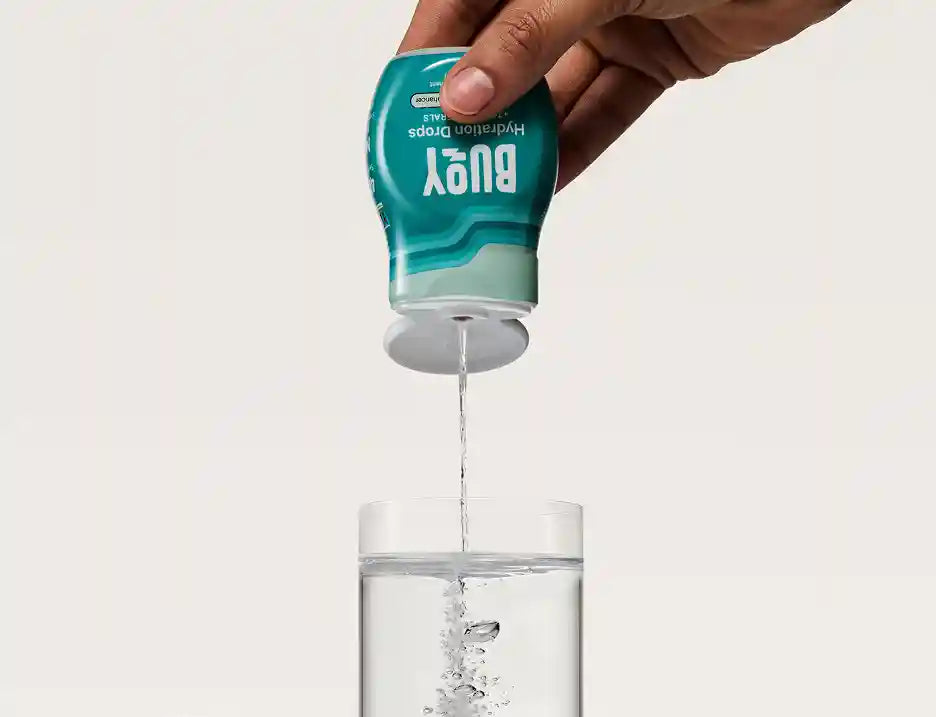
- Looking for a convenient way to maintain this critical balance? Hydration Drops offer an easy and effective solution. Packed with essential electrolytes, a quick squeeze into your water bottle can keep you hydrated and functioning at your best all day.
In this comprehensive guide, discover the essential electrolytes your body requires for optimal function, so you can be at your best every day.
- Introduction: Navigating the World of Electrolytes
- What Are The Essential Electrolytes?
- Sodium: The Master Regulator of Fluid Balance
- Potassium: Nerve and Muscle Health
- Calcium: Beyond Strong Bones
- Magnesium: The Relaxation Mineral
- Chloride: Electrolyte and Digestive Aid
- Phosphate: Bone Health and Cellular Energy
- Balancing Electrolytes: A Delicate Equilibrium
- Dietary Sources of Essential Electrolytes
- Electrolyte Imbalance and Health Consequences
- The Ultimate Solution: Buoy's Daily Wellness Bundle
Introduction: Navigating the World of Electrolytes
Electrolytes are indispensable for a wide range of physiological processes in the human body. From nerve signaling and muscle contractions to maintaining fluid balance, they are the unsung heroes that keep us functioning at peak performance (1).
In the following sections, we'll explore the specific roles and sources of these vital substances. For a deeper dive into the roles of electrolytes in the body, check out our blog post: What Do Electrolytes Do?

What Are The Essential Electrolytes?
Essential electrolytes are minerals in your body that carry an electric charge and help control some of your most important functions. The main ones are sodium, potassium, calcium, magnesium, chloride, and phosphate (1). Together, they support muscle contractions, nerve impulses, fluid balance, pH regulation, and the production of cellular energy.
Each electrolyte has a slightly different job. Sodium and chloride help manage fluid balance. Potassium and calcium play major roles in heart rhythm and muscle function. Magnesium supports hundreds of enzyme reactions, including those involved in energy production. Phosphate links closely to bone health and ATP, the molecule your cells use for fuel (1)). When people ask what the essential electrolytes are, they are usually talking about this core group.
Sodium: The Master Regulator of Fluid Balance
Sodium is a key player in regulating fluid balance within and outside of cells. It helps transport water in and out of cells, which is crucial for overall hydration (2).
Besides its role in fluid balance, sodium is essential for nerve function, aiding in the sending and receiving of electrical signals. Sodium also facilitates muscle contractions, helping your body move and function efficiently (2).
Potassium: Nerve and Muscle Health
Potassium is another electrolyte vital for bodily functions. It plays a significant role in nerve and muscle cell functioning, especially in the heart. Potassium helps regulate heartbeat and muscle contractions, aids in fluid balance, and even works to prevent cramps. Ensuring adequate potassium levels contributes to your overall well-being (3).
Calcium: Beyond Strong Bones
Most people associate calcium with strong bones and teeth, and rightly so. However, calcium also plays a pivotal role in nerve signaling, muscle contractions, and blood clotting. It acts as a messenger in various cellular activities and contributes to the stability and permeability of cell membranes (4).
Magnesium: The Relaxation Mineral
Magnesium is often dubbed the "relaxation mineral," and for good reason. It plays a critical role in muscle relaxation and contraction. Beyond that, magnesium is involved in energy production and contributes to bone health. It has also been studied for its potential benefits in heart health and migraine prevention (5).
Chloride: Electrolyte and Digestive Aid
Chloride, though often overlooked, has multifunctional roles as an electrolyte. It assists in maintaining proper fluid balance and is a crucial component of stomach acid, which aids in digestion. Chloride also helps regulate the body's overall pH balance, ensuring that your bodily processes operate optimally (6).
Phosphate: Bone Health and Cellular Energy
Phosphate is another electrolyte connected closely to bone health as it is a key component of bones and teeth. Beyond skeletal structures, phosphate is vital in energy production at the cellular level and plays an important role in the synthesis of DNA and RNA, which are essential for all life forms (7).

Balancing Electrolytes: A Delicate Equilibrium
Maintaining a balanced level of electrolytes is essential for optimal health. An imbalance can lead to various issues, including muscle cramps, fatigue, and even severe conditions like hyponatremia (low sodium) or hypokalemia (low potassium). Proper hydration plays a vital role in maintaining this delicate balance (1).
When you think about balance, it can help to remember the main electrolytes by role. Sodium and chloride are central to fluid balance. Potassium and calcium are key for heart and muscle activity. Magnesium supports muscle relaxation and energy processes. Phosphate links bones and energy production (1)(3)(4)(5)(6). Keeping all of them within a healthy range is what allows your body to respond smoothly to stress, exercise, and day to day demands.
Dietary Sources of Essential Electrolytes
While supplements and sports drinks can help replenish essential electrolytes, nature has provided us with a variety of foods that are rich in these vital nutrients. From fruits and vegetables to dairy and meats, certain foods serve as excellent sources of electrolytes.
Here’s a list of key foods that can help you maintain a balanced level of essential electrolytes naturally:
- Sodium: Table salt, processed foods
- Potassium: Bananas, oranges, spinach
- Calcium: Dairy products, fortified cereals
- Magnesium: Nuts, leafy green vegetables
- Chloride: Table salt, seaweed
- Phosphate: Meat, dairy products (8)
Incorporating these foods into a balanced diet can help ensure that you are getting adequate amounts of essential electrolytes. For more tips on how to naturally replenish your electrolytes through diet, you may find our blog post on How to Replace Electrolytes Naturally useful.
Electrolyte Imbalance and Health Consequences
When electrolytes are out of balance, it can lead to several health issues. Low sodium levels, known as hyponatremia, can result in nausea, seizures, and even coma in severe cases (9).
The Risks of Low Potassium: What You Should Know About Hypokalemia
Hypokalemia, or low potassium levels, can cause muscle cramps, irregular heartbeat, and digestive issues. Awareness of these conditions and their symptoms is crucial for prompt diagnosis and treatment (10).
Balancing Your Electrolytes: The Path to Optimal Health
Essential electrolytes are indispensable for a myriad of bodily functions. By understanding their roles and ensuring a balanced intake through diet or supplements, you can support your body's overall health and well-being.

The Ultimate Solution: Buoy's Daily Wellness Bundle
So you've learned about the various essential electrolytes your body needs for optimal health. Now you may be wondering how to ensure you get a balanced dose of these electrolytes without overcomplicating your routine. The answer lies in Buoy's Daily Wellness Bundle.
Why Buoy is Perfect for Everyone
This convenient package combines Buoy Hydration Drops, Buoy Energy Drops, and Buoy Immunity Drops—all formulated with a blend of essential electrolytes and additional wellness-boosting ingredients. Whether you're an athlete, a busy professional, or you just want to take your health seriously, this bundle offers a one-stop solution for hydration, energy, and immunity.
How to Use the Buoy Daily Wellness Bundle
With the Buoy Daily Wellness Bundle, you can easily transform your daily water intake into a comprehensive hydration and health-boosting routine. Just a light squeeze from each bottle into your everyday beverage can go a long way in ensuring you maintain a balanced level of essential electrolytes.
Make the Smart Choice for Your Health
Don't compromise on your health. Get Buoy's Daily Wellness Bundle today, and take the first step towards a healthier, more balanced you.

FAQs
What are the essential electrolytes?
Essential electrolytes are minerals that carry an electric charge in your body and help control vital functions. The main ones are sodium, potassium, calcium, magnesium, chloride, and phosphate (1). Sodium and chloride manage fluid balance, potassium and calcium support muscle and heart function, magnesium is involved in energy production and muscle relaxation, and phosphate is tied to bone health and cellular energy (3)(4)(5)(6). Your body needs all of them in the right amounts to keep systems like nerves, muscles, and fluid balance working smoothly.
Why are essential electrolytes important for everyday health?
Essential electrolytes help with tasks that your body performs all day without you thinking about it. They help your heart keep a steady rhythm, allow muscles to contract and relax, support nerve signals, maintain fluid balance, and contribute to bone strength and energy production (1)(3)(4)(6). When levels drift too low or too high, you might feel cramps, fatigue, headaches, or more serious symptoms such as confusion or changes in heartbeat (8)(9). Supporting healthy levels through diet, hydration, and, when needed, supplements can make a noticeable difference in how you feel.
Can I get enough essential electrolytes from food alone?
Many people can meet their electrolyte needs through a varied diet that includes fruits, vegetables, dairy, nuts, seeds, and whole foods that naturally contain minerals (7). Bananas, leafy greens, dairy products, nuts, and seeds are all examples of foods that supply potassium, calcium, magnesium, and phosphate (3)(4)(5)(7). However, if you sweat heavily, train hard, live in a hot climate, or have certain health conditions, you may lose more electrolytes than food alone replaces. In those cases, using a product like Hydration Drops can be a simple way to top up intake alongside your usual meals.
What happens if my essential electrolytes are out of balance?
Imbalances can range from mild to serious. Low sodium, known as hyponatremia, can cause symptoms such as headache, nausea, confusion, or more severe issues if it becomes extreme (8). Low potassium, or hypokalemia, can lead to muscle cramps, weakness, and changes in heartbeat (9). Imbalances in calcium, magnesium, chloride, or phosphate can also affect muscles, nerves, and bone health (1)(3)(4). If you notice ongoing symptoms, or you have a condition that affects your kidneys, hormones, or heart, it is important to speak with a healthcare professional.
Do I need to supplement with electrolytes every day?
Not everyone needs a separate electrolyte supplement on a daily basis. If you eat a varied diet and are not losing large amounts of fluid through sweat or illness, your food and regular drinks may be enough (1)(7). That said, many people find it helpful to use an electrolyte product during intense exercise, hot weather, travel, busy periods, or times of illness when intake or losses change. Hydration Drops are designed to make it easy to add essential electrolytes to the water you already drink, without sugar or heavy additives, so you can support your levels when you need it most.
References:
- Healthline. (2019). Electrolytes: Functions, Imbalance, and Sources. Retrieved from https://www.healthline.com/nutrition/electrolytes
- Healthline. (2022). Potassium. Retrieved from https://www.healthline.com/health/potassium
- Medical News Today. (2020). Benefits and Sources of Calcium. Retrieved from https://www.medicalnewstoday.com/articles/248958
- Medical News Today. (2020). Why Do We Need Magnesium? Retrieved from https://www.medicalnewstoday.com/articles/2868396
- Berend, K., van Hulsteijn, L. H., & Gans, R. O. (2012). Chloride: The Queen of Electrolytes? European Journal of Internal Medicine, 23(3), 203–211. Retrieved from https://doi.org/10.1016/j.ejim.2011.11.013
- Qadeer, H.A., Bashir, K. Physiology, Phosphate. [Updated 2022 Aug 29]. In: StatPearls [Internet]. Treasure Island (FL): StatPearls Publishing; 2023 Jan. Retrieved from https://www.ncbi.nlm.nih.gov/books/NBK560925/
- Healthline. (2019). 25 Foods That Replenish Electrolytes. Retrieved from https://www.healthline.com/health/fitness-nutrition/electrolytes-food
- Mayo Clinic. (2022). Hyponatremia. Retrieved from https://www.mayoclinic.org/diseases-conditions/hyponatremia/symptoms-causes/syc-20373711
- Healthline. (2018). Symptoms of Low Potassium (Hypokalemia). Retrieved from https://www.healthline.com/nutrition/potassium-deficiency-symptoms