







Can You Have Too Many Electrolytes? Symptoms, Risks, and Safe Limits
Electrolytes like sodium, potassium, calcium, and magnesium are essential for your health. They regulate nerve signals, muscle function, and fluid balance throughout your body.
So, can you have too many electrolytes? Yes, as with anything taken in excess, an imbalance can cause issues. Symptoms of ingesting too many electrolytes may include muscle weakness and irregular heartbeat.
We’ll explain what happens when electrolyte levels get too high and how to keep things balanced.
Key Takeaways
- Electrolytes are vital, but an excess can lead to severe health complications like high blood pressure, seizures, or heart issues.
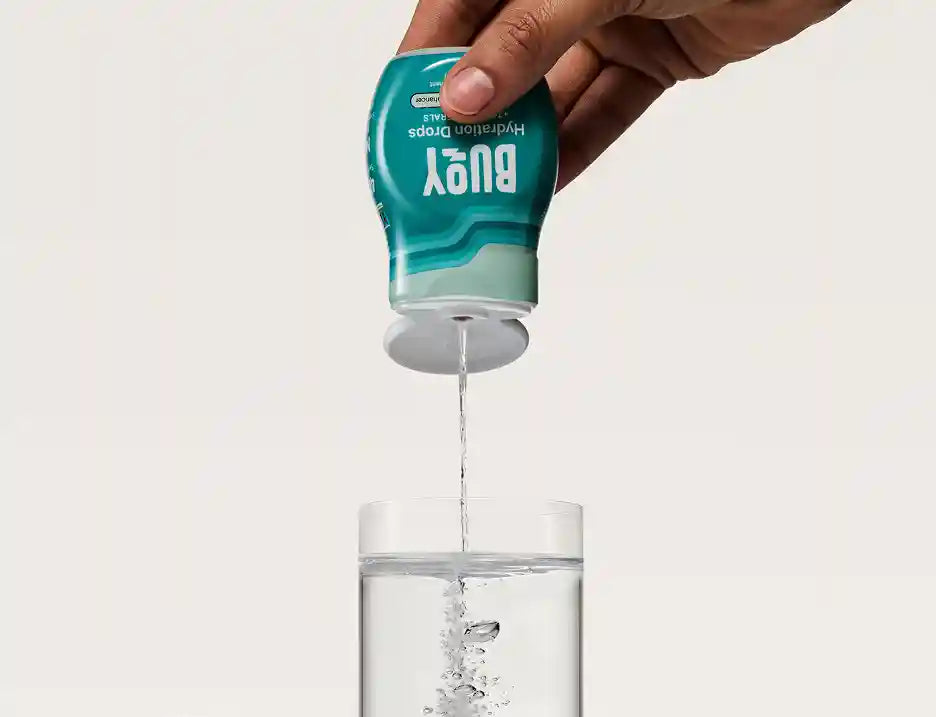
- Using a balanced supplement like Buoy Hydration Drops can help you achieve optimal electrolyte levels without risking an overdose.
- Personal needs vary. Monitoring your intake is key to staying balanced.
Table of Contents
- Can You Have Too Many Electrolytes?
- Understanding Electrolyte Balance
- How Electrolytes Affect Blood Pressure
- Symptoms of Too Many Electrolytes
- Can You Overdose on Electrolytes?
- How Many Electrolytes Is Too Much?
- Are Sports Drinks Necessary for Daily Hydration?
- How Much Sodium Is in a Typical Sports Drink?
- Getting Electrolytes Through A Whole Foods Diet
- Checking Your Hydration: The Urine Color Test
- How to Monitor Your Electrolyte Intake
- Buoy's Approach to Safe Electrolyte Balance
- Achieving Balance With Buoy
- Your Partner in Hydration
The Short Answer: Can You Have Too Many Electrolytes?

Yes, having too many electrolytes can lead to conditions such as:
- Hyperkalemia: Excess potassium can cause muscle weakness and an irregular heartbeat. In severe cases, it can lead to heart failure.⁶
- Hypernatremia: High sodium levels may lead to high blood pressure, confusion, and seizures.
- Hypercalcemia: Too much calcium can result in kidney stones, bone pain, and impaired brain function.
These issues are often caused by excessive intake of supplements or high-sodium diets. Impaired kidney function can also affect the body's ability to maintain balance.
Understanding Electrolyte Balance
Electrolytes are electrically charged minerals. They help the body perform essential functions like nerve conduction and muscle contraction.¹ The body meticulously regulates these electrolytes, keeping them within a balanced range.
The Importance of Electrolyte Balance
Having the right electrolyte levels is essential for overall health. These minerals play a big role in:
- Nerve Function: Electrolytes transmit electrical signals for reflexes and sensory perception.¹
- Muscle Contraction: They enable muscles, including the heart, to contract smoothly.
- Hydration: Electrolytes help regulate the flow of fluids in and out of cells.
- Heart Function: They ensure a steady heartbeat and support cardiovascular health.
- pH Balance: Electrolytes maintain the body's acid-base balance.
An imbalance, whether too high or too low, can disrupt these processes. This can lead to health issues, including muscle weakness or cramping.¹
Explore the head-to-toe benefits of electrolytes to get the full picture.
How Electrolytes Affect Blood Pressure
Sodium is the electrolyte most closely tied to blood pressure. Sodium helps your body retain fluid, which increases the fluid volume of your blood and can raise blood pressure.⁵
The American Heart Association Nutrition Committee has found that higher sodium intake is consistently linked to higher blood pressure across populations.³
Potassium works differently. Higher potassium intake has been shown to lower blood pressure, especially in people who already have hypertension. This is part of why the balance between sodium and potassium matters more than either mineral alone.
Learn more about how to manage blood pressure safely with electrolytes.
Symptoms of Too Many Electrolytes
If you have too many electrolytes, symptoms may include:
- Headaches and fatigue
- Muscle cramps or spasms¹
- Irregular heartbeat
- Nausea or vomiting
- High blood pressure
- Confusion or irritability
In severe cases, electrolyte imbalances can lead to life-threatening conditions. These include seizures or heart arrhythmias. Recognizing these symptoms of electrolyte imbalance early can help prevent serious complications.
Can You Overdose on Electrolytes?

While rare, an electrolyte overdose can occur. This is especially true with supplements, if large doses are consumed without guidance. Overconsuming potassium or sodium can strain the kidneys. It can also cause digestive upset or impact heart function. In extreme cases, this can lead to electrolyte toxicity or electrolyte poisoning, which requires urgent medical attention.
Electrolyte drinks and supplements often have concentrated levels of minerals. Food-based sources don't carry the same risk.² That's why it's important to follow serving size guidelines.
Space your intake throughout the day, and listen to your body. When in doubt, consult a doctor. This is especially true if you have:
- High blood pressure
- Kidney conditions
- Heart issues
How Many Electrolytes Is Too Much?
The amount of electrolytes you need depends on your activity level, diet, and overall health. Athletes and people in hot climates may require more. Excessive supplementation without medical guidance can easily lead to an overload, though.
General guidelines:
- Sodium: About 500 mg a day is the minimum most people need. The upper limit is around 2,300 mg, roughly one teaspoon of salt.⁵ The American Heart Association similarly recommends limiting average sodium chloride (table salt) intake to no more than 6 grams per day.³
- Calcium: 1,000 mg of calcium per day is recommended for adults 19 to 50, and 1,200 mg per day for adults over 50.³
- Potassium and Magnesium: General intake needs vary by individual factors. Consult a healthcare provider for personalized guidance.
What an Electrolyte Overdose Looks Like
Overdosing on electrolytes is rare from food alone.² It's far more common through powders, pills, or drinks, especially when you're combining more than one source in a day.
| How It Happens | What It Can Look Like |
| High doses of sodium, potassium, or magnesium without accounting for diet or sweat loss | Nausea, vomiting, muscle weakness |
| Stacking a supplement, sports drink, and fortified foods in the same day | Bloating, dizziness, high blood pressure |
| An underlying health condition overwhelming your kidneys' natural regulation | Irregular heart rhythm, in severe cases seizures or kidney stress |
If you're unsure how much you need, start small and increase gradually. Sticking to one balanced source, like Buoy, makes it easier to stay within a safe daily range without stacking multiple products unintentionally.
Are Sports Drinks Necessary for Daily Hydration?
For most people, no. A systematic review of sports drink research found that water is sufficient for daily hydration in non-athletes, including children and adolescents. Sports drinks are generally recommended only for people doing strenuous physical activity lasting longer than an hour.²
The same review found that sports drinks are often high in added sugar, which can contribute to other health issues with frequent use. Researchers recommended that sports drinks carry clearer labeling, so people can make informed choices about when they actually need one.²
How Much Sodium Is in a Typical Sports Drink?
Sodium content varies significantly between products. Most sports drinks contain between 35 and 200 mg of sodium per 8 ounces.⁴ This range matters if you're managing blood pressure or trying to track your total sodium intake.
Coconut water is a common lower-sodium alternative. It typically contains around 60 mg of sodium and 500 to 600 mg of potassium per 8 ounces. If you're considering switching to a lower-sodium option, it's worth discussing with a healthcare provider first, especially if you're managing a health condition.
Getting Electrolytes Through A Whole Foods Diet
Food is often the safest way to maintain electrolyte balance, since it's harder to overdo minerals through whole foods than through concentrated supplements.² A diet naturally rich in potassium, calcium, and magnesium, paired with lower sodium, has also been shown to help manage blood pressure over time.⁵
The DASH diet (Dietary Approaches to Stop Hypertension) is one well-researched approach. It emphasizes fresh vegetables, fruit, lean protein, and whole grains. Research shows it can lower systolic blood pressure by 8 to 14 points in some people.⁵ Certain foods are especially rich in the electrolytes your body needs, making them a practical foundation before reaching for a supplement.
A few habits that support this approach:
- Choose fresh or frozen foods over processed ones, since salt is often used as a preservative.
- Check nutrition labels. Aim for 200 mg of sodium or less per serving of snacks or processed meats, and 600 mg or less for ready-to-eat meals.
- Season food with spices like garlic, turmeric, or paprika instead of salt.
- Be cautious with salt substitutes. Many contain potassium, which isn't right for everyone. Check with a doctor first.
Building a stronger immune system often overlaps with these same dietary habits, since balanced nutrition supports more than just electrolyte levels.
Is It Bad to Drink Electrolytes Every Day?
Electrolytes are safe and beneficial for daily use, but only in proper amounts. People on low-carb diets, athletes, or those who sweat heavily often need electrolyte support every day.
However, drinking too many electrolyte drinks in one day can cause problems. This is especially true for drinks with high sodium or added sugar. Side effects may include bloating, diarrhea, or blood pressure spikes.
Products like Buoy Hydration Drops offer a safe, balanced option. They contain zero sugar, zero calories, and no artificial additives, unlike traditional, sugary sports drinks.
Checking Your Hydration: The Urine Color Test
One simple way to monitor your hydration is checking your urine color. Well-hydrated urine should be clear to light yellow, similar to the color of lemonade.⁴ Dark yellow, brown, or cloudy urine can be a sign of dehydration.⁴
If you take vitamin supplements, your urine may appear bright or fluorescent yellow. This is a normal side effect, not a health concern.
How to Monitor Your Electrolyte Intake
Electrolyte needs vary widely based on lifestyle, health conditions, and diet. Here's how to keep your levels in check:
- Track Your Intake: Monitor how much sodium, potassium, and other electrolytes you consume through food and supplements.
- Be Aware of Medications: Diuretics, blood pressure medications, and certain treatments can alter your electrolyte balance.
- Listen to Your Body: Fatigue, muscle cramps, and irregular heartbeat can be signs of an electrolyte imbalance.
- Consult a Healthcare Provider: If you have kidney disease or follow a special diet, check your electrolyte levels regularly.
Buoy's Approach to Safe Electrolyte Balance
Buoy Hydration Drops are designed to provide a balanced blend of essential electrolytes without risking an overdose.
Unlike many sugary sports drinks, Buoy offers a carefully formulated solution that supports hydration and overall health. If you want a refresher on which minerals actually count as electrolytes, here's a breakdown of the four main electrolytes your body relies on most.
Key benefits of Buoy Drops
- Provides balanced electrolytes like sodium, potassium, magnesium, and calcium.
- Supports hydration without excess sugars or artificial ingredients.
- Easy to use in any drink, helping you maintain safe electrolyte levels.
Achieving Balance With Buoy
Buoy Hydration Drops offer a practical way to maintain electrolyte balance throughout the day. This holds true whether you're an athlete, following a keto diet, or just trying to stay hydrated.
- Hydration Drops: These drops transform your regular drinks into hydration powerhouses.
- Energy Drops: Boost your energy levels while ensuring safe electrolyte intake.
- Immunity Drops: Enhance your body's defenses with balanced electrolytes and immune-supporting ingredients.
For comprehensive hydration and wellness, try Buoy's Ocean Electrolyte Kit. It combines all three for a complete approach to health.
Your Partner in Hydration
Electrolytes are vital for keeping your body running smoothly, but balance is key. Too many electrolytes can lead to serious health issues. Monitor your intake, and use a balanced supplement like Buoy for safe hydration.
Ready to optimize your hydration? Try Buoy's Hydration Drops today. Experience the benefits of balanced electrolytes without the risks of an overload.
References
- ¹Yu-Yahiro, J. A. (1994). Electrolytes and their relationship to normal and abnormal muscle function. Orthopaedic Nursing, 13(5), 38-40.
- ²Sports drinks and healthy behavior: A systematic review. (2023). Nutrients, 15(13), 2915. Retrieved from https://pmc.ncbi.nlm.nih.gov/articles/PMC10346316/
- ³Kotchen, T. A., & McCarron, D. A. (1998). Dietary electrolytes and blood pressure: A statement for healthcare professionals from the American Heart Association Nutrition Committee. Circulation, 98(6), 613-617. https://doi.org/10.1161/01.CIR.98.6.613
- ⁴Wick, S. (2024, May 10). When do you really need to add hydration tablets or other electrolytes to your exercise? Ohio State Wexner Medical Center. Retrieved from https://health.osu.edu/wellness/exercise-and-nutrition/hydration-and-electrolytes
- ⁵Johns Hopkins Medicine. (n.d.). Low sodium diet and lifestyle changes for high blood pressure. Retrieved from https://www.hopkinsmedicine.org/health/wellness-and-prevention/low-sodium-diet-and-lifestyle-changes-for-high-blood-pressure
- ⁶Delimaris, I. (2024). Hypo- and hypernatremia, hypo- and hyperkalemia, hypo- and hypercalcemia in human plasma: Causes, manifestations and treatment. ARC Journal of Surgery, 10(2), 1-3. https://doi.org/10.20431/2455-572X.1002001