


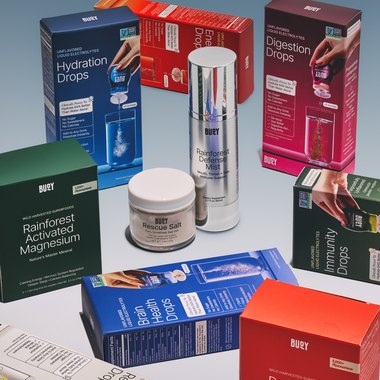


Rescue Drops

Highly bioavailable liquid form


Clinically-proven
Unflavored Liquid Electrolytes
Rescue Drops
Our high-sodium, 6x stronger liquid electrolyte for intense depletion and rapid recovery. Add to any beverage. No sugar, sweeteners, flavors, or B vitamins.
Supports: POTS Sodium Management, Athlete Performance, Mineral Replenishment, Energy, Migraines
 See Ingredients + Label
 How to Use

Add to any drink

Clinically-proven

Third-party tested

Highly bioavailable liquid form factor

No sugar, sweeteners, flavors, additives
How to Use
Add into 4-7 drinks per day, starting with your morning cup. 1 serving = 1 quick squeeze.
Add into any beverage
Rescue Drops dissolve instantly and evenly in any drink—try in coffee, smoothies, and tea.
Note: One serving is just 3ml – if you notice a strong taste, you're squeezing too much!
Compare to Market Leaders
Rescue Drops are clinically proven to hydrate 64% more than water alone and 49% more than a leading electrolyte.
Us
Them
Sugar, Sweeteners, Flavors, Additives
87 Trace Minerals
Bioavailable Form Factor
High
Low
Harvested Sea Salt
Third-Party Tested
Clinically-Proven
Add To Any Drink
Price per Day
Low
High
Our 'No' List
No
Sugar
- Inflammatory
Spikes glucose and insulin, feeds harmful gut bacteria, contributes to glycation of proteins - Dehydration
Too much can dehydrate cells by creating osmotic imbalance
No
Sweeteners
- Artificial
Disrupts gut microbiome, may trigger insulin response despite zero calorie, associated with metabolic issues in studies - Naturally-derived sweeteners
Can trigger insulin response and blood sugar changes, highly processed despite “natural” origins, digestive disruption (especially sugar alcohols)
No
Flavors
- Artificial flavors
Contain petroleum-derived chemicals and neurotoxic compounds, headache and allergen trigger, hidden preservatives and solvents - ‘Natural’ flavors
Can legally contain 100+ undisclosed ingredients, may contain solvents and preservatives, hidden allergens and inflammatory compounds
No
Additives
- Carriers, blending agents, & others
Create intestinal permeability ("leaky gut"), often contain hidden allergens, interfere with nutrient absorption - Coloring agents & dyes
Linked to hyperactivity and behavioral issues, many derived from petroleum or coal tar, associated with allergic reactions, some classified as carcinogens
No
Heat Processing or Chemical Spraying
- Nutrient disruption
Destroys enzymes and heat-sensitive vitamins, denatures proteins and beneficial compounds, strips away natural cofactors needed for absorption - Inflammatory byproducts
Creates inflammatory compounds (AGEs), Chemical residues accumulate in body
No
Lab-Manufactured Isolates
- Poor bioavailability
Poor bioavailability (10-30% vs 90%+ for whole foods), missing cofactors required for utilization - Overdosing
Can create imbalances by flooding single pathways - Inflammatory byproducts
Often contaminated with synthesis residues
No
Animal Byproducts
- Hidden ingredients
May contain hormones and antibiotics, often from diseased or low-quality sources
Keep Shopping