Electrolytes are one part of hydration. Your body still needs adequate fluid.
Water contributes directly to fluid intake, but it is not the only beverage that counts. Other drinks and water-rich foods also contribute to your daily fluid intake.
A practical hydration routine is one you can follow consistently. If adding flavor, electrolytes, or other ingredients makes drinking enough fluid easier, a homemade drink gives you room to build that routine around your preferences.
The Electrolytes That Matter in a Hydration Drink
Electrolytes are minerals that carry an electrical charge when dissolved in fluid. Sodium, chloride, potassium, magnesium, and calcium each have different physiological roles.
| Electrolyte | What It Does in the Body |
| Sodium | Helps regulate fluid balance and supports normal nerve and muscle function |
| Chloride | Works closely with sodium in maintaining fluid balance |
| Potassium | Supports fluid balance and normal nerve and muscle function |
| Magnesium | Assists with numerous enzymatic reactions, as well as normal muscle and nerve function |
| Calcium | Aids in muscle contraction, nerve signaling, and bone health |
Adding an electrolyte to your homemade hydration drink gives you a more consistent way to know what the product itself contributes.
Learn more about the
four main electrolytes.
What Makes a Good Homemade Hydration Drink?
The best homemade hydration drink does not have to be complicated. Start with a hydrating base, then add electrolytes and other ingredients according to what fits your routine.
The exact recipe can change depending on your activity, diet, sweat losses, preferences, and health needs.
| Part of the Drink | What It Adds | Common Options |
| Fluid | Provides water for hydration | Water, sparkling water, coconut water |
| Sodium | Helps regulate fluid balance and supports nerve and muscle function | Salt, electrolyte products |
| Potassium | Supports fluid balance and nerve and muscle function | Coconut water, citrus, certain fruits |
| Flavor | Makes a homemade drink more enjoyable | Lemon, lime, orange, berries, herbs |
| Carbohydrates | Can provide energy and may be useful in certain exercises or workouts | Fruit juice, honey, maple syrup |
| Added electrolytes | Makes electrolyte amounts less dependent on food ingredients alone | Buoy Hydration Drops |
If you want to see how different ready-made hydration options compare, visit our guide to the best electrolyte drinks.Do You Need Sugar in a Homemade Electrolyte Drink?
Not necessarily. The answer depends on why you are drinking it.
Carbohydrates can be useful during prolonged exercise because they provide fuel. Glucose also plays an important role in oral rehydration solutions used for dehydration caused by illnesses such as diarrhea. That does not mean every electrolyte drink needs added sugar.
Buoy Hydration Drops contain zero sugar and no sweeteners. This lets you decide separately if your homemade drink needs carbohydrates instead of having sweetness built into the formula itself.
For a closer look at how our liquid formula compares with another hydration format, read Buoy vs. Instant Hydration.Common Ingredients in Homemade Hydration Drinks
Homemade electrolyte drinks often feature some combination of water, coconut water, citrus, salt, and a sweetener. You do not need all of them in every drink. Decide what to add based on your preferences and what type of flavor profile you’re going for.
- Water: A straightforward base that adds fluid without changing the flavor.
- Coconut water: Provides fluid and naturally occurring electrolytes, especially potassium. It also contains naturally occurring sugar.
- Citrus: Lemon, lime, or orange can add flavor and small amounts of nutrients.
- Salt: Includes sodium and chloride. The amount should be chosen carefully instead of assuming that more salt makes a drink more hydrating.
- Honey or maple syrup: Optional sources of carbohydrate and sweetness.
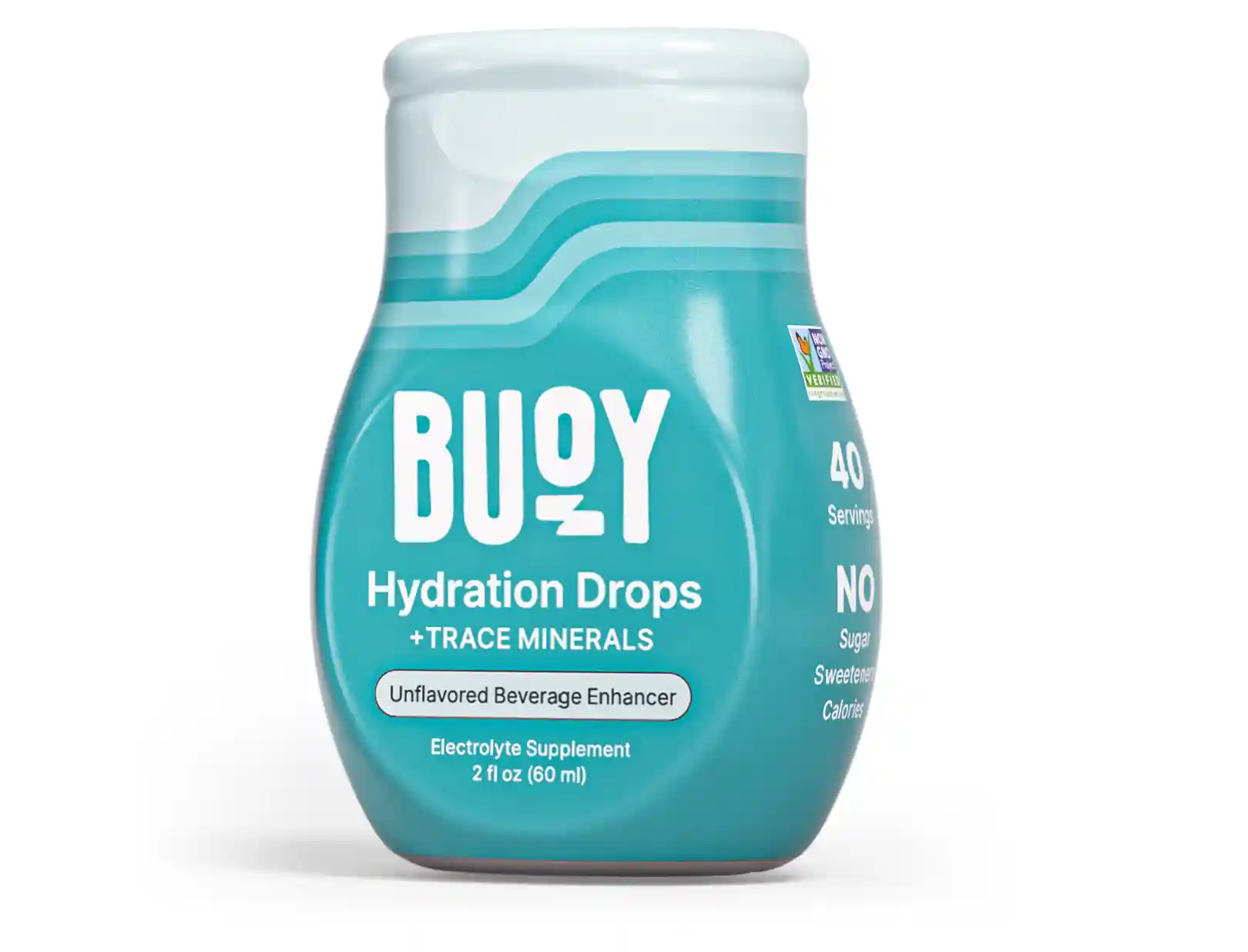
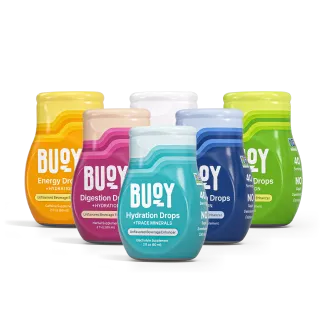
- Buoy Hydration Drops: Add liquid electrolytes and 87+ ionic trace minerals without including sugar, sweeteners, or flavor.
The result can be as simple or customized as you want. A glass of water with Buoy is enough to create an electrolyte drink, while fruit and other ingredients can be added for flavor.
How to Make the Best Homemade Hydration Drink
There is no single recipe that is best for everyone. A useful starting point is a drink that provides fluid, tastes good enough that you will actually drink it, and fits the reason you are hydrating.
Start With Your Hydration Base
Plain water is the simplest choice. Coconut water is another option and naturally contains electrolytes, particularly potassium, although its exact mineral and sugar content varies by product.
Sparkling water can work when you prefer carbonation. You can also use a combination of water and juice if you want more flavor.
Decide How You Want to Add Electrolytes
Salt provides sodium and chloride, two electrolytes involved in fluid balance. Foods and beverages, such as coconut water and fruit, can contribute additional minerals.
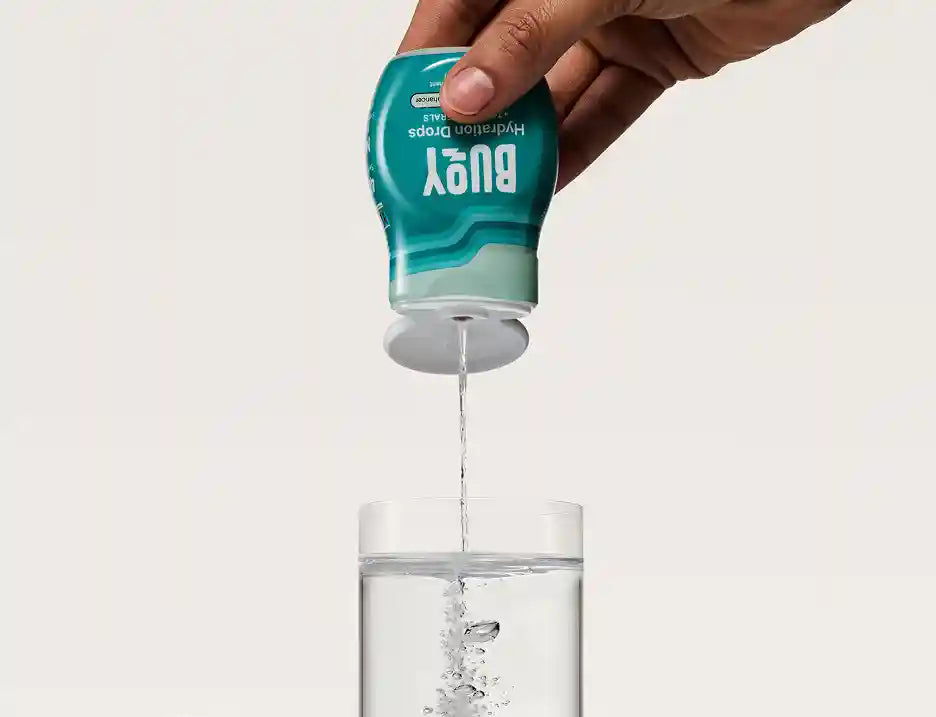
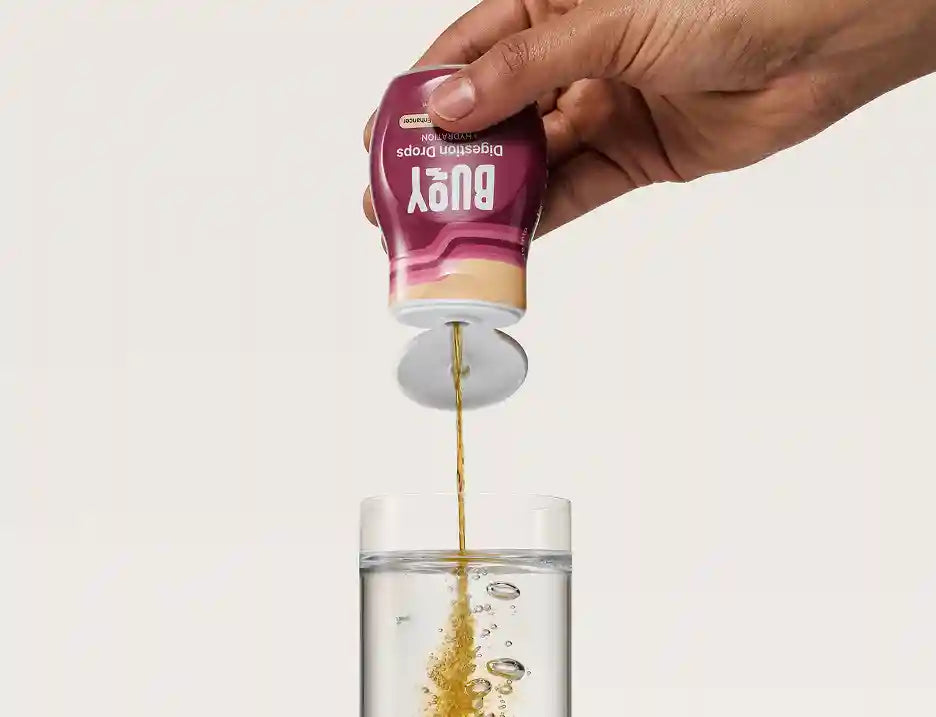
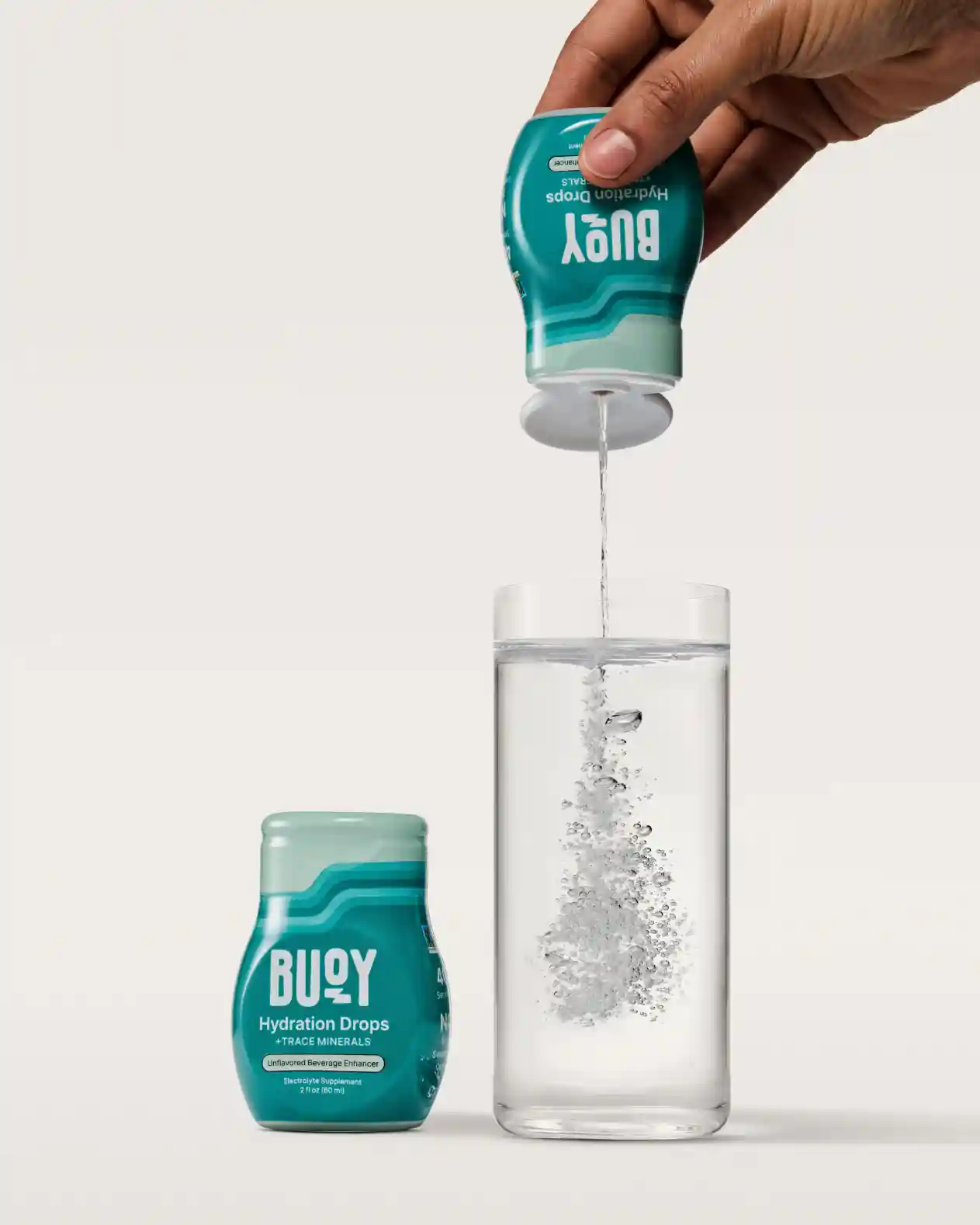
For an easy measured addition, use one quick squeeze of Buoy Hydration Drops. Each serving is 1.5 mL and is designed to dissolve instantly into your drink.
Add Flavor That You Actually Enjoy
Fresh lemon or lime juice can give plain water a brighter flavor. Orange, berries, cucumber, mint, or other ingredients can also be used depending on your preference.
Sweetener is optional for an everyday homemade hydration drink. If you want carbohydrates for energy or simply prefer a sweeter drink, you can add an ingredient such as honey or maple syrup.
An Easy Homemade Electrolyte Drink With Buoy
You do not need to measure several mineral powders to make an electrolyte drink at home. Buoy gives you a simple base formula that you can adjust to your own taste.
Simple Buoy Hydration Drink
- Water or another beverage of your choice
- One quick squeeze of Buoy Hydration Drops
- Lemon or lime juice to taste, optional
- Fruit, herbs, or another flavor addition, also optional
Stir and drink as part of your normal hydration routine.
This version keeps the electrolyte addition consistent while leaving the rest of the recipe flexible. We recommend adding Buoy Hydration Drops to 4–7 drinks throughout the day, beginning with your morning drink.
Want more ideas beyond DIY recipes? Explore the best hydration drinks.Why Homemade Electrolyte Drinks Give You More Control
You Choose What Goes In
Making your own drink lets you decide how much juice, sweetener, salt, and flavor you want. It also makes it easier to leave out ingredients that do not fit your diet or preferences.
You Can Adjust the Flavor
Some people like citrus-heavy electrolyte drinks. Others would rather keep the flavor close to plain water.
Because Buoy Hydration Drops are purposefully unflavored, they can be added without turning every homemade recipe into a sweet or strongly flavored electrolyte drink.
You Can Fit It Into Your Existing Routine
A homemade electrolyte drink does not have to be a separate sports drink. You can add Buoy to water, coffee, tea, smoothies, and other beverages you already drink.
You Control the Sugar
Some homemade recipes use fruit juice, honey, maple syrup, or another carbohydrate source. Those ingredients can serve a purpose, especially when carbohydrate intake is part of an exercise or rehydration strategy, but they are not required in every everyday hydration drink.
Buoy Hydration Drops contain zero sugar and no sweeteners.
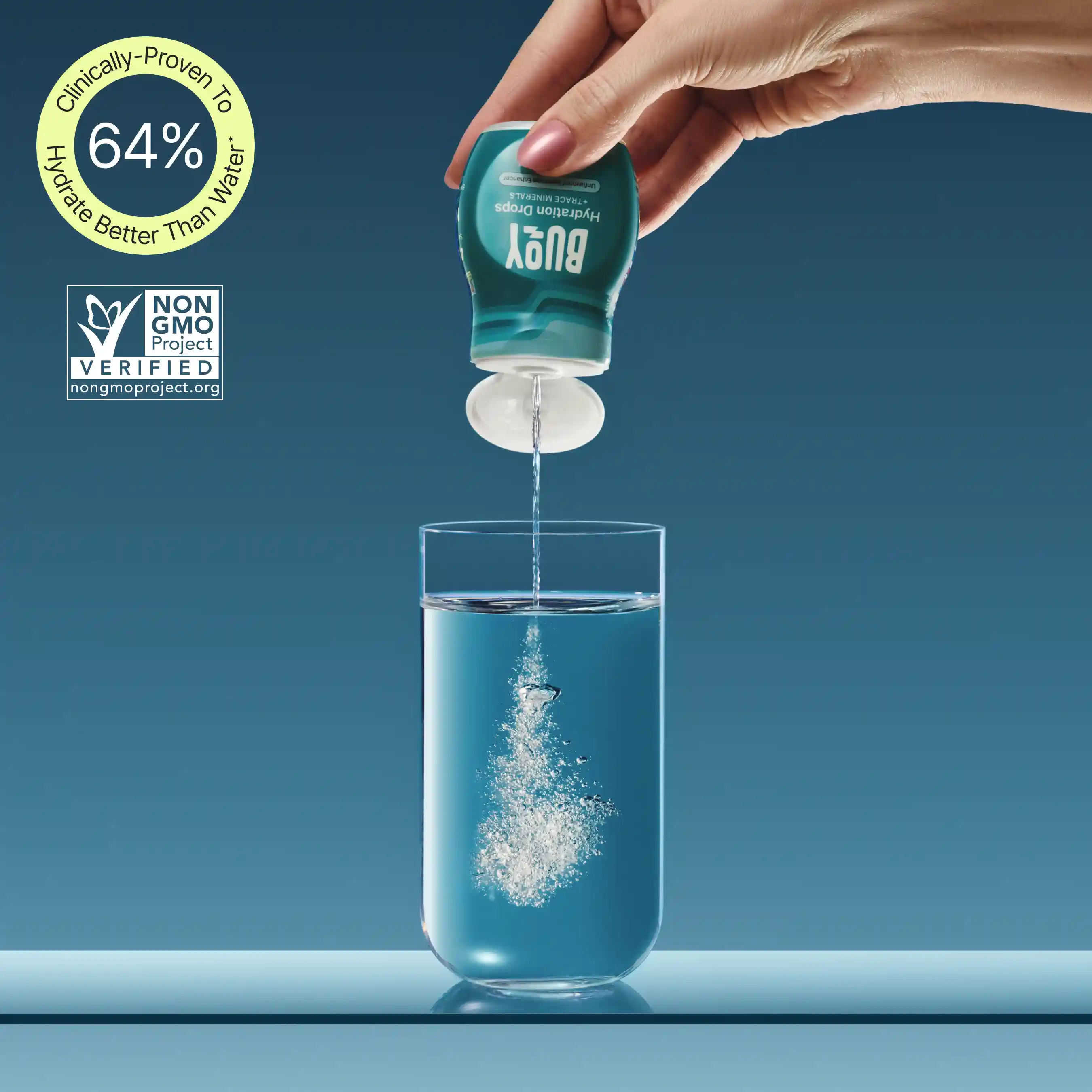

 View Clinical Study

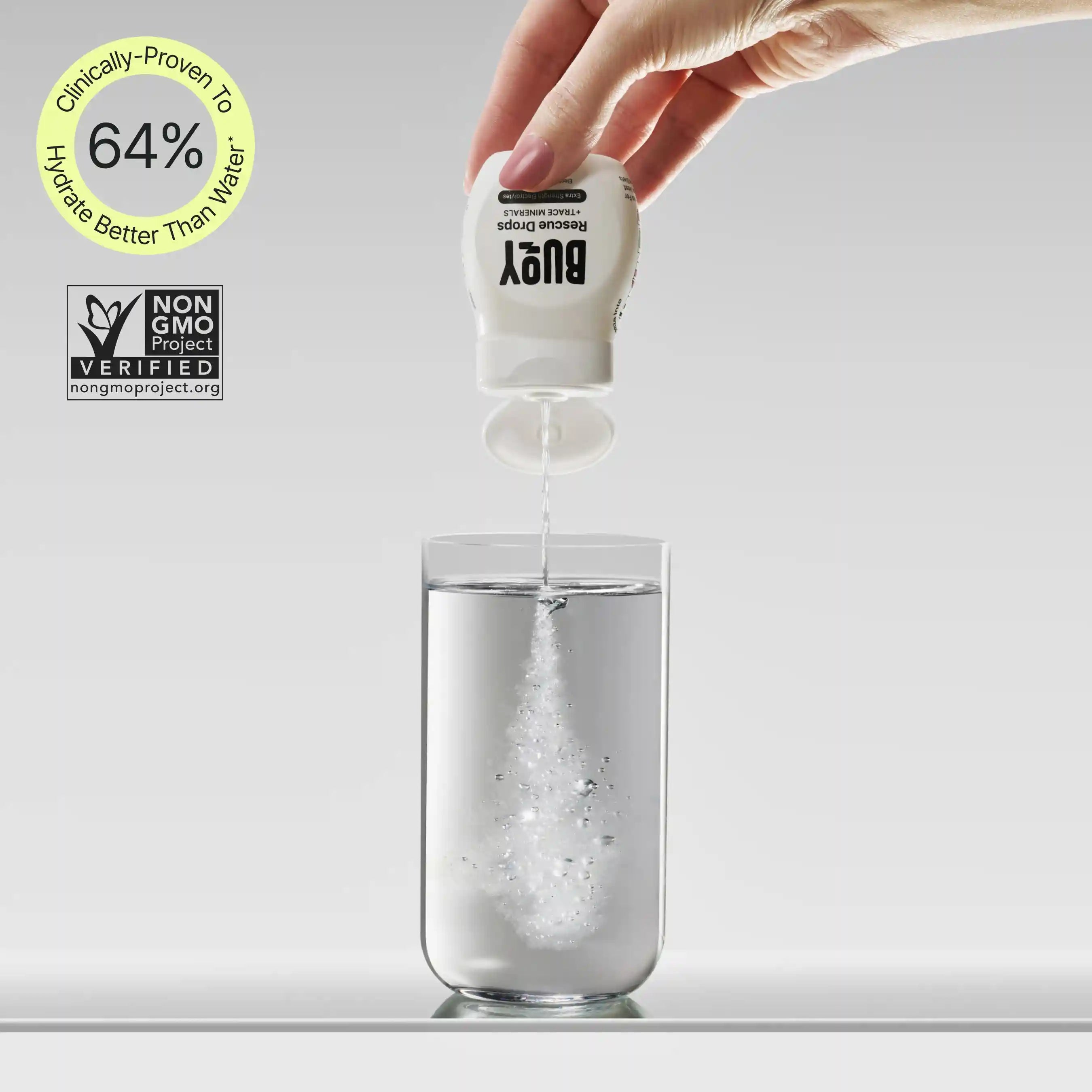



 Buoy's Clinical Study