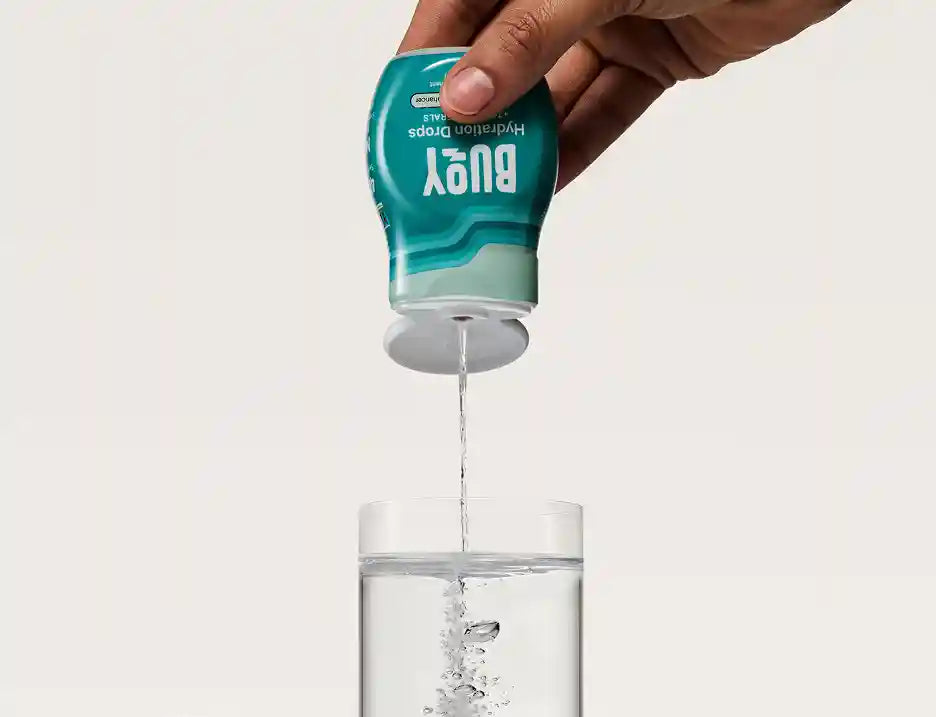
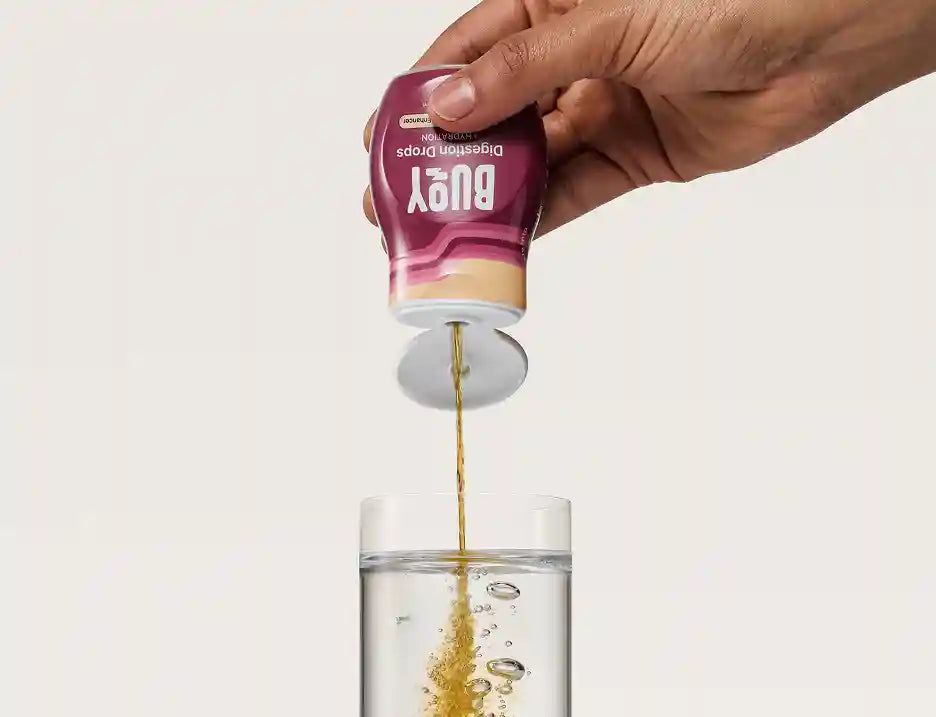
Electrolytes support muscle function, hydration, nerve signaling, and endurance. Without them, fatigue and cramping set in fast, regardless of training experience.
See
how electrolytes influence athletic performance and recovery to understand the mechanics in more depth. Sweat depletes minerals your body can't function optimally without, and replacing them is essential to effective athletic training and performance.
Who Might Need More Electrolytes Than Average
Athletes aren't the only ones who need to think about electrolyte intake, but they do require sodium replenishment post-training or workout.
| Use Case | Why Electrolyte Needs Run Higher |
| Athletes and endurance trainers | Heavy sweat loss during training and competition |
| People in hot or humid climates | Increased fluid and sodium loss through sweat |
| Those recovering from illness | Fluid and mineral loss from vomiting, diarrhea, or fever |
| People on low-sodium or restrictive diets | Lower baseline mineral intake from food |
| Anyone managing a chronic condition like POTS | Electrolyte imbalance is often part of daily symptom management |
If you fall into more than one of these categories, electrolyte needs can compound, making proper hydration and recovery that much more important.
Signals of Electrolyte Imbalance to Watch For
Recognizing
signs of low electrolytes early can prevent it from affecting your performance or recovery.
| Sign | What It May Indicate |
| Muscle cramps | Often linked to low sodium, potassium, or magnesium |
| Persistent fatigue | Can signal dehydration or mineral depletion |
| Dizziness or lightheadedness | May relate to fluid or sodium imbalance |
| Headaches | Commonly tied to dehydration |
| Slower recovery between sessions | Electrolytes play a role in muscle repair |
Common Causes of Low Athletic Performance
Athletes constantly push their bodies to the limit, but a few overlooked factors can slow down performance and recovery.
Electrolyte Imbalance
The foundation of athletic performance and swift recovery is a well-balanced electrolyte level. Sodium, chloride, potassium, magnesium, and calcium are vital for hydration, muscle function, and nerve operation.
An imbalance is often caused by insufficient replenishment after sweat loss. This can lead to reduced performance, muscle cramps, and slower recovery times.
Dehydration
Hydration is more than just water intake. It means maintaining a balance of fluids and electrolytes together. Even mild dehydration can significantly impair performance and prolong recovery.
Consistent fluid intake paired with electrolytes helps prevent this, especially during and after workouts.
Physical and Mental Stress
Athletic activities are demanding on both body and mind. Physical stress from overtraining and mental stress from competition anxiety can lead to muscle tension.
A well-hydrated, electrolyte-balanced body manages stress more effectively.
Nutritional Deficiencies
Deficiencies in essential vitamins and minerals can lead to decreased energy, impaired muscle function, and prolonged recovery.
A balanced diet paired with an electrolyte solution like Buoy helps ensure your body has what it needs to perform and recover.
Inadequate Recovery Strategies
Recovery is often overlooked, but skipping it raises the risk of overtraining syndrome. Proper hydration with electrolytes is one part of a complete recovery strategy, alongside rest.
Why Buoy Is Built for Athletes
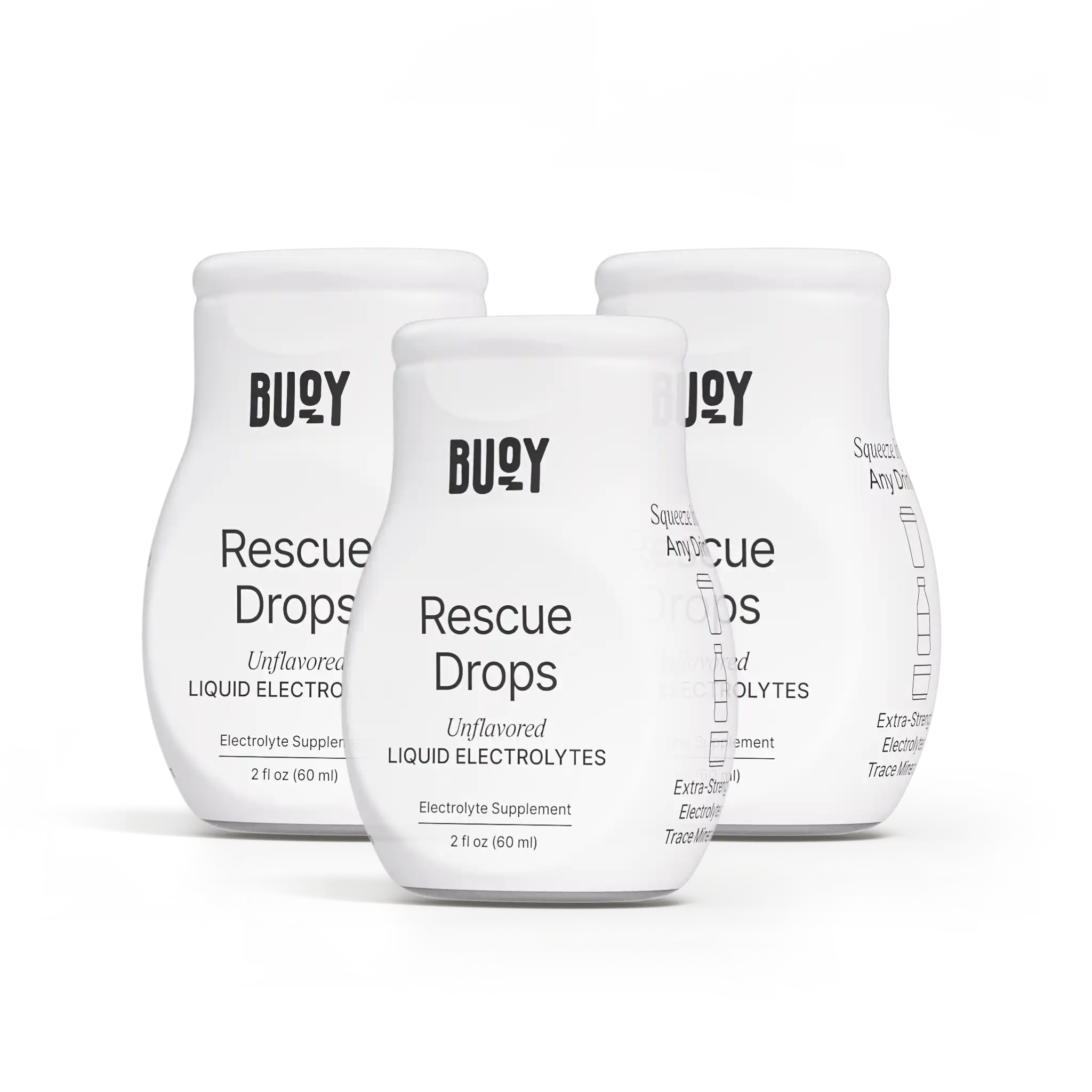
Sustain Hydration & Accelerate Recovery Electrolytes are essential for muscle repair. Buoy restores what you lose, helping you bounce back stronger. In fact, Buoy supports fluid balance and over 300 enzymatic reactions with bioavailable electrolytes.
Combat Muscle Cramps A precise blend of sodium, chloride, potassium, magnesium, and calcium helps prevent performance-limiting cramps.
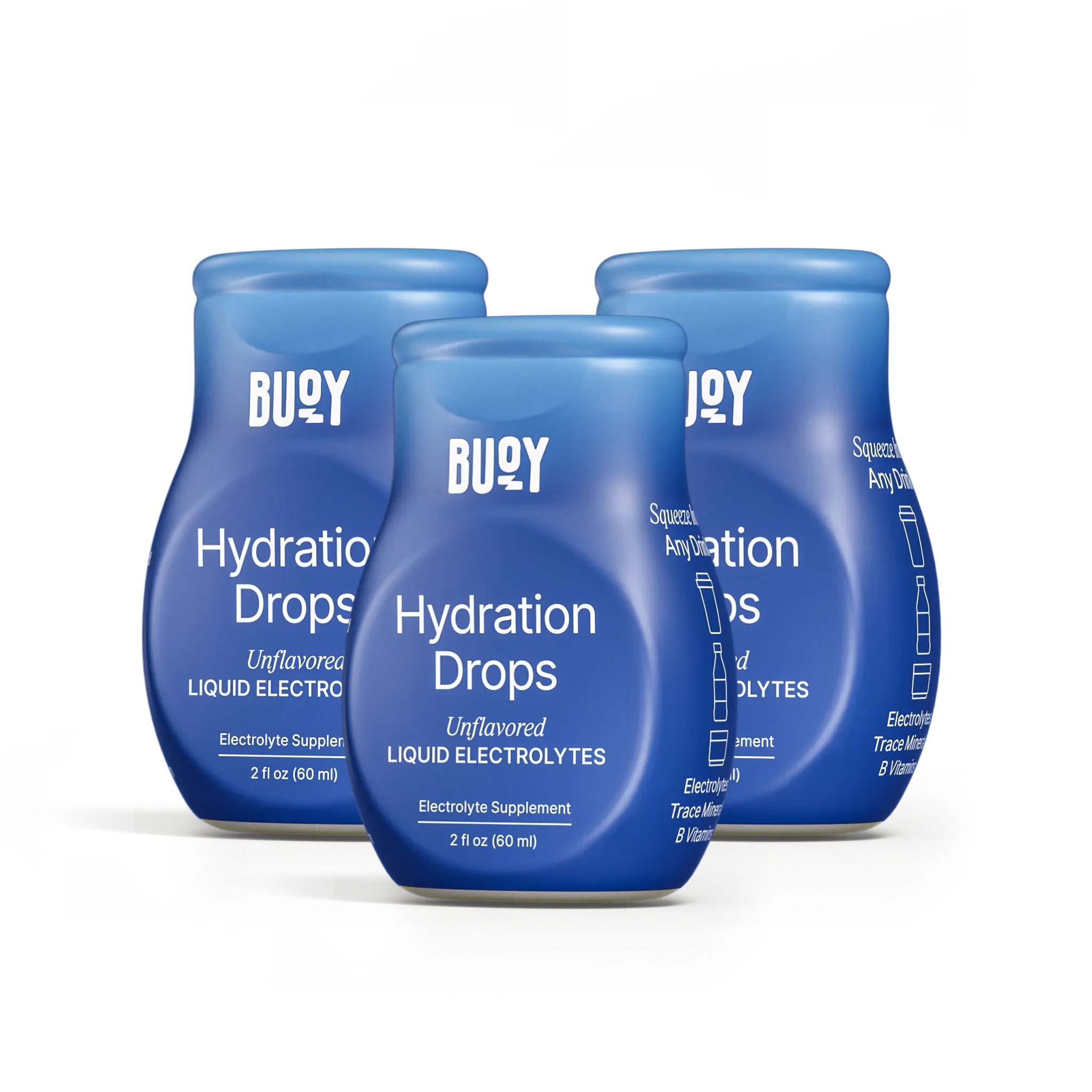
Enhance Water Efficiency Buoy transforms plain water into a high-performance hydration drink with fast-absorbing minerals.
Embrace Sugar-Free Hydration Buoy has no sugars, sweeteners, or additives. Our formula emphasizes performance-focused nutrients like B vitamins to aid sodium absorption.
Electrolytes for Athletes vs. Traditional Sports Drinks Reaching for a sports drink is the default for a lot of athletes, but it's worth knowing what you're actually getting.
| Factor | Traditional Sports Drinks | Buoy Electrolytes for Athletes |
| Sugar content | Often high | Zero sugar |
| Artificial additives | Common (dyes, flavors) | None |
| Electrolyte customization | Fixed ratio, one-size-fits-all | Adjustable, drop by drop |
| Format | Pre-mixed, often bulky to carry | Compact drops added to any drink |
| Best for | Casual hydration during activity | Precise replenishment across training and recovery |
Explore
how sports drinks with electrolytes compare more broadly if you're deciding between formats.
Key Factors in Choosing the Best Electrolytes for Athletes
Take a look at a few things worth considering before you choose between electrolytes:
- Sugar and additive content: Look for a formula that won't add unnecessary calories or ingredients your body doesn't need.
- Electrolyte profile: Confirm it includes sodium, potassium, magnesium, and calcium, not just sodium alone.
- Format and portability: Consider whether a powder, tablet, or liquid fits best into your training routine.
- Flexibility: A product you can adjust based on sweat rate and intensity is more useful than a fixed-dose option.
- Bioavailability: Liquid electrolytes are generally absorbed faster than pills or powders.
Learn how
electrolytes and water together play a bigger role in hydration than most people realize.


 View Clinical Study

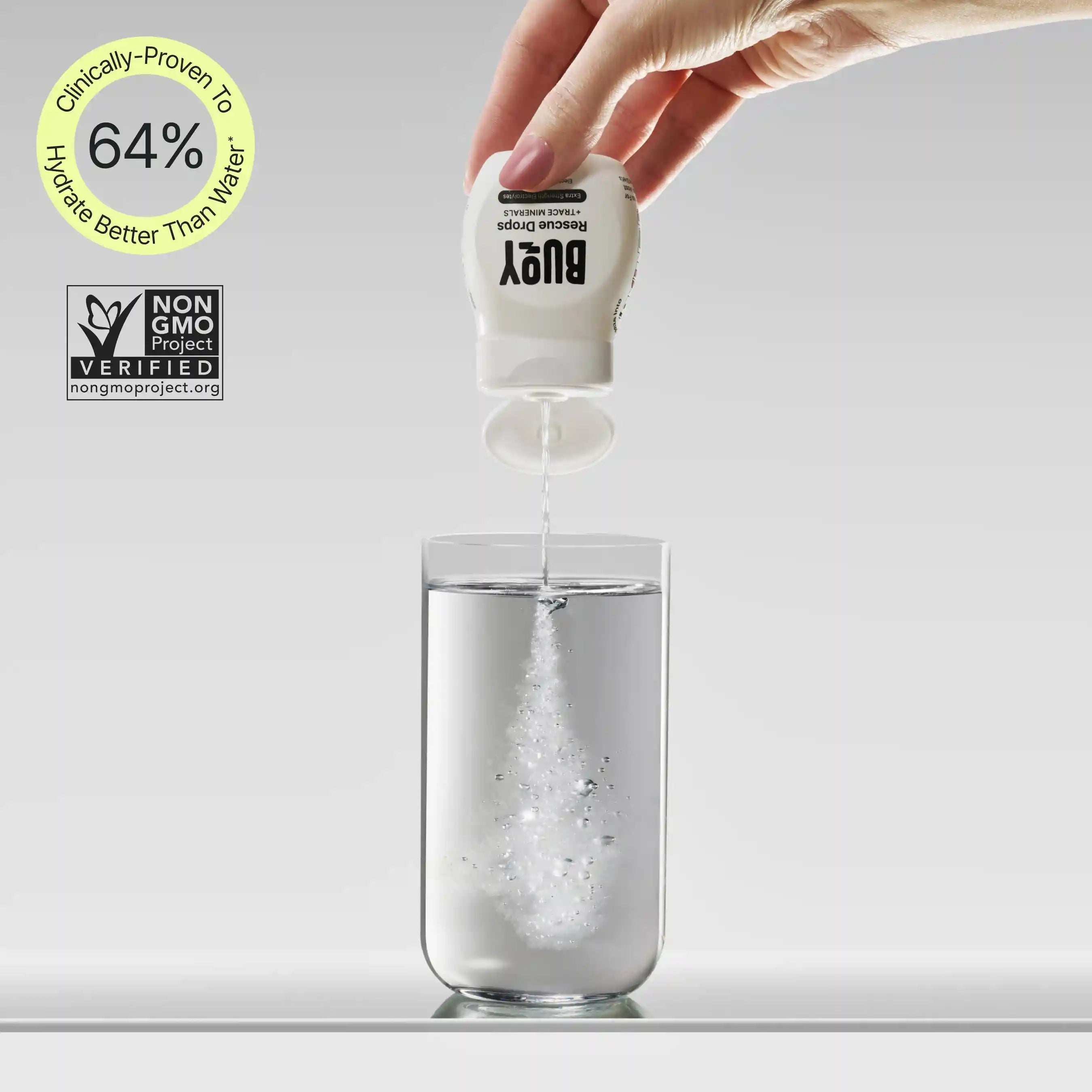



 Buoy's Clinical Study