






POTS and Nutrition: Vitamins and Supplements
Standing up shouldn’t feel like running a marathon. For people with Postural Orthostatic Tachycardia Syndrome (POTS), symptoms like a racing heart, dizziness, and weakness can make it a daily challenge.
POTS is a condition that affects the autonomic nervous system and can make even simple activities difficult.¹ While there’s no single cure, research shows that nutrition, hydration, and targeted supplements for POTS can play an important role in managing symptoms.
Many POTS nutrition strategies focus on increasing electrolytes, along with specific vitamins and supplements that support energy, circulation, and nervous system function. In this guide, we’ll break down the best supplements for POTS, including key vitamins, electrolytes, and emerging options that may help improve daily symptoms.
Whether you’re newly diagnosed or managing POTS long-term, understanding how to use vitamins and supplements for POTS can help you build a more effective, personalized approach to symptom management.
Important Note: The information in this article is for educational purposes only and should not be considered medical advice.
Key Takeaways:
- Electrolytes are essential for POTS, helping increase blood volume and reduce dizziness.
- Vitamins like B12, D, and magnesium support energy and nerve function.
- Different supplements serve different roles, from hydration to long-term symptom support.
- The best supplements for POTS depend on your specific symptoms and needs.
- Consistency with hydration and supplementation is key for symptom management.
- Products like Buoy’s electrolyte solutions can be valuable tools in achieving optimal hydration and ensuring adequate intake of essential minerals.
Always consult with your healthcare provider before starting any new vitamin or supplement regimen, especially if you have POTS or any other medical condition. Your doctor can provide personalized recommendations based on your individual health needs and current medications.
- The Role of Nutrition in POTS Management
- How Supplements Help POTS (The Science Explained)
- What Are the Best Supplements for POTS? (Quick Overview)
- Common Dietary Recommendations
- Beneficial Vitamins for POTS
- Electrolytes vs. Vitamins: What Matters Most for POTS?
- Common Vitamin Dosages
- Buoy Hydration: A Convenient Source of Magnesium and Electrolytes
- Helpful Supplements for POTS
- Best Electrolyte Supplements for POTS
- Vitamins and Supplements to Avoid
- Potential Interactions with POTS Medications
- How to Choose the Right Supplements for POTS
- Enhance Your Health with Proper Nutrition and Supplements
- Sample Daily Supplement Routine for POTS
- How Buoy Hydration Drops Fit Into Your Daily POTS Routine
The Role of Nutrition in POTS Management
Nutrition is a cornerstone of POTS management. A well-balanced diet can help stabilize blood pressure, improve energy levels, and reduce symptoms like dizziness and fatigue.
How Supplements Help POTS (The Science Explained)
POTS is often associated with low blood volume (hypovolemia) and dysfunction of the autonomic nervous system. These factors can make it difficult for the body to regulate heart rate and blood pressure when standing.
Certain supplements help address these underlying issues:
-
Electrolytes (especially sodium): Help the body retain fluid and increase blood volume.
-
Magnesium and potassium: Support proper nerve signaling and muscle function.
- Vitamins (B12, D): Address common deficiencies that may worsen fatigue and neurological symptoms.⁵
Clinical guidance often recommends increasing sodium intake significantly (sometimes up to 3,000–10,000 mg per day under medical supervision). This can help improve circulation and reduce symptoms like dizziness and fainting.
By targeting these physiological mechanisms, supplements can play a meaningful role in improving daily function for people with POTS.
What Are the Best Supplements for POTS? (Quick Overview)
The best supplements for POTS focus on improving hydration, blood volume, and nervous system function. While individual needs vary, most treatment plans include a combination of electrolytes and targeted vitamins.
|
Supplement Type |
Why It Helps POTS |
Typical Use Case |
|
Electrolytes (sodium) |
Increases blood volume |
Dizziness, low BP |
|
Magnesium |
Supports heart rhythm + sleep |
Palpitations, insomnia |
|
Vitamin B12 |
Improves nerve function |
Fatigue, brain fog |
|
Vitamin D |
Supports muscle + immune health |
Weakness, deficiency |
|
Omega-3s |
Improves circulation |
Inflammation, brain fog |
Common Dietary Recommendations
For POTS patients, dietary recommendations often include:
- Increasing salt and fluid intake to boost blood volume.²
- Eating smaller, more frequent meals to avoid blood pooling.
- Consuming adequate protein to support muscle strength.
- Limiting caffeine and alcohol, which can exacerbate symptoms.³
While these dietary changes are beneficial, some individuals with POTS may also benefit from specific vitamins and supplements to address nutritional deficiencies and support overall health.
Get more nutrition tips for managing POTS in our POTS Diet and Nutrition Guide.
Beneficial Vitamins for POTS
When considering vitamins for POTS, it's important to focus on those that address common deficiencies and support overall health. Vitamin B12, Vitamin D, Vitamin C, and Magnesium are among the most beneficial supplements for POTS. Let’s explore each one in more detail.
Electrolytes vs. Vitamins: What Matters Most for POTS?
Not all supplements for POTS serve the same purpose. Understanding the difference can help you prioritize what your body needs most.
|
Category |
Primary Benefit |
Priority for POTS |
|
Electrolytes (sodium, potassium) |
Improve hydration and blood volume |
High (essential) |
|
Vitamins (B12, D, C) |
Correct deficiencies and support energy |
Medium |
|
Specialty supplements (CoQ10, L-Carnitine) |
Support energy production and heart health |
Medium |
For most individuals, electrolytes are the most impactful starting point, especially for managing dizziness and blood pressure changes. Vitamins and specialty supplements can then be layered in based on symptoms and deficiencies.
Vitamin B12
Vitamin B12 is essential for nerve function and the production of red blood cells. Some POTS patients may have a B12 deficiency, which can contribute to fatigue and weakness. Supplementing with B12 may help:
- Increase energy levels
- Improve cognitive function
- Support cardiovascular health
Vitamin D
Vitamin D deficiency is common in POTS patients and can contribute to muscle weakness and fatigue. Adequate vitamin D levels can:
- Support bone health
- Improve muscle function
- Boost immune system function
Vitamin C
As an antioxidant, vitamin C can help reduce oxidative stress in the body. For POTS patients, vitamin C may:
- Support blood vessel health
- Enhance iron absorption
- Boost immune function
Magnesium
While technically a mineral, magnesium is crucial for many bodily functions. In POTS patients, magnesium supplementation may:
- Help regulate heart rhythm
- Reduce muscle cramps and tension
- Improve sleep quality
While these vitamins can offer significant benefits for people with POTS, it’s important to remember that individual needs may vary. Always consult with your healthcare provider before starting any new supplement regimen.
They can help determine the right combination and dosage of vitamins to support your specific POTS management plan. By addressing potential vitamin deficiencies, you may find improvements in energy levels, muscle function, and overall symptom management.
Common Vitamin Dosages
While these vitamins and supplements can be beneficial, optimal dosages can vary widely between individuals. Vitamin B12 is often taken in doses ranging from 2.4 to 1000 mcg daily, while Vitamin D supplementation may range from 600 to 2000 IU per day for adults (4,5).
However, it's important to consult with your healthcare provider to determine the right dosage for your specific needs.
For more information on managing POTS through lifestyle changes and nutrition, explore our Expert Tips on Managing POTS Symptoms. Take control of your health today and discover how proper nutrition can make a difference in your POTS journey.
Buoy Hydration: A Convenient Source of Magnesium and Electrolytes
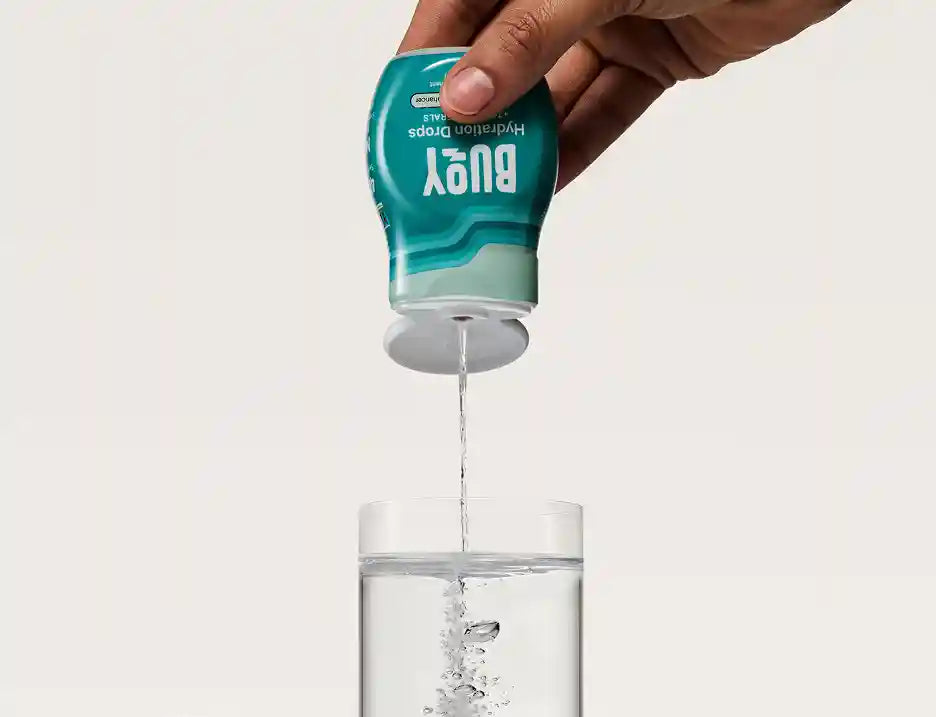
Buoy’s Hydration Drops are an excellent source of magnesium and other essential electrolytes. These drops are designed to be added to any beverage, making it easy to increase your magnesium intake throughout the day.
With no added sugars or artificial sweeteners, Buoy offers a clean, effective way to supplement magnesium and support overall hydration, which is a key factor in managing POTS symptoms.
For optimal results, follow the dietician-recommended use of 4-7 servings daily, which provides 560 mg-980 mg of electrolytes, including magnesium.
This can be particularly beneficial for POTS patients who need to maintain proper electrolyte balance and hydration levels.⁴

Careful supplementation: Choosing the right vitamins and supplements can be an important part of managing POTS symptoms.
Helpful Supplements for POTS
In addition to vitamins, certain POTS supplements can be beneficial for managing symptoms. Electrolyte supplements, Omega-3 fatty acids, and probiotics are often recommended as part of comprehensive POTS nutrition advice.
Best Electrolyte Supplements for POTS
Electrolyte supplements are one of the most commonly recommended tools for managing POTS symptoms, particularly for improving hydration and blood volume.
|
Type of Supplement |
Sodium Level |
Sugar Content |
Best Use Case |
|
Electrolyte drops |
Low |
0g |
Daily hydration, flexible use |
|
Capsules/tablets |
Moderate–high |
0g |
Precise dosing, convenience |
|
Powder drink mixes |
High |
Varies |
Rapid hydration support |
Electrolyte drops like Buoy offer a convenient way to increase hydration without added sugars or mixing powders, making them a practical option for daily use.
The best choice depends on your lifestyle, sodium needs, and how sensitive you are to sugar or additives.
Electrolyte Supplements
Electrolyte balance is crucial for POTS patients. Supplements like Buoy’s Rescue Drops, specifically formulated with 6x the sodium in Hydration Drops, can help manage POTS symptoms.
- Maintain proper fluid balance
- Support blood volume
- Reduce dizziness and fatigue
Omega-3 Fatty Acids
Omega-3s have anti-inflammatory properties that may benefit POTS patients. They can:
- Support cardiovascular health
- Reduce inflammation
- Improve cognitive function
Probiotics
Gut health is crucial for managing POTS. Probiotic supplements can help:
- Improve digestive symptoms
- Support immune function
- Potentially reduce inflammation
When choosing supplements, it's important to select high-quality products from reputable sources. Always consult with a healthcare provider about appropriate dosages, as individual needs can vary.
Emerging Beneficial Supplements
While less commonly prescribed, the following supplements have shown promise in recent research for managing POTS symptoms.
L-Carnitine
L-Carnitine is an amino acid derivative that plays a crucial role in energy production. Some studies suggest it may benefit people with POTS by:
- Supporting exercise tolerance and endurance
- Helping reduce fatigue symptoms
- Contributing to heart function and cardiovascular health
CoQ10 (Coenzyme Q10)
CoQ10 is a powerful antioxidant involved in cellular energy production. For POTS patients, CoQ10 may:
- Support cardiovascular health
- Contribute to improved exercise capacity
- Help reduce oxidative stress
Glucosamine
Glucosamine is typically known for its role in joint health, but some research suggests it may also have benefits for POTS, including:
- May help improve blood flow
- Could potentially support autonomic nervous system function
- May contribute to overall cardiovascular health (4)
While these vitamins and supplements can offer benefits for people with POTS, it’s important to remember that individual needs may vary. Always consult your healthcare provider before starting any new supplement regimen, especially for less common supplements.
Vitamins and Supplements to Avoid
While many vitamins and supplements can be beneficial, some may not be suitable for POTS patients.
- Iron Supplements: Unless prescribed by a doctor, iron supplements may cause constipation, which can exacerbate POTS symptoms.
- High-Dose Caffeine Supplements: These can increase heart rate and potentially worsen symptoms.
- Herbal Stimulants: Supplements like ephedra or yohimbine can disrupt heart rate and blood pressure.
It's crucial to consult with a healthcare provider before starting any new supplement regimen. They can help determine which supplements are appropriate based on individual health needs and potential interactions with medications.¹
Potential Interactions with POTS Medications
It's important to be aware that some supplements can interact with medications commonly prescribed for POTS. For example:
- Vitamin K can interfere with blood thinners like Warfarin.
- St. John's Wort can interact with several medications, including some antidepressants.
- Magnesium supplements can interact with certain blood pressure medications.
Always inform your healthcare provider about all supplements you're taking or considering, to avoid potential harmful interactions with your POTS medications.
Do you take medication for your POTS symptoms? Find out how to manage multiple medications with our article, Mastering Medication for POTS: Your Essential Guide to Effective Management.
How to Choose the Right Supplements for POTS
Choosing the right supplements for POTS depends on your symptoms, lifestyle, and individual health needs.
Here are a few key factors to consider:
- Your primary symptoms:
- Dizziness → prioritize electrolytes
- Fatigue → consider B12 or CoQ10
- Sleep issues → magnesium may help
- Sodium needs: Some individuals require significantly higher sodium intake to manage symptoms.
- Dietary preferences: Sugar-free vs. glucose-based hydration solutions.
- Convenience: Capsules and drops may be easier for daily routines than powders.
Because POTS affects everyone differently, working with a healthcare provider can help tailor a supplement strategy that fits your needs.
Enhance Your Health with Proper Nutrition and Supplements
Managing POTS through nutrition and supplementation can significantly improve quality of life. By incorporating beneficial vitamins and supplements into your diet, you may find relief from some POTS symptoms and support your overall health.
A Holistic Approach to POTS Management
Remember, while managing POTS with vitamins and supplements can be helpful, they should be part of a comprehensive management plan that includes proper hydration, regular exercise, and medical treatment as recommended by your healthcare provider.
Explore More POTS Resources
To deepen your understanding of POTS management, we encourage you to explore our other resource guides. These guides offer valuable insights and practical advice to help you navigate life with POTS more effectively.
Optimize Your Hydration for POTS
Proper hydration and electrolyte balance are crucial for managing POTS symptoms.
Sample Daily Supplement Routine for POTS
While supplement routines vary, many people with POTS follow a structured approach throughout the day:
- Morning: Electrolytes + Vitamin B12 to support hydration and energy.
- Midday: Omega-3 fatty acids for cardiovascular and cognitive support.
- Evening: Magnesium to promote relaxation and sleep.
This type of routine helps maintain consistent hydration and nutrient levels, which may reduce symptom fluctuations throughout the day.
Note: Always consult your healthcare provider before starting or adjusting any supplement routine.
How Buoy Hydration Drops Fit Into Your Daily POTS Routine
If staying consistently hydrated is a challenge, using a supplement that integrates easily into your routine can make a meaningful difference.
To support your hydration needs, consider trying Buoy’s Hydration Drops. These electrolyte-rich drops can be added to any beverage, making it easy to maintain optimal hydration throughout the day.
The formula includes:
- Electrolytes such as sodium, potassium, and chloride, which help support fluid balance
- Trace minerals that contribute to cellular and metabolic processes
- An unflavored format that can be added to water, coffee, tea, or other beverages
Because they contain no sugar, sweeteners, or added flavors, they can be used throughout the day without affecting taste or dietary preferences.

Buoy Rescue Drops: Targeted hydration support for POTS management.
What Makes Buoy Different
When choosing electrolyte supplements for POTS, flexibility and consistency are key. Buoy Hydration Drops are designed to support daily hydration without the common drawbacks of traditional drink mixes.
✓ No sugar, sweeteners, or artificial flavors
✓ Unflavored (can be added to any beverage)
✓ Contains 87+ ionic trace minerals
✓ Designed for flexible, daily use
✓ Third-party tested for quality
For individuals managing POTS or other chronic conditions, maintaining hydration daily can be both essential and costly over time. Buoy offers a dedicated support program designed to make long-term hydration more accessible and affordable.
References:
¹Cleveland Clinic. (2022). Postural Orthostatic Tachycardia Syndrome (POTS). Retrieved from https://my.clevelandclinic.org/health/diseases/16560-postural-orthostatic-tachycardia-syndrome-pots
²Standing Up to POTS. (n.d.). Nutritional Strategies to Help Manage POTS. Retrieved from https://www.standinguptopots.org/nutritionstrategiesPOTS
³Healthline. (2024). 5 Diet Tips for People with POTS. Retrieved from https://www.healthline.com/health/pots-diet
⁴Do, T., Diamond, S., Green, C., & Warren, M. (2021). Nutritional Implications of Patients with Dysautonomia and Hypermobility Syndromes. Current Nutrition Reports, 10(4), 324–333. Retrieved from https://www.ncbi.nlm.nih.gov/pmc/articles/PMC8435108/
⁵Standing Up to POTS. (n.d.). Clinical Testing for Nutrient Imbalances. Retrieved from https://www.standinguptopots.org/nutritionalimbalances