





Hydration Strategies for Outdoor Sports and High Heat Events
When athletes head outdoors under blazing sun, high humidity or intense competition, hydration becomes far more than just sipping water. The twin challenges of fluid loss and electrolyte depletion mean that failing to manage hydration correctly can compromise both performance and safety. For athletes in high-heat or high-sweat situations, electrolytes aren’t optional. They’re foundational.
Essential Takeaways:
- Hydration in high heat requires more than water—athletes must replace key electrolytes like sodium, potassium, and magnesium to maintain performance, prevent dilution of blood sodium, and support proper muscle and nerve function.
- A heat-smart strategy starts before training and continues through recovery, using electrolyte-enhanced fluids, monitoring sweat rate, and adjusting for conditions—making products like Hydration Drops an effective, low-sugar way to stay balanced in extreme environments.
This post covers how to stay ahead of heat and fluid loss and why electrolyte balance matters in heat stress.
- Why Heat and Sweat Create a Unique Hydration Challenge
- Key Electrolytes for Athletes in Heat
- Building a Heat-Smart Hydration Strategy
- Targeting Electrolytes for Specific High-Risk Scenarios
- Why Hydration Drops Make Sense For Outdoor Heat Training
- Monitoring & Adjusting Your Strategy
- Common Mistakes and How to Avoid Them
- Summary & Action Plan
Why Heat and Sweat Create a Unique Hydration Challenge
In hot environments, the body’s cooling mechanisms ramp up: sweating increases, blood flow shifts to the skin, and the cardiovascular system strains to deliver oxygen and remove heat. These changes mean greater fluid losses, and importantly, greater electrolyte losses (especially sodium, chloride, potassium) through sweat.
When you sweat, you lose more than just water, you also lose key minerals like sodium, chloride, and potassium. These electrolytes are what help your body hold onto and use water properly. If you only replace what you’ve lost with plain water, your blood sodium levels can become too diluted. That makes it harder for your body to hold on to the water you’re drinking, and performance can drop. It also means your muscles and nerves don’t get the steady supply of electrolytes they need to keep working the way they should.
That’s why it’s not just about drinking more, it’s about drinking smarter, with electrolytes that help your body stay balanced in the heat.
In short: drinking water is important, but it must be paired with electrolytes. For outdoor sports in high heat, this is especially relevant.
Key Electrolytes for Athletes in Heat
Here are the electrolytes most impacted in high-sweat, heat-stress environments and why they matter:
-
Sodium: Sweat rates in hot conditions can cause large sodium losses. Some studies show athletes can lose 4–10 litres of sweat a day, with sodium losses reaching 3,000–7,000 mg in extreme cases.
-
Potassium: Helps water move into cells and supports muscle/nerve function. Sweat losses of potassium are lower than sodium, but with high sweat volumes and repeated exposures, deficits can accumulate.
-
Magnesium & Calcium: Lost in smaller amounts through sweat but still important for muscle contraction and nerve signaling, especially when fatigued or training in the heat.
- Chloride: Accompanies sodium in fluid balance; high chloride losses also reduce the ability to maintain fluid volume.
So when you’re training, competing or working in the heat: aim to replace not just water, but electrolytes in a balanced way.
Building a Heat-Smart Hydration Strategy
Here’s a practical plan for outdoor/high-heat athletes (running, cycling, field sports, adventure races) to tackle hydration and electrolytes with purpose.
1. Pre-Session Preparation
-
Start your session well hydrated. A good rule of thumb is to drink small, regular amounts of water in the hours leading up to activity, around 6 mL per kg of body weight spaced over a few hours if you want a reference point.
-
Add moderate electrolytes before you begin: a few hundred milligrams of sodium along with water helps ensure your extracellular fluid is primed.
-
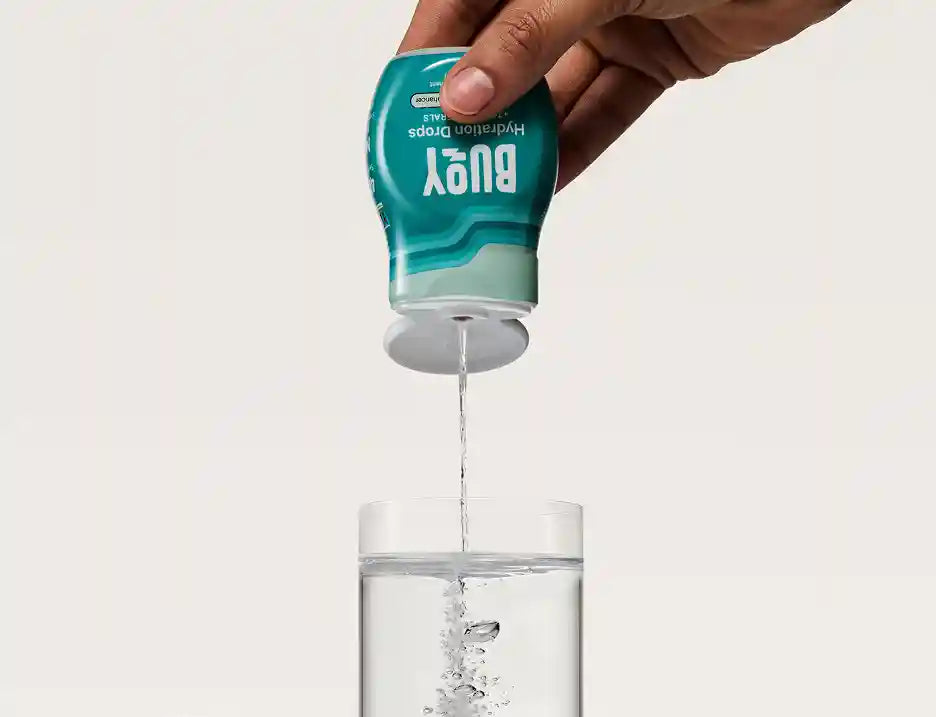
Use our Hydration Drops: Add into your water bottle ahead of training. It means you’re not only drinking water, you’re also supporting electrolyte restoration from the start.
-
Consider heat acclimation: Repeated exposures to hot conditions (10–14 days) improves sweating efficiency, electrolyte conservation and performance under heat stress
2. During the Session
-
Monitor sweat rate: For outdoor high-heat sessions, it’s common to lose 0.5–2.0 % of body mass in fluid. Multi-day exposures or long durations may push this higher.
-
Replace fluid and electrolytes during activity: For longer sessions (>60-90 min) in heat, aim to take drinks containing sodium and balanced electrolytes. Choose a drink that provides roughly 300-600 mg sodium per litre (adjust upward if heavy sweater).
-
Use Hydration Drops during breaks: Easily add to your bottle to maintain electrolyte levels without relying on high-sugar sports drinks.
- Temperature + humidity matter: When conditions are extremely hot or humid, your body can’t cool itself as efficiently, so you’ll need more fluids and electrolytes. Sweat becomes less efficient at cooling, so hydration strategy must compensate.
3. Post-Session Recovery
-
Assess fluid loss by weighing yourself pre/post session. For every 1 kg lost, aim to drink ~1.2–1.5L fluid over the next few hours. Replace electrolytes accordingly.
-
Use Hydration Drops in recovery fluids to support electrolyte restoration without excess sugar.
-
Don’t rely on plain water alone: too much water without electrolytes can dilute your body’s sodium levels, leading to fatigue or, in rare cases, low blood sodium (hyponatremia).
- Combine with foods high in potassium and magnesium (e.g., bananas, spinach, nuts) to support intracellular electrolyte recovery.
Targeting Electrolytes for Specific High-Risk Scenarios
Here are some modifications you can make to your standard routine if you’re exercising in higher risk situations:
Ultra-endurance or multi-hour outdoor events in heat:
-
Use a drink providing higher sodium (500–1000 mg per litre) depending on sweat losses and individual needs.
-
Include small amounts of potassium or magnesium through electrolyte drinks or food if your sweat losses are heavy or you’re training for several hours.
- Take electrolytes during your training to know your needs. Don’t wait for competition day.
Team sports with frequent breaks in hot conditions:
-
During short bursts of activity, ensure you start well hydrated and use breaks to sip electrolyte-enhanced fluids.
- Frequent short sessions may still accumulate electrolyte loss over a day, track the cumulative effect.
Sports with travel to hot climates, high altitudes or late-season heat waves:
-
Prioritize acclimation as early as possible.
-
At higher altitudes, the air is drier and you lose more fluid just by breathing, so you’ll need to hydrate more often
-
Increase baseline electrolyte intake slightly for the first few heat-exposed days.
- Rigidly use hydration strategy even on “lighter” training days, heat exposure accumulates.
Why Hydration Drops Make Sense For Outdoor Heat Training
Here’s how Hydration Drops fit into the strong science of heat and electrolytes:
-
Convenience: Easy to carry and add to your bottle. No sugary sports drink bottle required.
-
Balanced electrolyte profile: Helps cover sodium, potassium and supporting minerals, matching evidence showing multiple electrolytes matter, not just sodium alone.
-
Sugar-minimal: In outdoor/high-heat training you may already be managing carbohydrate intake; using a low-sugar electrolyte additive avoids excess calories and gut upset.
- Training-tested: Practising your hydration strategy in training helps your body handle heat better and reduces the risk of dehydration during competition.
Our Hydration Drops help translate the science into practical action so you don’t have to rely solely on generic sports drink bottles or simply “drinking when thirsty”.
Monitoring & Adjusting Your Strategy
-
Urine colour: Aim for a light lemonade shade. Darker urine post-session suggests inadequate rehydration.
-
Sweat rate charting: Track weight loss pre/post session to calculate litre per hour lost. Adjust your drinking and electrolyte plan accordingly.
-
Sweat sodium testing: Some athletes may benefit from patch/collection testing to personalise sodium needs. Research shows considerable inter-individual variability in sweat sodium concentrations.
-
Symptoms: Headache, dizziness, muscle cramps, or if sweating stops altogether, these can all indicate serious dehydration or heat stress and should not be ignored.
-
Environmental adjustment: On especially hot/humid days, increase fluid and electrolyte intake proactively rather than waiting.
- Training carry-over: Sessions in moderate heat build adaptation, reducing sweat sodium losses over time. Integrate heat exposure into your plan to make your body more efficient.
Common Mistakes and How to Avoid Them
-
Drinking only water in high-sweat sessions: Without sodium and other electrolytes you risk dilution and impaired fluid absorption.
-
Waiting until thirst strikes: By the time you feel thirsty you’re often already partially dehydrated, especially under heat stress.
-
Ignoring acclimation: Hydration strategy alone won’t offset lack of heat adaptation. Training the body to handle heat is part of the solution.
-
Over-hydrating without electrolytes: In rare cases this can lead to low plasma sodium (hyponatraemia) and serious outcomes. Use electrolytes when high sweat loss is expected.
-
Underestimating individual variation: Sweat rate and sweat sodium vary widely between athletes. Use your own training data to personalize.
-
Neglecting recovery days: Even lighter sessions in heat count for fluid and electrolyte loss, continue monitoring your hydration on those days too.
Summary & Action Plan
For athletes facing outdoor sports or high heat events, managing hydration and electrolytes is as important as training volume or strategy. Here’s your clear action plan:
-
Pre-hydrate with water + electrolytes
-
During heat or high-sweat sessions, drink regularly with electrolyte-enhanced fluids, guided by litre/hour losses.
-
Post session, recover with fluid + electrolyte replacement, weigh to assess losses and correct.
-
Use training to measure your sweat rate and sodium losses, so you can customize your intake.
-
Include heat acclimation in your calendar, both to improve performance and reduce electrolyte losses.
- Monitor your body (urine colour, body weight changes, symptoms) and environmental conditions and adjust strategy accordingly.
By approaching hydration as more than “just drink water,” and recognizing the critical role of sodium and other electrolytes under heat stress, you can protect performance, reduce risk of fatigue or heat-related illness, and maintain consistency throughout your outdoor/high-heat efforts.
References:
Shirreffs SM. Fluid and electrolyte needs for training, competition, and recovery. J Sports Sci. 2011;29(sup1):S39-46.
[1] Shirreffs S.M. Fluid and electrolyte needs for training, competition, and recovery. Journal of Sports Sciences. 2011. https://pubmed.ncbi.nlm.nih.gov/22150427/
[2] Baker L.B. Sweating rate and sweat sodium concentration in athletes: A review of methodology and intra and interindividual variability. Sports Medicine. 2017. https://pubmed.ncbi.nlm.nih.gov/28332116/
[3] Périard J.D., et al. Exercise under heat stress: thermoregulation, hydration and performance. Physiological Reviews. 2021. https://pubmed.ncbi.nlm.nih.gov/33829868/
[4] Esh C.J., et al. A review of elite athlete evidence based knowledge and preparation for competing in the heat. Sports Medicine Open. 2024. https://link.springer.com/article/10.1007/s42978-024-00283-y