





How to Add Electrolytes to Water
Have you ever felt like you drink water all day but still feel a little off, tired, or foggy? The missing piece might be electrolytes. Learning how to add electrolytes to water in a simple, safe way can make your hydration work harder for you. Drinking water is important, but water alone is not always enough.
Your body needs a balance of electrolytes like sodium, potassium, and magnesium to function well. These minerals support nerve signals, muscle contractions, and fluid balance. When they are in a good range, you tend to feel more steady, focused, and ready to move. When they drift out of balance, you may notice cramps, headaches, or low energy. Adding electrolytes to water is one practical way to support that balance each day.
When our electrolyte levels are perfectly balanced, we feel energized, our bodies operate more efficiently, and our cognitive function improves. However, maintaining this delicate balance can be a challenge, especially if we're engaging in intense physical activities, battling illness, or even just trying to get through a particularly busy day. That's where adding electrolytes to water comes in.
Essential Takeaways
- Adding electrolytes to water is more than a hydration hack; it's a comprehensive strategy for improved health, wellness, and performance. By ensuring optimal electrolyte balance, you're supporting critical bodily functions, enhancing your physical and mental capabilities, and promoting overall well-being.
- Electrolyte and mineral drops provide a quick, easy, and effective solution for incorporating electrolytes into your daily routine. These drops not only transform your water into a hydration powerhouse but also contribute to a balanced diet and a more energized, healthier you.
So, can you make your water even healthier by adding electrolytes? The answer is a resounding yes. But how do you do it? How can you maximize the benefits of hydration to support your overall health and wellbeing?
- How To Add Electrolytes To Water Step By Step
- Natural Ways To Add Electrolytes To Water At Home
- Understanding the Importance of Electrolytes in Water
- Benefits of Adding Electrolytes to Water
- Types of Electrolytes to Add to Water
- Choosing the Right Electrolyte Supplement
- Incorporating Electrolytes into Your Daily Routine
- Precautions and Considerations
We'll guide you through the process in this blog post.
How To Add Electrolytes To Water Step By Step
If you are wondering how to put electrolytes in water, the good news is that you have several easy options. You can keep it simple, use ready made products, or mix your own at home.
Use electrolyte and mineral drops
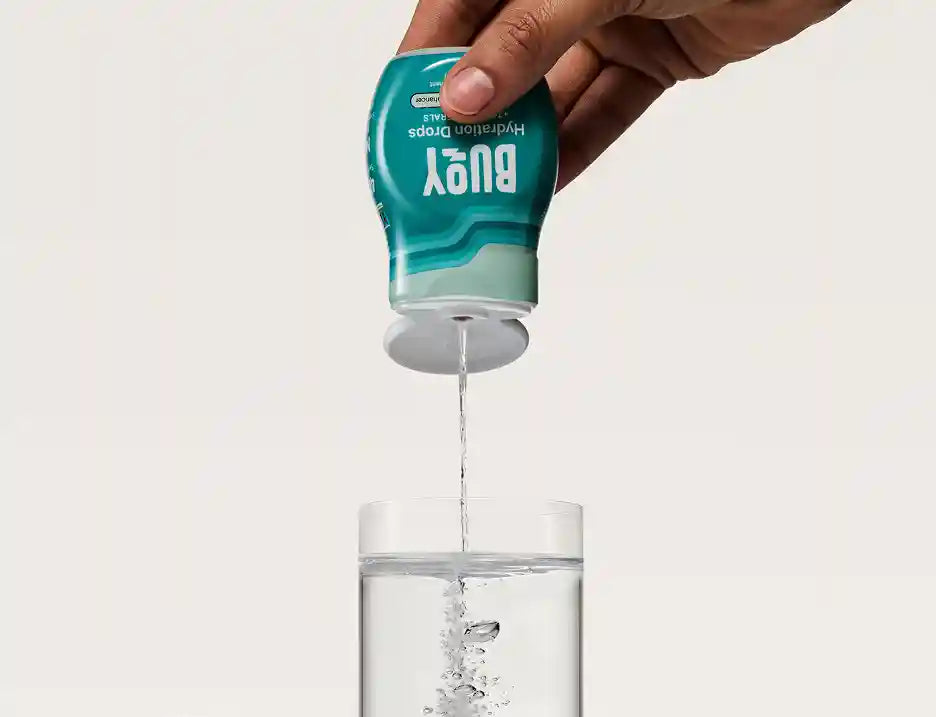
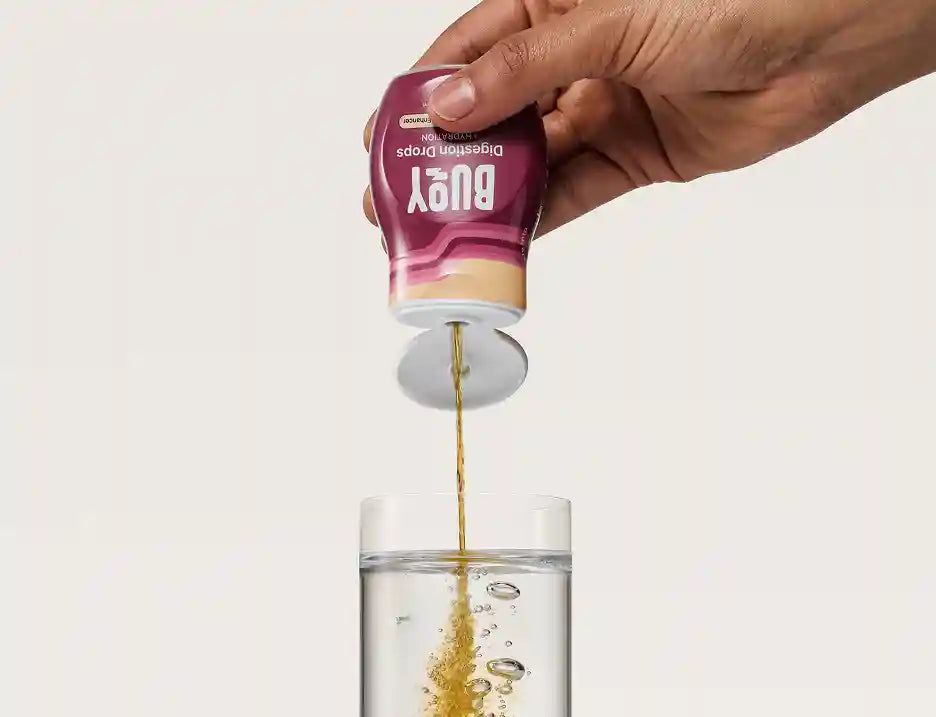
Add the suggested number of drops to a glass or bottle of water, then stir or shake. Drops like Buoy Hydration Drops are made to dissolve quickly and spread evenly so every sip contains electrolytes. This is one of the easiest ways to increase electrolytes in water without adding sugar or strong flavor.
Try electrolyte powders or tablets
Single serve packets and tablets are made to be mixed with a set amount of water. Follow the label directions, let the powder or tablet dissolve, and sip over time. Many of these products contain sodium, potassium, and sometimes magnesium [1][2].
Make a simple DIY electrolyte drink
At home, you can add a small pinch of mineral rich salt and a splash of citrus juice, such as lemon or lime, to your water. This adds a bit of sodium and potassium, along with flavor. It is not as precise as a measured product, but it can support hydration when you need something quick.
Add naturally rich liquids to your water
Mixing a small amount of coconut water or a low sugar fruit juice with plain water can add potassium and other minerals. Keep the portions modest so you are not taking in too much sugar at once.
Start with one method that fits your routine and notice how you feel. The goal is steady, comfortable hydration, not chasing a perfect formula.
Natural Ways To Add Electrolytes To Water At Home
If you prefer a more natural or food first approach, you can still add electrolytes to your water without relying only on packaged mixes.
Pinch of mineral salt
A small pinch of sea salt or another mineral rich salt can add sodium and trace minerals to water. Keep the amount small so the drink tastes lightly savory, not overly salty.
Citrus slices or juice
Lemon, lime, and orange slices do more than flavor your drink. They add small amounts of potassium and other minerals, plus a bit of vitamin C.
Cucumber or fruit infusions
Adding cucumber, berries, or melon to a water pitcher lets some minerals seep into the water over time. This will not match a high dose supplement, but it can support daily intake.
Coconut water cut with plain water
Coconut water contains potassium and small amounts of other electrolytes. Mixing a little with plain water can create a light, mineral rich drink that is less sweet.
These natural options work best when they sit on top of a varied, whole food diet. They add to your total intake, rather than replacing the need for balanced meals [1][3].
Understanding the Importance of Electrolytes in Water
Electrolytes are minerals that produce electrically charged particles or ions when dissolved in water. These ions assist with the body's hydration, nerve signals, muscle contractions, and pH balance (1).
Enhancing Hydration and Overall Bodily Function
Incorporating electrolytes into your water enhances hydration and supports overall wellness. It helps to replace what your body loses through sweat during exercise or as a result of illness, ensuring you stay properly hydrated and energized throughout the day (2).

Benefits of Adding Electrolytes to Water
Incorporating electrolytes into your water offers myriad benefits. Enhanced hydration helps prevent dehydration, which can lead to symptoms like fatigue, headaches, and muscle cramps. Additionally, it can boost your endurance during physical activity and assist in faster recovery afterward (2).
Improved Energy Levels and Overall Well-Being
Increased energy levels result from well-hydrated cells, leading to improved physical and mental performance. This enhanced performance can positively affect all areas of life, from an increased focus at work to more stamina during workouts (2).
Moreover, maintaining a balance of essential electrolytes aids in overall health and wellness. It's an easy but highly effective way to give your body what it needs to function optimally (1).
For people who sweat a lot during workouts, live in hot climates, or work active jobs, adding electrolytes to water can be especially helpful. It supports fluid balance and makes it easier for the body to replace what is lost in sweat [2][3]. Even on less active days, a small amount of electrolytes can help your hydration feel more stable than water alone.
Types of Electrolytes to Add to Water
There are several types of electrolytes you can add to your water. Sodium, one of the most well-known electrolytes, helps regulate water balance in cells and assists in nerve function. It also helps maintain blood pressure and supports muscle contractions.
Potassium, another vital electrolyte, aids muscle contractions, heart function, and also helps regulate fluid balance. It works in harmony with sodium to maintain a healthy balance in your body.
Magnesium supports muscle health, nerve function, and energy production. It also aids in the regulation of other nutrients, such as calcium and potassium, making it an essential part of any electrolyte supplement.
Calcium, while most known for its role in bone health, plays a vital role in muscle function, nerve transmission, and blood clotting. Each electrolyte plays a unique and crucial role in the body, so a balanced intake of all these is vital (1).
When you add electrolytes to water, you are usually working with a mix of these minerals in small amounts. The goal is balance. Too much of a single electrolyte, especially sodium or potassium, can cause issues. Using products that provide measured amounts or following simple recipes helps you stay within a safe and useful range [1].
Choosing the Right Electrolyte Supplement
With so many electrolyte options, it helps to know what to look for. A good product should support hydration without adding ingredients you do not want.
Focus on:
- a balanced mix of key electrolytes such as sodium, potassium, and magnesium
- little to no added sugar
- no artificial colors or heavy artificial flavors if you are sensitive to them
- a clear label with amounts per serving
- a form that fits your routine, such as drops, powders, or tablets
Buoy Hydration Drops: An Excellent Choice
Buoy’s electrolyte drops are designed to be added to almost any drink. You squeeze them into water, tea, juice, or smoothies, then give your drink a quick stir or shake. The drops are unsweetened and made to provide electrolytes and trace minerals without extra sugar or heavy flavor. That makes them easy to use throughout the day, whether you are at the gym, at your desk, or traveling.

Incorporating Electrolytes into Your Daily Routine
Adding electrolytes to your water can be simple once you attach it to habits you already have. Think about the drinks you reach for most days and where a small change would be easiest. Your goal is not perfection. It is building a routine that feels natural enough to stick with.
Then add this bullet list immediately after that new paragraph:
You might try:
- adding a squeeze of electrolyte drops to your first glass of water in the morning
- keeping a water bottle with electrolytes at your desk so you sip through the day
- mixing electrolytes into your workout bottle before exercise instead of only after
- using a light electrolyte drink when you are sick, especially if you are losing fluids
- bringing a small bottle of drops when you travel so you can mix them into airport or hotel water
Regularly consuming electrolyte-enriched water maintains a consistent electrolyte balance in your body, supporting your health and well-being. Over time, you’ll likely see improvements in your energy levels, physical performance, and overall mood (2).
Precautions and Considerations
While adding electrolytes to water typically has health benefits, moderation is key. Consuming too much of certain electrolytes, like sodium or potassium, can lead to imbalances or health problems.
Keep in mind that while electrolyte-enriched water is a supportive tool for hydration and overall health, it does not replace a balanced, nutritious diet (3).
If you already have a condition that affects your kidneys, heart, or blood pressure, or if you follow a very low sodium or special diet, take extra care with electrolyte products [1][3]. In those cases, it is especially important to check labels and talk with your healthcare provider about safe ranges for you.
Consulting a Healthcare Professional
If you have any health conditions or are on medication, consulting a healthcare professional before adding electrolyte supplements to your diet can be beneficial. They can provide personalized advice based on your unique health needs.
However, for most people leading a generally healthy lifestyle, introducing an electrolyte supplement like Buoy into a balanced diet should be safe and enhance their hydration and wellness.
Remember, if you experience any unusual symptoms after starting a new supplement, you should consult a healthcare professional immediately.
Key Takeaways
Incorporating electrolytes into your water is a simple but effective way to boost hydration, support optimal body function, and integrate healthy habits into your daily routine. Choosing high-quality supplements like Buoy Hydration Drops can make this process easier and more effective.
Unlocking Optimal Hydration and Wellness with Buoy
Adding electrolytes to water presents an effective way to optimize hydration, boost energy levels, and support overall wellness. Whether you're powering through an intense workout, navigating a busy workday, or simply looking to boost your hydration, Buoy's electrolyte drops offer a simple and efficient solution.
Don't wait to start enhancing your hydration and wellness. Explore the Buoy collection today, and transform every sip into an opportunity for improved health.

Learn More About Buoy Hydration Drops
FAQs
Do I need to add electrolytes to my water every day?
Not everyone needs added electrolytes every single day. Many people meet their basic needs through food and normal drinking habits [1][3]. You are more likely to benefit on days when you sweat a lot, spend time in the heat, or feel run down from illness. If you notice frequent headaches, cramps, or fatigue tied to long, active days, using an electrolyte product regularly may help. People with health conditions should check with their doctor before making big changes.
What is the best way to add electrolytes to water?
The best way is the one you will use consistently. Electrolyte and mineral drops are a simple choice because you can add them to almost any drink and adjust the amount to taste. Powders and tablets work well if you like flavored drinks and want a set serving size. A food first approach with small amounts of mineral salt, citrus, or coconut water can also support intake. Look for options that fit your routine, use clear labeling, and do not rely on large amounts of sugar [1][2].
Can I add electrolytes to tap water?
Yes. Most electrolyte products are made to mix safely with tap water, filtered water, or bottled water. The minerals in electrolyte drops or powders combine with the water you have, so you do not need a special base. If your local tap water has a strong taste, you might prefer to use filtered water for flavor reasons. The important thing is to follow the product directions so you are not using more than the suggested amount.
Does adding electrolytes to water really help with hydration?
Electrolytes help your body manage fluid balance, so they can support hydration, especially when you are losing fluid through sweat or illness [2][3]. They help your body hold onto water and move it where it needs to go. That said, electrolytes are not a replacement for drinking enough total fluid or for eating a balanced diet. Think of them as a helpful tool that works best alongside good daily habits.
Is it possible to get too many electrolytes from my water?
Yes. It is possible to consume too much of certain electrolytes, especially sodium or potassium, if you overuse supplements or drink very concentrated products all day. That is why it is important to follow serving directions and pay attention to how you feel. If you have kidney disease, heart problems, or are on medications that affect fluid or mineral balance, talk to your doctor before adding supplements. In most healthy adults, typical use within label guidelines is considered safe [1][3].
References:
- Healthline. (2019). Electrolytes: Functions, Imbalance, and Sources. Retrieved from https://www.healthline.com/nutrition/electrolytes
- Shirreffs, S.M., et al. (2004). Fluid and Electrolyte Needs for Preparation and Recovery from Training and Competition. Journal of Sports Sciences, 22(1), pp. 57–63. Retrieved from https://www.tandfonline.com/doi/abs/10.1080/0264041031000140572
- Popkin, B. M., D'Anci, K. E., & Rosenberg, I. H. (2010). Water, Hydration and Health. Nutrition Reviews, 68(8), 439–458. Retrieved from https://www.ncbi.nlm.nih.gov/pmc/articles/PMC2908954/