







Electrolytes Benefits: 11 Ways They Support Your Body
Electrolytes do much more than replace minerals after a sweaty workout. These electrically charged minerals help regulate fluid balance, transmit nerve signals, support muscle contractions, and facilitate several other basic functions your body relies on every day.¹
Part of maintaining better hydration starts with understanding when your needs may change. Exercise, heat, illness, diet, and certain medications can all affect fluid and electrolyte balance.
We’ll explain various electrolyte benefits, how they work, and when it may make sense to add an electrolyte drink or supplement to your routine.
Key Takeaways
- Electrolytes have different jobs. Sodium, potassium, chloride, magnesium, calcium, phosphate, and bicarbonate each contribute to normal physiological functions.¹
- Hydration is closely tied to electrolyte balance. Electrolytes help regulate where fluid is distributed throughout the body.
- Exercise can increase electrolyte losses. Sweat contains both water and minerals, particularly sodium and chloride.
- More is not automatically better. Both high and low electrolyte levels can create problems.
- Food and beverages both provide electrolytes. Supplements are one option when needs or fluid losses increase.
We’ll explain various electrolyte benefits, how they work, and when it may make sense to add an electrolyte drink or supplement to your routine.
- Defining Key Electrolytes
- 11 Electrolytes Benefits and Their Roles in the Body
- Do Electrolytes Help With Energy?
- Is It Beneficial to Take Electrolytes Daily?
- Electrolytes Benefits: How Do You Tell If You Need More Electrolytes?
- Food vs. Electrolyte Drinks: Where Should Electrolytes Come From?
- Electrolyte Powder vs. Liquid Drops
- Electrolyte Benefits: How to Get the Most from Your Hydration Routine
Defining Key Electrolytes
Electrolytes are minerals that carry an electrical charge when dissolved in body fluids such as blood. Major electrolytes include sodium, potassium, chloride, magnesium, calcium, phosphate, and bicarbonate.¹
Their electrical properties allow them to support fluid balance and muscle function.
What Does Each Electrolyte Do?
Although they are often discussed as one group, individual electrolytes have distinct roles.
|
Electrolyte |
What It Does in the Body |
|
Sodium |
Helps regulate extracellular fluid balance; also supports nerve and muscle function |
|
Potassium |
Supports normal cell, nerve, and muscle function |
|
Chloride |
Works with other electrolytes in fluid and acid-base balance |
|
Calcium |
Contributes to muscle contraction, nerve transmission, and bone structure |
|
Magnesium |
Helps facilitate normal muscle and nerve function, also helps convert nutrients into energy |
|
Phosphate |
Contributes to bone structure, cellular processes, and energy metabolism |
|
Bicarbonate |
Helps regulate acid-base balance |
These functions overlap, but one electrolyte cannot simply replace another.
11 Electrolytes Benefits and Their Roles in the Body
1. Support Hydration and Fluid Balance
One of the main benefits of electrolytes is their role in regulating fluid balance. Sodium is the primary positively charged ion in extracellular fluid, while potassium is concentrated inside cells.¹
The body carefully regulates these concentrations because water moves between compartments in response to electrolyte levels.
This relationship becomes particularly relevant when you lose both fluids and minerals through sweat, illness, or other causes.
For more on what adequate fluid intake does throughout the body, read about the surprising benefits of hydration.
2. Support Normal Muscle Function
Muscle contraction relies on electrical and chemical signals involving several electrolytes.
Sodium and potassium help generate electrical activity in muscle cells, calcium contributes directly to contraction, and magnesium supports normal muscle function.¹
Electrolyte imbalance can interfere with these processes. However, muscle cramps can have several causes, so they should not automatically be attributed to low electrolytes.
3. Help Nerves Send Signals
Your nervous system communicates through electrical impulses.
Sodium and potassium moving across cell membranes are fundamental to the action potentials that allow nerve cells to transmit signals.¹
Maintaining normal electrolyte levels therefore helps support basic nervous system function throughout the body.
4. Support Hydration During Exercise
Exercise can increase fluid and electrolyte losses through sweat. This becomes more important during longer workouts and activity performed in hot conditions.
Research suggests that dehydration reaching roughly 2% or more of body mass can increase cardiovascular and thermoregulatory strain and impair aerobic performance in many exercise settings.²
Electrolyte replacement becomes more relevant when exercise produces substantial sweat loss.
You can read more in electrolytes for athletes.
5. Help Replace Minerals Lost Through Sweat
Sweat contains both water and electrolytes. Sodium and chloride are generally lost in the largest amounts, although individual sweat rates and sweat sodium concentrations vary considerably.
Replacing fluid helps address the water loss. During prolonged sweating, electrolyte-containing foods or drinks can also help replace minerals lost alongside that fluid.
The amount needed depends on factors such as exercise duration, temperature, and individual sweat losses.²
6. Contribute to Blood Pressure Regulation
Sodium and potassium both play important roles in blood pressure regulation.
Potassium intake has been studied extensively in this context. A meta-analysis of 32 randomized controlled trials found a nonlinear relationship between potassium supplementation and blood pressure, with effects influenced by sodium intake, baseline potassium intake, and hypertension status.⁴
That is also why simply taking more potassium is not appropriate for everyone.
7. Help Maintain Acid-Base Balance
Your body tightly regulates blood pH.
Bicarbonate, chloride, sodium, and potassium all participate in systems that help maintain normal acid-base balance.¹ The kidneys and lungs carry out much of this regulation.
Electrolytes support these normal processes, but consuming more electrolytes does not “alkalize,” cleanse, or detox the body.
8. Contribute to Normal Energy Metabolism
Certain electrolytes participate in biochemical processes involved in energy metabolism.
Magnesium, for example, is involved in ATP-dependent reactions throughout the body.¹ Phosphate is also an important component of ATP, the molecule cells that are used to transfer energy.
Electrolytes themselves do not provide calories, so they should not be treated as a direct source of energy.
9. Support Normal Brain Function
The brain relies on normal fluid and electrolyte balance for nerve signaling.
Sodium and potassium are particularly important for the electrical activity of neurons. Dehydration may also affect some aspects of cognitive performance, although results vary depending on the severity of dehydration and the task being measured.
A systematic review found clearer evidence for hydration improving subsequent physical performance after dehydration than for consistent cognitive improvements.³
10. Magnesium Is Involved in Sleep Physiology
Magnesium supports normal nervous system and muscle function, and has been studied for a possible relationship with sleep.
Evidence for supplementation remains limited. A meta-analysis of three randomized controlled trials involving 151 older adults with insomnia found a shorter sleep-onset time with magnesium supplementation, but the overall quality of evidence was rated low to very low.⁵
Electrolyte supplements should not be presented as a proven treatment for poor sleep, but they can help with internal metabolic processes and body functions.
11. Support Normal Cardiovascular Function
Several electrolytes are involved in the electrical and muscular activity of the heart.
Sodium and potassium contribute to electrical signaling, while calcium and magnesium also participate in normal muscle function.¹
Because the heart depends on tightly regulated electrolyte concentrations, serious imbalances can affect heart rhythm and require medical attention.
Do Electrolytes Help With Energy?
Electrolytes support processes involved in normal energy metabolism, but they are not stimulants.
Magnesium participates in ATP metabolism, while sodium and potassium support normal nerve and muscle activity.¹ If dehydration or significant electrolyte loss is contributing to how you feel, replacing fluid and lost minerals may help restore normal hydration.
Is It Beneficial to Take Electrolytes Daily?
A varied diet and normal fluid intake can provide electrolytes for many healthy people. Additional electrolyte intake may become more useful when losses increase through prolonged sweating or exercise.
People with certain medical conditions or medications may also have different electrolyte requirements.
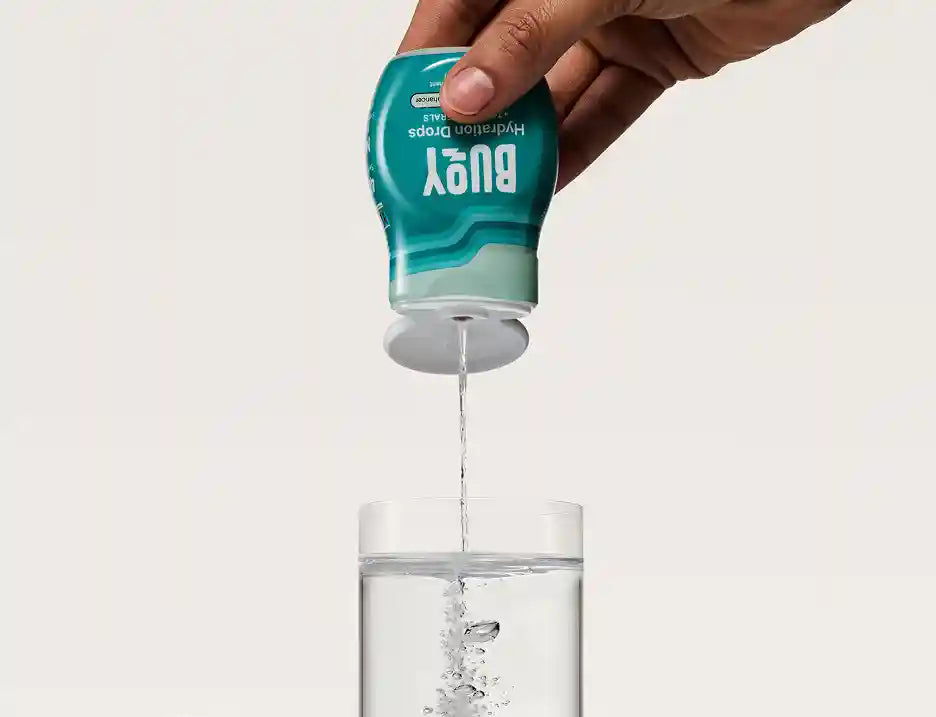
If you prefer adding electrolytes to drinks throughout the day, Buoy Hydration Drops are an unflavored liquid option with no sugar or sweeteners.
Are There Benefits to Drinking Electrolytes in the Morning?
You naturally go several hours without drinking while you sleep, so having fluids in the morning can help you begin replenishing what was lost overnight. Electrolytes may also make sense in the morning if you are about to exercise or already have higher fluid and electrolyte needs.
For most people, the more important question is whether electrolyte intake fits their overall hydration needs.
Learn more about the best time to drink electrolytes.
Electrolytes Benefits: How Do You Tell If You Need More Electrolytes?
You cannot determine an exact electrolyte level based on how you feel alone.
Situations that may increase fluid and mineral losses include:
- Heavy or prolonged sweating
- Vomiting or diarrhea
- Extended exercise
- Exposure to high heat
Certain medications and medical conditions can also alter electrolyte balance.
If you have symptoms that suggest an electrolyte problem, blood testing is the appropriate way to determine which electrolyte is affected and whether it is too high or too low.
Signs of an Electrolyte Imbalance
An electrolyte imbalance occurs when the concentration of one or more electrolytes becomes too high or too low.
Possible symptoms vary considerably but may include:
- Weakness or fatigue
- Nausea
- Muscle problems
- Confusion
- Numbness or tingling
- Changes in heart rhythm
Symptoms alone cannot identify which electrolyte is abnormal. Significant confusion, seizures, collapse, or an abnormal heartbeat can signal a serious problem and require medical attention.
For more detail, read Buoy's guide to symptoms of electrolyte imbalance.
What Are Normal Electrolyte Levels?
Electrolyte levels can be measured with a blood test. Each electrolyte has its own reference range, and the exact ranges used can vary somewhat between laboratories.
According to UMass Memorial Health⁶, typical adult blood ranges include:
|
Electrolyte |
Typical Adult Blood Range |
|
Potassium |
3.5–5 mEq/L |
|
Chloride |
96–106 mEq/L |
|
Sodium |
136–145 mEq/L |
|
Bicarbonate |
23–28 mEq/L |
These values represent blood concentrations, not recommended amounts to consume in an electrolyte drink.
Your healthcare provider should interpret test results using the reference range supplied by the laboratory and your individual health history.
Read more about whether you can have too many electrolytes.
Food vs. Electrolyte Drinks: Where Should Electrolytes Come From?
Whole foods provide substantial amounts of many important electrolytes, while electrolyte drinks can offer a convenient way to replace minerals alongside fluids.
|
Source |
What It Provides |
When It May Fit |
|
Whole foods |
Electrolytes plus protein, carbohydrates, vitamins, and other nutrients |
Everyday nutrition |
|
Plain water |
Fluid, but little electrolyte replacement in most drinking water |
Routine hydration when losses are low |
|
Electrolyte drinks |
Fluid plus defined amounts of electrolytes |
Increased sweat or fluid losses |
|
Electrolyte supplements |
Concentrated electrolytes added to another drink |
Convenience or individualized hydration routines |
|
Oral rehydration solution |
Specific glucose-electrolyte formulation |
Certain medical rehydration situations |
For everyday hydration, some people simply prefer electrolyte products without added sugar.
Electrolyte Powder vs. Liquid Drops
Powders and liquid drops can both provide electrolytes effectively. One format is not automatically absorbed faster simply because it starts as a liquid. Here are some of the practical differences.
Electrolyte Powders
Powders are generally mixed into a specific amount of water. Formulas vary widely in sodium, other electrolytes, carbohydrates, sugar, sweeteners, and flavor.
They can be useful when you want a dedicated electrolyte drink with a defined serving.
Liquid Electrolytes
Liquid drops can be added directly to an existing beverage. This format can be useful for people who want flexibility or prefer to avoid another flavored drink.
Buoy Hydration Drops, for example, are purposefully unflavored and can be added to water or other beverages without adding sugar or sweeteners.
Electrolyte Benefits: How to Get the Most from Your Hydration Routine
Start with the basics. Eat a varied diet, drink enough fluids, and pay attention to situations that increase water and mineral losses. If you are sweating heavily or replacing substantial fluid losses, an electrolyte drink may be useful alongside normal food and water intake.
An electrolyte supplement can also make sense when convenience helps you stay consistent.
Buoy's liquid electrolyte format is designed to be added directly to drinks throughout the day. If you want to compare available options, explore Buoy's hydration supplements.
The goal is to maintain enough fluid and the right mineral balance for your individual needs.
References
¹Martinez, L. C., Khan, S. F., & Bowman, B. T. (2020). Approach to electrolyte abnormalities, prerenal azotemia, and fluid balance. Primary Care: Clinics in Office Practice, 47(4), 555–569. Retrieved from https://pubmed.ncbi.nlm.nih.gov/33121628/
²Kenefick, R. W. (2018). Drinking strategies: Planned drinking versus drinking to thirst. Sports Medicine, 48(Suppl 1), 31–37. Retrieved from https://pubmed.ncbi.nlm.nih.gov/29368181/
³McCartney, D., Desbrow, B., & Irwin, C. (2017). The effect of fluid intake following dehydration on subsequent athletic and cognitive performance: A systematic review and meta-analysis. Sports Medicine - Open, 3(1), 13. Retrieved from https://pubmed.ncbi.nlm.nih.gov/28316054/
⁴Filippini, T., Naska, A., Kasdagli, M. I., Torres, D., Lopes, C., Carvalho, C., Moreira, P., Malavolti, M., Orsini, N., Whelton, P. K., & Vinceti, M. (2020). Potassium intake and blood pressure: A dose-response meta-analysis of randomized controlled trials. Journal of the American Heart Association, 9(12), e015719. Retrieved from https://pubmed.ncbi.nlm.nih.gov/32500831/
⁵Mah, J., & Pitre, T. (2021). Oral magnesium supplementation for insomnia in older adults: A systematic review & meta-analysis. BMC Complementary Medicine and Therapies, 21, 125. Retrieved from https://pubmed.ncbi.nlm.nih.gov/33865376/
⁶UMass Memorial Health. (n.d.). Electrolytes. Retrieved from https://www.ummhealth.org/health-library/electrolytes