





Fact vs. Myth: Does Salt Dehydrate You?
Salt has long been blamed for dehydration, but the reality is more nuanced. While eating salty foods can make you feel thirsty, salt itself does not directly cause dehydration.
Sodium is an essential electrolyte that helps regulate fluid balance, nerve function, and how water moves in and out of your cells.¹ In fact, the right amount of sodium can actually support hydration, especially when combined with adequate fluid intake.
Key Takeaways
- Salt does not directly dehydrate you. It helps regulate fluid balance.
- Sodium is essential for hydration, especially during sweating or exercise.
- Too much or too little sodium can disrupt hydration levels.
- Thirst after salty foods is a normal response, not dehydration.
- Balanced electrolyte intake supports better hydration than water alone.
We’ll break down the science behind sodium and hydration. We’ll also answer the question “does salt dehydrate you?”, and explain when salt can help or harm your hydration levels.
- Quick Answer: Does Salt Dehydrate You?
- Unraveling the Sodium-Dehydration Connection
- How Sodium Affects Hydration
- Sodium’s Vital Role in Hydration
- How Sodium Affects Water Absorption
- Sodium’s Link to Fluid Retention
- Sodium’s Role in Athlete Hydration
- Debunking Dehydration Myths
- The Importance of Balance: Sodium and Hydration
- Health Conditions and Sodium Sensitivity
- Sodium Moderation and Overall Hydration Strategy
- The Final Drop: Mastering Your Hydration Game with Sodium
- How Buoy Fits Into Your Hydration Routine
- Support for Ongoing Health Needs
Quick Answer: Does Salt Dehydrate You?
No, salt does not directly dehydrate you.
- Salt can make you feel thirsty, but this is your body signaling you to restore balance.
- Sodium actually helps your body retain and use fluids effectively.
- Dehydration occurs when you lose more fluid than you replace, not simply from consuming salt.
Salt can contribute to dehydration only if consumed in excess without enough water, but in normal amounts, it plays a key role in maintaining hydration.

Unraveling the Sodium-Dehydration Connection
Before we jump to conclusions, it's crucial to understand what sodium is and how it functions in our body. Sodium is an essential mineral and a primary electrolyte involved in various physiological processes, including fluid balance.¹
Sodium helps regulate how much water is in and around your cells. So, it's not just about making you thirsty or retaining water. Sodium is crucial for keeping your body hydrated at a cellular level.
How Sodium Affects Hydration
Sodium plays a central role in maintaining fluid balance in the body. It helps regulate how much water is retained in the bloodstream and how fluids move between cells.¹
Without enough sodium, your body struggles to retain water effectively, which can lead to symptoms like fatigue, dizziness, and low energy.
|
Function |
Role of Sodium |
|
Fluid balance |
Helps retain water in the bloodstream |
|
Cellular hydration |
Regulates fluid movement in and out of cells |
|
Nerve function |
Supports electrical signaling |
|
Muscle function |
Prevents cramping and fatigue |
Discover what the four key electrolytes are to understand how to maintain hydration balance.
Sodium’s Vital Role in Hydration
Sodium works closely with other electrolytes like potassium and chloride to maintain the right fluid balance within and outside our cells. By doing this, sodium plays an indispensable role in ensuring that our cells are adequately hydrated.
It also plays a crucial role in nerve function, muscle contractions, and various other cellular activities that require a precise fluid balance.¹
Learn more about the role of electrolytes in What Are Electrolytes Good For?.
How Sodium Affects Water Absorption
Sodium influences what scientists call osmolarity, or the balance of water and other substances in your body fluids.³ When sodium levels change, the osmolarity changes too, and that affects how water moves in and out of cells.
So, in a way, sodium is the gatekeeper for your cells' hydration.
Sodium’s Link to Fluid Retention
If you eat a lot of salty food or have too much sodium, you might notice you feel a bit bloated. That’s because your body is temporarily holding onto water. But this isn’t the same as long-term dehydration. These are short-term changes that resolve themselves once your body gets back into balance.

Sodium’s Role in Athlete Hydration
If you're an athlete or you just love hitting the gym, listen up. For athletes or anyone engaging in intense physical activities, sodium is crucial.
Sweat not only removes water from your body, it also removes electrolytes, including sodium. Replenishing these lost minerals is essential for preventing muscle cramps and maintaining optimal performance.²
When Salt Helps Hydration
Salt can actually improve hydration in several situations:
- During exercise or sweating
- In hot or humid environments
- When experiencing fluid loss (illness, dehydration)
- For conditions like POTS or low blood pressure
In these cases, sodium helps replace lost electrolytes and improves fluid absorption.²
Debunking Dehydration Myths
Eating salt or consuming sodium doesn't directly dehydrate you. What it does is temporarily shift the fluid balance, which your body is pretty good at correcting on its own. Consuming sodium within recommended levels, especially when coupled with adequate water intake, generally maintains a healthy fluid balance.
When Salt Can Contribute to Dehydration
While salt doesn’t directly cause dehydration, it can contribute under certain conditions:
- Consuming very high sodium without enough water.
- Following a diet high in processed foods.
- Developing certain health conditions (kidney or cardiovascular issues).
|
Situation |
Impact on Hydration |
|
Excess sodium + low water |
Increased thirst, temporary imbalance |
|
High processed food intake |
Fluid retention, bloating |
|
Low sodium intake |
Poor hydration, fatigue |
The Importance of Balance: Sodium and Hydration
Balance is key when it comes to sodium. It's about finding that sweet spot where you’re hydrated without retaining excess water. To help maintain this balance, consider Buoy Hydration Drops, formulated with a balanced blend of sodium and essential electrolytes.
Adverse Effects of Excessive Sodium
Sodium is essential, but excessive intake, especially over time, can have adverse effects, including:
- High blood pressure
- Heart disease
- Kidney function issues
- Bloating and water retention
- Osteoporosis
- Imbalance of electrolytes
Consume sodium in moderation to avoid these potential health issues.
Signs of Too Much or Too Little Sodium
Too much sodium in your diet can contribute to:
- Thirst
- Bloating
- Fluid retention
- Headaches³
On the other hand, consuming too little sodium in your diet can cause:
- Fatigue
- Dizziness
- Muscle cramps
- Brain fog
The Benefits of Whole Foods
Aim to consume sodium from whole foods like fruits, vegetables, and lean meats rather than processed foods high in added salt. Keep an eye on your sodium intake, and you'll be doing your body a favor.
Low Sodium: An Overlooked Risk
While excess sodium is harmful, low levels are equally dangerous and can lead to serious health complications.
Gain a deeper understanding of the risks associated with low sodium levels and preventative measures.
Health Conditions and Sodium Sensitivity
Keep in mind that some people are more sensitive to sodium due to health conditions like high blood pressure, kidney disease, heart failure, liver cirrhosis, and certain types of diabetes.³
If you have any of these conditions, your relationship with sodium might be more complicated, and it could affect your hydration more than the average person. Always check with your healthcare provider for personalized advice.
Sodium Moderation and Overall Hydration Strategy
Incorporating sodium into your hydration strategy involves more than just monitoring your salt shaker. Consider hydration solutions that offer balanced electrolytes to help you maintain optimal fluid levels throughout the day.
Opt for Whole Foods
Opting for whole foods that naturally contain sodium is a healthier alternative to processed foods laden with added salt. Here are some whole food options rich in sodium and other essential nutrients:
- Vegetables: Beet greens, Swiss chard, and celery
- Fruits: Cantaloupe and oranges (also good for hydration due to their water content)
- Seafood: Oysters, mussels, and clams
- Meats: Turkey, chicken, and lean cuts of pork
- Dairy: Cottage cheese and plain yogurt
- Legumes: Chickpeas and navy beans
- Nuts and Seeds: Sunflower seeds and almonds¹
By incorporating these sodium-rich whole foods into your diet, you're not just keeping an eye on your sodium intake. You're nourishing your body with a host of other vital nutrients as well.
The Reality of Everyday Life: When Whole Foods Aren't Enough
While whole foods are a great source of natural sodium and other essential nutrients, let's face it: our hectic lifestyles may not always allow for home-cooked meals or even well-planned snacks. Time constraints, availability, and convenience often get in the way.
Choose the Right Electrolyte Supplement for You
That's where high-quality electrolyte supplements like Buoy come in. Formulated with a balanced blend of essential electrolytes, Buoy’s electrolyte and mineral drops offer a convenient way to maintain optimal hydration and sodium levels on the go.
The Role of Specialized Hydration Products
Proper hydration isn't just about drinking lots of water. It also involves having the right mix of minerals like sodium. Using specialized hydration products like Buoy Hydration Drops can help you conveniently achieve this balance.
The Importance of Comprehensive Hydration
Understanding the role of sodium in your overall hydration strategy empowers you to make more informed choices. So whether it's through whole foods or trusted supplements like Buoy, staying hydrated and healthy has never been easier.
The Final Drop: Mastering Your Hydration Game with Sodium
While too much sodium can make you hold onto water briefly, it's actually important for keeping your body's cells hydrated. The goal is to have the right amount, not too much or too little.
It's worth noting that your body knows how to keep itself in check. You just have to give your body what it needs.
Take Control of Your Hydration Today
You've seen how sodium isn't just about flavor; it's a vital component in your overall health and hydration. Achieving that perfect balance can be tricky.

How Buoy Fits Into Your Hydration Routine
Staying consistently hydrated isn’t just about drinking more water. It’s about maintaining the right balance of fluids and electrolytes.
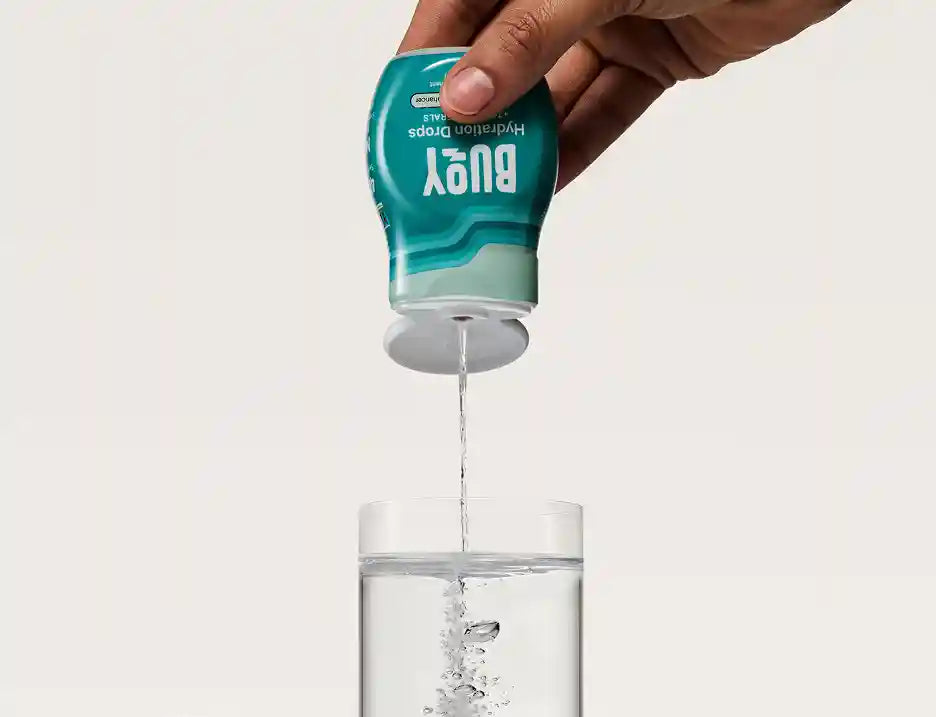
Buoy Hydration Drops are a liquid electrolyte formula designed to support hydration in a flexible, easy-to-use format.
The formula includes:
- Electrolytes such as sodium, potassium, and chloride, which help support fluid balance
- Trace minerals that support cellular function
- An unflavored format that can be added to water, coffee, tea, or other beverages
Because they contain no sugar, sweeteners, or added flavors, they can be used throughout the day without affecting taste or dietary preferences.
Note: This product is not intended to treat medical conditions or replace medical care, but may support hydration as part of a broader wellness routine.
What Makes Buoy Different
✓ No sugar, sweeteners, or flavors
✓ Unflavored (add to any drink)
✓ 87+ ionic trace minerals
✓ Designed for flexible, daily use
✓ Third-party tested
Support for Ongoing Health Needs
For those with higher hydration needs, consistency matters. Buoy offers a Chronic Illness Support Program designed to make long-term hydration more accessible.

Learn more about the Chronic Illness Support Program (35% off for life).
References
¹Rodriguez-Sanchez, N., & Galloway, S. D. R. (2023). A randomised trial to assess fluid and electrolyte balance responses following ingestion of different beverages in young and older men. European Journal of Applied Physiology, 123, 2109–2122. https://pmc.ncbi.nlm.nih.gov/articles/PMC10492686/
²ClinicalTrials.gov. (2018). Effects of Salt on Serum Osmolarity and Hemodynamics Parameters. Koç University. Retrieved from https://clinicaltrials.gov/ct2/show/NCT03314727
³Harvard T. H. Chan School of Public Health: The Nutrition Source. Salt and Sodium. Retrieved from https://nutritionsource.hsph.harvard.edu/salt-and-sodium/