





Electrolytes and Weight Loss: Does Hydration Help?
Electrolytes help regulate hydration, muscle function, nerve signaling, and energy production. While electrolytes do not directly cause fat loss, maintaining proper hydration and electrolyte balance may support healthy weight-management habits, including exercise performance, recovery, and appetite awareness.¹
Key Takeaways
- Electrolytes support hydration, muscle function, and energy production.¹
- Electrolytes do not directly burn fat, but proper hydration may support healthy weight-management habits.²
- Hydration may help support appetite awareness, exercise recovery, and daily energy.³
- Electrolytes lost through sweat should be replenished during periods of exercise, heat exposure, or illness.
- Sugar-free electrolyte support may help maintain hydration without unnecessary added sugars.
Even mild dehydration may contribute to fatigue, cravings, and reduced physical performance. Because of this, hydration often plays a larger role in overall wellness than many people realize.
- What Are Electrolytes?
- How Electrolytes and Weight Loss Are Connected
- Common Myths About Electrolytes and Weight Loss
- Can Electrolytes Help You Lose Weight?
- The Role of Hydration in Appetite and Energy
- Electrolytes and Exercise Recovery
- Electrolytes vs. Sugary Sports Drinks
- How Buoy Supports Daily Hydration
- Hydration and Wellness Starts With Consistency
What Are Electrolytes?
Electrolytes are minerals that help regulate fluid balance, muscle contractions, nerve signaling, and cellular hydration. The four main electrolytes include sodium, potassium, magnesium, and calcium.
|
Electrolyte |
Main Role |
Common Sources |
|
Sodium |
Fluid balance |
Sea salt, broth |
|
Potassium |
Muscle and nerve function |
Bananas, potatoes |
|
Magnesium |
Energy production |
Nuts, legumes |
|
Calcium |
Muscle contractions |
Dairy, leafy greens |
When electrolyte levels become imbalanced, the body may struggle to maintain proper hydration, especially during exercise, illness, heat exposure, or increased sweating.
How Electrolytes and Weight Loss Are Connected
Electrolytes and weight loss are connected primarily through hydration and physical performance, not direct fat burning.²
Hydration supports several systems involved in overall wellness, including:
- Exercise endurance
- Muscle recovery
- Fluid balance
- Energy production
- Appetite awareness
Research suggests hydration status may influence satiety and energy intake patterns. Electrolytes help the body absorb and retain fluids efficiently, supporting hydration throughout the day. Learn about the impact of balanced electrolyte hydration.
|
Hydration Factor |
Potential Benefit |
|
Fluid balance |
Supports hydration levels |
|
Exercise recovery |
Helps replace minerals lost through sweat |
|
Appetite awareness |
May help reduce thirst-related cravings |
|
Energy support |
Supports normal cellular function |
Common Myths About Electrolytes and Weight Loss
Myth 1: Electrolytes Directly Burn Fat
Electrolytes do not directly cause fat loss. However, they support hydration, exercise performance, and energy production, which may support healthy weight-management habits.²
Myth 2: Only Athletes Need Electrolytes
Electrolytes are important for everyone, not just athletes. Your body relies on minerals like sodium, potassium, and magnesium for hydration, muscle function, and nerve signaling.
Myth 3: Hydration Does Not Affect Weight Management
Hydration plays a role in appetite awareness, physical performance, and recovery. Some people may also mistake thirst for hunger.³
Myth 4: Sports Drinks Are the Only Way To Replenish Electrolytes
Many sports drinks contain added sugars and excess calories. Some people prefer sugar-free electrolyte support for everyday hydration.
Can Electrolytes Help You Lose Weight?
Electrolytes do not directly cause weight loss. Sustainable weight management still depends on nutrition, movement, sleep, and long-term lifestyle habits.
However, maintaining proper hydration and electrolyte balance may indirectly support healthy wellness routines.
Supporting Hydration
Electrolytes help regulate how fluids move throughout the body. Staying hydrated may help support physical performance and appetite awareness.¹
Supporting Exercise Performance
Electrolytes are lost through sweat during physical activity. Replenishing electrolytes may help support muscle function and recovery after exercise.
Supporting Daily Energy
Hydration supports many normal body processes related to physical and cognitive performance. Even mild dehydration may contribute to fatigue and reduced concentration.
The Role of Hydration in Appetite and Energy
Hydration plays a role in energy balance and physical performance. Some people may mistake thirst for hunger, which can contribute to unnecessary snacking. You can also explore signs of electrolyte deficiency.
Even mild dehydration may affect:
- Energy levels
- Exercise performance
- Concentration
- Mood
- Recovery
|
Possible Sign of Dehydration |
Why It Matters |
|
Fatigue |
May reduce activity levels |
|
Muscle cramps |
Can occur with fluid imbalance |
|
Headaches |
Common hydration-related symptom |
|
Dry mouth |
Early hydration warning sign |
|
Cravings |
Thirst may sometimes mimic hunger |
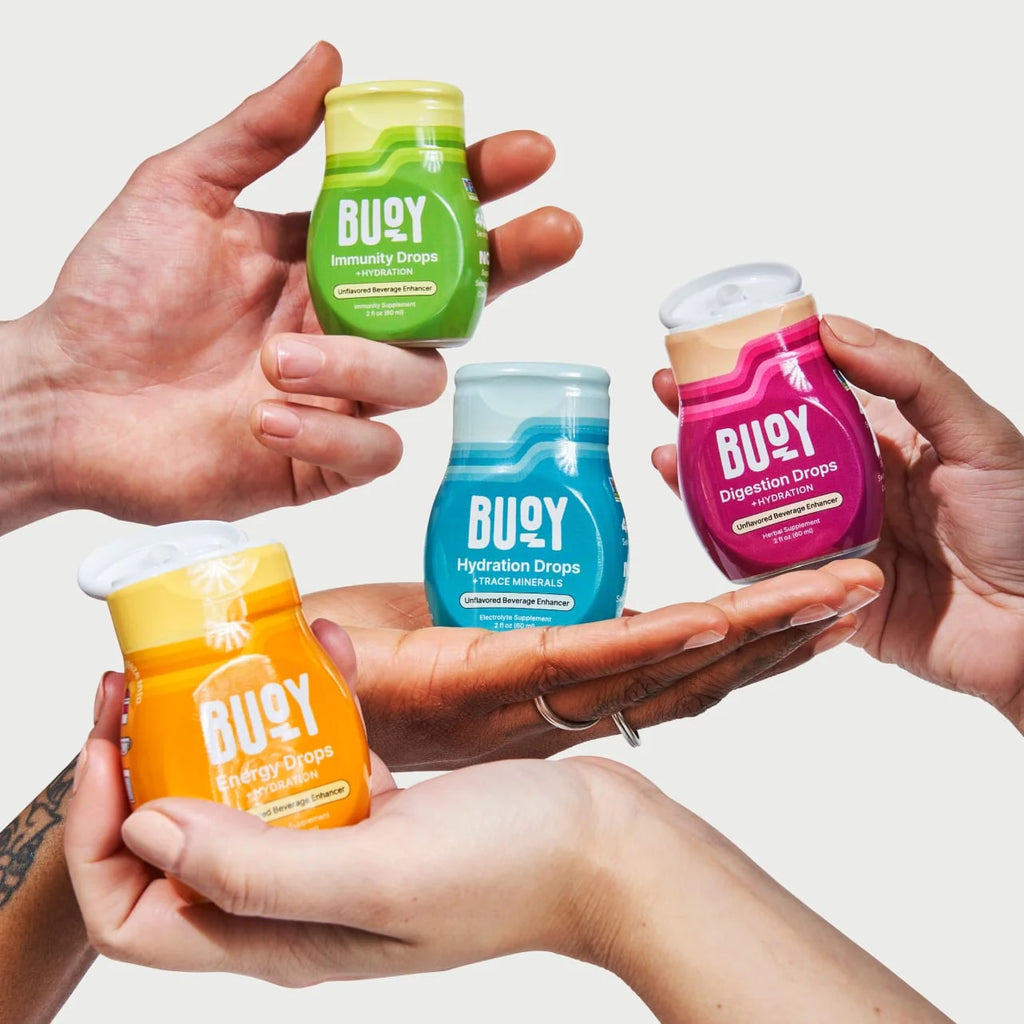
Why choose just one? Optimize your hydration with the Liquid Electrolyte Variety Pack from Buoy.
Electrolytes and Exercise Recovery
Exercise increases fluid and electrolyte losses through sweat. Replenishing electrolytes may help support hydration and recovery, particularly during longer workouts or hot-weather activity.
Key electrolytes involved in exercise recovery include:
- Sodium for fluid balance
- Potassium for muscle function
- Magnesium for energy production
- Calcium for muscle contractions
Hydration can be an important part of maintaining consistent wellness and fitness routines.
Electrolytes vs. Sugary Sports Drinks
Many traditional sports drinks contain added sugars and excess calories that may not align with certain wellness goals.³
Some people prefer sugar-free electrolyte support to help maintain hydration without unnecessary ingredients. Learn about how to build healthier habits, including hydration and weight loss routines.
How Buoy Supports Daily Hydration
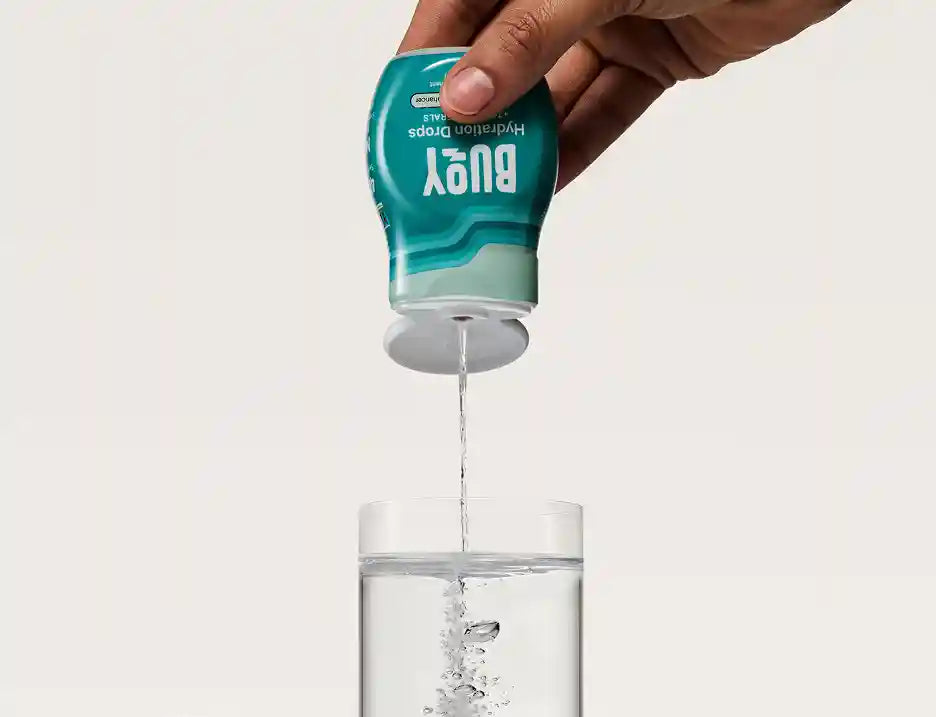
Consistent hydration should feel simple and sustainable. Buoy Hydration Drops provide trace minerals and electrolyte support in a convenient liquid format without added sugars or artificial sweeteners.
Why People Choose Buoy
- No added sugar
- No artificial sweeteners
- Easy daily hydration support
- Convenient liquid format
- Designed for wellness-focused routines
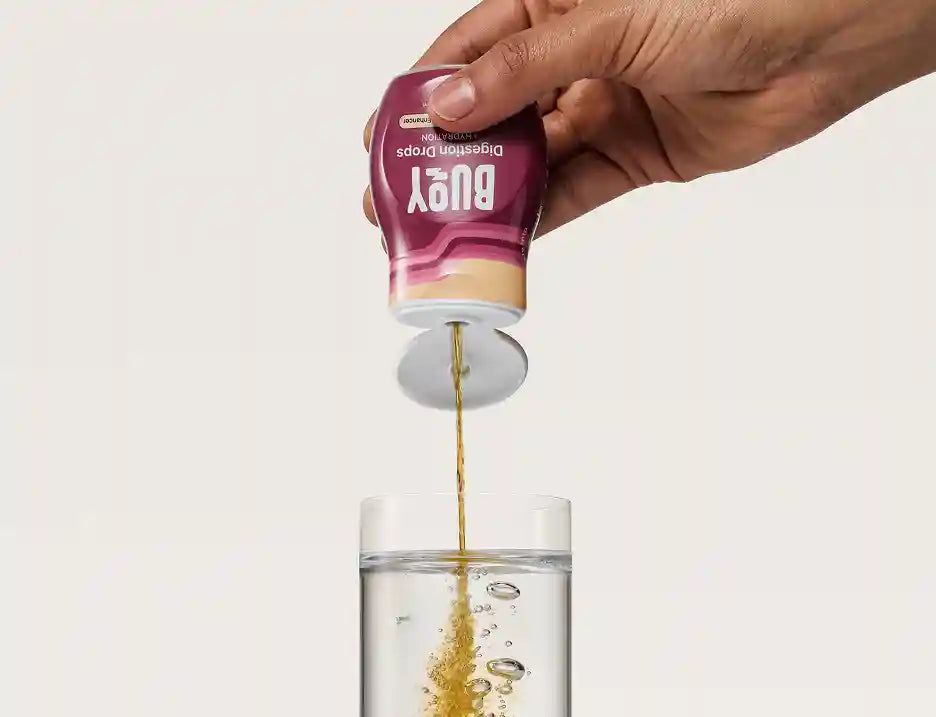
Some people also incorporate digestive support into their wellness routines. Buoy Digestion Drops are formulated to support digestive comfort and gut wellness.
Support for Ongoing Hydration Needs
Buoy also offers a dedicated support program designed to help reduce long-term costs and make consistent hydration more accessible for families managing ongoing hydration needs for toddlers.
Learn more about the Chronic Illness Support Program 35% off for life.
Hydration and Wellness Starts With Consistency
Electrolytes and weight loss are connected through hydration, recovery, and overall wellness support, not direct fat burning.
Maintaining hydration and electrolyte balance may help support exercise performance, daily energy, and healthy routines over time. Combined with balanced nutrition and consistent habits, hydration can play an important role in long-term wellness goals.
For people looking for sugar-free hydration support, Buoy Hydration Drops offer a convenient way to support daily hydration without unnecessary additives.
References
¹Popkin, B. M., D’Anci, K. E., & Rosenberg, I. H. (2010). Water, hydration, and health. Nutrition Reviews, 68(8), 439–458. https://academic.oup.com/nutritionreviews/article/68/8/439/1841926
²Thomas, D. T., Erdman, K. A., & Burke, L. M. (2016). Position of the Academy of Nutrition and Dietetics, Dietitians of Canada, and the American College of Sports Medicine: Nutrition and Athletic Performance. Journal of the Academy of Nutrition and Dietetics, 116(3), 501–528. https://pubmed.ncbi.nlm.nih.gov/26920240/
³Rodriguez-Sanchez, N., & Galloway, S. D. R. (2023). A randomised trial to assess fluid and electrolyte balance responses following ingestion of different beverages in young and older men. European Journal of Applied Physiology, 123, 2109–2122. https://pmc.ncbi.nlm.nih.gov/articles/PMC10492686/