







Can Dehydration Cause Fever? Signs, Symptoms, and Causes
Dehydration affects far more than just thirst. When the body loses more fluids than it takes in, it can disrupt important functions like circulation, energy levels, and temperature regulation. In some cases, dehydration may contribute to elevated body temperature or fever-like symptoms such as feeling hot, flushed, fatigued, or dizzy.
While dehydration does not usually cause a true fever on its own, low fluid levels can make it harder for the body to cool itself properly through sweating and circulation.¹ This may increase the risk of overheating, especially during illness, exercise, or hot weather.
Key Takeaways
- Dehydration can interfere with the body’s ability to regulate temperature, sometimes leading to fever-like symptoms such as feeling hot, flushed, dizzy, or fatigued.
- Common signs of dehydration include dark urine, dry mouth, headaches, rapid heartbeat, and increased thirst.
- Severe dehydration may increase the risk of heat-related illnesses like heat exhaustion or heatstroke, which can cause dangerously high body temperature.
- Staying hydrated with water, electrolytes, and water-rich foods can help support healthy temperature regulation and overall wellness.
With an estimated 75% of adults not drinking enough water daily, dehydration is more common than many people realize. Its symptoms can sometimes go unnoticed until issues like headaches, dizziness, dark urine, fatigue, or temperature-related symptoms begin to appear.
Table of Contents
- What is Dehydration?
- Can Dehydration Cause Fever?
- Signs and Symptoms of Dehydration
- The Impact of Chronic Dehydration
- How Dehydration Affects Body Temperature Regulation
- Dehydration and Fever in Adults
- How to Prevent Dehydration-Related Fever
- How Buoy Hydration Drops Can Help
- Understanding How Dehydration Affects Body Temperature
What is Dehydration?
Dehydration occurs when your body loses more fluids than it takes in. This creates an imbalance that affects normal bodily functions. It can happen for several reasons, including:
- Excessive sweating (exercise, hot weather)¹
- Not drinking enough water¹
- Vomiting or diarrhoea from illness¹
- Increased urine output due to medications or medical conditions (e.g., diabetes)¹
- Drinking too much caffeine or alcohol, which are diuretics¹
Without enough fluids, the body struggles to function properly, leading to a range of uncomfortable and potentially serious symptoms.
Can Dehydration Cause Fever?
While dehydration does not usually cause a true fever by itself, it can interfere with the body’s ability to regulate temperature properly. When fluid levels are too low, the body may struggle to cool itself efficiently through sweating and circulation, which can lead to elevated body temperature, overheating, or fever-like symptoms.²
Dehydration fever is often a result of the body overheating due to a lack of fluids needed for temperature regulation.
This is why people experiencing dehydration may feel warm, fatigued, or flushed, even though they don’t have an actual infection. In severe cases, dehydration can contribute to heat-related illnesses, which may result in genuine fever.
Signs and Symptoms of Dehydration
Recognising dehydration early can help prevent complications. Common signs and symptoms include:
- Excessive thirst – The body's natural signal that it needs more water.
- Dark yellow urine – Pale yellow urine indicates good hydration, while darker shades suggest dehydration.
- Fatigue and dizziness – Blood volume decreases, making it harder to circulate oxygen efficiently.
- Headaches – Dehydration can trigger tension headaches and migraines. If headaches are a recurring issue for you, check out our article Say Goodbye to Dehydration Headaches with Electrolyte-Based Hydration Drops to learn how to find relief.
- Dry skin and lips – Skin loses moisture, becoming dry and flaky.
- Rapid heartbeat and breathing – The heart works harder to compensate for reduced blood volume.
- Fever-like symptoms – Dehydration may interfere with temperature regulation, leading to an elevated body temperature.
If a high fever persists, symptoms worsen, or dehydration occurs alongside vomiting, confusion, or difficulty keeping fluids down, medical care may be needed.
Dehydration vs. Fever: How to Tell the Difference
Dehydration and fever can sometimes cause similar symptoms, including fatigue, dizziness, flushed skin, headache, and feeling unusually warm.
However, fever is usually caused by infection or inflammation, while dehydration happens when the body loses more fluids than it takes in.
One key difference is that dehydration is more commonly associated with symptoms like dark urine and intense thirst, while fever from infection is more likely to come with chills, body aches, or other signs of illness.³ For more information, learn how to tell if you’re dehydrated.
When Dehydration May Need Medical Attention
Mild dehydration can often improve with fluids and electrolytes, but more severe dehydration may require urgent medical care.
Certain symptoms can signal that the body is struggling to regulate temperature, circulation, or fluid balance properly.²
|
Symptom |
Possible Concern |
|
Dark urine or very little urination |
Moderate to severe dehydration |
|
Dizziness or fainting |
Low blood pressure or fluid loss |
|
Rapid heartbeat |
Reduced blood volume |
|
Confusion or extreme fatigue |
Severe dehydration or heat illness |
|
High fever or chills |
Infection, heat exhaustion, or heatstroke |
|
Vomiting or inability to keep fluids down |
Increased risk of worsening dehydration |
The Impact of Chronic Dehydration

- Kidney Function: The kidneys play a pivotal role in filtering waste products and balancing the body's fluids. Chronic dehydration can strain the kidneys, potentially leading to kidney stones and, in severe cases, kidney failure.
- Urinary Tract Infections (UTIs): A reduced urine output means the body has fewer opportunities to flush out bacteria. This can increase the risk of UTIs, which can be painful and require medical treatment.
- Recurring Fevers: As the body becomes more susceptible to infections due to weakened overall function, there's an increased chance of recurring fevers.
- Cognitive Impacts: Dehydration can affect brain function, leading to issues like reduced concentration, irritability, and mood swings.
- Digestive Problems: The digestive system relies on adequate hydration. Chronic dehydration can lead to constipation and an increased risk of acid reflux.
- Skin Health Issues: Prolonged dehydration can result in dry skin, which is more prone to wrinkling and other skin disorders.
Recognizing and addressing dehydration early is crucial. The longer the body remains in a dehydrated state, the more severe the potential consequences.
Prioritizing hydration is not just about quenching thirst; it's about safeguarding long-term health. Explore the extensive effects and signs of chronic dehydration.
How Dehydration Affects Body Temperature Regulation
One of the body’s main cooling mechanisms is sweat. When hydration levels are low, sweat production decreases, preventing heat from dissipating efficiently. This can lead to an increase in body temperature, which may be misinterpreted as fever.
Dehydration and Fever in Adults
Adults are more susceptible to mild dehydration-induced fever symptoms due to lifestyle habits, medications, and age-related declines in fluid retention. Symptoms include:
- Feeling unusually warm without illness²
- Flushed skin²
- Increased heart rate²
- Dizziness or confusion²
- Reduced urine output²
In some cases, dehydration can also exacerbate an existing fever from an illness, making the body work even harder to cool itself down.
How to Prevent Dehydration-Related Fever

A woman staying hydrated by drinking fresh water from a glass.
Avoiding dehydration fever comes down to proper hydration habits. Here’s how to keep your fluid levels in check:
1. Drink Water Consistently
Many people wait until they feel thirsty to drink water, but by then, dehydration has already begun. Try to sip water throughout the day, even if you don’t feel thirsty.
2. Monitor Urine Colour
Checking urine colour is an easy way to gauge hydration levels:
- Pale yellow – Hydrated⁴
- Dark yellow – Mild dehydration⁴
- Amber or brown – Severe dehydration, requiring immediate fluids⁴
3. Replenish Electrolytes
Drinking plain water is great, but if you sweat a lot, exercise, or feel fatigued, you may need electrolytes like sodium, potassium, and magnesium to help retain fluids effectively. Buoy Hydration Drops offer an easy way to boost electrolyte intake without sugar or artificial ingredients.
4. Eat Hydrating Foods
Water-rich foods can supplement your hydration naturally. Some great options include:
- Cucumber
- Watermelon
- Oranges
- Celery
- Strawberries
5. Adjust Hydration for Lifestyle and Weather
Exercise, hot climates, and alcohol consumption all increase fluid loss. Adjust your hydration levels based on your activity level and environment.³
How Buoy Hydration Drops Can Help
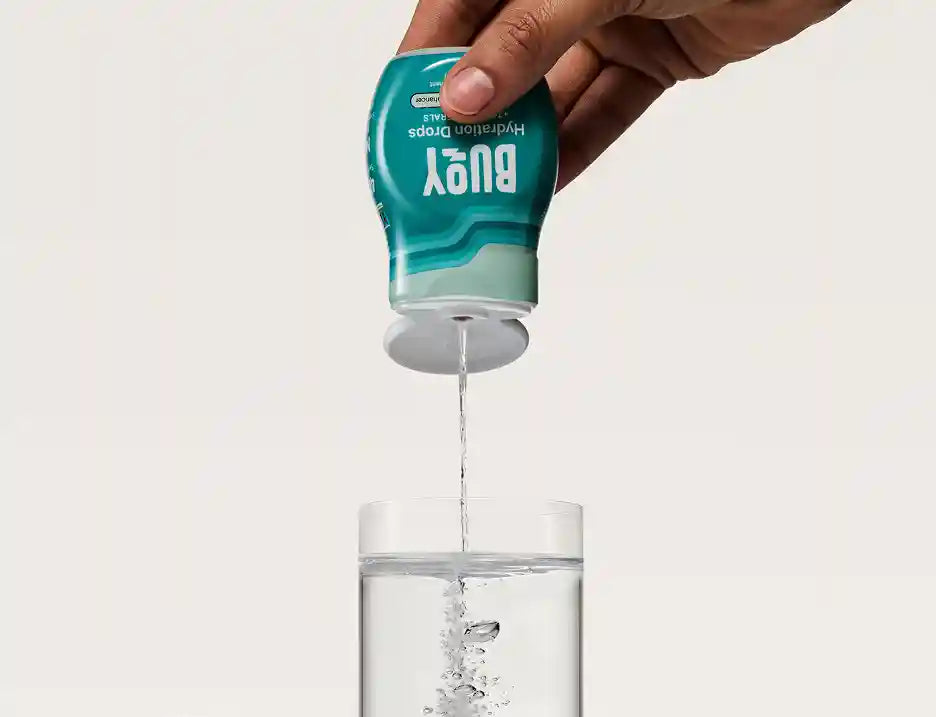
Buoy Hydration Drops provide a convenient way to boost hydration with bioavailable electrolytes. A quick squeeze into any drink can help:
- Support sweat production for better temperature regulation.
- Prevent dehydration cramps and fatigue.
- Maintain fluid balance for sustained energy.
- Alleviate temperature fluctuations linked to dehydration.
Unlike many electrolyte drinks, Buoy contains no added sugars, artificial sweeteners, or synthetic flavours, making it a clean and effective way to stay hydrated.
Learn more about the role of dehydration drops and how they can help with symptom relief.
Understanding How Dehydration Affects Body Temperature
Dehydration can affect body temperature, cognitive function, digestion, and energy levels. While dehydration alone doesn’t cause a fever, it can lead to fever-like symptoms, making the body more vulnerable to overheating and heat-related illnesses.
By making hydration a daily priority and incorporating Buoy Hydration Drops, you can maintain optimal fluid levels, avoid dehydration fever, and support overall wellness.

A person showcases Buoy hydration drops—an easy way to stay hydrated on the go.
References
¹ Popkin, B. M., D’Anci, K. E., & Rosenberg, I. H. (2010). Water, Hydration, and Health. Nutrition Reviews, 68(8), 439–458. https://pmc.ncbi.nlm.nih.gov/articles/PMC2908954/
² Bouchama, A., & Knochel, J. P. (2002). Heat Stroke. New England Journal of Medicine, 346(25), 1978–1988. https://www.nejm.org/doi/full/10.1056/NEJMra011089
³ Armstrong, L. E., Johnson, E. C., & Munoz, C. X. (2020). Hydration Biomarkers and Their Interpretation. Nutrition Today, 55(6), 227–237. https://pmc.ncbi.nlm.nih.gov/articles/PMC7699979/
⁴ Kenefick, R. W., & Sawka, M. N. (2007). Hydration at the Work Site. Journal of the American College of Nutrition, 26(sup5), 597S–603S. https://pubmed.ncbi.nlm.nih.gov/17921468/