






What Does Stomach Pain From Dehydration Feel Like?
Dehydration can affect far more than thirst and energy levels. When the body does not have enough fluids, digestion may slow down, electrolyte balance can become disrupted, and stomach discomfort may develop. In some cases, dehydration can contribute to bloating, cramping, constipation, nausea, or abdominal pain.¹
Key Takeaways
- Dehydration can contribute to stomach pain, cramping, bloating, nausea, and constipation by slowing digestion and disrupting fluid balance.
- Electrolytes like sodium, potassium, and magnesium help support digestion, muscle contractions, and proper nerve function in the digestive tract.
- Symptoms like dark urine, dizziness, bloating, and abdominal cramps may be signs that dehydration is affecting digestive health.
- Staying hydrated with fluids, electrolytes, and water-rich foods may help support digestion and reduce dehydration-related stomach discomfort.
Because the digestive system relies on proper hydration to move food and waste efficiently, even mild dehydration may lead to noticeable stomach symptoms. Understanding how dehydration affects digestion can help you recognize symptoms early and support better hydration habits.
Table of Contents
- What Does Stomach Pain From Dehydration Feel Like?
- The Importance of Hydration for Digestive Health
- Electrolyte Imbalance and Nerve Function in Digestion
- How to Treat Stomach Cramps from Dehydration
- Rehydration Strategies for Abdominal Pain Relief
- Preventing Abdominal Pain Through Consistent Hydration
- How IBS Can Lead to Dehydration
- How to Stay Hydrated with IBS
- When to Seek Medical Attention
- Hydration Drops That Make a Difference
What Does Stomach Pain From Dehydration Feel Like?
Stomach pain from dehydration can feel like cramping, bloating, tightness, nausea, or a dull ache in the abdomen. Some people describe it as a “twisting” or “empty” feeling in the stomach, while others experience constipation-related discomfort or muscle cramps caused by electrolyte imbalance.
Dehydration may also slow digestion and reduce blood flow to the digestive tract, which can contribute to abdominal discomfort, especially during illness, exercise, heat exposure, or prolonged fluid loss.²
Learn more about the signs and symptoms of dehydration.
The Importance of Hydration for Digestive Health
Your digestive system relies on proper hydration to function smoothly.¹ Water helps break down food, absorb nutrients, and move waste efficiently through the intestines. When hydration levels drop, digestive processes slow, leading to constipation, bloating, and cramping.
How Dehydration Affects Digestion and Causes Stomach Pain
When your body lacks fluids, it pulls water from the intestines to maintain other vital functions. This can result in harder stools, slow digestion, and increased bloating. Common digestive issues related to dehydration include:
- Constipation – Less fluid means harder stools, making bowel movements painful.
- Bloating and gas – Slow digestion can lead to fermentation of food in the gut, causing discomfort.
- Cramping and stomach pain – Lack of electrolytes can cause digestive muscles to contract improperly.²
Common Symptoms of Dehydration-Related Abdominal Pain
Dehydration often presents subtle symptoms that worsen over time. Signs your stomach pain may be linked to dehydration include:
- Lower abdominal pain after drinking water – If your stomach feels uncomfortable after drinking, your digestive system may be struggling with fluid absorption.
- Cramps after drinking water – Dehydrated intestines may cramp as they absorb fluids too quickly.
- Bloating and discomfort – A lack of water can lead to slower digestion, resulting in trapped gas and bloating.
- Stomach pain when drinking water on an empty stomach – Sudden fluid intake when dehydrated may temporarily irritate the stomach lining.
For additional information, explore how your digestive health also influences mental clarity and brain function.
Signs Your Stomach Pain May Be Related to Dehydration
Dehydration-related stomach pain is often accompanied by other symptoms linked to fluid and electrolyte imbalance. Recognizing these signs early may help prevent worsening dehydration.²
|
Symptom |
What It May Feel Like |
|
Stomach cramps |
Tightness, spasms, or sharp abdominal discomfort |
|
Bloating |
Fullness or pressure in the stomach |
|
Nausea |
Upset stomach or queasiness |
|
Constipation |
Hard stools or difficult bowel movements |
|
Dizziness |
Lightheadedness or weakness |
|
Dark urine |
A common sign of dehydration |
Electrolyte Imbalance and Nerve Function in Digestion
Your gut muscles rely on electrolytes to function properly. Sodium, potassium, and magnesium regulate contractions in the digestive tract, ensuring food moves smoothly. When dehydration depletes these electrolytes, nerve signals are disrupted, leading to:
- Irregular bowel movements – Dehydration may cause constipation or diarrhea.
- Delayed stomach emptying – Slower digestion leads to bloating and discomfort.
- Painful muscle spasms – Electrolyte imbalances can cause intestinal or muscle cramping.
How to Treat Stomach Cramps from Dehydration
If dehydration is the cause of your stomach pain, rehydration is key. Here’s what you can do.
|
Treatment Option |
Tips |
|
Increase Water Intake |
Sip small amounts of water throughout the day rather than chugging large amounts at once. |
|
Consume Electrolyte-Rich Drinks |
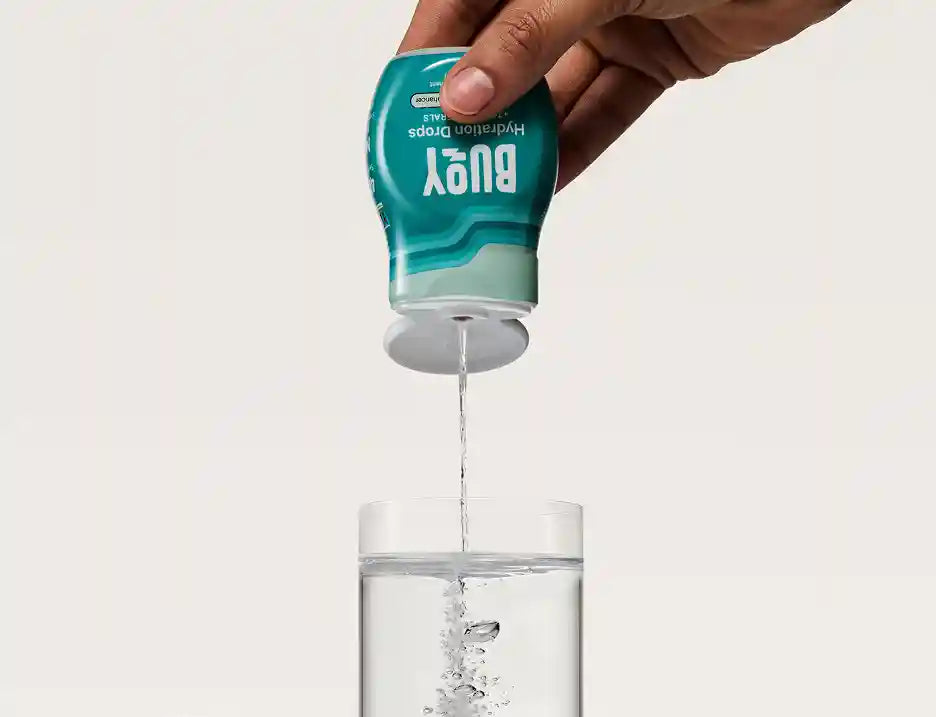
Adding Hydration Drops like Buoy ensures essential minerals are replenished. |
|
Incorporate Water-Rich Foods |
Fruits like watermelon, oranges, and cucumbers can naturally hydrate your body. |
|
Avoid Diuretics |
Reduce caffeine and alcohol intake to prevent further dehydration. |
Rehydration Strategies for Abdominal Pain Relief
While water is essential, electrolyte balance is just as important. Buoy’s Hydrating Wellness Drops provide a scientifically backed mix of sodium, potassium, and magnesium, helping:
- Maintain fluid balance – Preventing dehydration-related digestive issues.
- Support nerve function – Ensuring smooth intestinal contractions.
- Relieve stomach cramps – Magnesium helps relax intestinal muscles, reducing pain.⁵
Preventing Abdominal Pain Through Consistent Hydration
Abdominal pain can be a sign of dehydration interfering with natural detoxification.

Keeping a consistent hydration routine is the best way to prevent dehydration-related stomach issues. Try these tips:
- Establish a hydration schedule – Drink small amounts of water throughout the day.
- Monitor your urine colour – Pale yellow urine indicates good hydration; dark yellow suggests dehydration.
- Use electrolyte support – Add a squeeze of Buoy’s Hydration Drops to any beverage for daily electrolyte balance.
- Adjust water intake based on activity levels – Increase hydration during exercise or hot weather.¹
How to Treat Stomach Cramps from Dehydration
Make sure when you are hydrating you are not drinking too much or too fast, or drinking water that's too cold.
Irritable Bowel Syndrome (IBS) is a chronic digestive disorder that affects how the intestines function, often causing symptoms like bloating, diarrhoea, constipation, and abdominal pain. While IBS itself doesn’t directly cause dehydration, it can contribute to fluid loss and electrolyte imbalances in several ways.
How IBS Can Lead to Dehydration:
- Frequent Diarrhea – Many IBS sufferers experience bouts of diarrhoea, which can quickly deplete the body’s fluids and essential electrolytes, increasing the risk of dehydration.
- Limited Fluid Absorption – IBS can disrupt how the intestines absorb fluids, especially during flare-ups. This means even if you're drinking enough water, your body may not be retaining it properly.
- Food and Drink Restrictions – Some people with IBS avoid certain foods and drinks that trigger symptoms, including high-fibre foods and certain fruits, which naturally contribute to hydration.
- Increased Sensitivity to Fluids – Some IBS sufferers find that drinking large amounts of water at once can worsen bloating or cramps, leading them to drink less than they should.
How to Stay Hydrated with IBS
If you have IBS and struggle with dehydration, here are some strategies to help maintain hydration without triggering gastrointestinal issues⁴:
- Drink Smaller Amounts More Frequently – Instead of drinking large amounts of water at once, sip fluids steadily throughout the day.
- Choose Electrolyte-Enhanced Drinks – Replenishing lost minerals with Buoy’s Hydration Drops can help restore balance without added sugars or artificial ingredients.
- Eat Water-Rich Foods – Foods like cucumber, watermelon, and oranges provide hydration while being gentle on digestion.
- Monitor Your Hydration Levels – Pay attention to urine colour and energy levels as indicators of proper hydration.
For those managing IBS, proper hydration is essential to maintaining digestive comfort and preventing dehydration-related complications.³
If you’re prone to IBS-related dehydration, adding a hydration supplement like Buoy to your routine can be a simple way to ensure your body is absorbing the fluids it needs.
When to Seek Medical Attention
Mild dehydration can be treated at home, but severe or persistent abdominal pain may indicate a more serious issue. Consult a healthcare provider if:
- Pain is severe or persistent.
- Additional symptoms like fever, vomiting, or severe bloating occur.
- Rehydration doesn’t improve symptoms.
Hydration Drops That Make a Difference
Dehydration can contribute to digestive discomfort, bloating, and stomach cramps, especially when fluid and electrolyte levels are out of balance. Proper hydration is about more than just drinking water. Your body also relies on electrolytes like sodium, potassium, and magnesium to support digestion, fluid balance, and muscle function.
Support Hydration and Digestive Comfort with Buoy
Buoy Hydration Drops provide essential electrolytes and trace minerals to help support hydration without added sugars or artificial ingredients. Adding a squeeze to water or your favorite beverage can help support fluid balance and everyday hydration, especially during heat, exercise, travel, or illness.

References
¹ Popkin, B. M., D’Anci, K. E., & Rosenberg, I. H. (2010). Water, Hydration, and Health. Nutrition Reviews, 68(8), 439–458. https://pmc.ncbi.nlm.nih.gov/articles/PMC2908954/
² Taylor, K., & Jones, E. B. (2022). Adult Dehydration. StatPearls Publishing. https://www.ncbi.nlm.nih.gov/books/NBK555956/
³ Rehrer, N. J., Brouns, F., Beckers, E. J., et al. (1992). Gastrointestinal Complaints in Relation to Dietary Intake in Endurance Athletes. International Journal of Sport Nutrition, 2(1), 48–59. https://pubmed.ncbi.nlm.nih.gov/1592679/
⁴ Camilleri, M., Bharucha, A. E., & Farrugia, G. (2008). Epidemiology, Mechanisms, and Management of Diabetic Gastroparesis. Clinical Gastroenterology and Hepatology, 9(1), 5–12. https://pmc.ncbi.nlm.nih.gov/articles/PMC2811461/
⁵ Grober, U., Schmidt, J., & Kisters, K. (2015). Magnesium in Prevention and Therapy. Nutrients, 7(9), 8199–8226. https://pmc.ncbi.nlm.nih.gov/articles/PMC4586582/